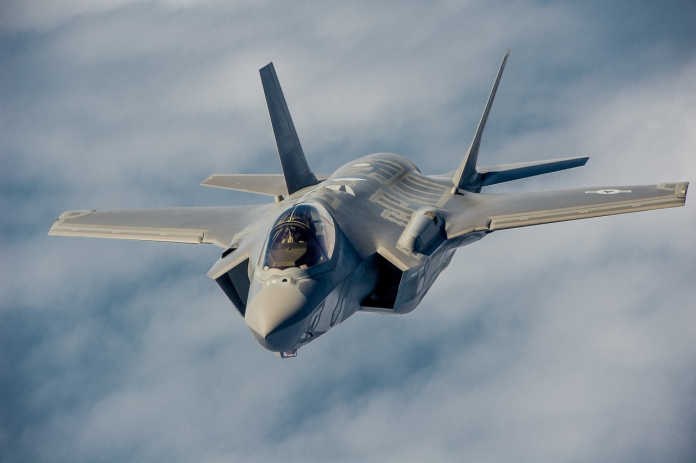
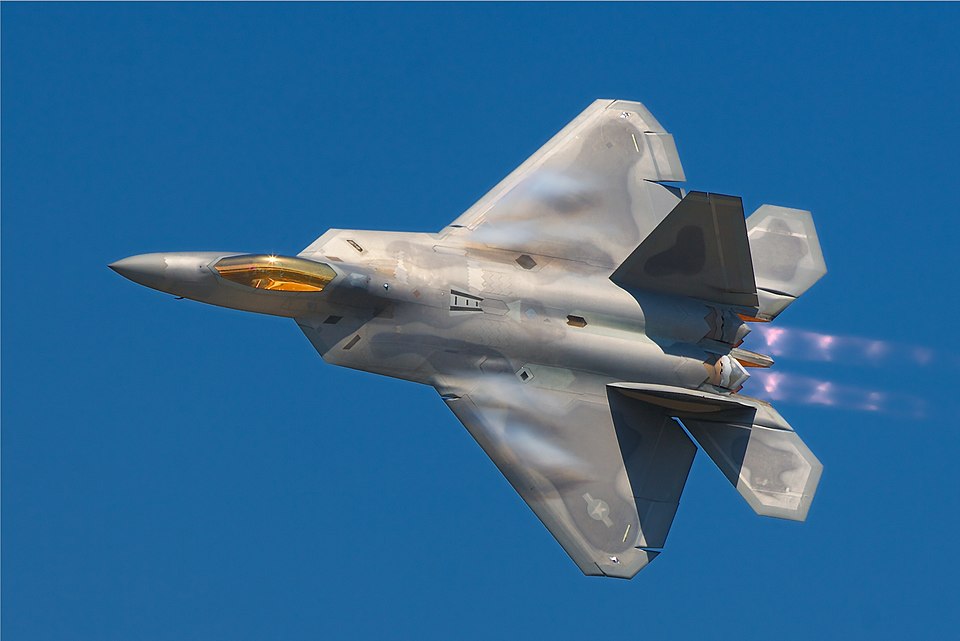
Sixth-generation air combat is often described as a clean-sheet revolution, but much of that future is arriving through upgrades to aircraft already in service. For the F-35 and F-22, the path toward NGAD-like capability is being built through software, propulsion, sensors, electronic warfare, and tighter human-machine teaming.
That matters because the defining traits of a next-generation fighter are no longer limited to speed or stealth alone. They increasingly depend on how quickly an aircraft can process data, adapt to new threats, generate power for advanced systems, and work inside a wider combat network.
1. AI-assisted threat recognition
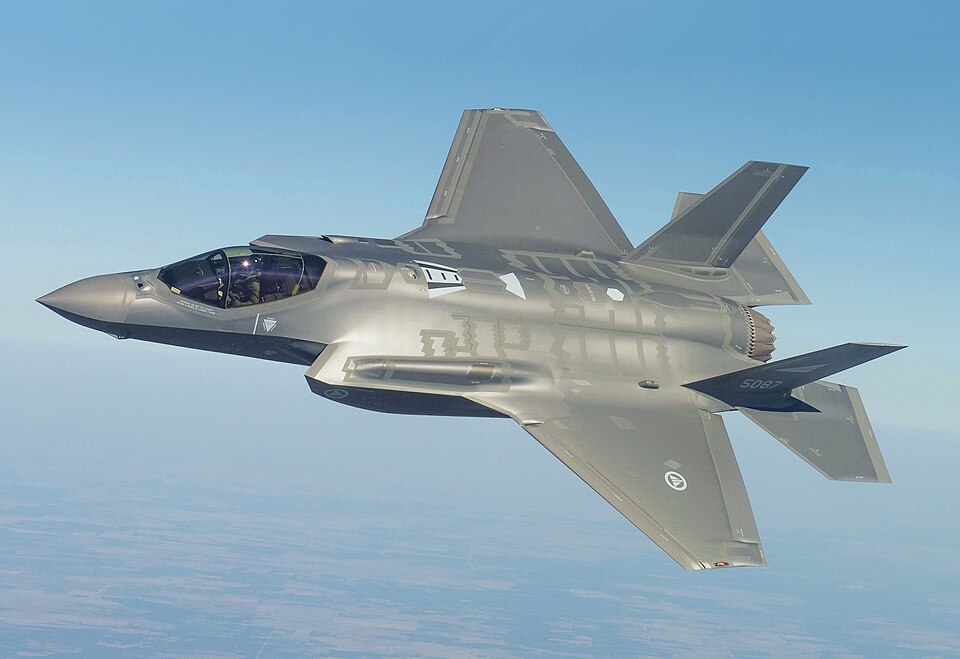
The F-35 is beginning to add one of the most important traits associated with future combat aircraft: machine-speed interpretation of a crowded battlespace. During Project Overwatch, Lockheed Martin flight-tested an AI-enhanced combat identification capability that could resolve ambiguous emitters and present an independent assessment to the pilot during flight.
The key advance was not simply automation. Engineers also used an automated workflow to label new emitters, retrain the model, and reload it inside the same mission planning cycle. That compresses a process that has traditionally depended on much slower reprogramming loops.
2. Cognitive electronic warfare
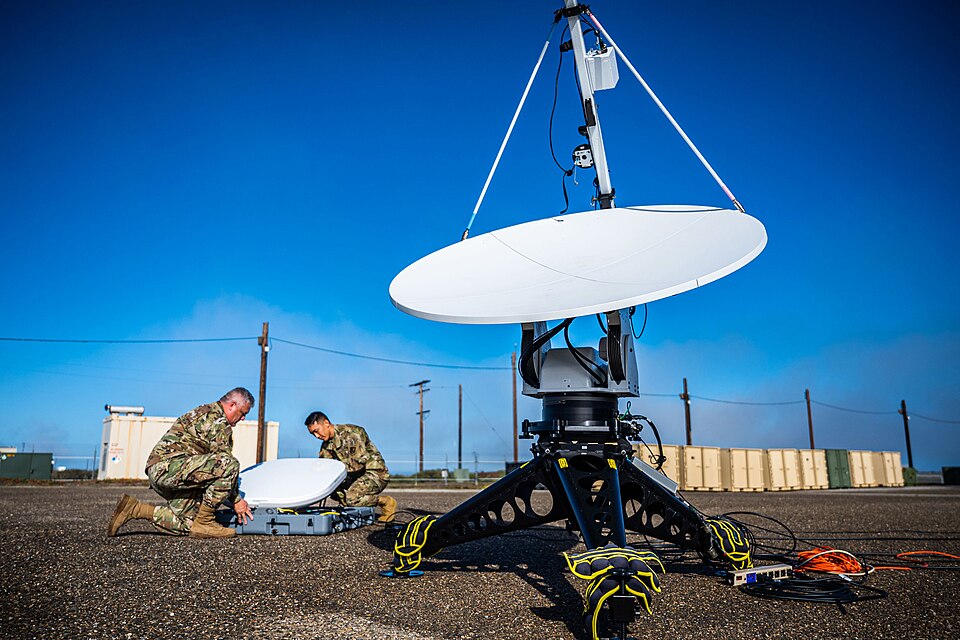
Electronic warfare is becoming a software contest as much as a hardware one. The F-35 already depends on a threat library to classify radar and other radiofrequency emissions, but modern air defenses increasingly shift modes, wavelengths, and signal behavior to complicate identification.
That is why cognitive electronic warfare has become such a consequential upgrade path. Instead of only matching emissions to a known library, future suites are being designed to record unfamiliar signals, process them rapidly, and support faster responses. For a fifth-generation fighter, that closes part of the gap with NGAD concepts centered on agility in the electromagnetic spectrum.
3. Sensor fusion that behaves like a combat operating system
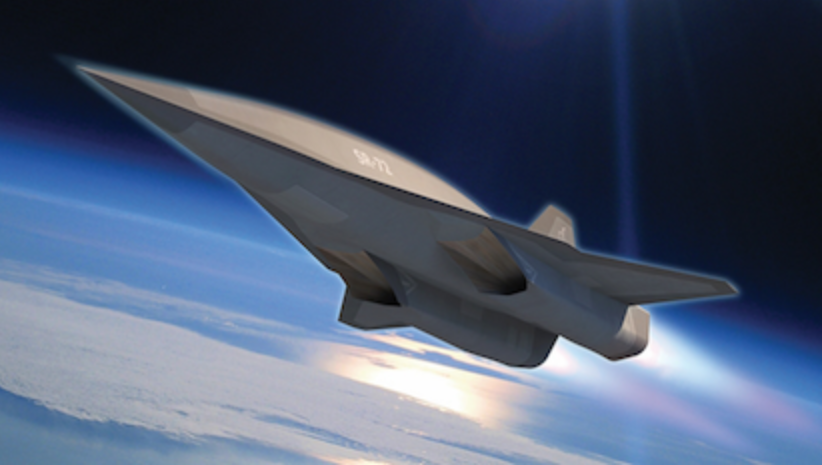
The F-35’s sensor suite has always been more than a collection of onboard devices. Its real advantage comes from fusing radar, infrared imaging, targeting, and pilot-display data into a single tactical picture. Lockheed Martin describes advanced sensor fusion as the process that automatically analyzes and merges data into information relevant to the pilot.
That architecture looks increasingly like the baseline for sixth-generation air combat. It reduces pilot workload, speeds decision-making, and improves how one jet shares awareness with the rest of the force. In NGAD terms, the aircraft starts acting less like an isolated platform and more like a node in a distributed combat web.
4. Block 4 mission-systems expansion
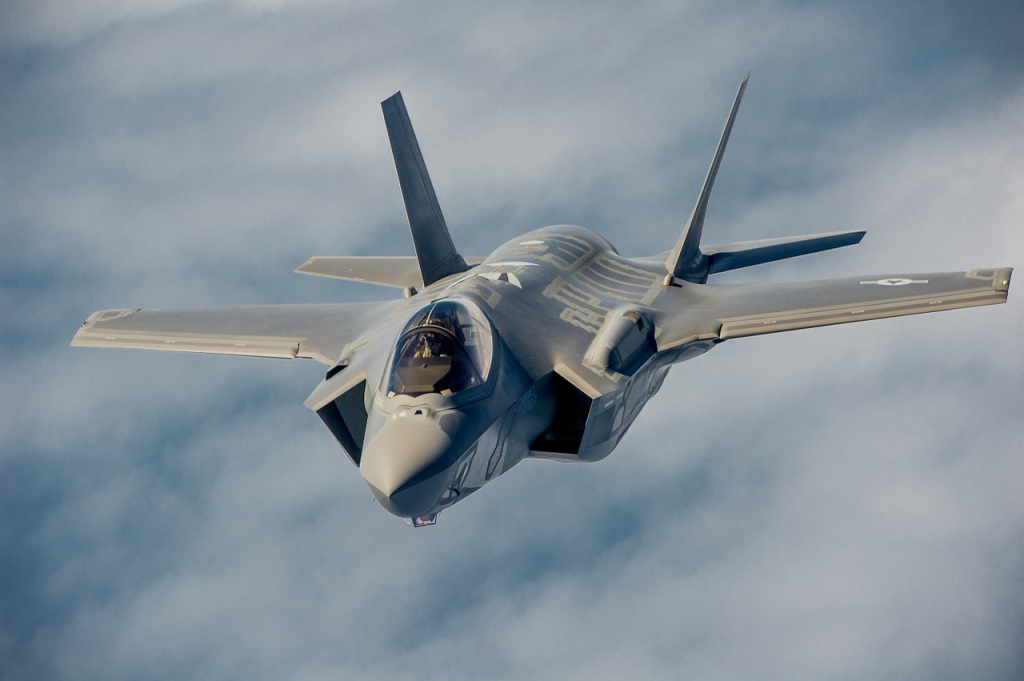
The F-35’s Block 4 package remains one of the largest upgrade efforts attached to any fighter in service. Its long list of planned improvements has faced delays, but the direction is still clear: more capability in sensors, weapons integration, mission software, and electronic warfare.
Even with schedule turbulence, Block 4 represents the clearest route for pushing the F-35 toward the richer systems capacity associated with a next-generation aircraft. Auditors have noted that the program originally aimed to field dozens of new capabilities, with most now expected later than planned, and that power and cooling demands are rising as those additions accumulate. That challenge is also a marker of progress: advanced aircraft increasingly run into thermal and electrical limits before aerodynamic ones.
5. TR-3 computing hardware
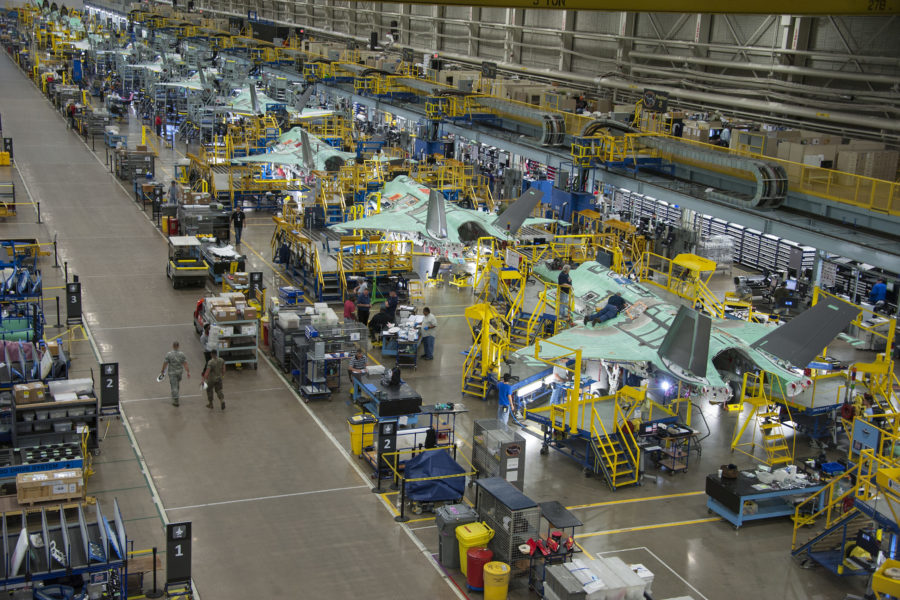
NGAD-level performance depends on processing capacity as much as airframe design. For the F-35, Technology Refresh 3 is the enabling step that allows heavier software loads, more advanced mission functions, and expanded Block 4 growth.
This is the kind of upgrade that rarely attracts attention outside specialist circles, yet it is foundational. A fighter cannot support more sensing, better fusion, and more sophisticated onboard decision aids without a major jump in computing throughput. In practical terms, TR-3 is the digital backbone for much of the F-35’s next stage.
6. Adaptive-cycle propulsion lessons flowing downstream
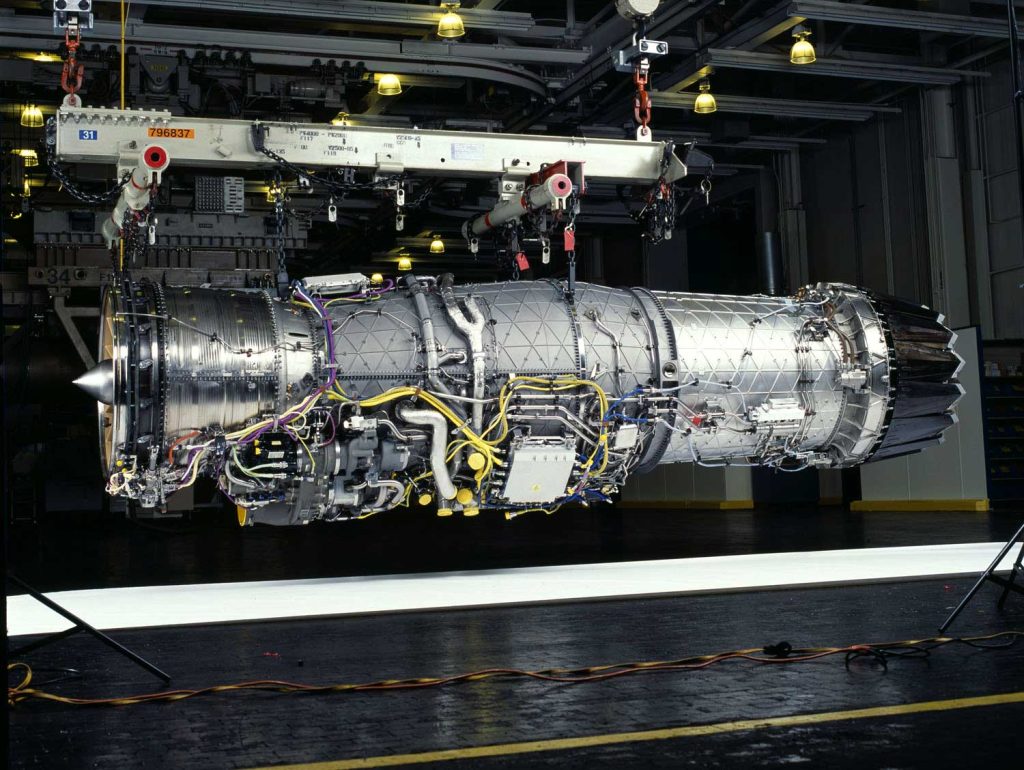
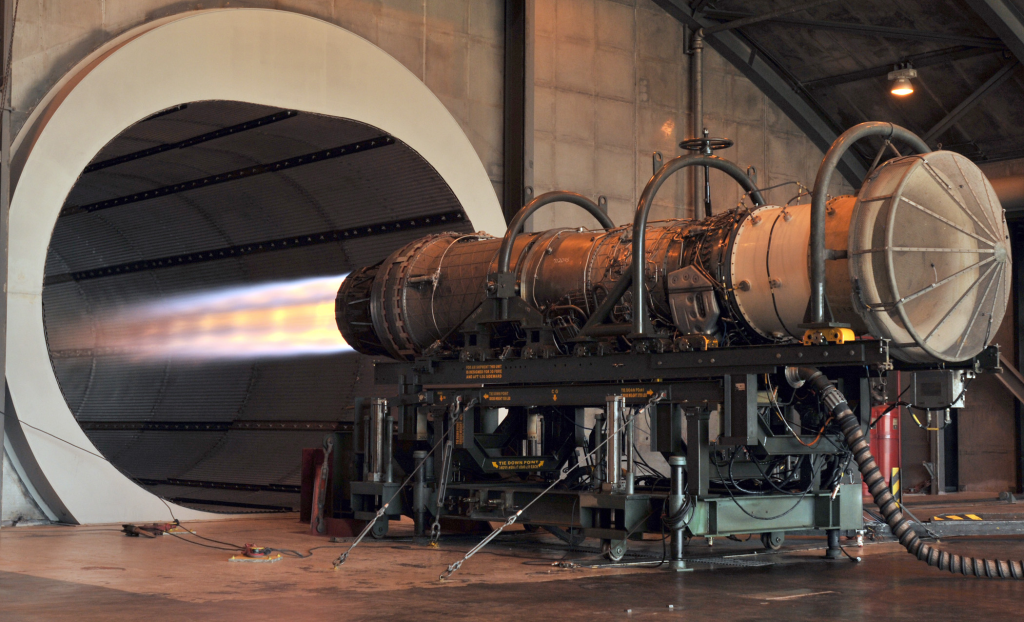
The F-22 and F-35 are not receiving NGAD engines directly, but propulsion development for NGAD is reshaping expectations for what fighter engines must do. Pratt & Whitney’s XA103 under the Next Generation Adaptive Propulsion program is designed to shift between high-thrust and fuel-efficient modes while also improving thermal management for advanced sensors and other power-hungry systems.
That matters beyond a single future aircraft. NGAP builds on earlier adaptive-engine work sized around the F-35, and the broader lesson is unmistakable: sixth-generation propulsion is as much about heat rejection, electrical generation, and endurance as raw thrust. Pratt & Whitney says the XA103 team has doubled the pace of technical data package delivery through model-based digital design, reinforcing how propulsion modernization now blends engine architecture with software-driven development speed.
7. More electrical power and thermal headroom
Future fighters need room for growth. Sensors become more demanding, processors run hotter, and any pathway toward advanced jamming or directed-energy effects depends on an aircraft’s ability to generate and manage power without cooking its own systems. The F-35’s engine and cooling limits have become one of the clearest signs of where fifth-generation designs start to strain under sixth-generation ambitions. Solving that does not only improve reliability. It determines how much advanced capability can be added over time, which is one of NGAD’s defining design philosophies.
8. Collaborative combat aircraft integration
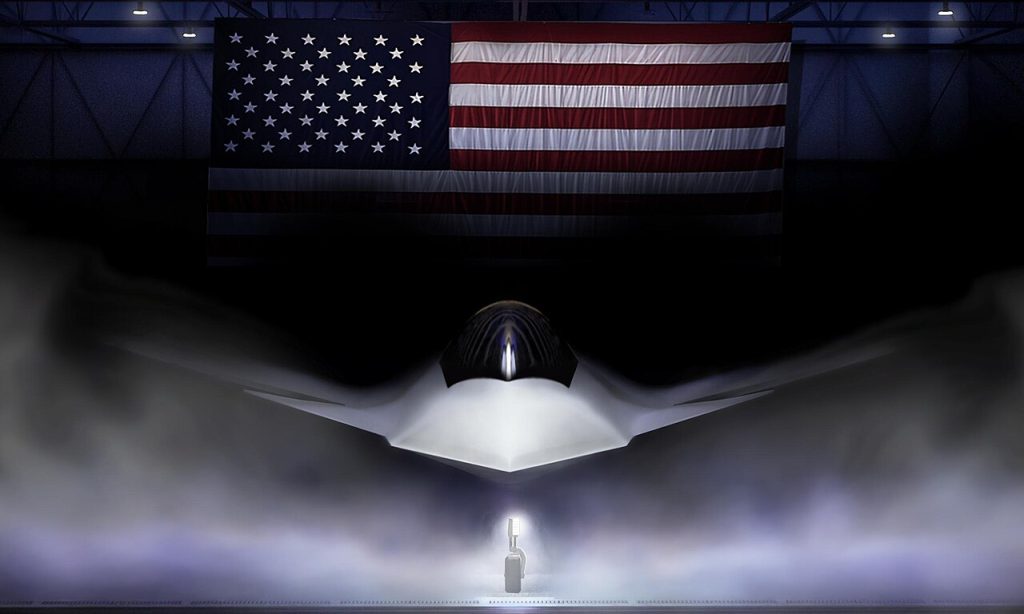
One of the most visible NGAD traits is not carried inside the fuselage at all. It is the ability to direct or collaborate with uncrewed teammates. The broader shift toward collaborative combat aircraft means crewed fighters are increasingly being treated as command nodes for distributed sensing, decoy operations, electronic warfare, and additional weapons carriage.
The F-35 is especially well positioned for that model because its sensor fusion and networking already support a quarterback role. The same concept is central to the Air Force’s future force design, where NGAD operates alongside autonomous wingmen rather than alone. As that ecosystem matures, the line separating a fifth-generation fighter from a sixth-generation mission system becomes thinner.
9. Digital engineering as an upgrade accelerator
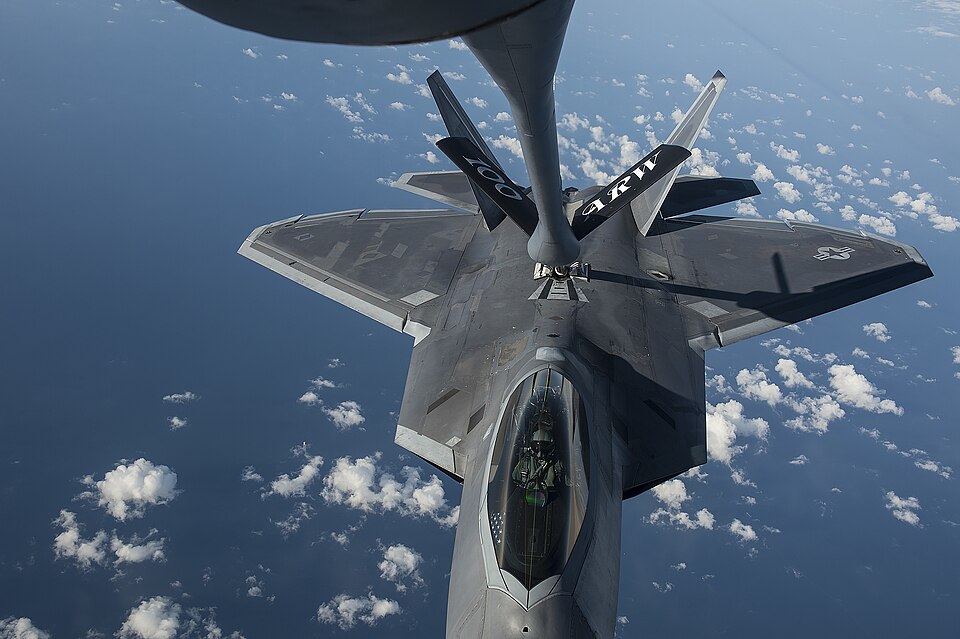
The last upgrade is less visible than a new radar or engine, but it may be the most consequential over time. Digital engineering is shortening the gap between design, testing, supplier coordination, and fielded change. That is now a major feature of advanced propulsion work and an increasingly important feature of aircraft modernization more broadly.
For the F-35 and F-22, the real competition is not only over who has the better airframe. It is over who can refresh capability faster. When engineering data, software changes, mission-system updates, and integration cycles move faster, existing aircraft become far more capable of keeping pace with threats that evolve in months rather than decades.
The F-35 and F-22 are not turning into NGAD by imitation. They are moving toward the same destination through selective upgrades that emphasize software, processing, thermal capacity, and networked combat behavior. That shift changes how air superiority is measured. The decisive fighter is increasingly the one that can sense first, classify fastest, adapt in flight, and work with crewed and uncrewed partners as part of a larger system rather than a single jet.


