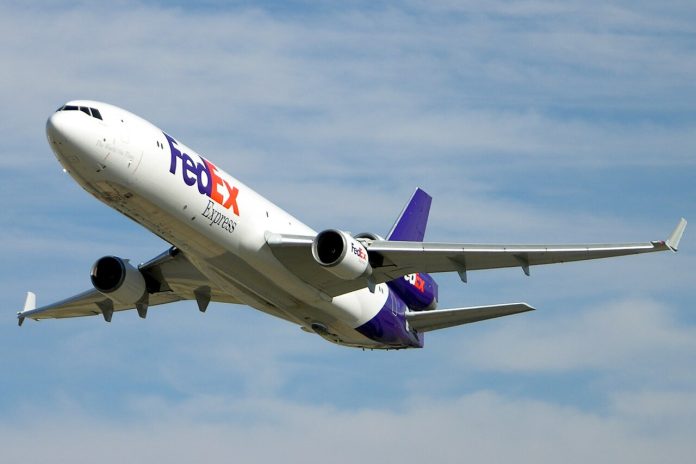
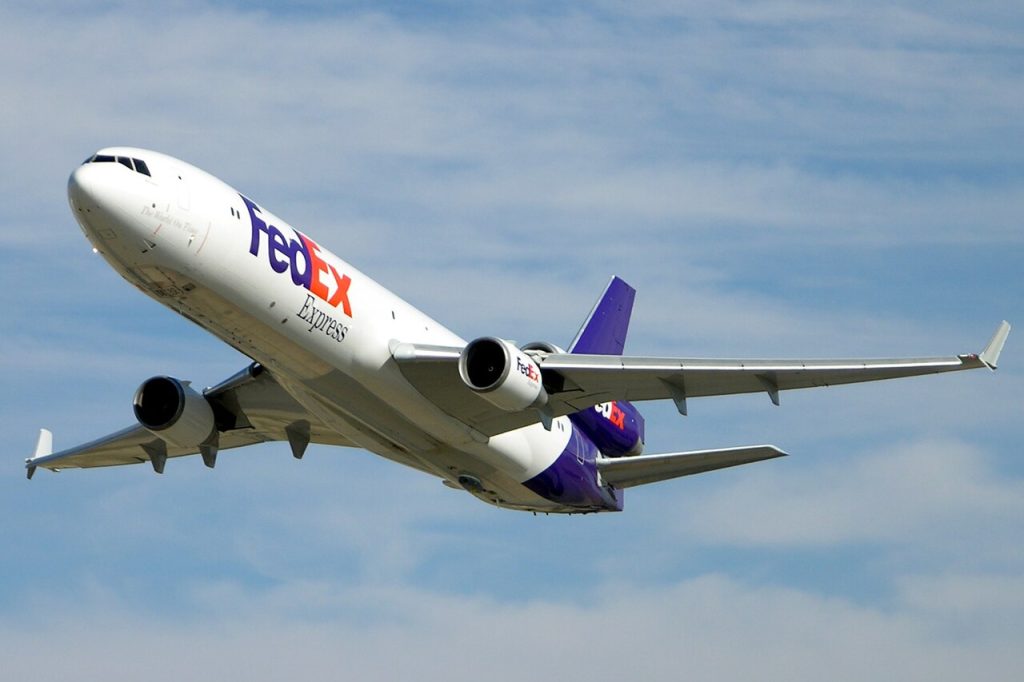
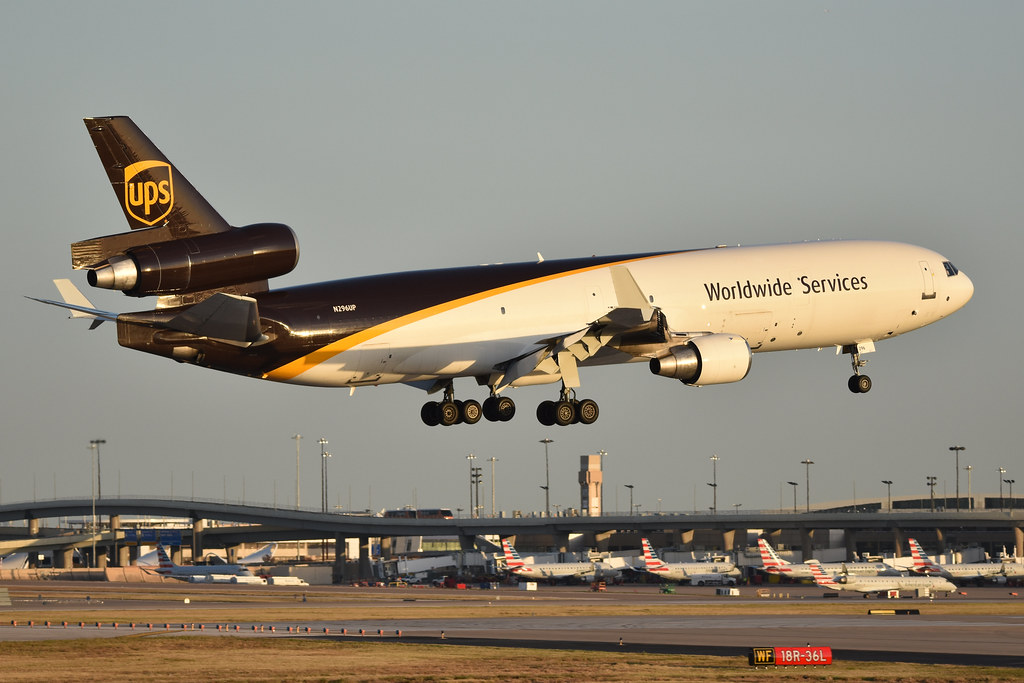
The Louisville MD-11 disaster forced a broader aviation question into view: how long can aging freight aircraft remain economically useful before structural risk begins to outrun the maintenance program designed to control it? For engineers, flight-operations specialists, and safety analysts, the value of the case lies less in headline shock than in what it reveals about legacy widebody design, fatigue-sensitive hardware, inspection philosophy, and the operational burden of keeping older freighters in service. The MD-11 had long been respected for payload and range, but it also carried a reputation for narrow handling margins and a smaller tolerance for error than newer cargo types.
1. Engine-pylon attachment became the defining technical fault line
The most consequential finding was the in-flight separation of the left engine and pylon assembly almost immediately after liftoff. Investigators reported that the aircraft impacted the ground shortly after takeoff, and preliminary evidence centered on the hardware connecting the engine installation to the wing structure.
That shifted attention away from a conventional engine malfunction and toward the integrity of the mounting path itself. This distinction matters. When thrust-producing hardware departs the airframe, the event instantly becomes a structural and controllability problem, not simply a propulsion problem. In transport-category aircraft, that kind of failure can overwhelm procedural defenses in seconds.
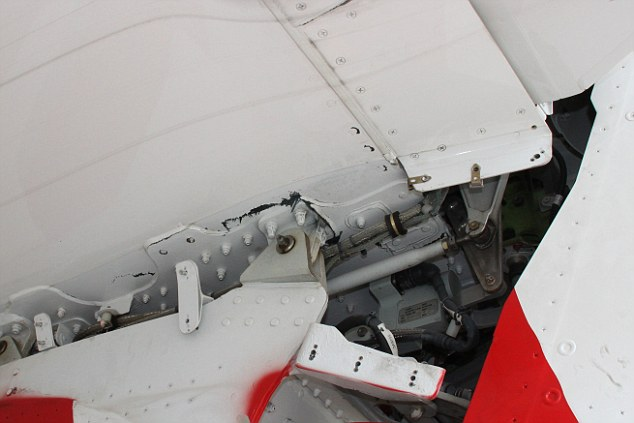
2. Fatigue cracks exposed the limits of interval-based maintenance
The damaged fittings showed fatigue cracking and overstress, indicating that the failure developed progressively before becoming catastrophic. The main article’s central concern remains the most important one: the cracks emerged well before the next special inspection would have been required.
That raises a persistent issue in aging-aircraft maintenance. Calendar- and cycle-based intervals work best when damage growth is well understood, but high-load joints can age unevenly depending on vibration, prior repairs, route structure, and accumulated stress history. A component can still be “within interval” while already moving toward failure.
3. A 2011 warning now looks far more consequential
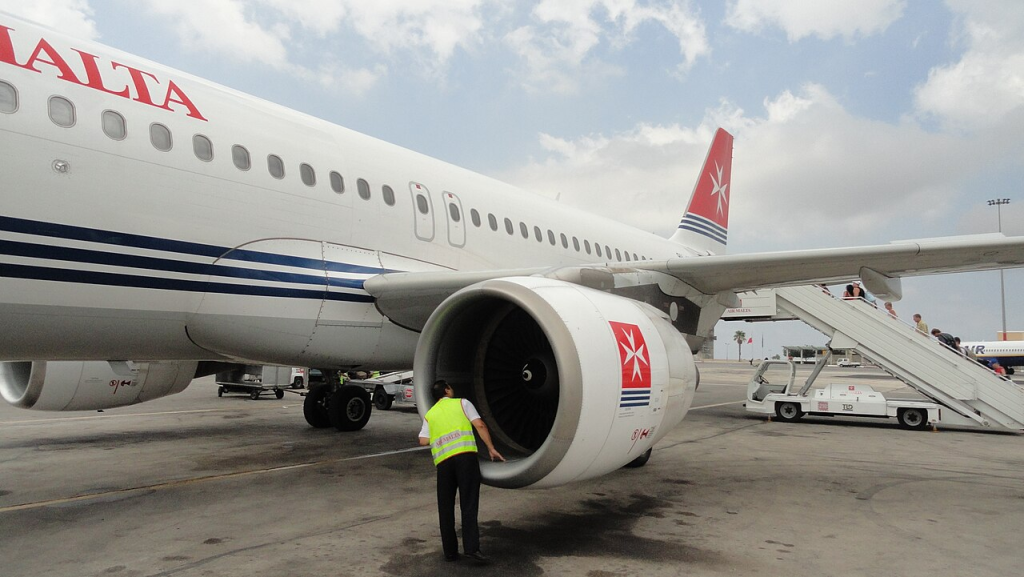
Later reporting indicated Boeing had documented four previous failures of a part involved in securing the MD-11 engine installation. At the time, the issue reportedly was not classified as a safety-of-flight condition requiring an FAA airworthiness directive.
That history changes how the Louisville case is read across the industry. It suggests the failed hardware was not an isolated unknown, but part of an older technical concern that may not have triggered a sufficiently aggressive corrective regime. In engineering terms, that puts service bulletins, operator response, and continued-airworthiness assumptions under renewed scrutiny.
4. The MD-11’s DC-10 lineage kept an old vulnerability relevant
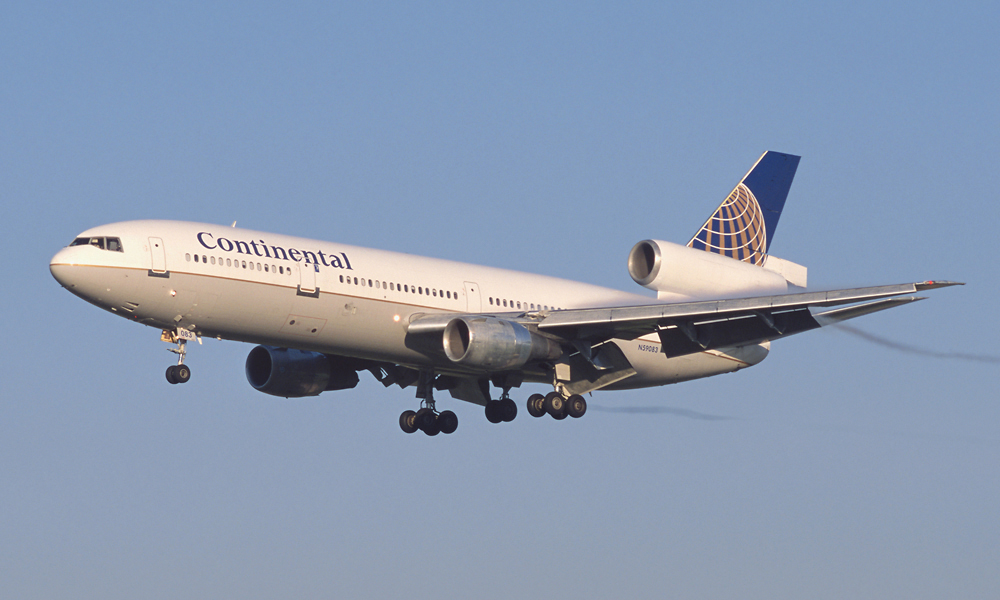
The MD-11 was an extensive update of the DC-10 rather than a clean-sheet design, and that inheritance matters. Structural architecture, load paths, and maintenance logic often carry forward even when aerodynamics, systems, and payload capability are improved.
Investigators and outside specialists drew attention to the resemblance between Louisville and the 1979 American Airlines Flight 191 disaster, in which a DC-10 also lost its left engine and pylon during takeoff. The causes are not identical, but the comparison is technically important because it shows how certain attachment-area vulnerabilities can remain significant across generations of related airframes.
5. The airframe’s age amplified every uncertainty
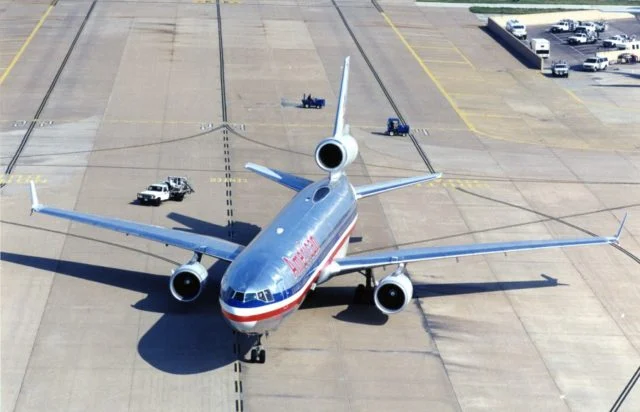
The crashed freighter was 34 years old, and that number is more than context. Older freighters often remain productive because cargo service values payload and cycle economics, but long service life brings corrosion exposure, cumulative fatigue, part obsolescence, and a growing dependence on inspection quality rather than original design margin alone.
For the remaining MD-11 fleet, age is not automatically disqualifying. It does, however, tighten the engineering case for shorter inspection intervals, deeper teardown work, and more conservative replacement decisions for high-consequence attachments.
6. The MD-11 was already known as an unforgiving airplane near the ground
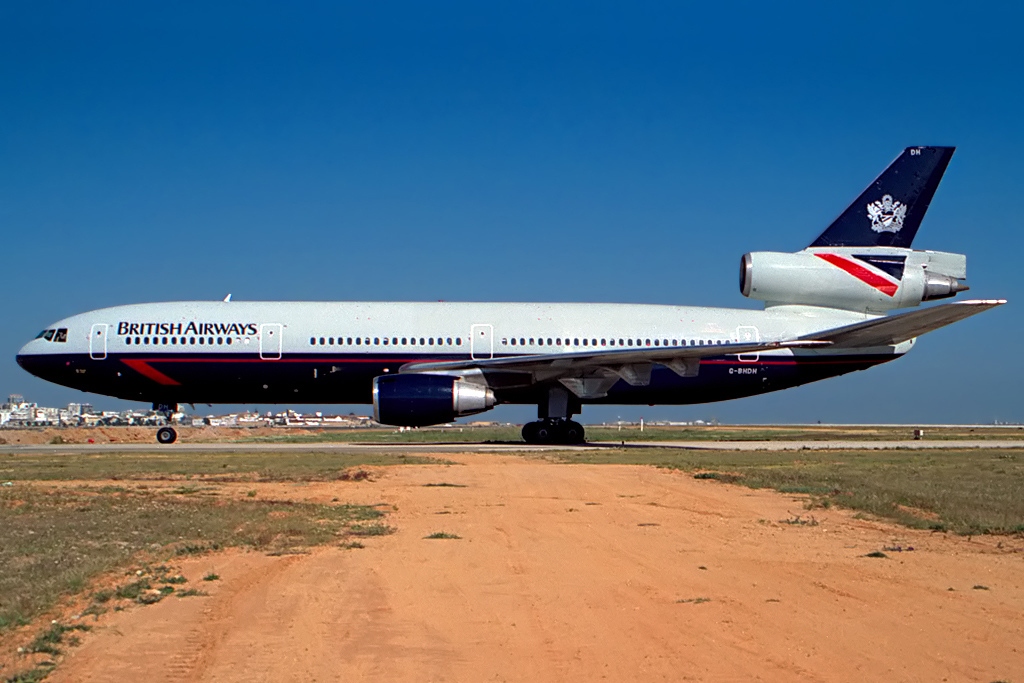
Long before Louisville, the MD-11 had a reputation for demanding handling in approach and landing. Its higher wing loading, smaller horizontal stabilizer than the DC-10, and reliance on augmentation contributed to faster approaches and a narrower flare window than many later widebodies.
Flight Safety Foundation reporting documented more than a dozen hard-landing and bounce events involving the type, prompting calls for stronger pilot training focused on sink-rate recognition, bounce recovery, and pitch control after touchdown. Those landing traits were not the trigger in Louisville, but they reinforced the type’s broader reputation: the MD-11 often delivered efficiency in cruise while demanding exceptional precision in the most safety-critical phases of flight.

7. Warning systems and crew procedure can be overtaken by structural collapse
The cockpit voice recording captured an alert shortly after takeoff thrust application, and the crew’s continuation of the takeoff after decision speed aligned with standard transport-category logic for a serious malfunction after commit point. Yet the Louisville sequence demonstrated a harder reality of aircraft safety: some failures evolve too quickly for checklists and trained responses to restore control.
When an engine separation also produces fire, debris, aerodynamic asymmetry, and immediate loss of lift-producing structure, the crew is no longer managing a single abnormal event. They are confronting several coupled failures at once.

8. Cargo operations may need a different fatigue-management lens
While structural failure dominated this case, the wider cargo environment also matters. Freight schedules frequently include overnight departures, circadian disruption, and repeated high-workload segments. Research reviews have linked fatigue to 21–23% of major aviation accident investigations, with late-night operations and limited prior sleep repeatedly identified as risk multipliers.
That does not make fatigue causal here. It does reinforce a larger point for cargo carriers: managing older aircraft safely is not only a mechanical challenge. It also depends on how alert crews are when complex abnormalities emerge during the most time-compressed phases of flight.
9. The crash may accelerate the end of the MD-11 era
The grounding response from operators and regulators was extraordinary because the fleet is already small, specialized, and near retirement age. That matters strategically. Once an aging type loses both operational flexibility and confidence in a critical structural area, continued service becomes harder to justify even before the final accident report is written.
The MD-11 still represents a remarkable chapter in long-range cargo transport. But Louisville sharpened the tradeoff that had been building for years: when a legacy freighter demands more inspection intensity, more training specialization, and more operational caution than newer replacements, retirement stops looking like fleet modernization and starts looking like risk reduction.
The lasting significance of the crash is not only the loss itself. It is the way one failure concentrated several old aviation questions into a single case: how to monitor aging structure, when service history should trigger mandatory action, and how long a capable but unforgiving design can remain viable in frontline cargo service.


