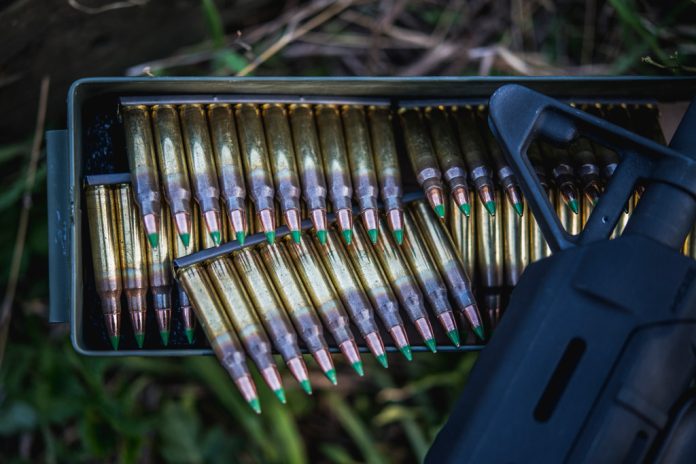

American shooting ranges are entering 2026 with rule books that look stricter, more technical, and less negotiable than many shooters remember. What appears to be a counter-policy change is often the visible end of a much larger system involving bullet traps, ventilation, fire prevention, insurance exposure, and environmental management.
That shift matters before a firearm ever reaches the firing line. A load that ran fine at one facility can still be rejected at another, and the reasons usually come down to how a projectile behaves on impact, how debris is collected, and how much risk a building is designed to tolerate.
1. Magnetic ammo is being screened more aggressively
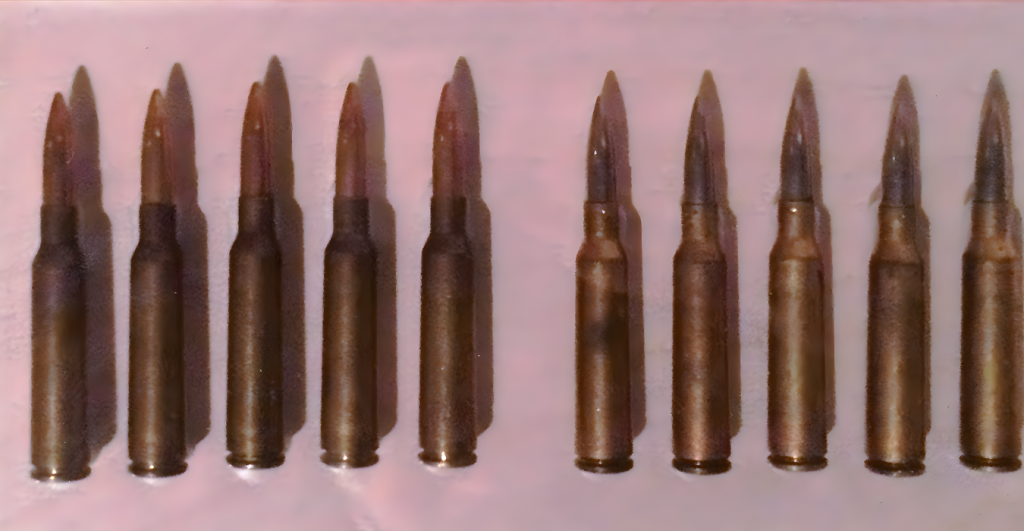
Many ranges are no longer relying on box labels alone. They are using simple magnet checks because “magnetic” ammo usually means the bullet contains steel, whether from a bimetal jacket or a penetrator design. That matters because steel-bearing bullets are associated with higher risks of sparks, splash-back, and trap wear. A common point of confusion is steel case versus steel in the bullet. The case itself is not the main hazard, but many ranges treat steel-cased imports as a shortcut for identifying bullets likely to attract a magnet. In practice, that means some shooters arrive with bargain ammunition and discover it never gets past inspection.
2. Green-tip 5.56 has become an easy no-go
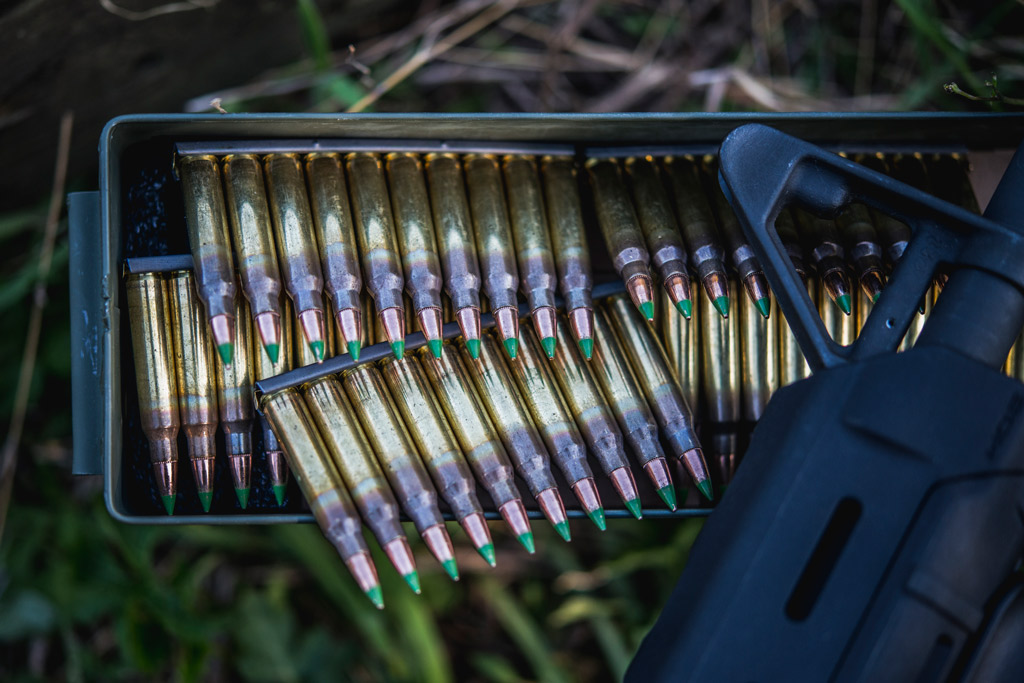
Few rifle loads draw faster scrutiny than M855 green-tip 5.56. Its steel penetrator makes it a problem for indoor traps and steel-target systems that are built around more predictable bullet deformation. Ranges often ban it categorically rather than debating every box at the counter. That is less about caliber alone than about impact behavior. When operators know a projectile can strike harder surfaces in ways that increase spark or ricochet risk, a bright-line ban is simpler to enforce and easier to defend.
3. Muzzle energy limits are becoming as important as caliber
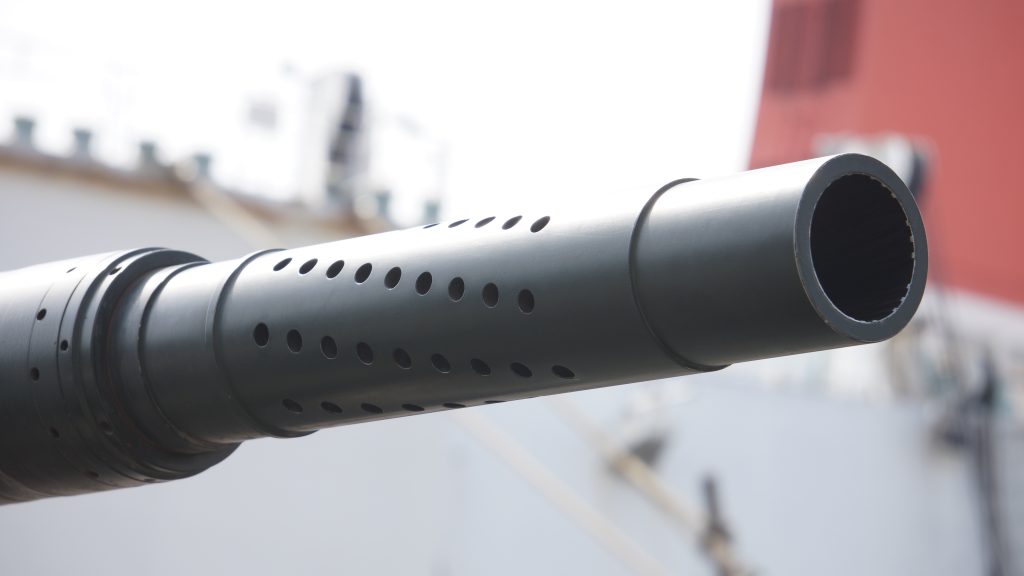
More facilities are moving beyond caliber lists and enforcing power ceilings. A lane approved for common handgun rounds may not be approved for heavy magnum loads, and a rifle bay that handles intermediate cartridges may still exclude full-power magnums. This is an engineering limit, not a judgment on shooter skill. Bullet traps, sidewalls, and baffles are designed for a defined operating envelope. Once energy exceeds what a lane was built to absorb repeatedly, maintenance costs, damage risk, and liability all move in the wrong direction.
4. Frangible loads are gaining attention for close-range and steel work
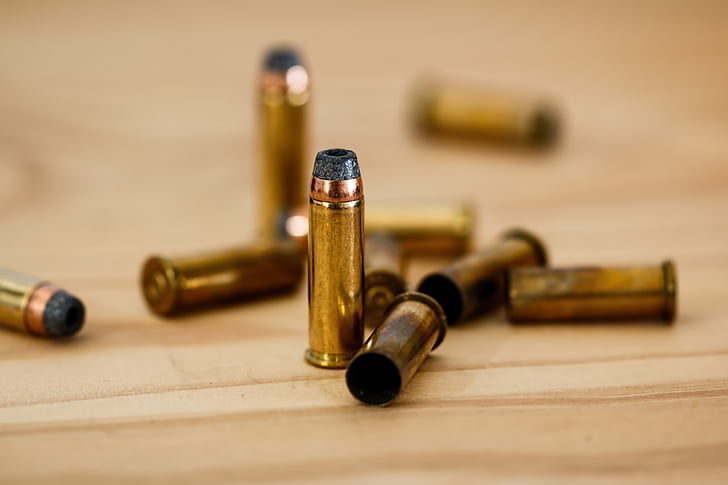
As ranges tighten rules on ricochet risk, frangible ammunition stands out because it is designed to fragment on hard impact rather than stay intact. That can reduce rebound hazards on steel and in close-range training environments. It also fits the broader push toward cleaner operation, since frangible projectiles are often made without traditional lead cores. Even so, ranges are not treating frangible ammo as a universal answer. It solves a specific range-management problem, and shooters still need to confirm a facility actually allows it before arriving.
5. Lead control is shaping what ranges allow
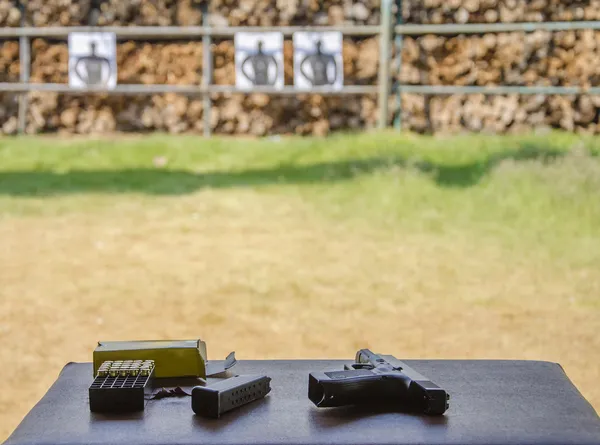
Lead is no longer just a cleanup issue. Indoor facilities have to think about airborne exposure, dust collection, and how residue moves through workspaces used by employees all day. The federal limit under OSHA’s lead standard remains 50 µg/m3 over an 8-hour shift, which helps explain why ventilation and ammo restrictions increasingly work together. Outdoor operators are under pressure too. The EPA’s guidance on lead management at outdoor shooting ranges emphasizes reclamation, recycling, and site practices that reduce contamination. That regulatory tone makes it easier to understand why some clubs are paying closer attention to what gets fired, where it lands, and how often berm material has to be managed.
6. Factory ammo is preferred over hand-loads at more facilities
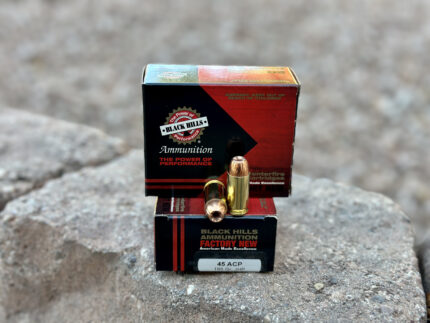
Many indoor ranges now favor factory ammunition because it gives them a known baseline for pressure, bullet construction, and consistency. Hand-loads and remanufactured rounds introduce variables that staff cannot verify quickly at check-in. The concern is not only firearm damage.
In a tightly packed indoor environment, an overpressure round, a badly seated bullet, or an unusual projectile can create risk for neighboring lanes and range infrastructure. For operators trying to standardize safety, factory ammo is easier to inspect and easier to regulate.
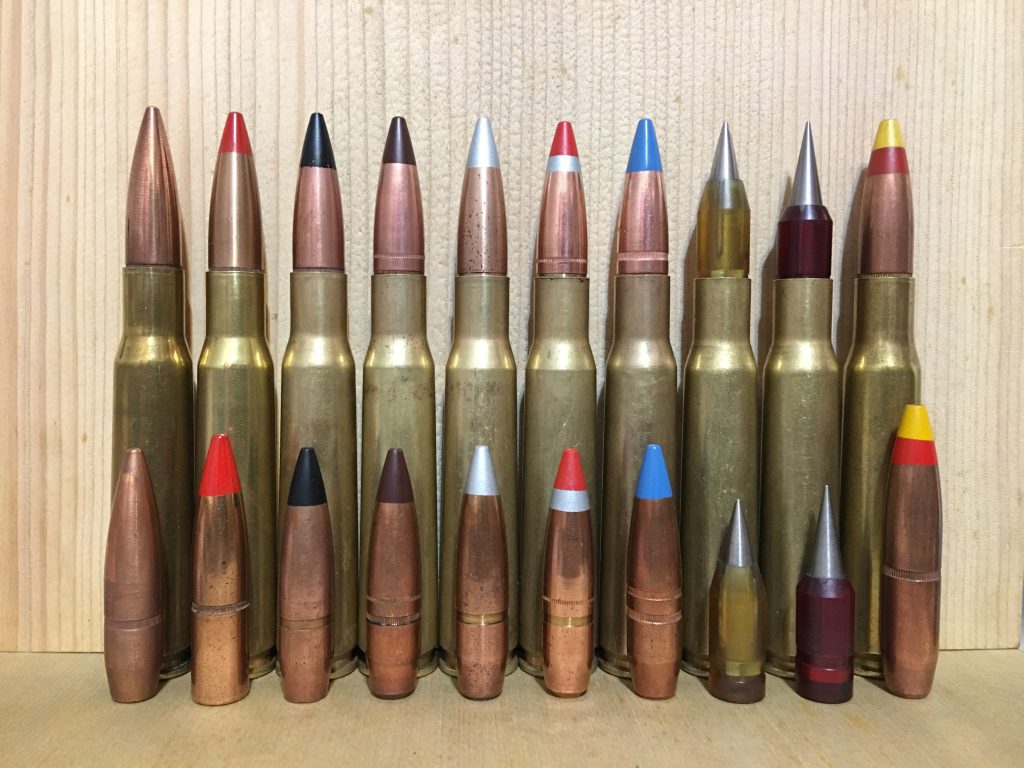
7. Specialty and spectacle rounds are being shut out
Tracer, incendiary, and novelty shells have little place in a modern commercial range. Fire risk alone is enough to trigger an outright ban, especially where backstops, filters, target carriers, and building materials leave no margin for sparks or flaming debris. The same logic reaches some shotgun loads and exotic rounds that were once treated as harmless fun. A range operating under tighter safety, insurance, and environmental expectations has almost no reason to accept ammunition that increases maintenance, complicates emergency planning, or creates obvious facility hazards.
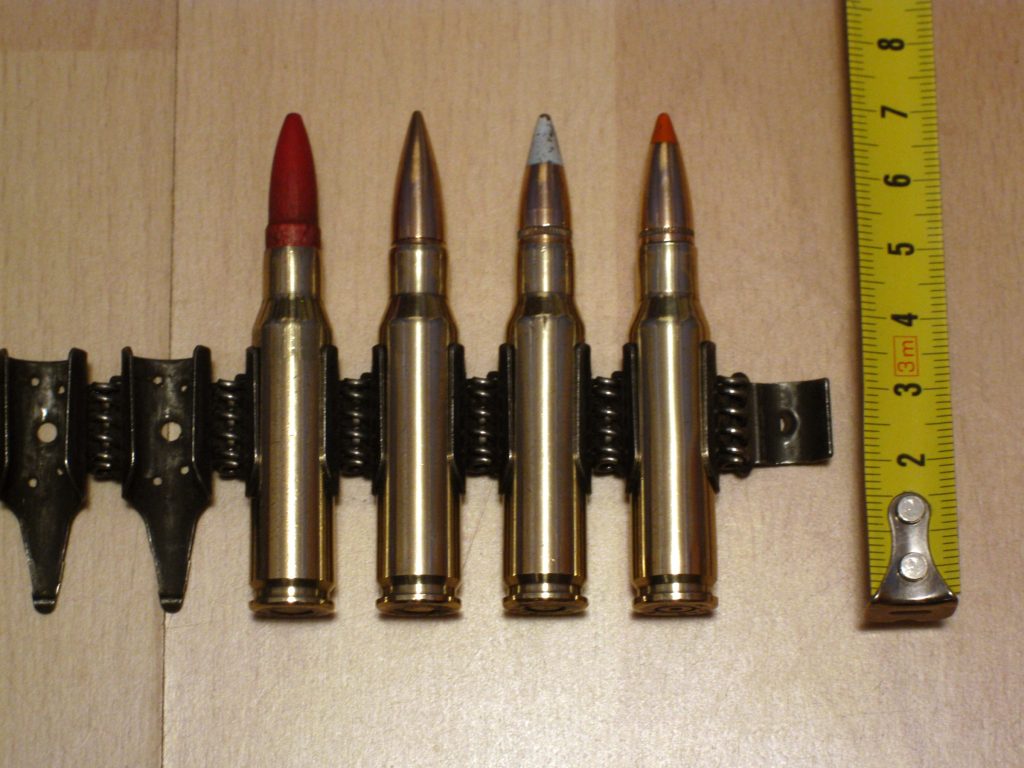
The 2026 pattern is straightforward: ranges are behaving less like informal practice spots and more like engineered sites with hard operating limits. Ammo policy is now part of the building’s safety system, not a side note posted near the register. For shooters, the practical takeaway is equally simple. Check the range rules, bring factory loads that match the lane rating, avoid steel-bearing and novelty ammunition unless specifically allowed, and expect inspection procedures to be routine rather than personal.


