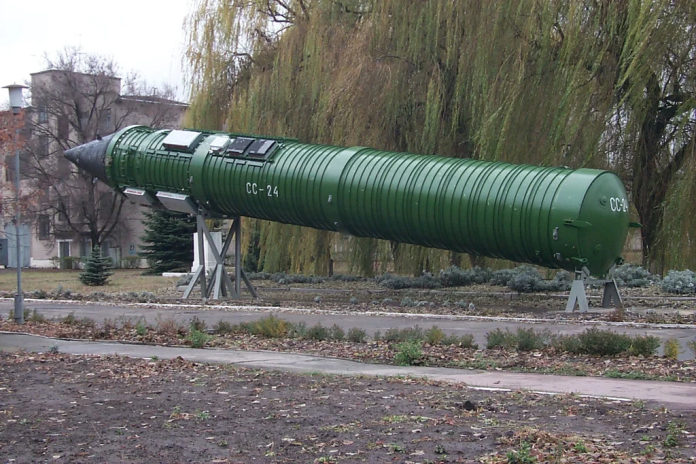
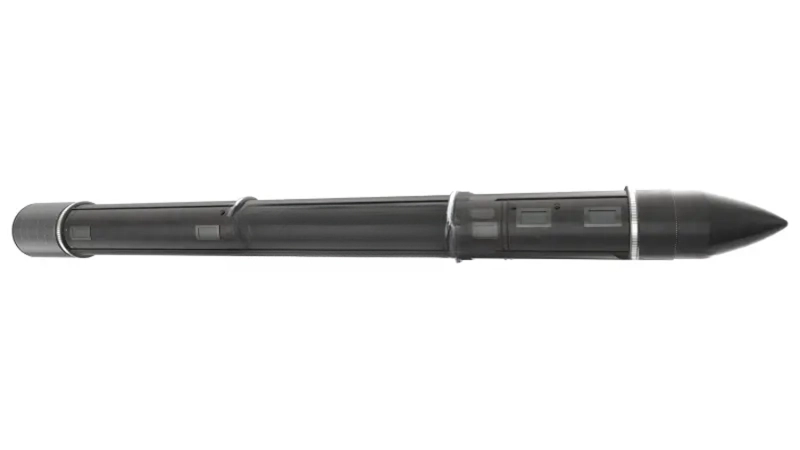
Russia’s RS-28 Sarmat was designed to be the heavy land based anchor of a strategic force, not a recurring case study in engineering stress, industrial drag, and delayed replacement cycles. Instead of reinforcing the image of an unshakable silo-based deterrent, the program has highlighted how difficult it is to field a very large liquid-fueled missile in a strained manufacturing environment.
The missile still matters because heavy intercontinental ballistic missiles occupy a distinct role. Their size allows them to carry larger payloads than lighter solid-fueled systems, including multiple warheads or vehicles such as Avangard hypersonic glide vehicle payloads. That makes Sarmat’s setbacks more than a procurement problem.
1. The missile was built to replace a capability Russia cannot easily lose
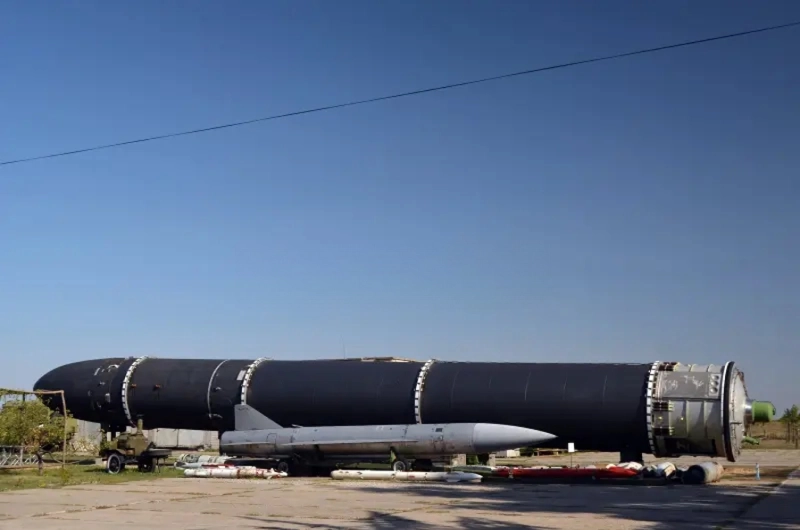
Sarmat is intended to replace the aging R-36M2 Voevoda, a Cold War era heavy silo based missile that still represents a large share of Russia’s throw weight. Heavy liquid-fueled ICBMs remain valuable because they can carry far more payload than smaller systems such as Yars. That matters for a force structure built around redundancy, penetration aids, and a strong land leg within a strategic triad.
2. Repeated failures have turned a prestige weapon into a reliability question
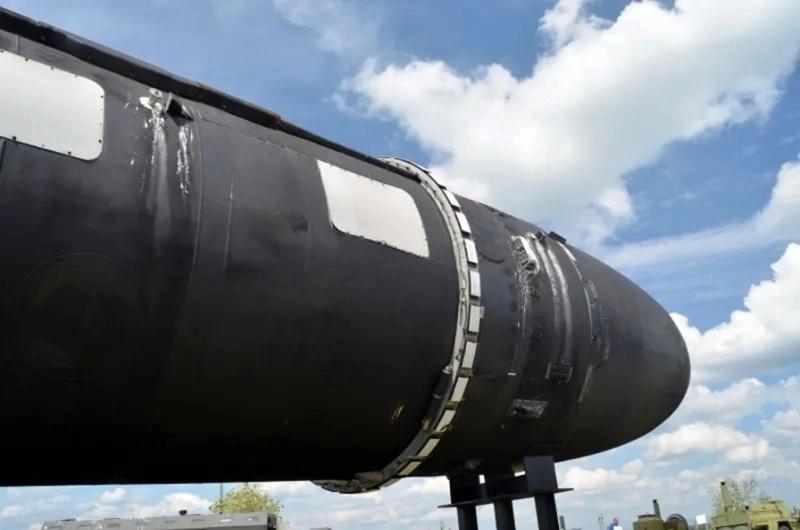
The main damage from Sarmat’s failed tests is not just hardware loss. A strategic missile gains value only when commanders believe it will perform on demand, and repeated breakdowns cut directly against that requirement. Open source analysts have pointed to multiple failed or canceled tests since the missile’s debut, with only one clearly successful full-scale flight. That is an unusually poor pattern for a system meant to enter routine service.
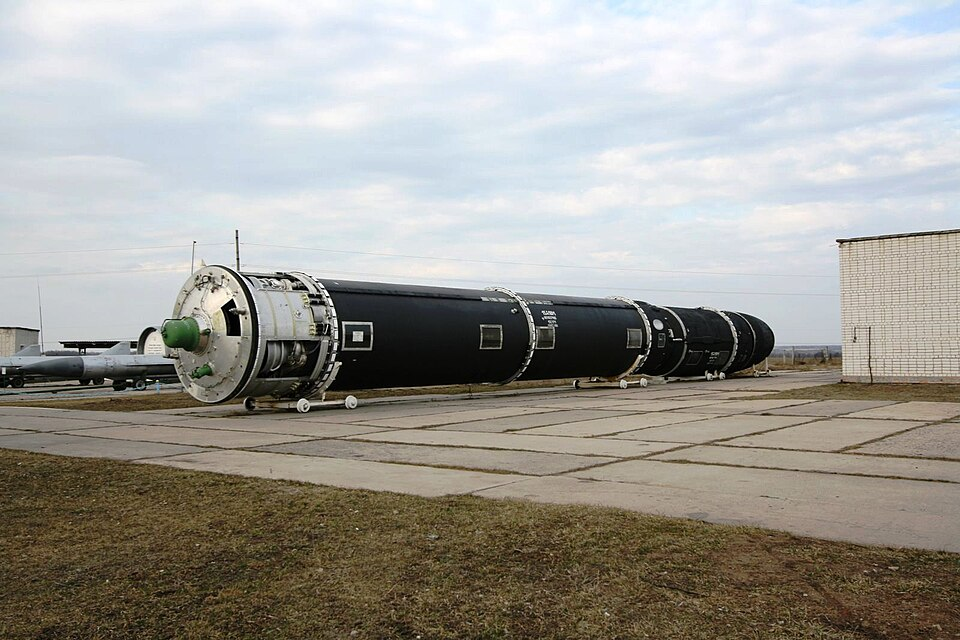
3. A shorter boost phase may have created a harder engineering problem
One of Sarmat’s most ambitious design goals appears to be a shorter boost phase, a feature intended to reduce the time available for detection and tracking during launch. According to analysis of the shortened boost phase, that choice may have forced designers toward a more mechanically stressful propulsion profile. Possible consequences include combustion instability, higher vibrational loads, pogo oscillation, and structural stress concentrated in the missile’s booster section. In other words, a feature meant to improve survivability against missile defense may have made the missile itself harder to keep intact.
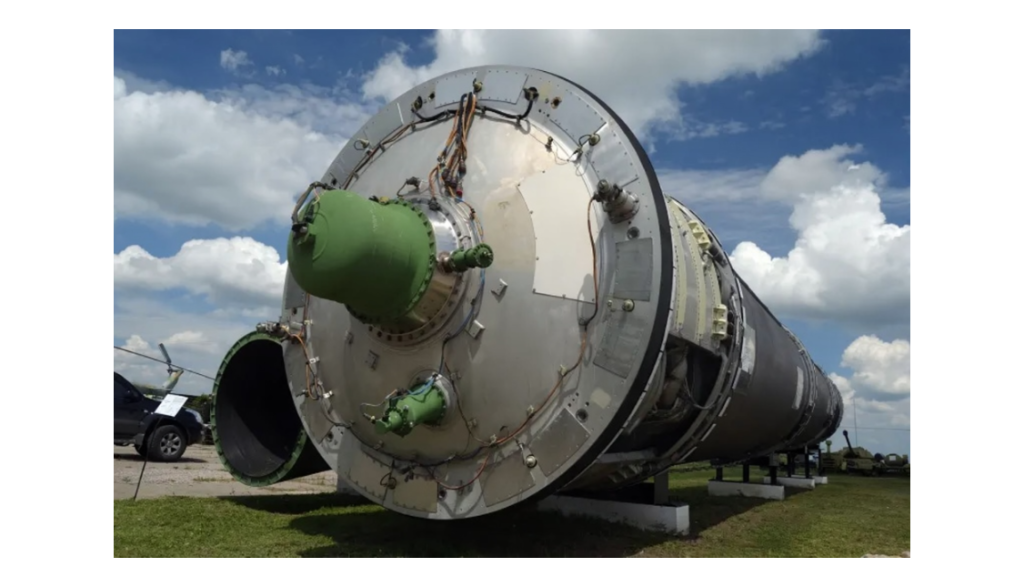
4. Liquid fuel still offers huge payload advantages, but it raises the stakes
Sarmat’s fuel choice reflects a classic tradeoff. Liquid-fueled heavy missiles can deliver exceptional range and payload, which is why they remain attractive for missions involving many warheads, countermeasures, or specialized glide vehicles. But large liquid systems are also mechanically complex, difficult to certify, and unforgiving when something goes wrong at ignition. That helps explain why failure scenes have included major silo damage, burn scars, and toxic propellant signatures.
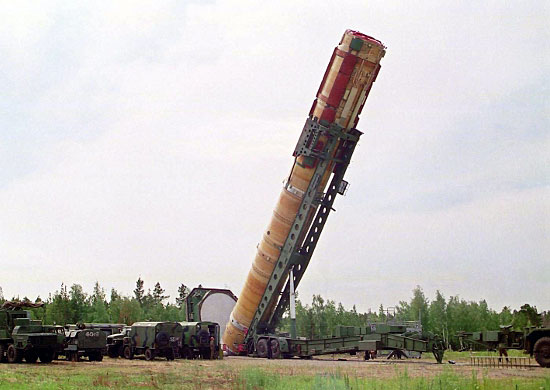
5. Satellite imagery has made missile secrecy much harder to preserve
Strategic programs once benefited from distance, remoteness, and state controlled disclosure. That protection is weaker now. Commercial firms have repeatedly captured high resolution imagery of test site damage, including crater formation, fires, and destroyed launch infrastructure. For strategic systems, visual evidence changes the impact of failure: it no longer remains internal to a military bureaucracy but becomes part of global assessment within days.
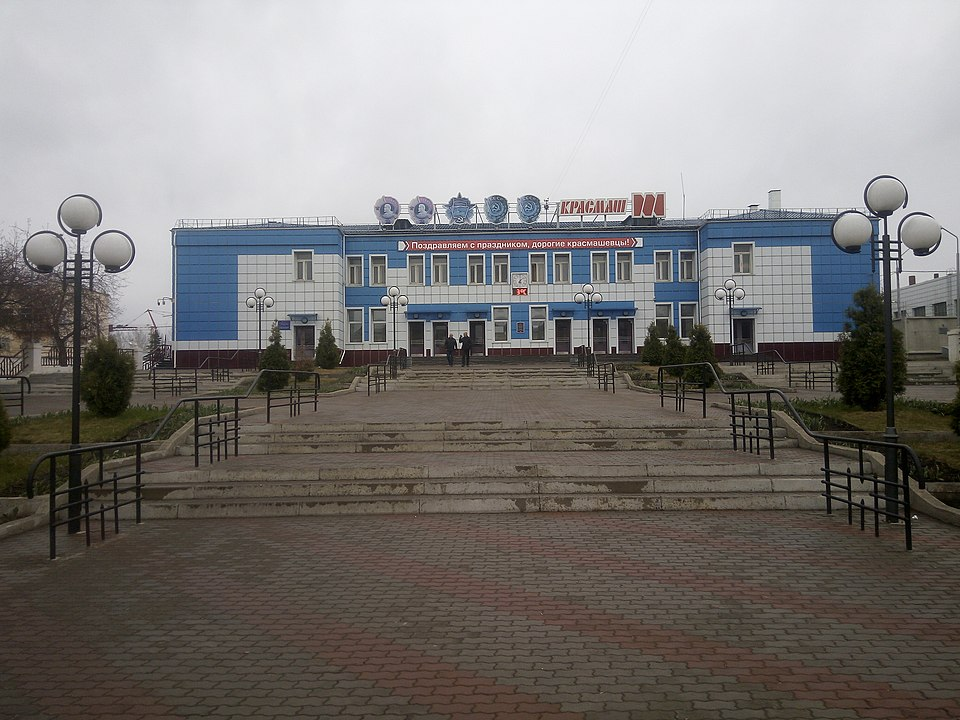
6. Russia’s industrial base appears to be part of the story
Sarmat’s problems have unfolded alongside longstanding concerns about production depth, equipment age, and specialist shortages inside Russia’s missile sector. Earlier reporting on the program tied delays to funding pressure, subcontractor slippage, and aging machinery at Krasmash, while later analysis has flagged workforce strain and bottlenecks in propulsion manufacturing. A large missile can be designed on paper; fielding it repeatedly requires a stable industrial chain, disciplined quality control, and enough experienced engineers to absorb setbacks without compounding them.
7. The loss of Ukrainian support still shadows the replacement effort
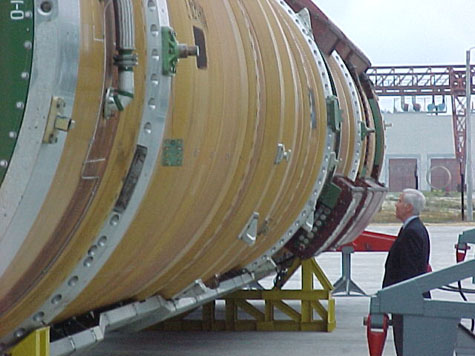
The R-36M2 that Sarmat is meant to replace was built in Ukraine, and its sustainment once depended on technical relationships that no longer exist. Analysts have noted that maintenance support for the older missile fleet became far more uncertain after 2014. That means every delay in Sarmat extends dependence on a legacy system whose support ecosystem has already been broken.
8. The Avangard connection raises the strategic cost of delay
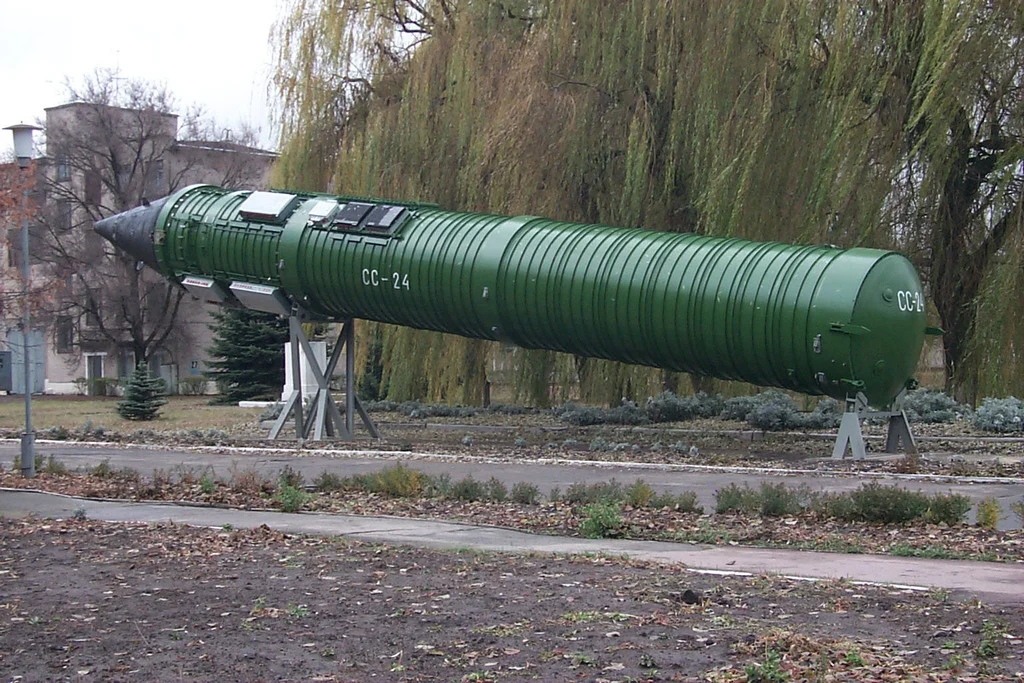
Sarmat is not just another missile body. It was also supposed to serve as an ideal carrier for advanced payload concepts tied to Russian missile-defense penetration strategy. Because Avangard can be carried by heavy ICBMs, delays in Sarmat ripple outward into deployment planning for Russia’s most advertised strategic systems. Substitute arrangements can keep some capability alive, but they do not fully solve the problem of replacing an aging heavy missile class.
9. Heavy silo missiles still shape strategic balance in ways smaller systems do not
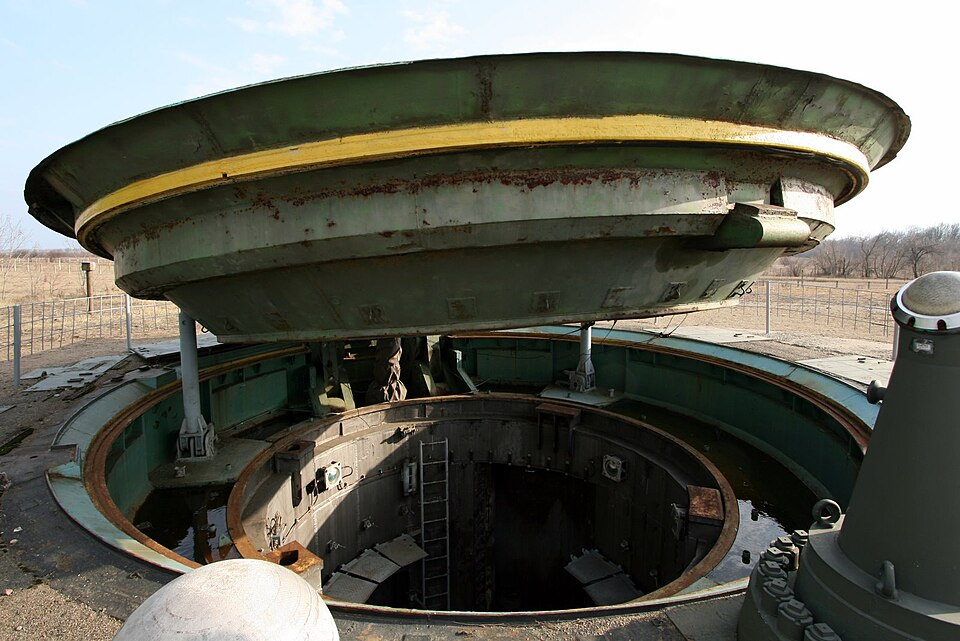
Even in an era of mobile launchers and submarines, a large silo based missile affects how rival nuclear forces are judged. Heavy MIRVed missiles concentrate throw weight in hardened launch sites, provide rapid responsiveness, and alter perceptions of first-strike stability and second strike depth. The broader logic resembles arguments made in debates over the value of a balanced nuclear triad: different delivery systems contribute different kinds of deterrent resilience, and losing confidence in one leg creates pressure elsewhere.
10. Cancellation would solve one problem and create another
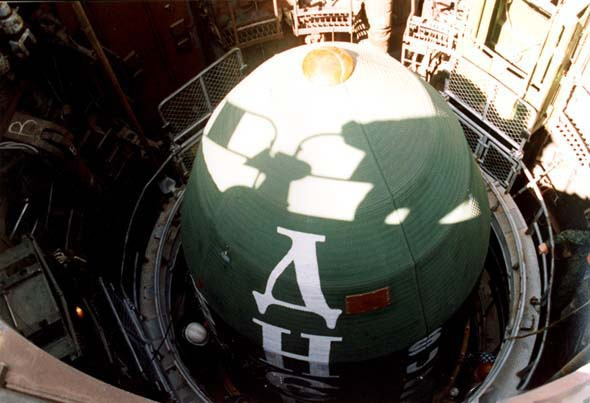
Walking away from Sarmat would remove a failing program, but it would not create a ready made replacement. Russia has smaller mobile missiles and other strategic systems, yet none duplicates the payload and role of a heavy silo based liquid missile. That leaves a difficult choice between extending elderly missiles further, reshaping deployment doctrine around lighter systems, or continuing to invest in a program that has already consumed years and significant resources.
Sarmat’s central lesson is not that large missiles are obsolete. It is that ambitious strategic weapons can become trapped between doctrine and production reality. Russia still appears to want a missile that can carry exceptional payloads, hedge against future missile defenses, and preserve the weight of its land-based deterrent. What the program has shown so far is that wanting that capability and reliably building it are very different things.


