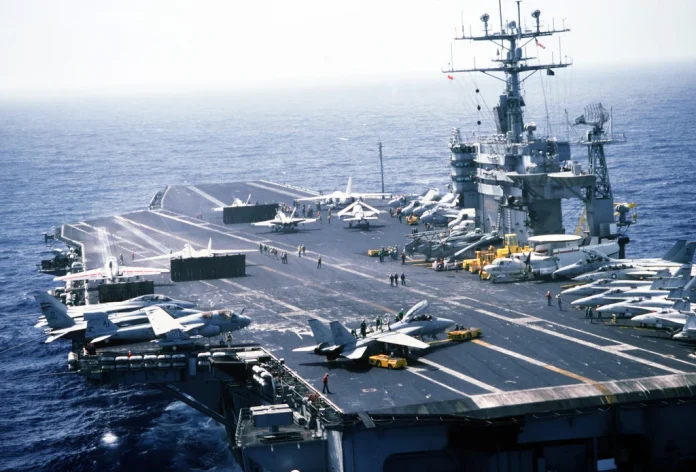
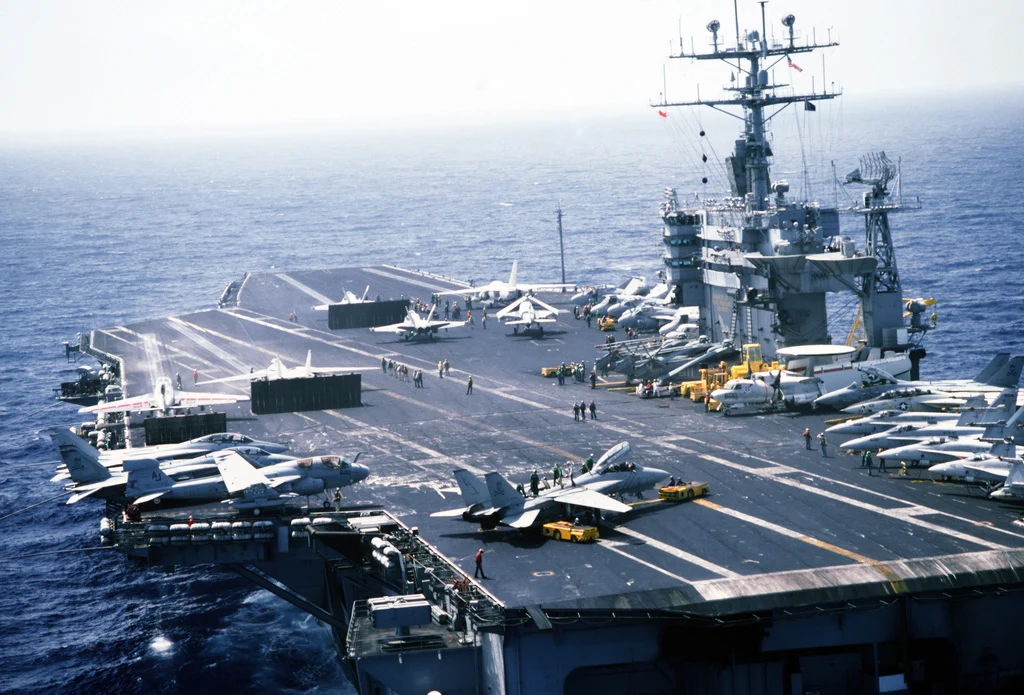
What does a fire in a shipboard laundry space say about a nuclear-powered supercarrier?On the USS Gerald R. Ford, the answer reaches well beyond one damaged compartment. The incident displaced hundreds of sailors, disrupted basic living conditions, and pulled attention toward a larger engineering reality: modern carriers are not defined only by flight operations and strike power, but also by the resilience of the systems and crews that keep them functioning day after day on long deployments.
Speculation around sabotage drew headlines, but the more durable story sits elsewhere. The Ford case highlights how habitability, maintenance strain, fire control design, and the reliability of first-in-class technologies all shape real naval readiness.
1. A Laundry Fire Became a Habitability Crisis
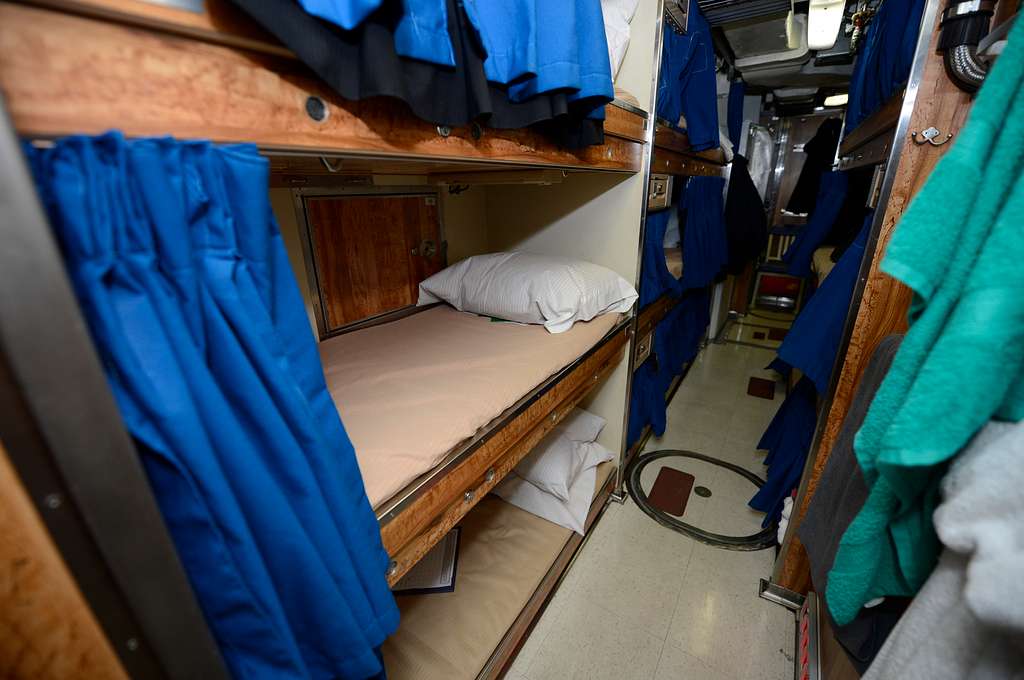
The most immediate impact was not on propulsion or combat power, but on daily life aboard ship. Reporting indicated that more than 600 sailors lost access to their beds after the blaze damaged berthing areas connected to the laundry space. That turned a support-space casualty into a broad morale and endurance problem for a crew operating in an already compressed environment. On a carrier with roughly 4,500 personnel aboard, the loss of sleeping space and laundry capacity is not a minor inconvenience. It affects rest cycles, hygiene, and the rhythm of shipboard work. When a vessel is deep into a lengthy deployment, those disruptions matter because sailors are part of the platform’s operational system, not separate from it.
2. Extended Deployments Increase Mechanical and Human Strain
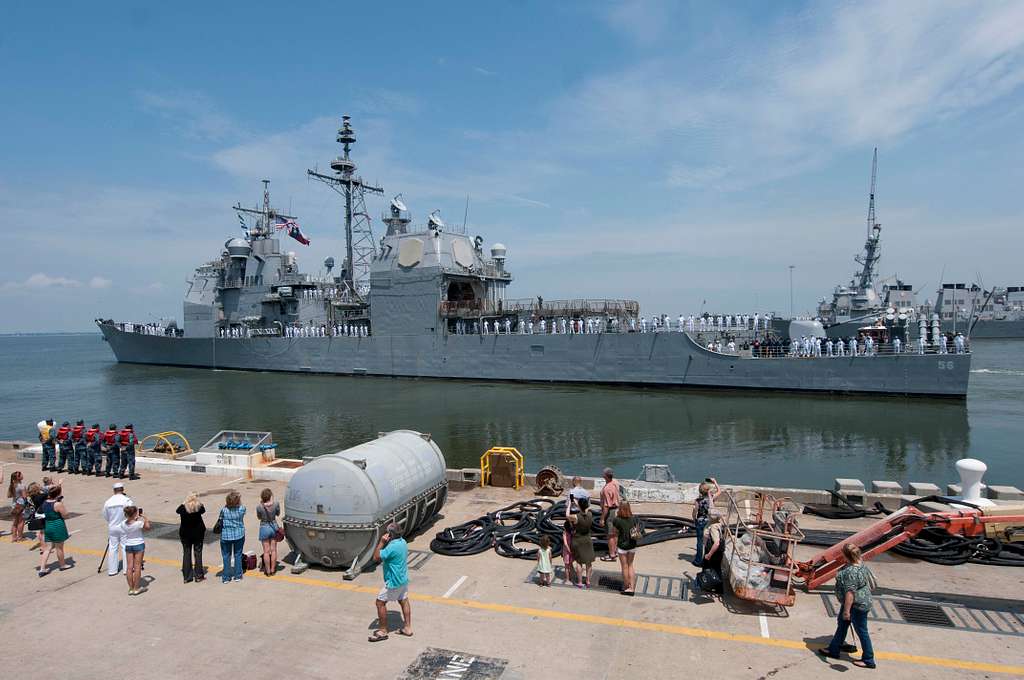
The fire arrived as the carrier approached an unusually long deployment, with coverage describing a timeline nearing or exceeding 11 months at sea. Long cruises do not simply add calendar days. They increase wear on equipment that would normally cycle through maintenance windows, and they intensify the fatigue burden on the sailors responsible for operating and monitoring that equipment. That matters in spaces like shipboard laundries, where heat, lint, motors, ducting, and continuous use create a demanding maintenance environment. A support system running beyond normal tempo can become an unexpected weak point, especially when the crew is also managing other quality-of-life problems in parallel.
3. First-in-Class Complexity Still Shadows the Ford
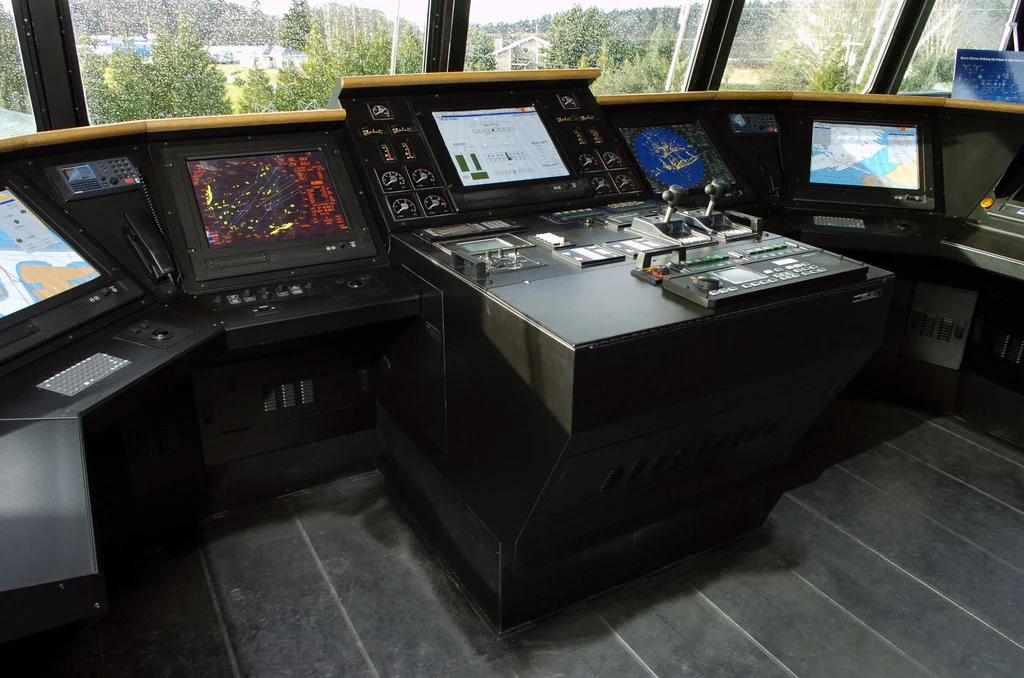
The Ford has long represented a leap in carrier design, but it has also carried the burden of integrating major new systems at once. Earlier oversight found the Navy was still struggling with the reliability of EMALS, Advanced Arresting Gear, and dual-band radar. Those issues are separate from the laundry fire, yet they reinforce a broader point: highly advanced ships can remain vulnerable to readiness friction even when their marquee technologies are intact. A supercarrier is a stack of interdependent systems, from launch and recovery gear down to ventilation, berthing, food service, damage control, and sanitation. When readers focus only on top-line combat capability, they miss how often operational durability depends on the ordinary machinery below the flight deck.
4. Carrier Fire Safety Is Built Around Layered Response
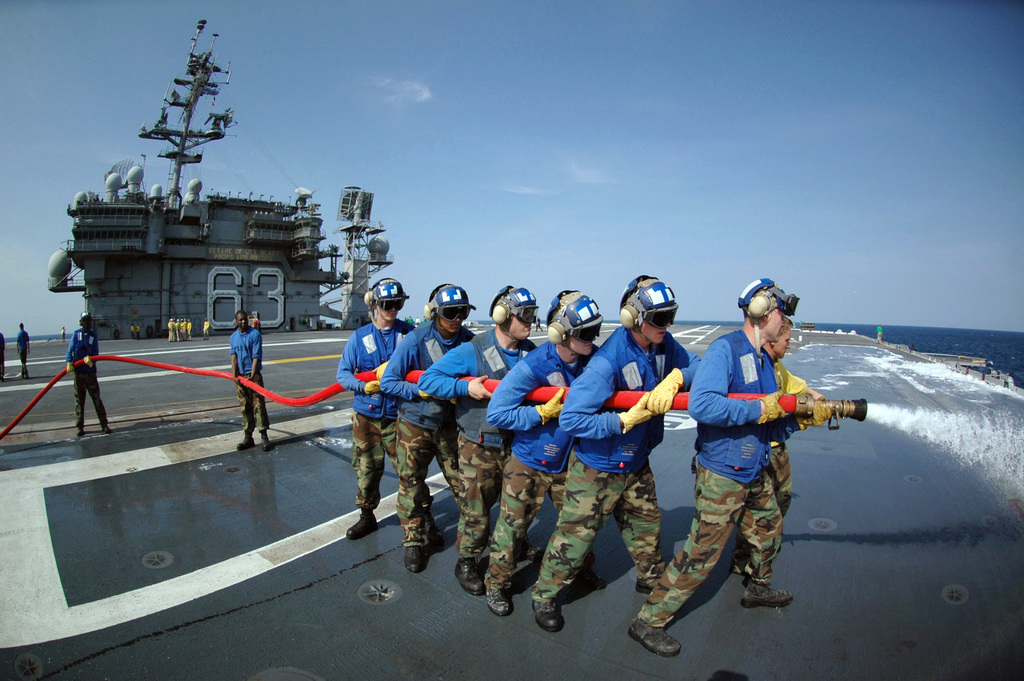
Aircraft carriers are designed with multiple fire-defense layers because confined spaces, fuel, machinery, and round-the-clock operations create little margin for error. U.S. carrier practice has long relied on distributed hose stations, foam capability, mobile firefighting vehicles, and sectional wash-down systems that can isolate and suppress dangerous areas. The logic is straightforward: on a ship, a localized fire can threaten living spaces, operations, and crew movement at the same time.
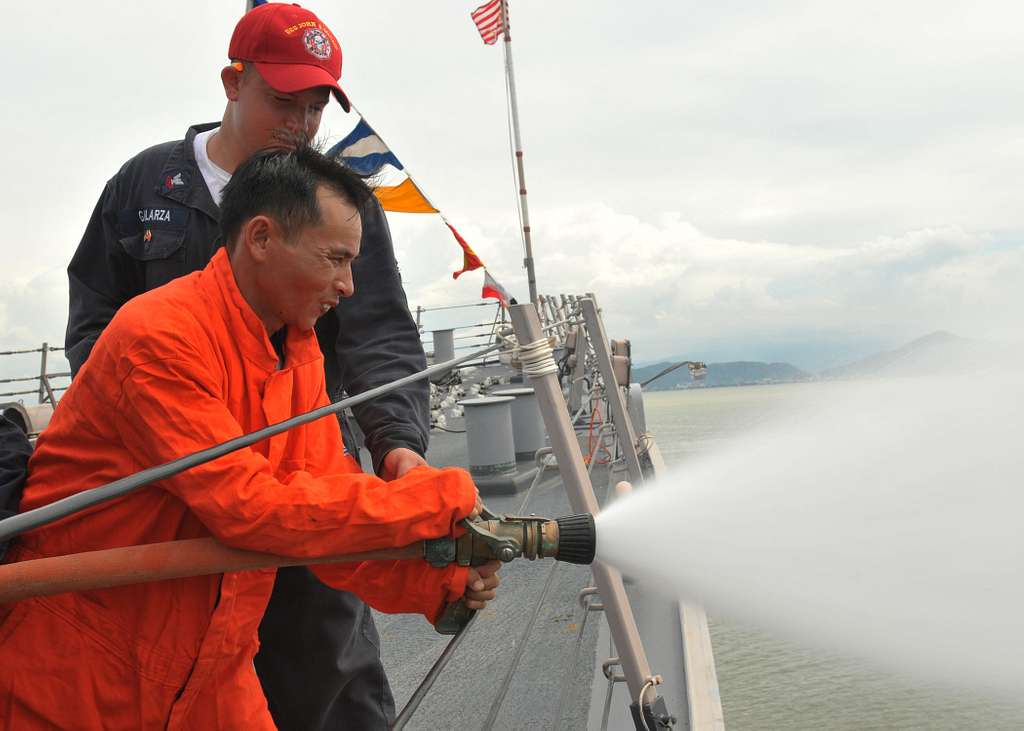
That doctrine was shaped over decades of naval experience and reinforced after historic carrier fire disasters prompted broader training and better onboard suppression systems. The Ford fire did not become a catastrophic loss, and that itself points to the value of containment, compartmentation, and trained response teams working inside a highly engineered damage-control environment.
5. The Sabotage Narrative Traveled Faster Than the Evidence
Some outside coverage pushed the idea that exhausted sailors may have deliberately set the fire, but the available material remained far thinner than the headlines. The reported facts centered on a blaze that began in or near dryer venting in the main laundry area, while commentary about deliberate action leaned heavily on possibilities rather than demonstrated findings.
That gap is significant because technical incidents on warships often attract dramatic explanations before mechanical ones are fully examined. In this case, the more grounded lesson is how quickly a maintenance casualty can be recast into an information conflict of its own, even when the stronger engineering story involves overused equipment, dense shipboard infrastructure, and crew fatigue.
6. Readiness Depends on Living Conditions as Much as Hardware
The Ford remained operational after the fire, and officials indicated propulsion was unaffected. Yet a ship can be technically afloat and tactically available while still carrying serious internal strain. A carrier’s true readiness includes whether its crew can sleep, clean uniforms, move safely through damaged areas, and sustain routines without accumulating more errors. The Ford episode shows how naval power is maintained through both advanced machinery and ordinary support systems. When one of those support systems fails, the consequences can spread quickly through the entire ship.
For a vessel built to project power at long range, that is the deeper engineering lesson: endurance is not only about reactors, catapults, and aircraft, but also about the human and mechanical infrastructure that keeps thousands of people functioning aboard a moving airfield. The incident did not reduce the carrier to a symbol of failure. It exposed how even the Navy’s newest supercarrier remains governed by the oldest realities of complex engineering: heat, fatigue, maintenance, redundancy, and the constant challenge of keeping people and machines aligned under pressure.


