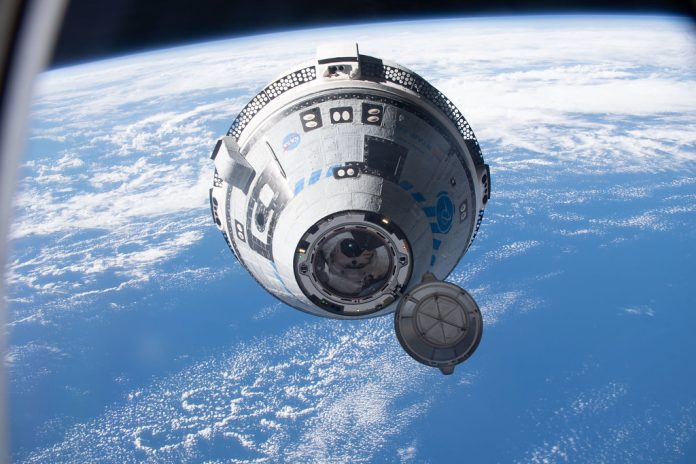
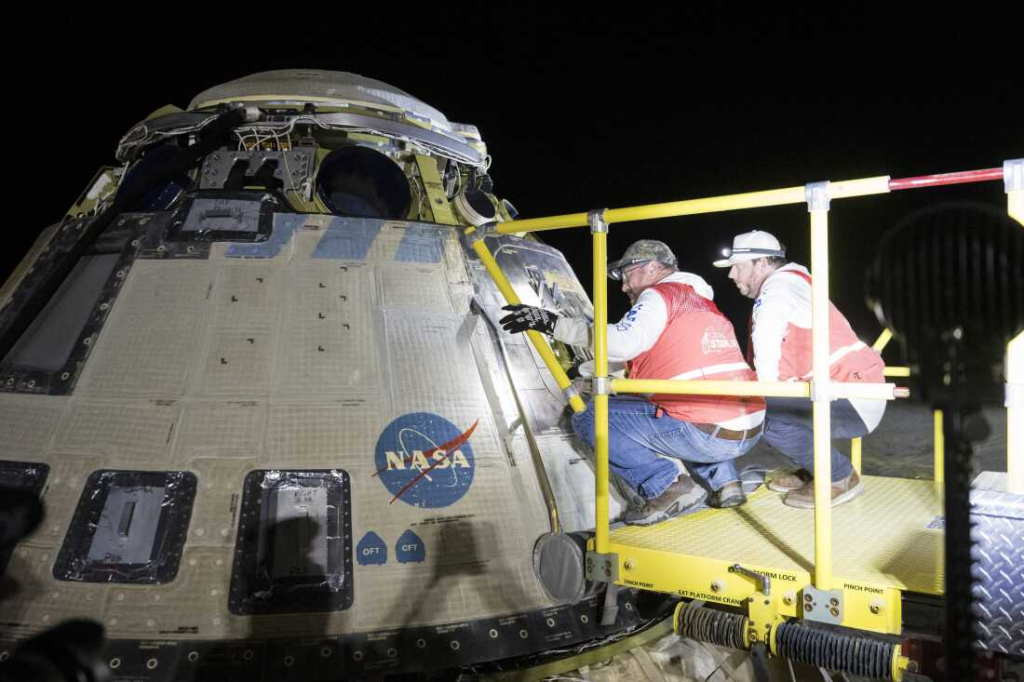
Boeing’s Starliner was supposed to complete a final human-rating milestone and move into routine station service. Instead, its first crewed mission turned into a case study in how a propulsion problem can ripple through spacecraft certification, mission planning, and NASA’s broader strategy for getting people to orbit.
The result is now clear: NASA’s next Starliner mission is set to fly without astronauts, carrying cargo while engineers continue working through the propulsion system’s unresolved questions. That decision says as much about spacecraft development as it does about one troubled flight.
1. The trouble centered on the service module thrusters
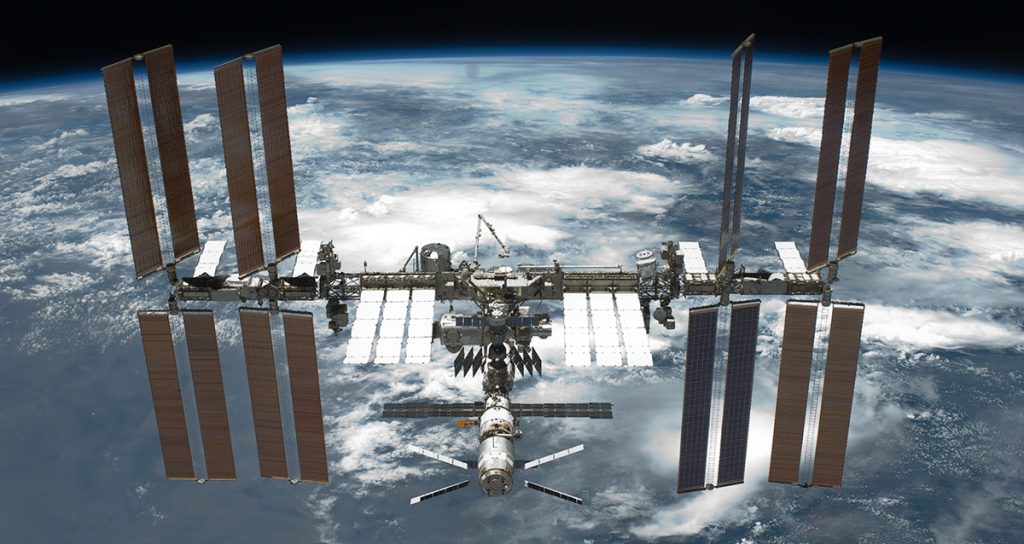
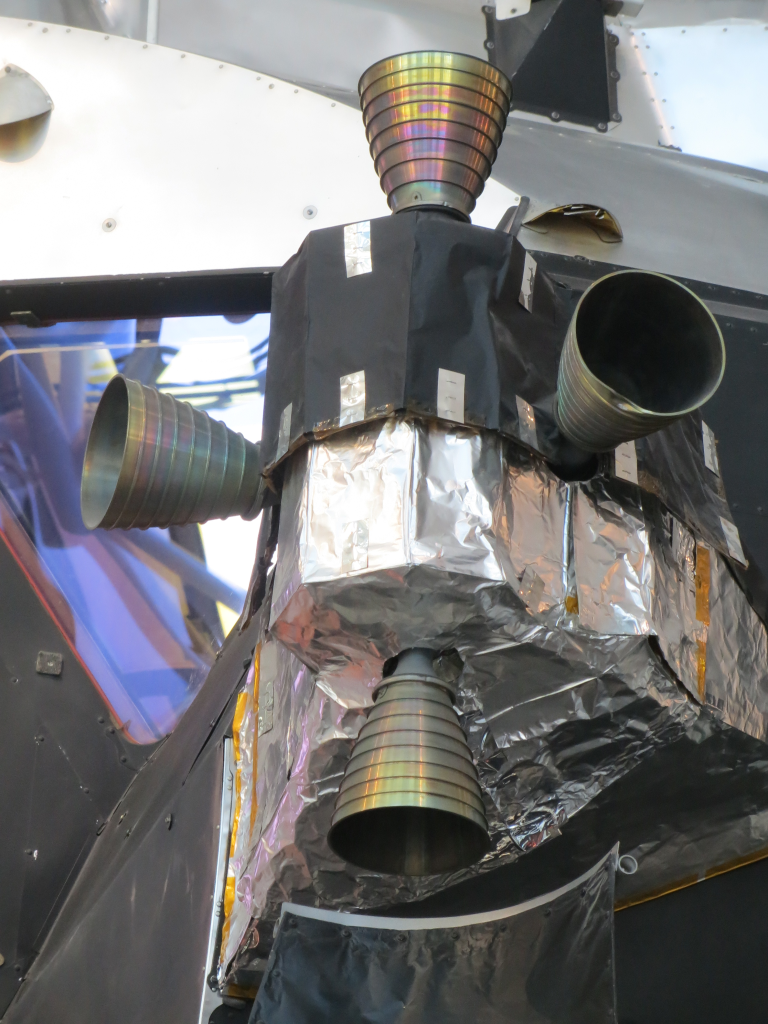
The most consequential failures appeared during Starliner’s approach to the International Space Station in June 2024, when five of its 28 reaction control system thrusters malfunctioned. These thrusters are part of the service module and handle the fine orbital maneuvers needed for rendezvous, docking, and departure.
Four thrusters were eventually restored, allowing the spacecraft to complete docking, but the episode changed the mission immediately. A docking system can tolerate little ambiguity, and any propulsion behavior that appears intermittent becomes far more serious when a crewed return is still ahead.
2. Helium leaks turned a thruster anomaly into a broader propulsion concern
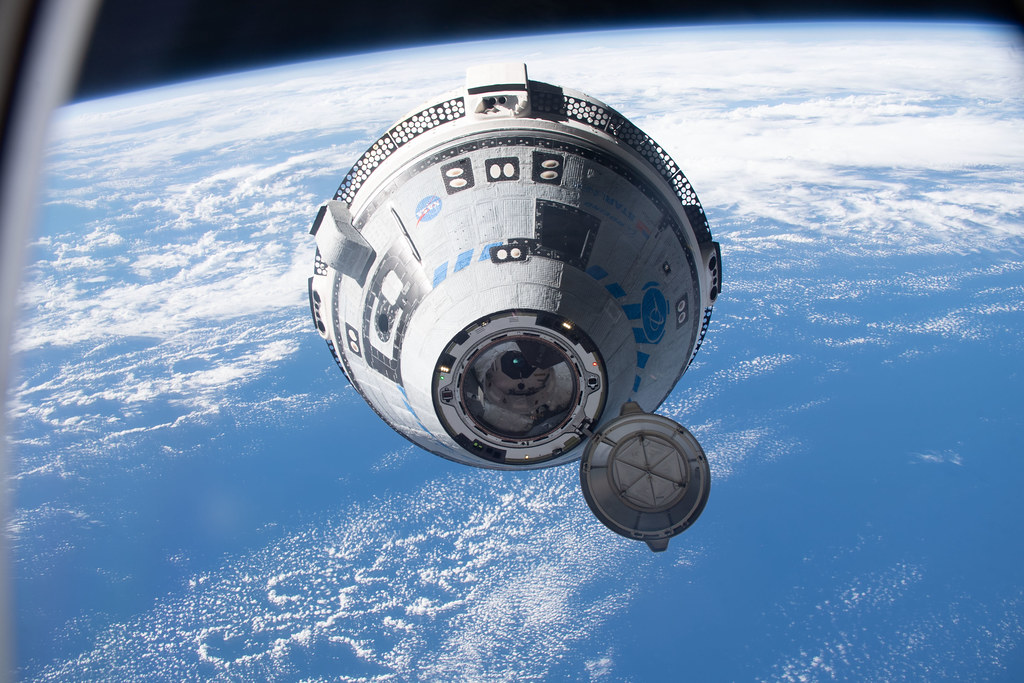
Thruster faults were only half the problem. Starliner also experienced helium leaks in the propulsion system, including one known before launch and additional leaks detected after liftoff. Helium is used to pressurize propellant tanks, so even slow leakage matters because it affects confidence in the plumbing and valve system over time. NASA said leak rates did not immediately rise to a mission-ending level, but the combination of leaking helium and erratic thruster behavior made the propulsion system harder to certify for a crewed trip home.
3. Ground tests pointed to heat-sensitive seals inside the valves
Investigators used hardware and test campaigns at White Sands to reproduce the docking environment. The emerging explanation centered on thermal degradation and swelling of Teflon seal components inside the thruster valves. That matters because the failure was not framed as a simple broken part. The problem appears tied to how the thrusters were fired, how heat accumulated in the “doghouse” enclosures, and how material behavior changed under repeated pulses and solar heating. In other words, the anomaly sat at the intersection of design, operating environment, and qualification assumptions, which makes corrective action more involved than swapping hardware.
4. NASA could not fully close the gap between test data and flight behavior
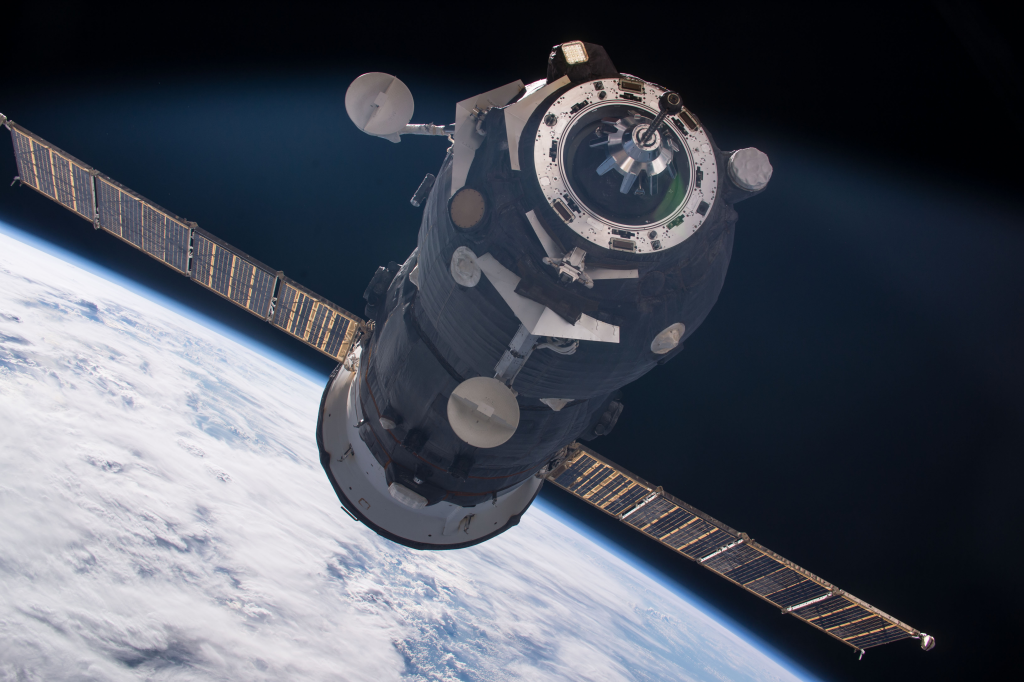
Engineers did not stop at bench work. They also performed in-space firings while Starliner remained docked to the ISS, trying to understand whether the spacecraft’s propulsion system behaved consistently after the docking incident. Even so, NASA officials publicly acknowledged limits in what testing could prove. As Commercial Crew Program manager Steve Stich said, the team “can’t totally prove with certainty what we’re seeing on orbit is exactly what’s been replicated on the ground.” That uncertainty became one of the defining factors in the decision to avoid a crewed return aboard Starliner.
5. The spacecraft returned safely, but not with the astronauts aboard
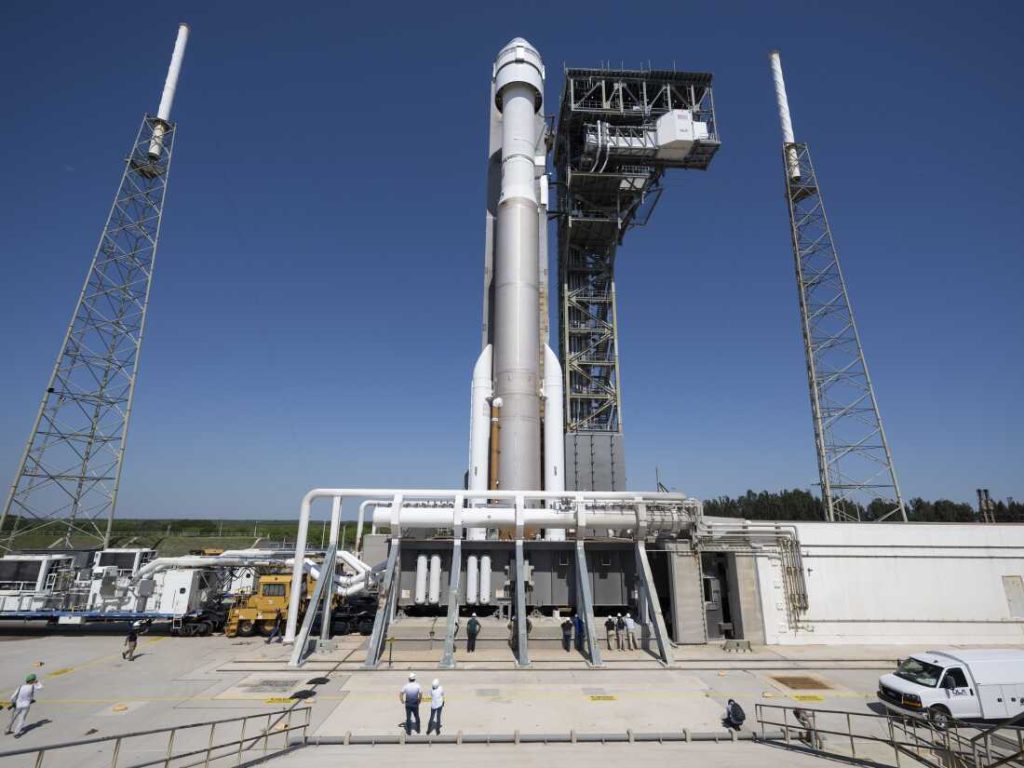
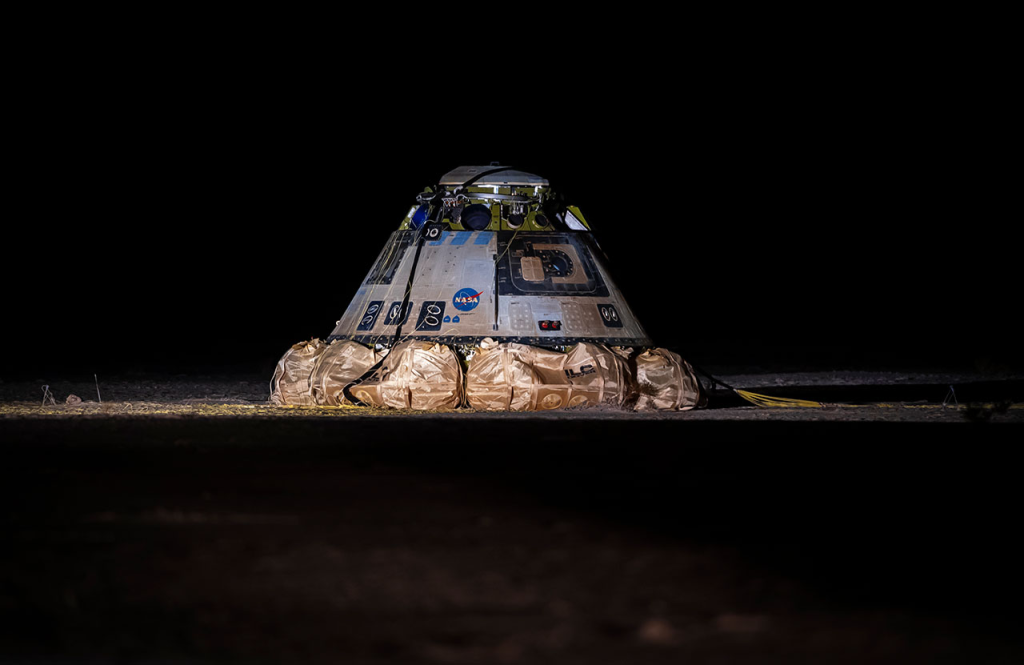
The crew flight test had been planned as a short mission. Instead, NASA chose to bring Starliner back to Earth uncrewed and leave Butch Wilmore and Suni Williams aboard the ISS until they could return on another spacecraft.
That decision was less about whether Starliner could land and more about whether its propulsion system could be trusted across the full return profile with astronauts on board. The capsule did complete an uncrewed landing in New Mexico, preserving useful engineering data, but the human-rating question remained open.
6. NASA reshaped station logistics to absorb the problem
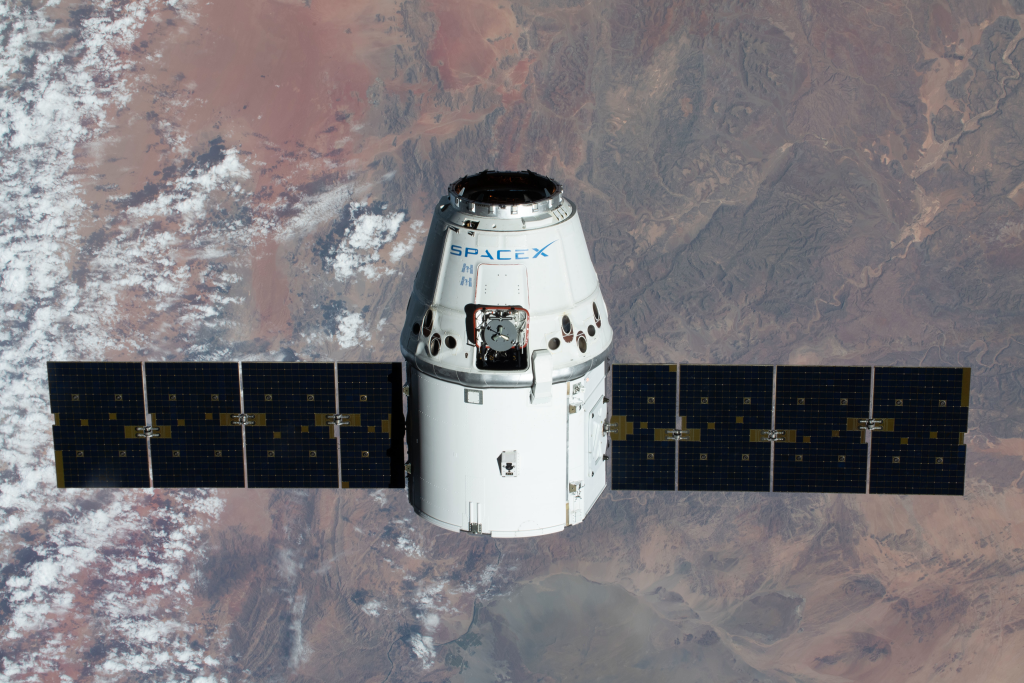
Once Starliner was removed from the crew return plan, NASA had to rework the next rotation mission. A SpaceX Dragon flight was adjusted to launch with two empty seats so Wilmore and Williams could come home later.
That workaround showed why NASA wanted two independent American crew transport systems in the first place. It also showed what happens when only one is fully operational: station scheduling tightens, crew rotation flexibility narrows, and a single technical issue can spill across multiple missions.
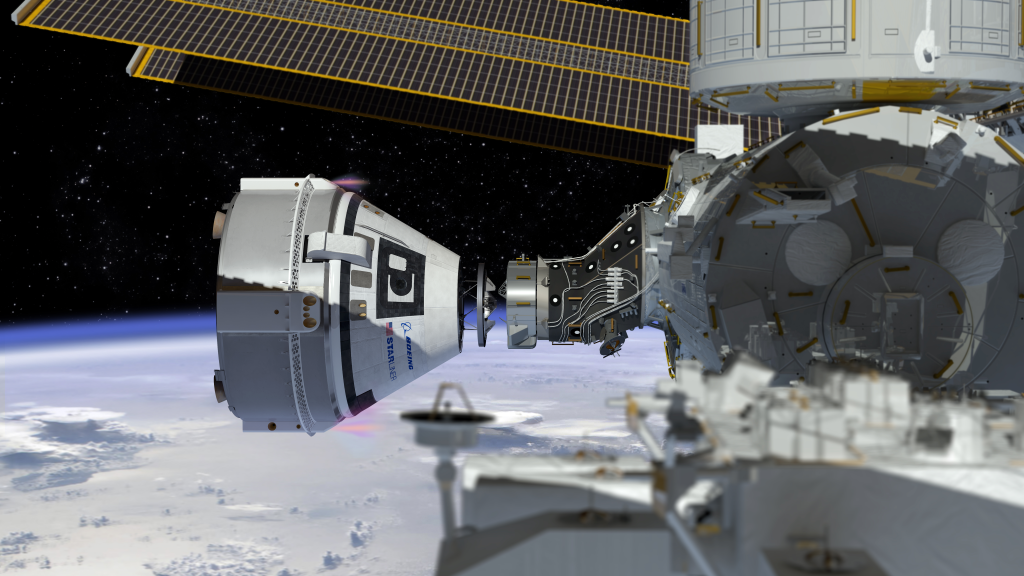
7. The next Starliner mission became a cargo flight because certification is still unfinished
NASA later confirmed that the next Starliner mission will carry only cargo, with the agency targeting no earlier than April 2026. The revised plan also modifies expectations for how Starliner fits into the remaining years of ISS operations.
That is a notable shift Starliner was developed as a crew vehicle, yet its next assignment is effectively a risk-reduction exercise wrapped inside a station logistics mission. Cargo can still validate spacecraft performance, but without placing astronauts inside a system that has not yet fully regained NASA’s confidence.
8. The program’s deeper challenge is verification, not just repair
Starliner’s history already included software problems on its 2019 uncrewed test, valve issues before a later launch attempt, and rework involving parachute and wiring concerns. The 2024 propulsion failures therefore landed in a program already carrying a long corrective-action trail. A 2020 Aerospace Safety Advisory Panel report had warned about systems engineering and integration weaknesses after the first orbital flight test. The current propulsion investigation fits that larger pattern: not simply whether one subsystem failed, but whether the program’s test and verification process fully captured how the spacecraft would behave in real flight conditions.
That is the larger engineering lesson behind NASA’s cargo-only decision. Starliner does not just need a fix that works in isolation; it needs a fix that survives integrated testing, mission operations, and certification scrutiny. For NASA, the uncrewed test path preserves an important objective: keeping Boeing in the Commercial Crew framework while safety margins are rebuilt methodically. For Starliner, the next flight is no longer just another mission. It is a demonstration that the spacecraft’s propulsion system can finally behave predictably enough for people to trust it again.


