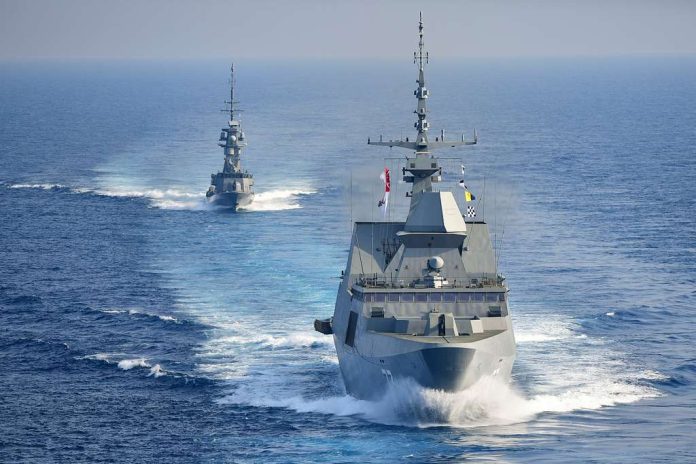
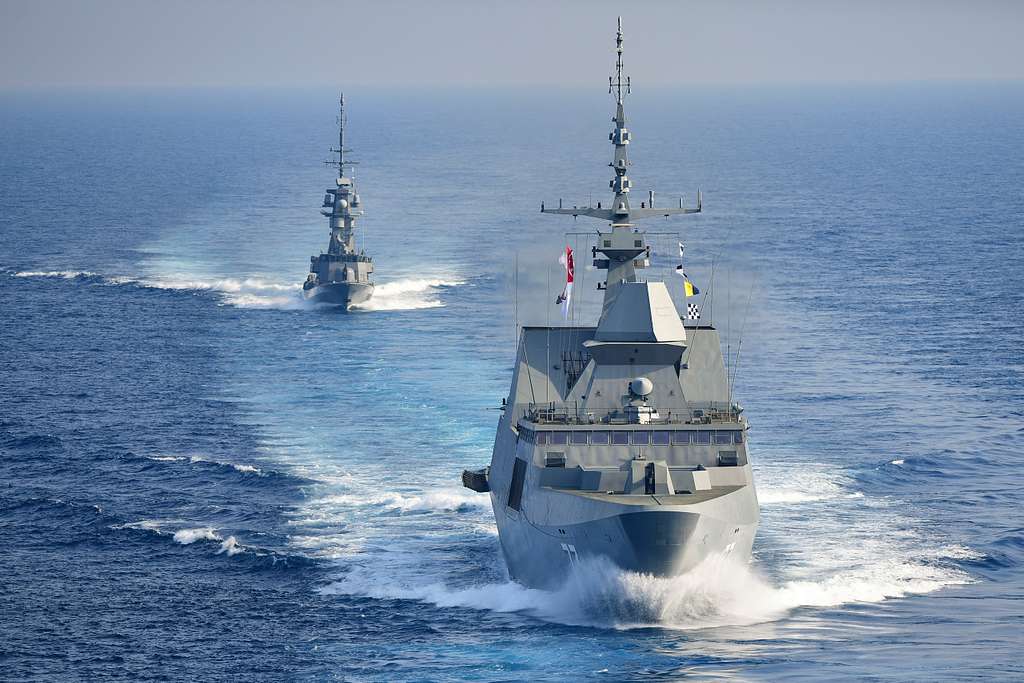
The U.S. Navy’s abandoned Constellation-class frigate program was supposed to solve a familiar problem: how to add a capable small surface combatant without waiting through another decade of clean-sheet design work. Instead, the effort became a case study in what happens when a ship meant to be adapted from an existing hull turns into a different vessel before the design is stable.
The result was larger than a canceled class. It forced a reset in how the Navy appears to be thinking about frigates, industrial capacity, and the tradeoff between combat density and producibility.
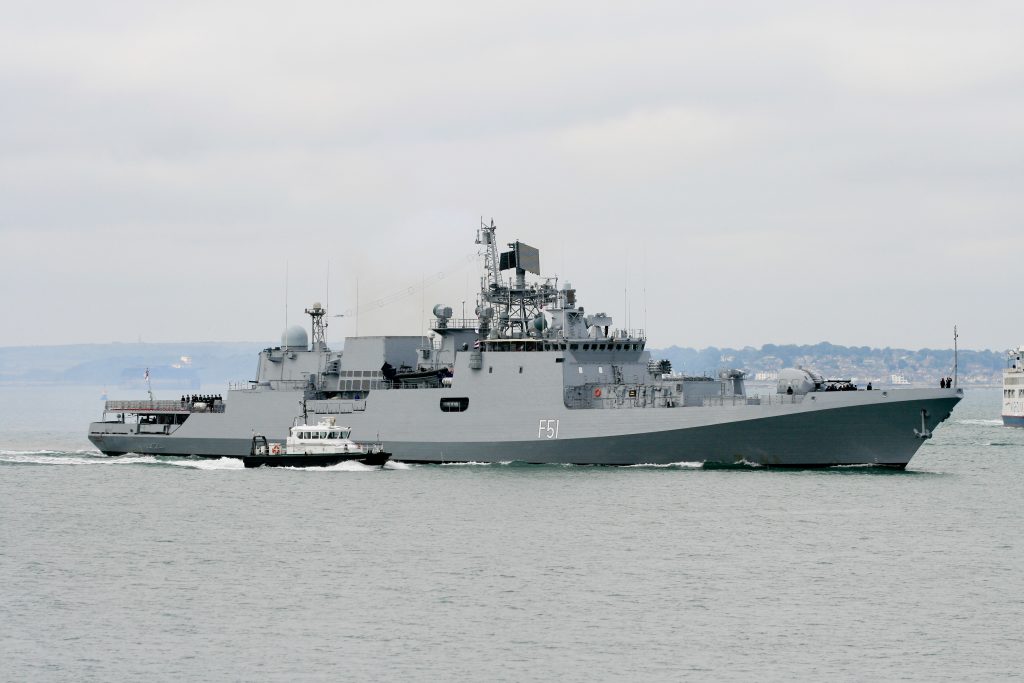
1. The program failed because the “existing design” stopped being existing
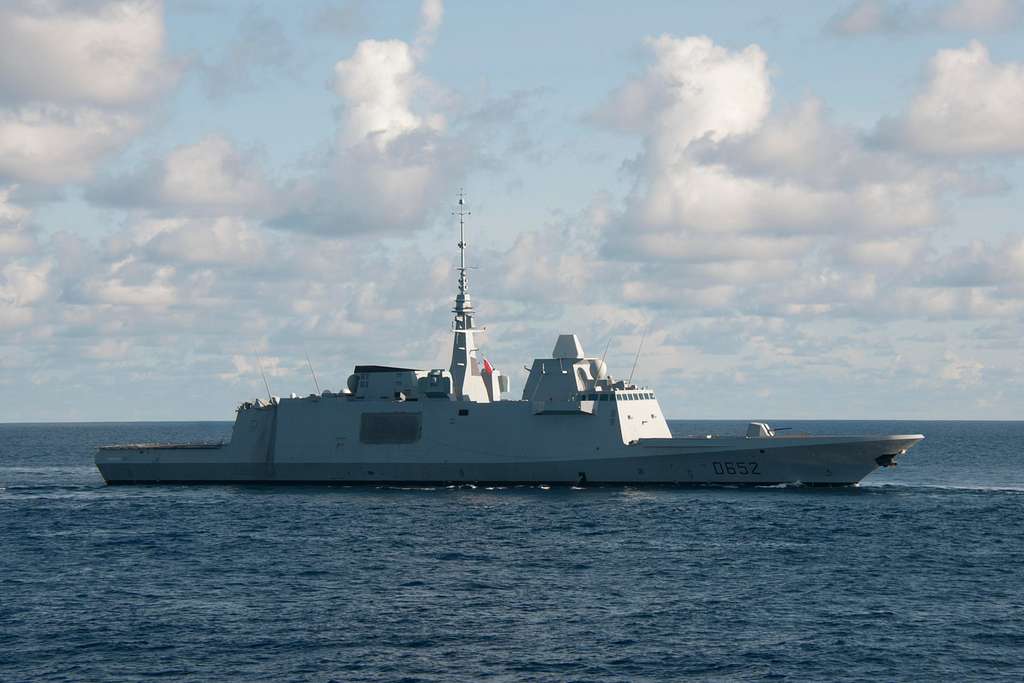
The original appeal of Constellation was straightforward: start from the European FREMM frigate, preserve high commonality, and avoid the technical churn that often delays new warships. That logic weakened as the design diverged. What began with an 85 percent commonality goal reportedly shrank to about 15 percent commonality, undermining the central risk-reduction strategy. That mattered because the Navy was not merely adjusting software or swapping sensors. The hull grew, the bow changed, the superstructure changed, and the ship took on substantial extra displacement. Once a derivative design drifts that far from its parent, the acquisition logic changes with it.
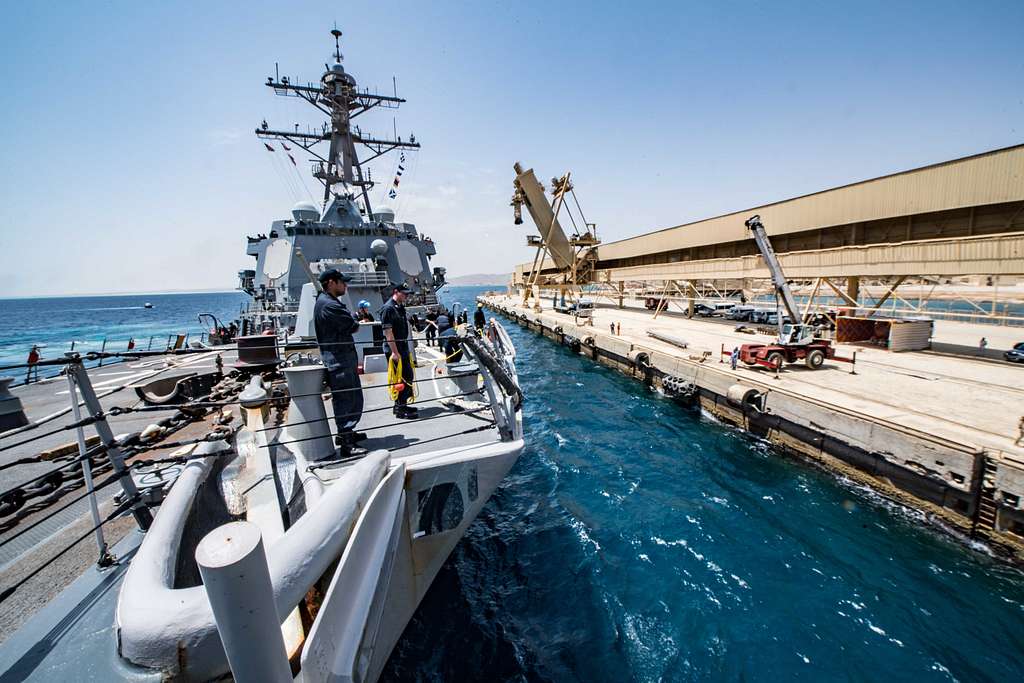
2. Weight growth was not a side issue
Constellation’s added mass became the clearest sign that the design was slipping away from its original promise. The main article highlights a 500-ton increase, but later oversight reporting described 759 metric tons of weight growth from initial estimates. For a warship, that is not just an accounting problem. Extra weight can squeeze speed margins, future upgrade capacity, and service-life flexibility. A frigate intended to carry major combat systems such as Aegis, EASR, and a 32-cell Mk 41 vertical launch system already operates in a tight balance between power, stability, and growth room. Once that balance shifts, every later modification gets harder.
3. The Navy was trying to build a frigate with destroyer-adjacent expectations
Constellation was not conceived as a patrol ship with modest defenses. It was designed to operate near the high end of fleet operations, escort larger formations, contribute to air defense, and support anti-submarine warfare with a serious weapons and sensor package. In effect, the Navy wanted a smaller combatant that could still bring notable firepower and integration into carrier strike group operations. That ambition helps explain why the ship kept moving away from its parent design. U.S. survivability standards, combat system integration, and broader mission demands all pulled the frigate toward greater complexity. The program’s collapse therefore says as much about requirements discipline as it does about ship design.
4. Building before the design settled deepened the problem
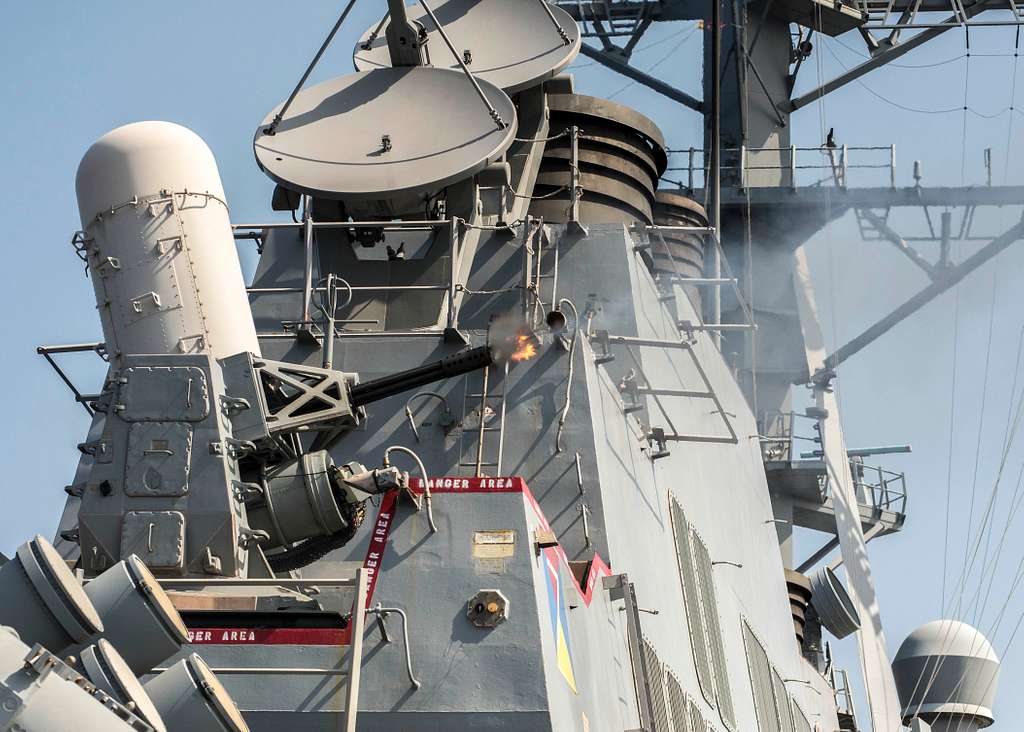
One recurring criticism in the reference material is concurrency: starting construction before design work is sufficiently mature. That pattern has burdened more than one Navy program, and Constellation became another example. As oversight reviews noted, the design was still being stabilized even after work had started. A ship under construction with an unfinished design is rarely just late. It becomes a moving target for engineering changes, production planning, and supplier coordination. That compounds cost, invites rework, and makes each schedule milestone less trustworthy than the last.
5. Cancellation did not remove the frigate requirement
The Navy still needs small surface combatants in significant numbers. USNI reported the service retains a requirement for 73 small surface combatants, which means the end of Constellation did not erase the underlying operational demand. It simply reopened it. That is why the cancellation landed as a capability and industrial problem at the same time. The fleet still needs escorts and presence ships, while the shipbuilding base still needs steady work, skilled labor retention, and realistic designs that can move from paper to water without a spiral of changes.
6. FF(X) represents a different philosophy, not just a replacement hull
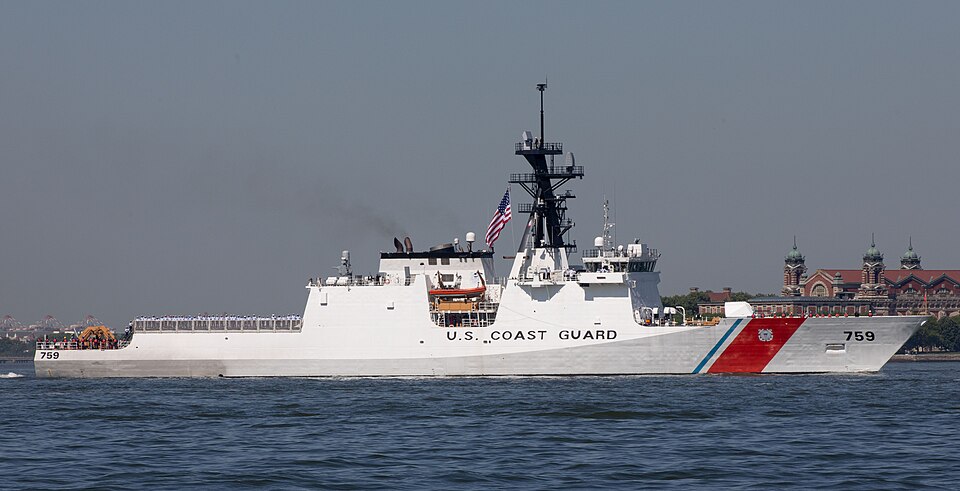
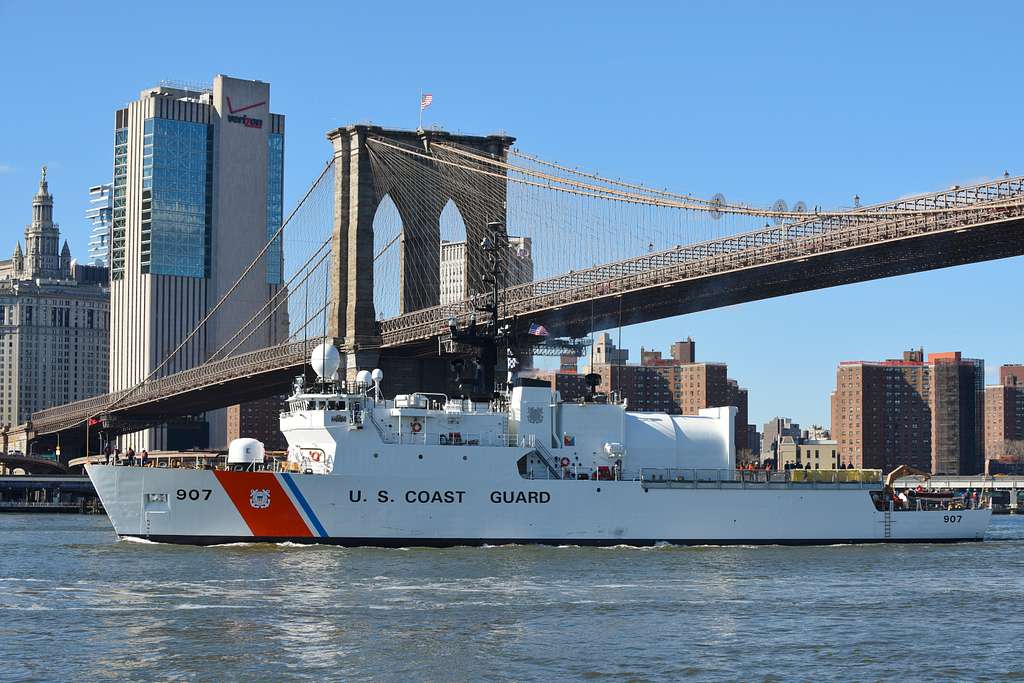
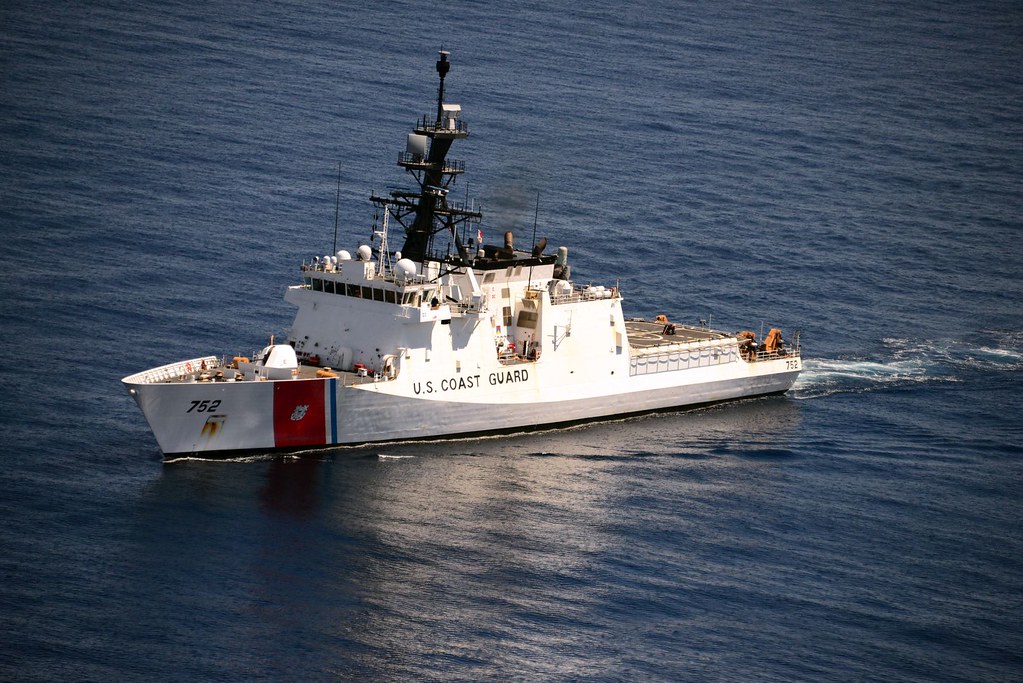
The emerging FF(X) concept marks a visible shift in priorities. Rather than preserving Constellation’s heavy combat orientation, the Navy moved toward the Coast Guard’s Legend-class National Security Cutter hull as the basis for a more producible frigate. The emphasis is speed of construction, lower technical risk, and modularity rather than maximum built-in combat power.
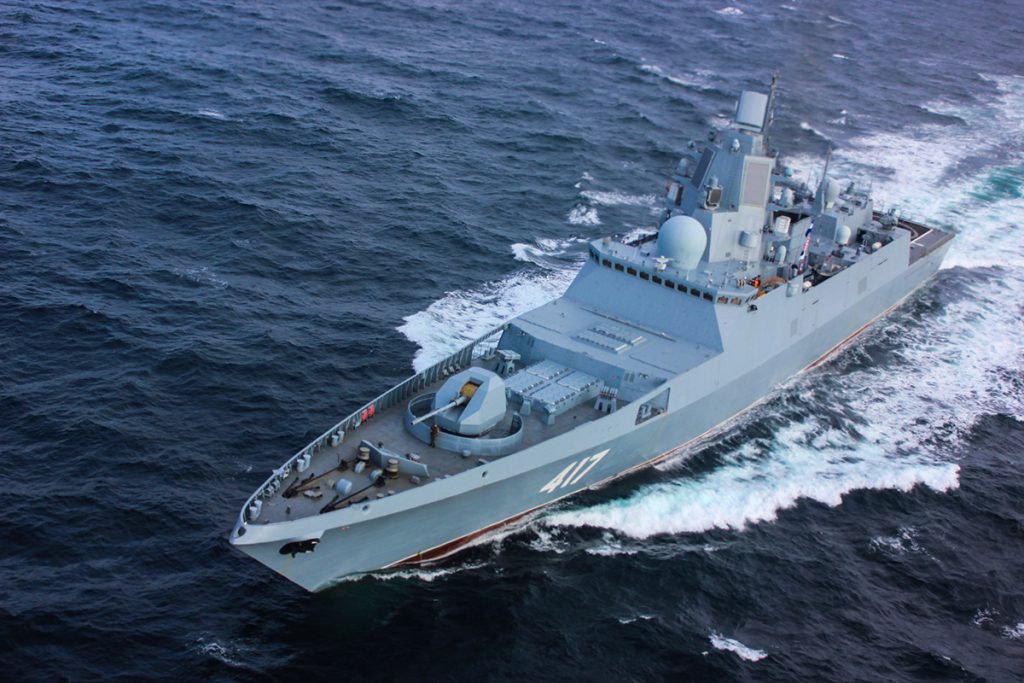
That shift is consequential. A cutter-derived frigate can support escort, patrol, maritime security, and distributed operations, but it reflects a different answer to the Navy’s long-running question: should a frigate be a compact fleet combatant, or a flexible ship that frees destroyers for harder missions?
7. The industrial lesson may outlast the ship itself
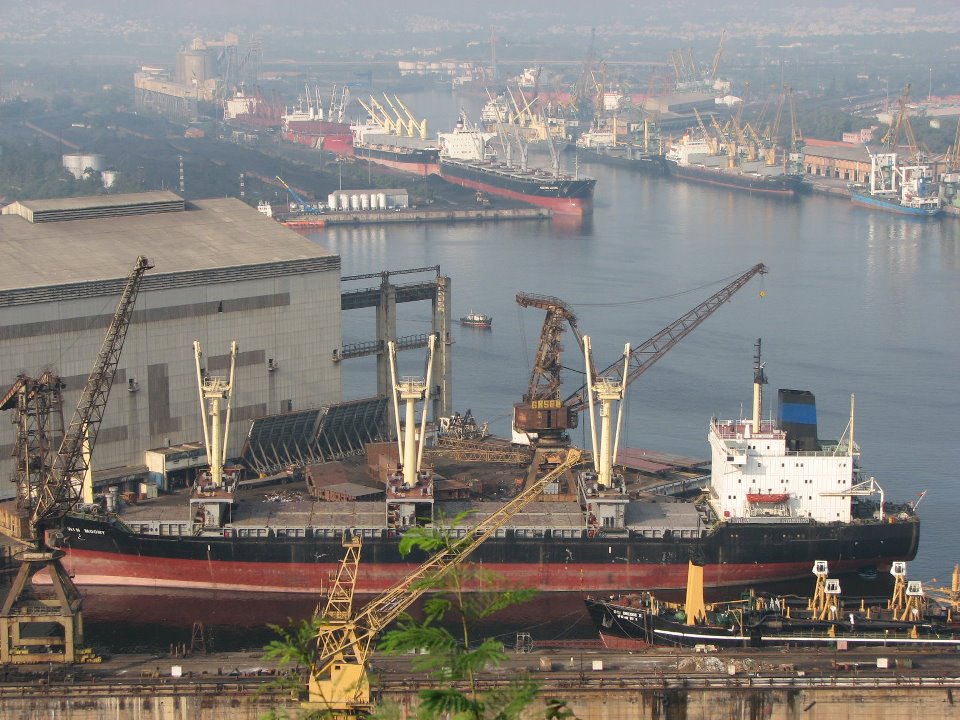
The Constellation cancellation also exposed how tightly ship design, workforce continuity, and yard health are linked. Two hulls were allowed to continue in part to preserve labor and keep the Marinette yard viable for future work. That decision shows the Navy is no longer dealing only with program performance; it is managing an industrial ecosystem in which a failed class can ripple outward for years.
For future surface combatants, the hardest lesson is not that adaptation failed. It is that adaptation without strict control over requirements, design maturity, and production timing can reproduce the same delays and overruns it was meant to avoid. The frigate that was supposed to arrive quickly instead became another reminder that naval power depends as much on disciplined engineering as on ambition.


