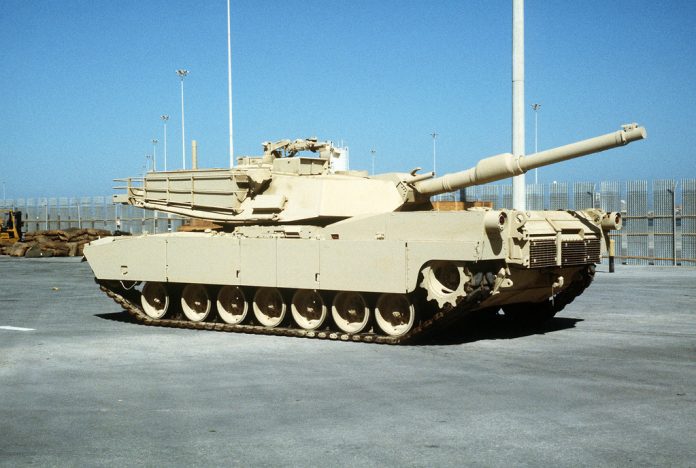
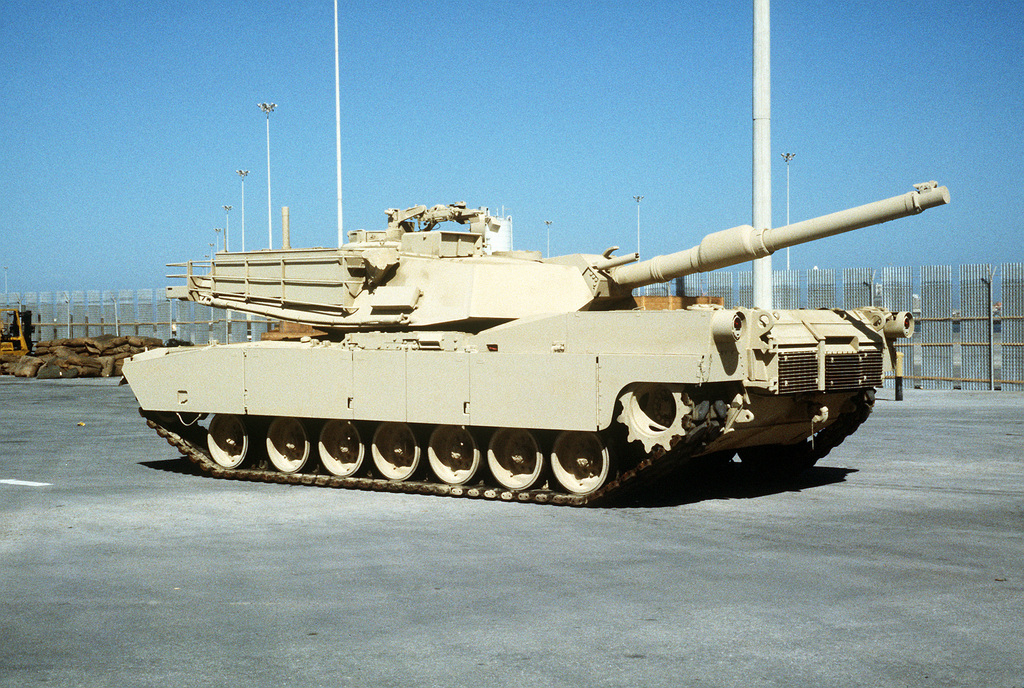
The Abrams entered Ukraine carrying the aura of a classic main battle tank: heavy armor, high-end optics, and the symbolic weight of Western industrial power. Around Pokrovsk, that image collided with a battlefield where small drones, persistent aerial surveillance, and rapid field improvisation set the pace.
The most revealing lesson is not that tanks disappeared. It is that tanks had to change faster than their original designers expected. The adaptations seen on Ukrainian Abrams near Pokrovsk point to a broader engineering shift that now reaches far beyond one front.
1. Overhead protection became as important as frontal armor
Pokrovsk reinforced a simple truth of drone warfare: the vertical axis is no longer a secondary concern. FPV systems and drone-dropped munitions pushed crews to protect turret roofs, hatches, and other upper surfaces that older armor philosophies treated as less exposed. That pressure produced increasingly elaborate anti-drone screens, including new production-standard anti-drone armor screens fitted to Ukrainian Abrams. The significance was not aesthetic. It was architectural. The tank’s most dangerous threat path had shifted from head-on engagement to top attack.
2. Survivability became a layered engineering problem
No single add-on solved the problem. The Abrams adaptations showed an emerging stack of defenses: cage structures, explosive reactive armor, smoke, electronic warfare, concealment, and movement discipline. Each layer covered part of the tank’s exposure, but none could guarantee immunity. This is where the Pokrovsk experience became larger than one vehicle type. U.S. work on modular protection, including systems that combine sensors, jammers, interceptors, and signature reduction, reflects the same lesson. In a drone-saturated environment, survivability depends on multiple overlapping systems rather than one breakthrough technology.
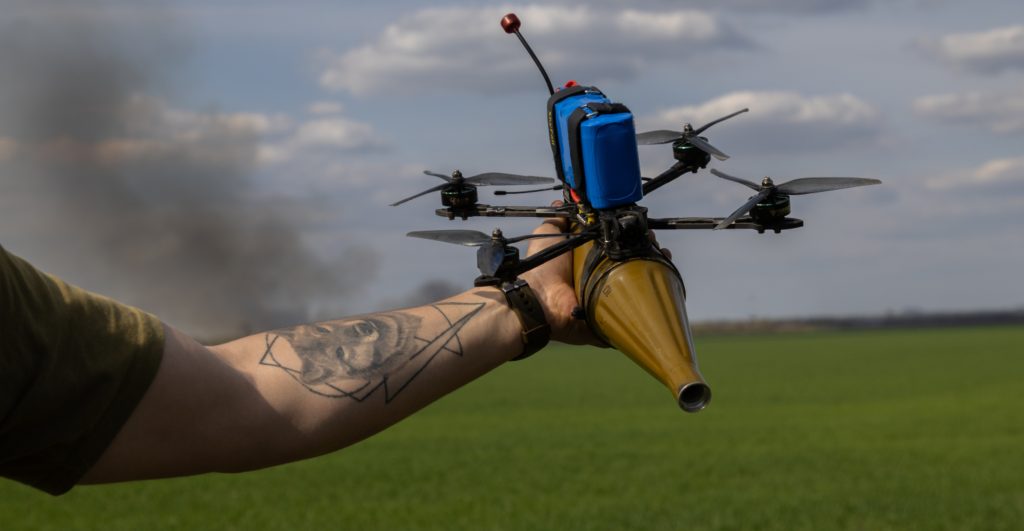
3. Cheap attack systems can distort the economics of armored warfare
The drone war did not make tanks irrelevant, but it did break older cost assumptions. A small FPV platform assembled from commercial-grade components can threaten equipment that takes years to build and immense logistical effort to sustain. That imbalance is why militaries are focusing on mass, not just quality. Estimates cited in recent analysis place direct-attack drones at up to 90 percent of Russian vehicle losses in some sectors. Pokrovsk underscored what that means operationally: every armored move must now account for swarms of inexpensive hunters.
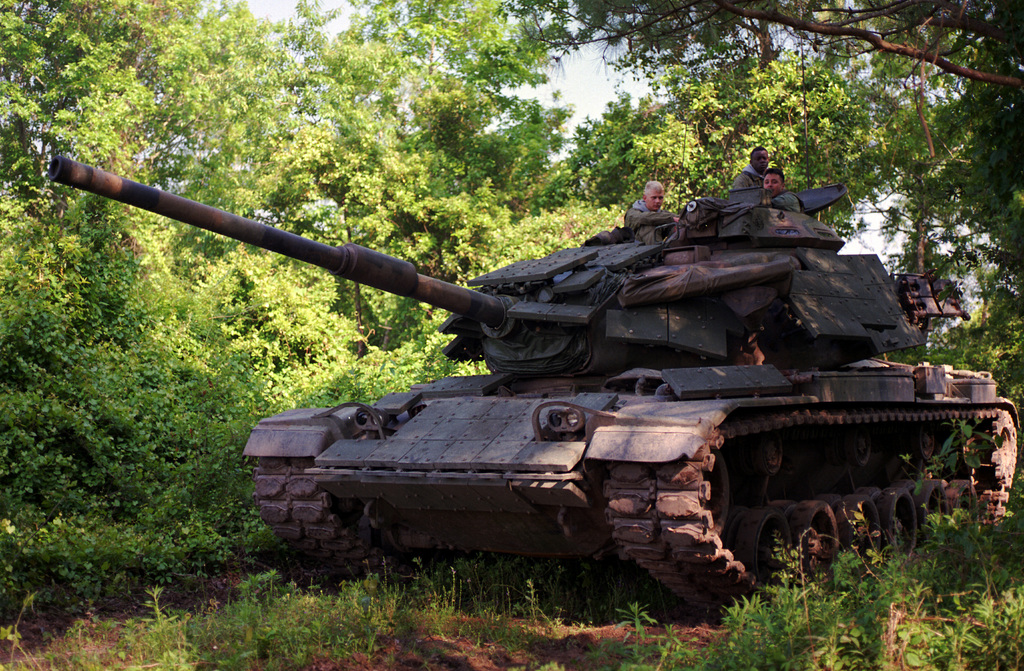
4. Field modification cycles now move faster than formal procurement
The Abrams was never meant to wear a hybrid of Western and Soviet-era protective concepts, yet that is exactly what emerged. Ukrainian examples appeared with factory-made anti-drone screens and additional Kontakt-1 tiles layered over existing protection arrays. That speed matters. In older procurement cultures, vehicle protection evolved through long testing and acquisition cycles. Around Pokrovsk, battlefield adaptation moved at workshop tempo. Steel fabricators, unit engineers, and crews became part of the design loop, compressing the distance between threat discovery and hardware response.
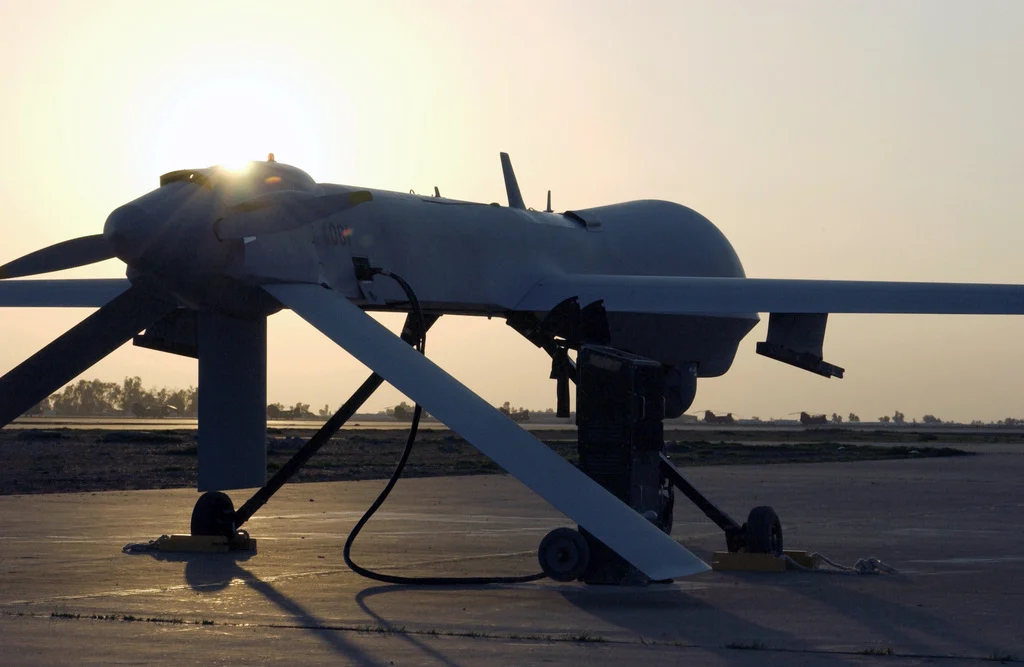
5. Visibility is now a liability in itself
“There’s nowhere to hide on the modern battlefield,” Ed Arnold told NBC News, as quoted by Military.com. Pokrovsk brought that reality into armored operations with unusual clarity. Persistent reconnaissance drones reduce the value of traditional concealment, especially for large vehicles with strong thermal, acoustic, and electromagnetic signatures. A tank that is seen can be tracked; a tank that is tracked can be hit indirectly, stalked by FPV operators, or fixed for follow-on attack. The contest starts with detection long before impact.
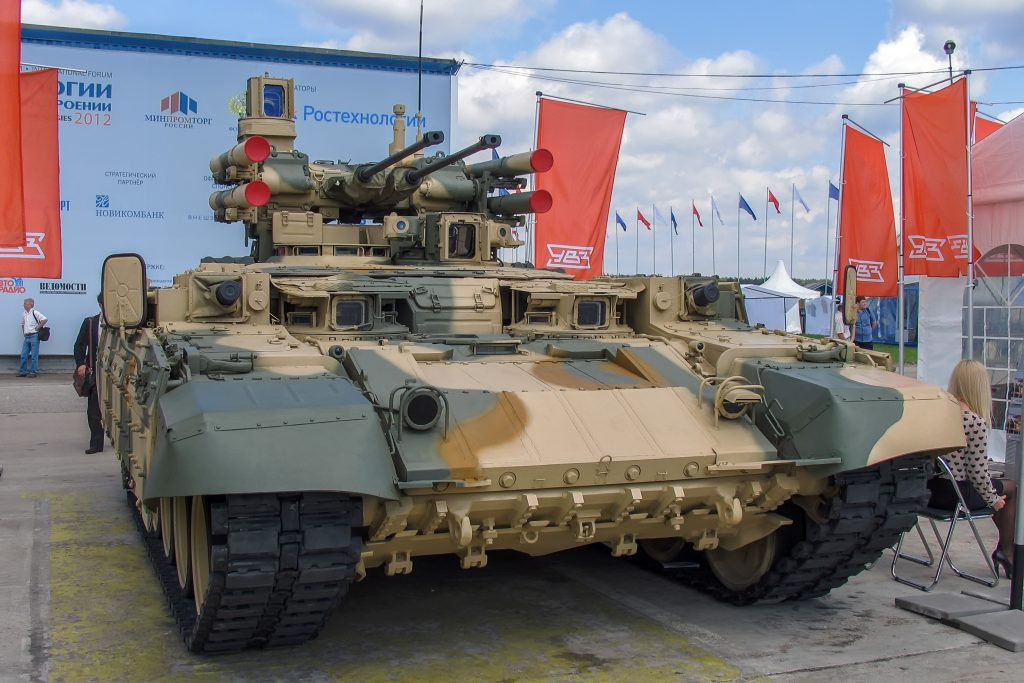
6. Tanks are shifting from spearheads to protected fire support
The old image of armor charging at the front of a formation fits poorly with dense drone coverage. The U.S. Army has openly reconsidered how far forward tanks should operate, with leaders arguing that cheaper aerial threats force armored units to limit exposure and let drones scout ahead. Pokrovsk illustrated that same logic from the field side. Tanks still mattered, but they worked best when integrated into a larger system of reconnaissance, route clearing, infantry support, and suppressive fires. The platform remained useful; the role became narrower and more deliberate.
7. Tactics matter more than dramatic kill videos
Drone footage can make every engagement look like proof that the tank era is over. Analysts at West Point’s Modern War Institute argued for caution, noting that drones are best understood as another anti-armor threat inside combined-arms warfare, not a complete replacement for armor. That distinction is critical. Poor movement discipline, dense vehicle grouping, weak reconnaissance, and exposed logistics make tanks easier prey. Better integration can reduce that vulnerability. Pokrovsk highlighted not just the power of drones, but the penalty for employing armored forces with outdated habits.
8. Crew access, hatches, and safety features cannot be treated as afterthoughts
Protective cages create engineering tradeoffs. They can block attack angles, but they can also interfere with crew movement, maintenance access, optics, smoke launchers, and emergency escape. The Ukrainian anti-drone screens described by Metinvest were designed to protect without “limit[ing] the functionality of the equipment itself.” That balancing act is easy to miss. A tank under drone threat still has to be fought, repaired, rearmed, and abandoned in extremis if necessary. Around Pokrovsk, survivability meant more than adding steel. It meant preserving the crew’s ability to operate the machine under pressure.
9. The tank is adapting, not disappearing
Pokrovsk delivered a harsh correction to any belief that legacy armor could continue unchanged. It did not deliver evidence that heavy armor had no future. The harder lesson is more demanding: tanks now need constant integration with drones, counter-drone systems, and faster tactical learning loops. That is why programs for active protection, top-attack defenses, signature reduction, and directed-energy counters are accelerating. The Abrams emerging from this period will not just be a heavier or lighter version of an older tank.
It will be a node in a contested aerial ecosystem. Pokrovsk stands as a case study in forced adaptation. The Abrams remained relevant only after crews and engineers accepted that the battlefield above the turret had become as dangerous as the one ahead of the gun. The lesson for armored design is now plain: protection, doctrine, and logistics must evolve at the speed of the drone threat, or the most advanced tank on the field becomes merely the largest target.


