Tight groups at 100 yards do not settle much once distance stretches, wind starts switching, and a rifle has to behave the same way from one range session to the next. The cartridges that keep showing up in serious practice and open-country use usually share the same traits: manageable recoil, efficient bullets, and enough factory-load depth that shooters are not forced into endless trial and error. That is where practical accuracy separates itself from benchrest bragging. Some calibers stay useful because they help the shooter spot impact, correct fast, and keep making sound calls when conditions turn messy.
1. .308 Winchester
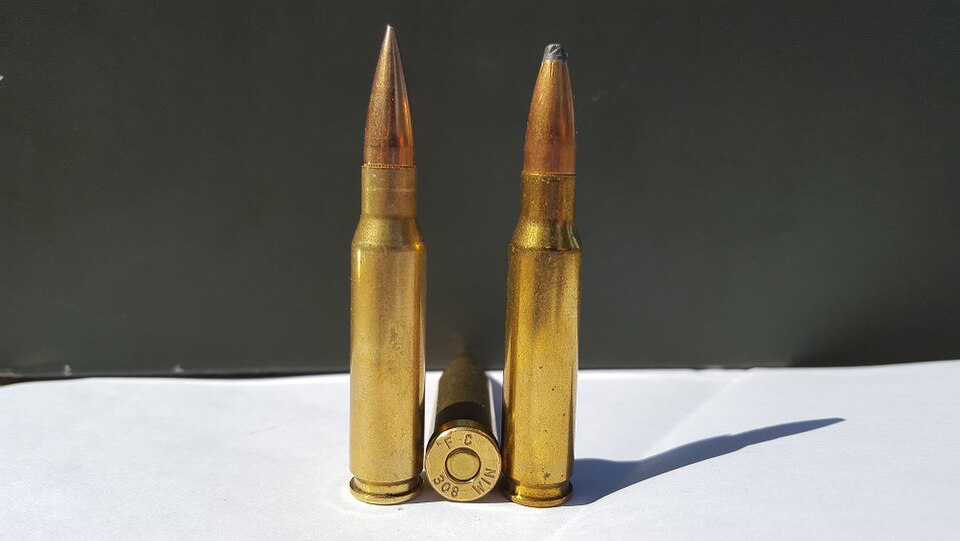
The .308 Winchester still earns its place because it is unusually forgiving across rifle weights, barrel lengths, and common factory loads. It remains one of the easiest standards for judging real-world precision, especially with proven match ammunition in 168- and 175-grain classes. Its weakness is also part of its lesson. In wind, the .308 gives away ground to sleeker modern rounds, with 21.3 inches of average drift at 500 yards in a 10 mph crosswind. That does not make it obsolete. It makes bullet selection and velocity management matter more, particularly once barrels get shorter and downrange speed falls off.
2. 6.5 Creedmoor
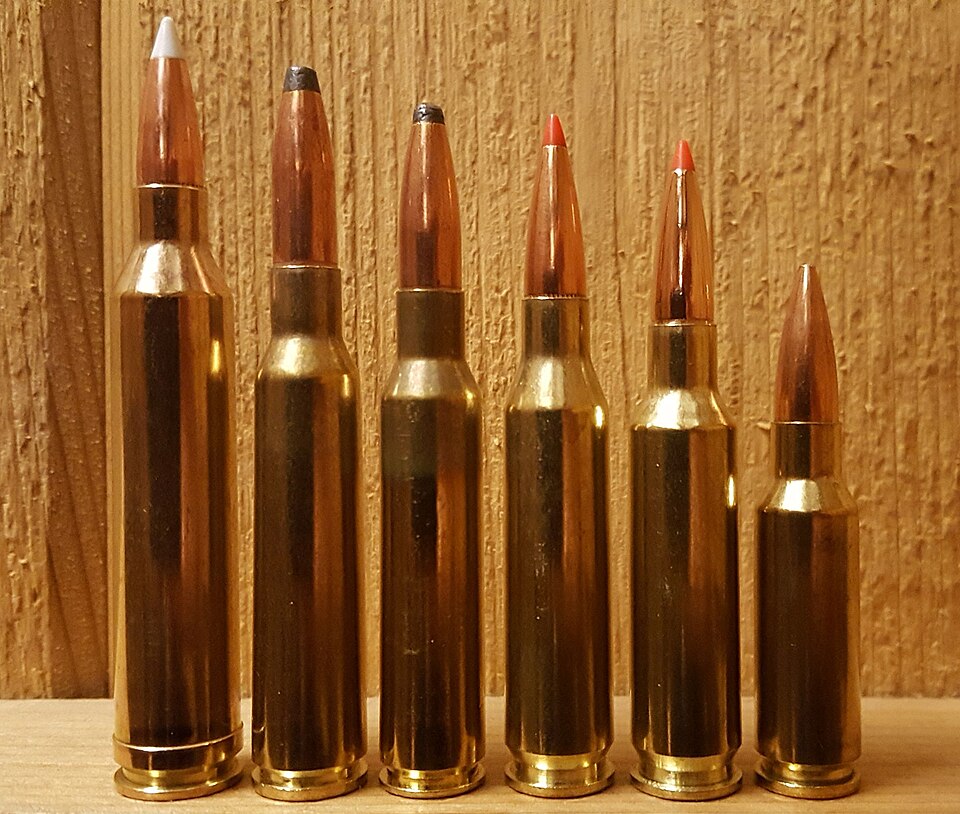
The 6.5 Creedmoor became a default answer for a reason: it delivers long, aerodynamic bullets with recoil light enough to preserve sight picture and follow-through. That combination keeps shooters from fighting the rifle while trying to read conditions. Compared with .308 Winchester, it carries speed and shape better at distance, and it also holds a small edge in wind drift. One side-by-side comparison notes that at 500 yards the 6.5 Creedmoor retains a flatter profile and better downrange speed, which helps explain why it remains common in competition and cross-canyon hunting rifles. Barrel life is not endless, but 2,000 to 3,000 rounds of typical barrel life still leaves plenty of room for most hunters and practical marksmen.
3. .223 Remington / 5.56 NATO
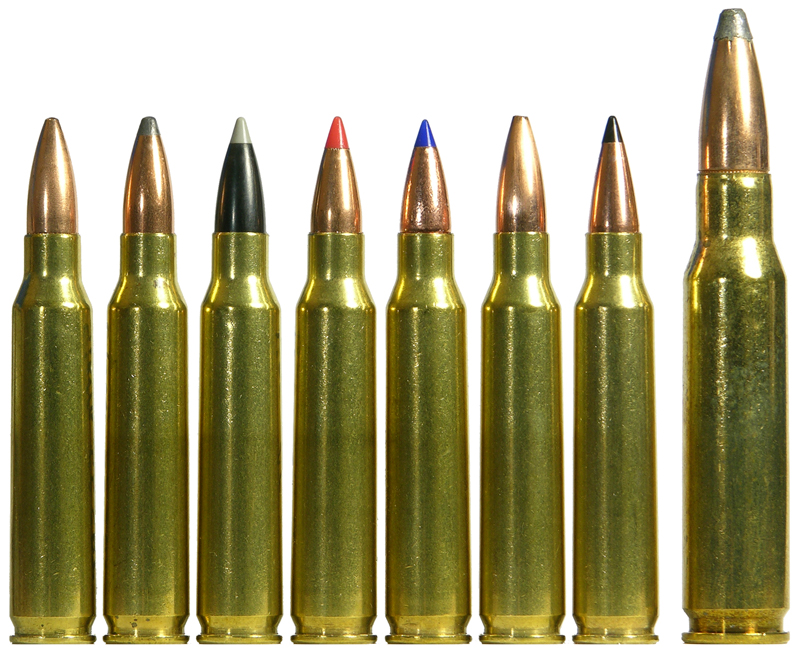
The .223 is not a wind specialist, but it remains one of the best tools for building precision habits. Recoil is so light that shooters can stay in the optic, watch misses, and clean up bad trigger work without punishment. That matters more than raw horsepower during training. In a 10 mph wind, average drift reaches 21.9 inches at 500 yards, so it does not forgive lazy wind calls. What it does offer is a brutally honest feedback loop, and that makes it one of the most useful cartridges for sharpening positional shooting and fundamentals.
4. .243 Winchester
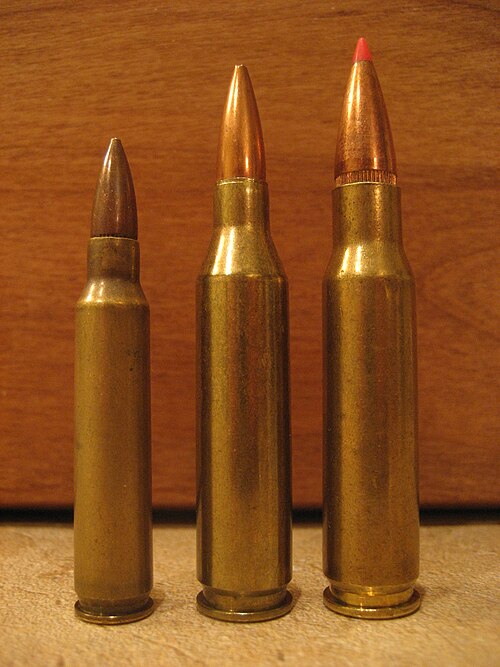
The .243 Winchester keeps hanging on because it blends flat flight with mild recoil in a package that does not intimidate the shooter. Many bolt guns chambered in .243 have long reputations for producing neat, repeatable groups without much drama. It also performs better in wind than many people expect from a light-caliber hunting round. Average drift figures put it at 19.5 inches at 500 yards in a 10 mph crosswind, which is a meaningful improvement over .308 and .223 class cartridges. For shooters who begin to flinch when recoil rises, that softer behavior can preserve more field accuracy than a faster cartridge on paper.
5. 6mm ARC
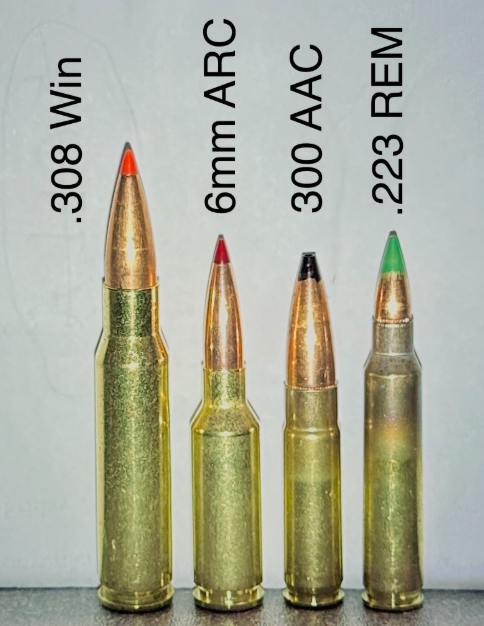
The 6mm ARC was built to stretch AR-15 performance farther than the platform’s older standards usually allow. Its appeal is not just velocity. It is the use of high-BC 6mm bullets in a cartridge that still keeps recoil mild enough for quick corrections. That makes it especially relevant for shooters who want repeatable positional accuracy from a gas gun without stepping into larger-frame rifles. It does not replace dedicated magnum long-range rounds, but it has carved out a practical middle ground between training cartridge and legitimate reach.
6. .270 Winchester
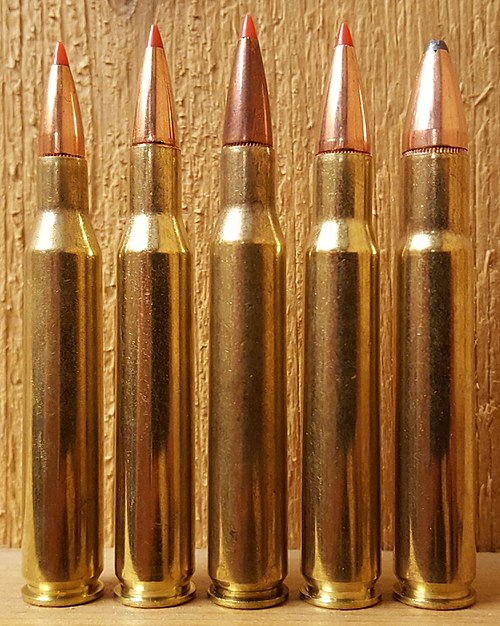
The .270 Winchester survives every trend cycle because it remains simple and effective. It shoots flat, works in ordinary hunting rifles, and usually does not require exotic setup or boutique ammunition to behave well. In wind, it stays more competitive than its age suggests. Average figures place it at 18.7 inches of drift at 500 yards in a 10 mph crosswind. That is not elite by modern high-BC standards, but it is good enough to explain why the .270 still shows up wherever hunters value steadiness over fashion.
7. 6.5 PRC
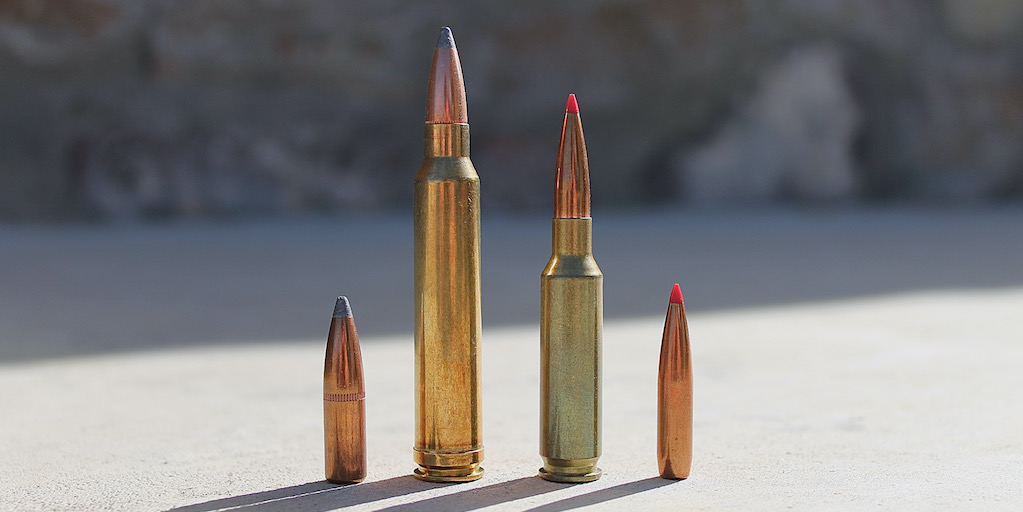
The 6.5 PRC occupies a sweet spot between standard short-action efficiency and magnum-level reach. It throws 140- to 147-grain bullets fast enough to flatten trajectory without pushing recoil into the .300-class penalty box. Its real advantage starts showing when wind enters the equation. One comparison found that in a 10 mph crosswind, the 6.5 PRC drifted 13.2 inches at 500 yards, well below a comparable .300 Win. Mag load in that test. That lower wind sensitivity, paired with recoil that is easier to manage than many magnums, explains why shooters treat it as more than a faster Creedmoor.
8. .22 LR Match Loads
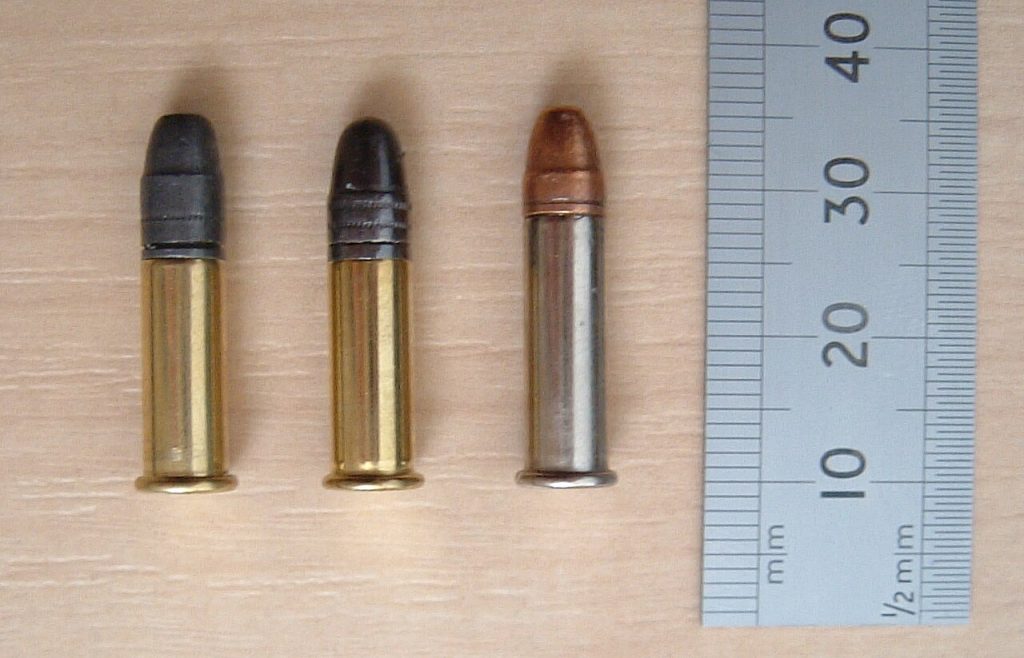
Match-grade .22 LR belongs in any precision conversation because it exposes mistakes quickly and cheaply. It rewards clean trigger control, stable positions, and disciplined follow-through in a way centerfire rounds often hide with speed and energy. It is also a reminder that accuracy and wind resistance are not the same thing. The .22 LR gets pushed hard by moving air, averaging 39.2 inches of drift at 300 yards in a 10 mph wind. That challenge is exactly why rimfire precision remains such useful practice for centerfire shooters.
9. 7mm Remington Magnum
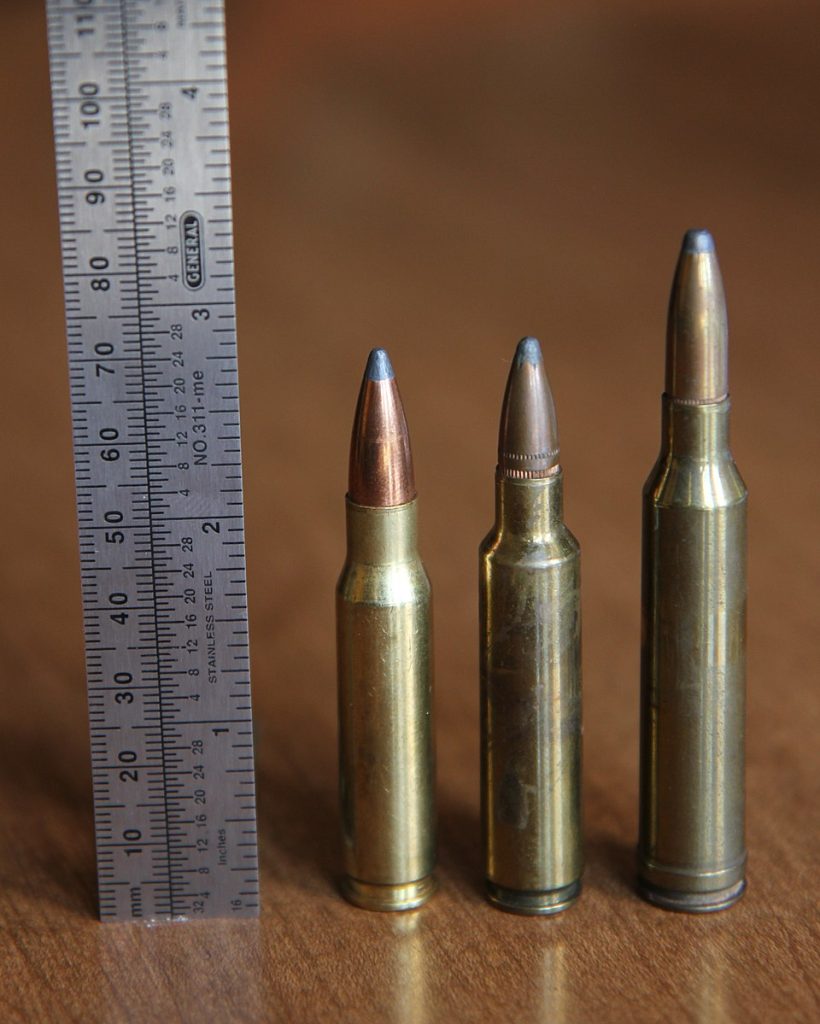
The 7mm Remington Magnum remains one of the strongest examples of an older cartridge still doing modern work. It carries enough speed and bullet weight to stay relevant for hunters who need real reach, and it continues to pair well with sleek 160- to 175-grain bullets. Wind performance keeps it in the conversation. Average data puts the cartridge at 14.5 inches of drift at 500 yards in a 10 mph crosswind, and modern heavy-for-caliber bullets only strengthen that reputation. Recoil is not light, but it is still manageable enough for disciplined shooters to get the benefit of the cartridge’s reach without surrendering consistency.
The pattern across all nine is hard to miss. The best long-range accuracy cartridges are not simply the fastest, and they are not always the newest. They are the ones that let shooters stay composed, make corrections, and keep bullet behavior predictable after conditions stop being polite. That is why old standbys like the .308 and .270 still matter, why the 6.5 family keeps expanding, and why even the humble .22 LR remains part of serious precision work. When wind gets a vote, repeatability matters more than reputation.


