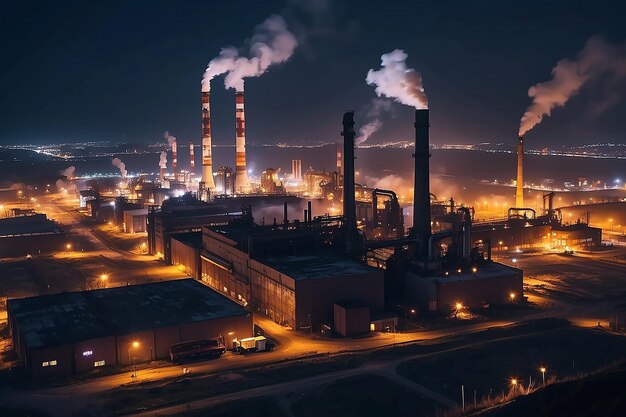
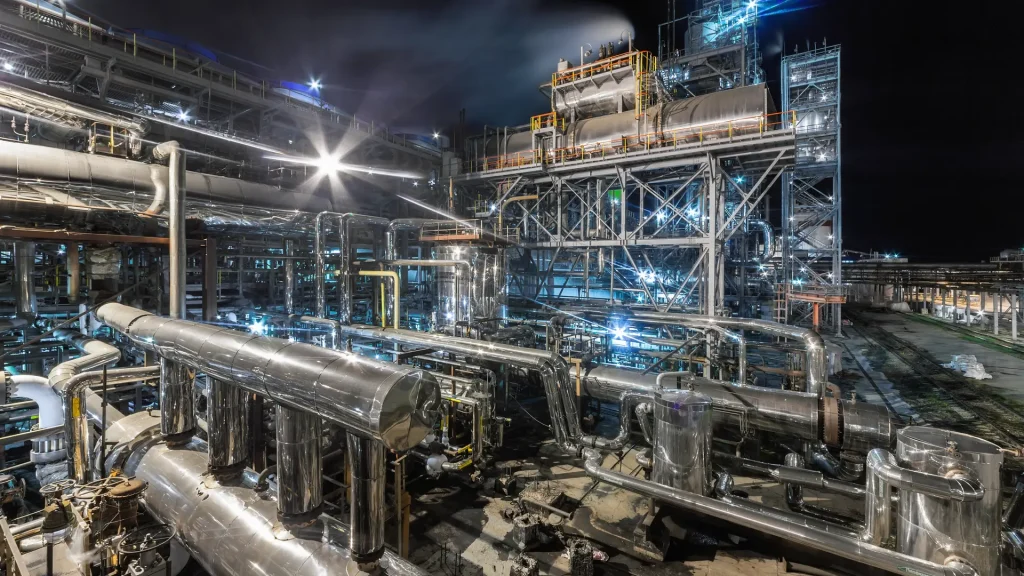
Modern war is not only fought through firepower. It is also shaped by chemical plants, rail links, storage systems, repair capacity, and the ability to keep industrial inputs moving under pressure. The attack on Nevinnomyssk Azot drew attention because the target sat far from the front and because its products matter far beyond agriculture. An ammonia complex can feed farms, factories, export earnings, and munitions production at the same time. That dual role makes a single industrial site unusually consequential when it is damaged.
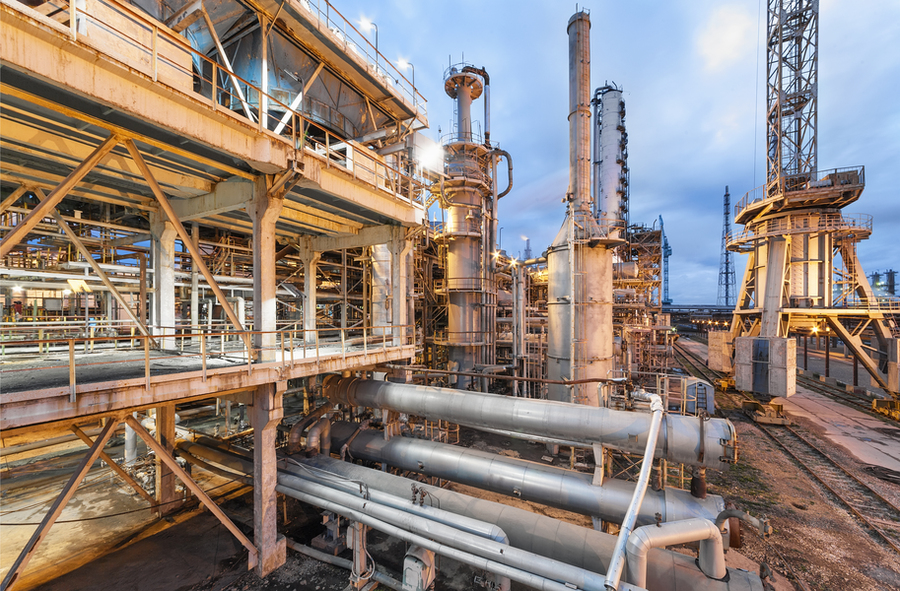
1. Ammonia plants sit at the crossroads of farming and firepower
Ammonia and ammonium nitrate are widely recognized as agricultural inputs, but they also sit upstream of explosives manufacturing. Ammonium nitrate is used in fertilizers because of its nitrogen content, while a significant share of global production also goes into industrial blasting mixtures and other explosive applications. That overlap is why a large nitrogen facility matters strategically even before any direct military connection is discussed. The chemistry is old, but its relevance is current. Nitrogen compounds remain central to both food production and energetic materials, a dual-use reality that has shaped industrial planning for more than a century.
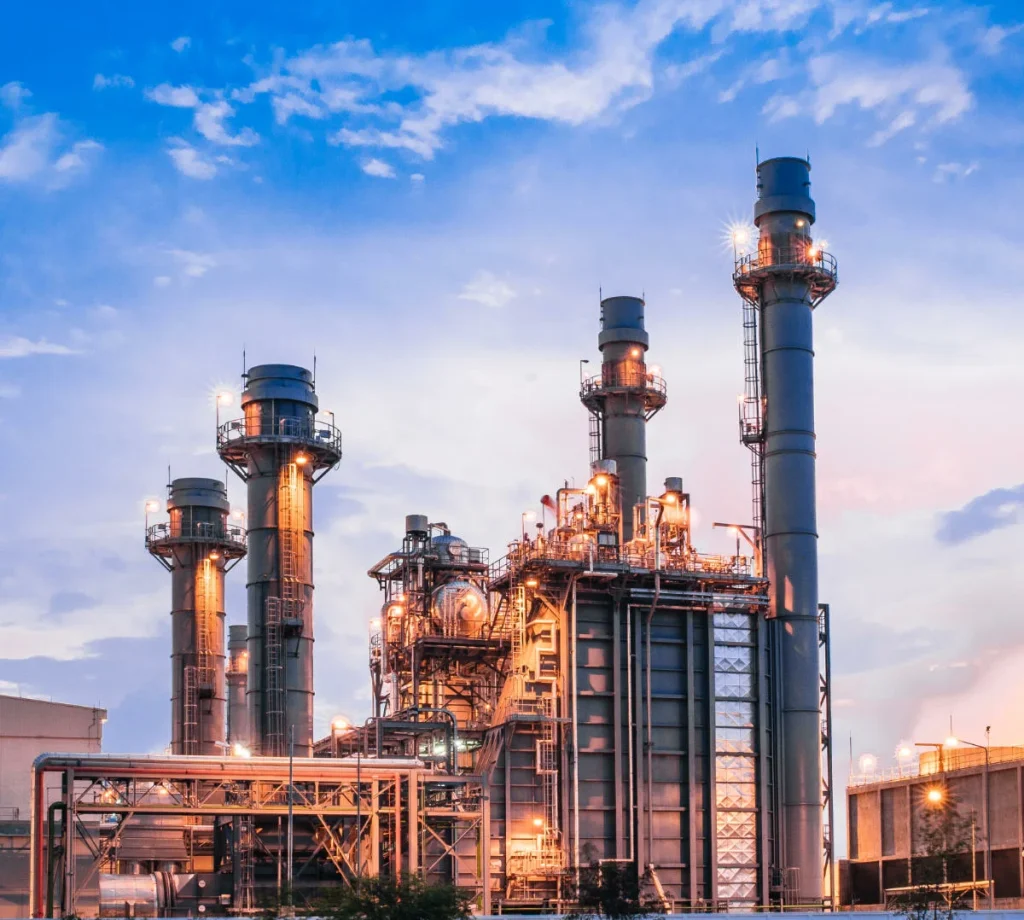
2. Industrial strikes matter because logistics decides endurance
Long-range attacks on production sites are less about a single blast than about what follows after it: missing feedstock, delayed transport, disrupted repair cycles, and forced rerouting inside an already stressed supply chain. Modern logistics analysis increasingly treats industrial networks as part of combat power, not as background infrastructure. In contested environments, the ability to regenerate capacity can be as important as the ability to launch weapons. That logic has appeared repeatedly in defense studies of contested logistics, which describe supply systems as vulnerable not only at the front but across the wider enterprise of production, transportation, and maintenance. A hit on one chemical node can therefore create effects that spread well beyond the fence line.
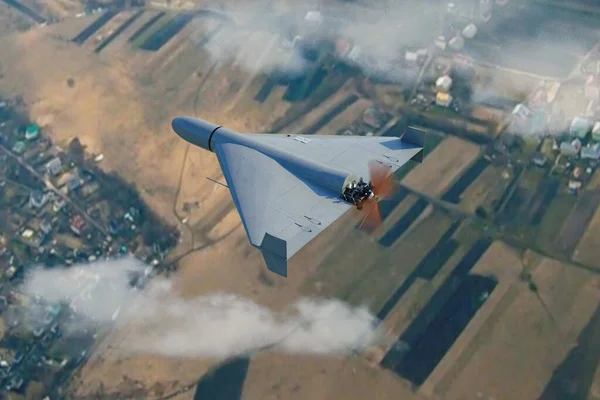
3. Deep strikes expose the growing problem of drone defense for industry
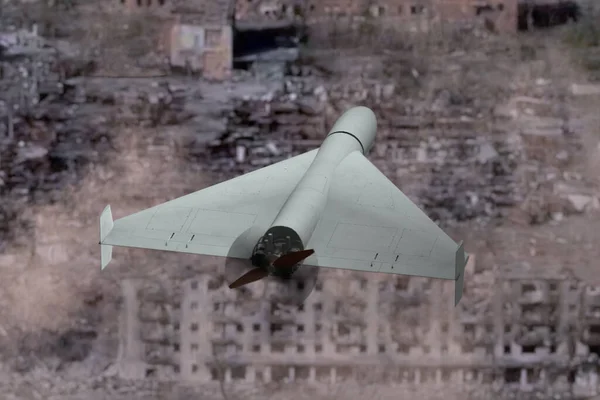
An attack more than 500 kilometers from active front lines highlights a broader engineering challenge: protecting large industrial facilities from small, low-signature unmanned aircraft. Chemical plants are difficult targets to shield completely because they cover broad areas, include tanks, piping, substations, and processing units, and often were not designed with persistent drone threats in mind. That problem is not unique to one country. Critical infrastructure agencies have recently published guidance on UAS threats to critical infrastructure, underscoring how detection, reporting, and response have become core security tasks for plant operators. The engineering burden is shifting from perimeter security toward layered air awareness.
4. Fertilizer disruptions can ripple into global commodity markets
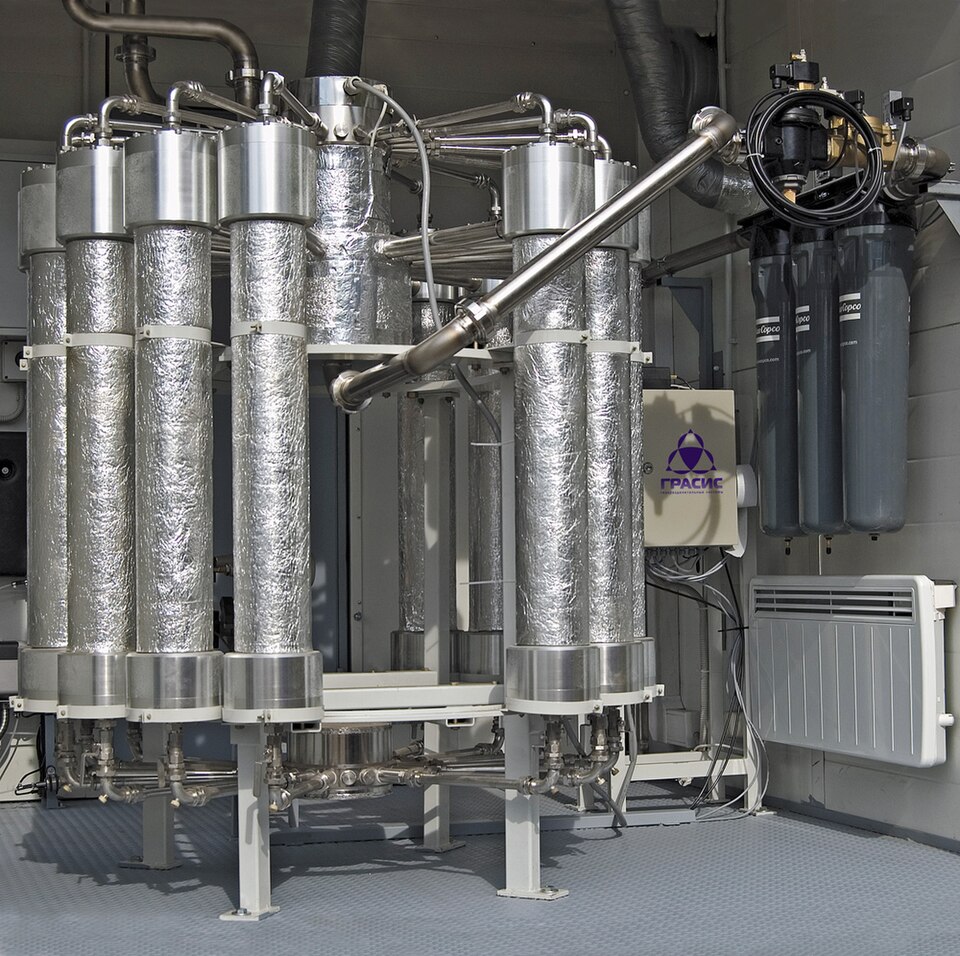
Russia remains a major supplier in world fertilizer trade, and that means damage to a large domestic nitrogen facility can matter internationally even if only part of the output is lost. Tight global markets tend to react strongly when spare capacity is limited and exporters cannot easily raise production elsewhere. Industry reporting has already noted that Russia accounts for about one-fifth of global fertilizer trade while facing capacity constraints and domestic obligations. In that setting, industrial damage does not need to remove a huge percentage of world supply to sharpen price pressure and alter trade flows.
5. Ammonium nitrate carries unusual storage and blast risks
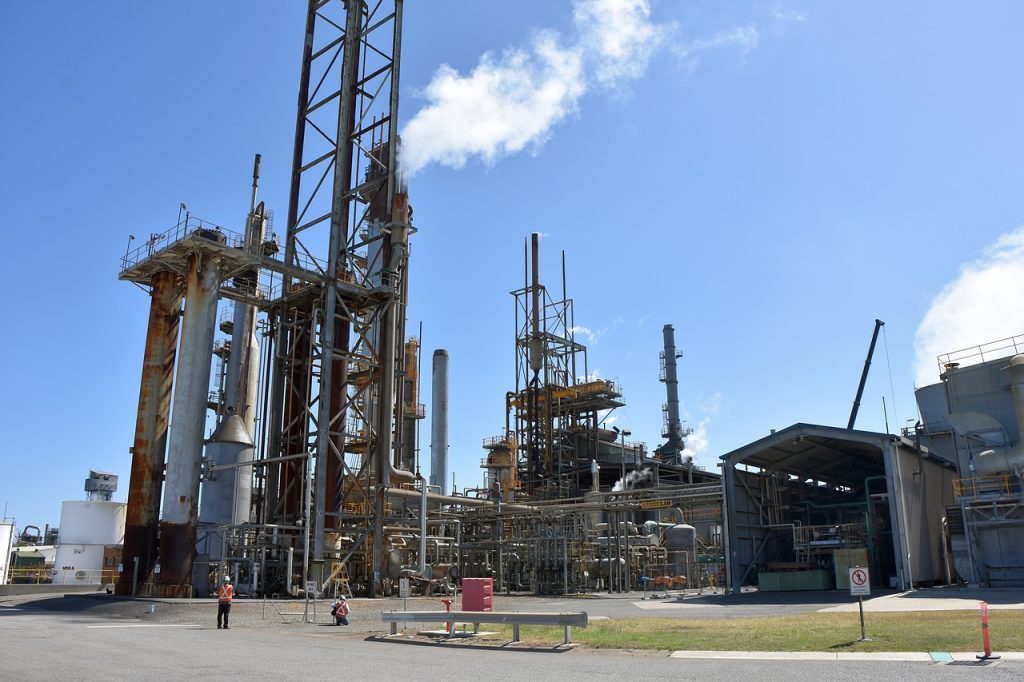
Facilities tied to ammonia and ammonium nitrate raise a second concern beyond output loss: accident escalation. Ammonium nitrate is useful and common, but under certain storage, contamination, heat, and confinement conditions it can contribute to catastrophic explosions. Safety literature has repeatedly shown that fires in or near large stockpiles are among the most dangerous scenarios. Research on ammonium nitrate handling notes that most ammonium nitrate explosions take place during transport or storage. Older disaster case studies, from Toulouse to Beirut to Texas, have turned the material into one of the clearest examples of how industrial chemistry can move from routine utility to mass hazard when safeguards fail.
6. Chemical plant damage can become an environmental event
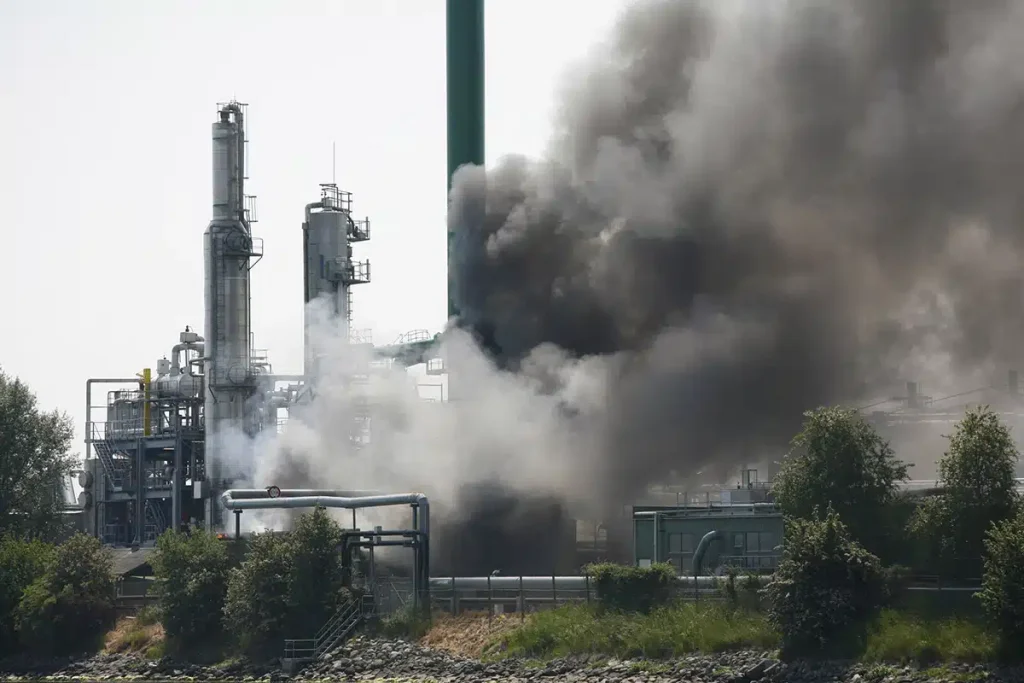
When a strike or fire reaches fertilizer infrastructure, the consequences are not limited to production lines. Toxic gases, runoff, and contaminated residues can affect surrounding communities, waterways, and emergency response operations. The environmental footprint may last longer than the physical repair window, especially where cleanup is slow or monitoring is incomplete. This is one reason attacks on chemical infrastructure attract attention beyond defense analysts. A damaged industrial site can become a public health problem, an engineering remediation challenge, and a regional economic burden at the same time.
7. Export infrastructure is part of the same strategic system
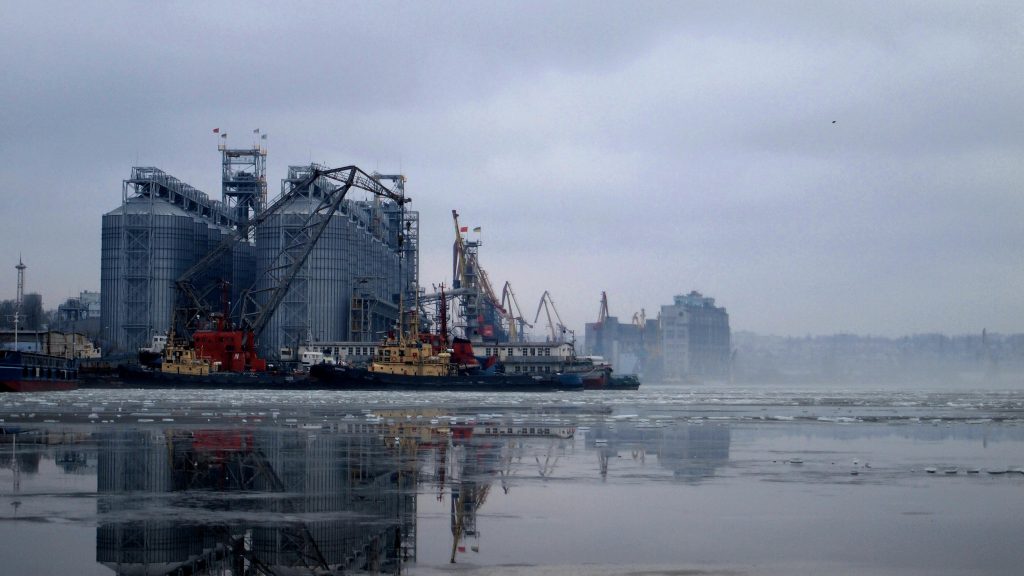
Production is only one half of the equation. Ammonia and fertilizer also require storage, rail movement, pipelines, and port handling to reach buyers. Russia’s effort to build alternative export routes after earlier disruptions showed how dependent nitrogen trade is on terminal capacity and specialized transshipment systems. That dependence is visible in projects such as a Black Sea transshipment complex with 5 million tonnes per year capacity. Large ammonia infrastructure works as a chain, not a point asset. Damage at the plant, the rail corridor, or the port can each produce similar strategic friction.
8. The real target is resilience, not only output
The deeper lesson is that industrial resilience has become a measurable part of national power. A country can possess large plants and still remain vulnerable if repair capacity is slow, spare parts are scarce, air defenses are thin, or logistics assumptions are too optimistic. Defense literature has increasingly warned that modern conflict punishes systems built for efficiency when they suddenly have to survive persistent disruption. That makes industrial redundancy, safer storage, drone detection, diversified transport, and rapid restoration capability more than technical upgrades. They are the practical foundations of endurance.
The strike on a major ammonia complex stands out because it compresses several modern realities into one event: dual-use chemistry, vulnerable logistics, drone-era infrastructure exposure, and the link between factory output and national staying power. For engineers and defense planners alike, the takeaway is straightforward. Industrial plants are no longer just economic assets behind the lines; they are operational systems whose design, protection, and recovery capacity can shape the balance of a wider conflict.


