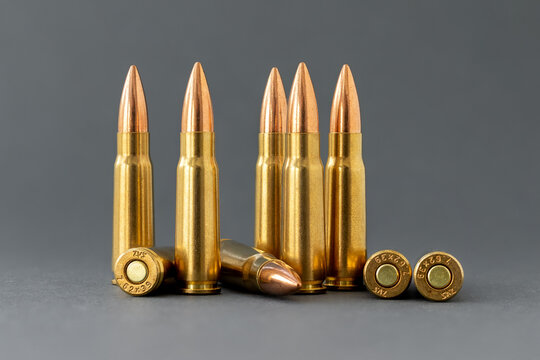
Long-range accuracy is often discussed as if it belongs to a cartridge alone. In practice, the cartridge only reveals how well a system manages velocity, recoil, barrel life, bullet design, magazine constraints, and the shooter’s ability to spot impacts and make corrections. That is why the most instructive cartridges are not always the fastest. The useful ones are the rounds that show where accuracy becomes easier, where it becomes expensive, and where added reach starts demanding real tradeoffs.
1. 6.5 Creedmoor
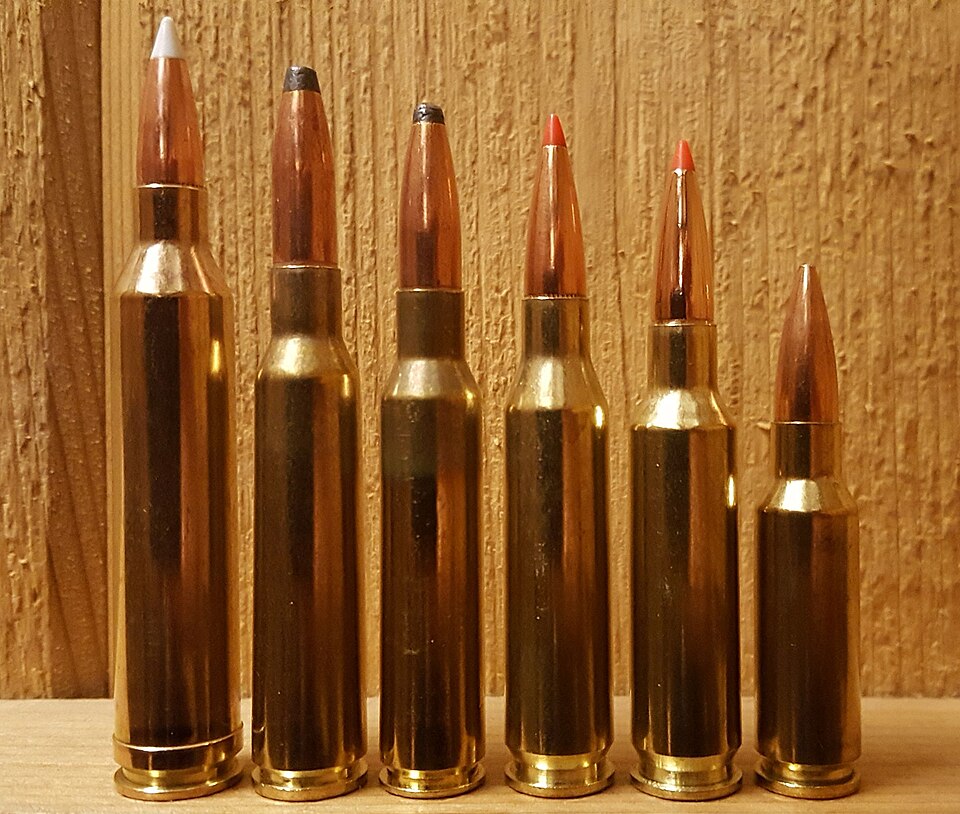
The 6.5 Creedmoor remains one of the clearest examples of how practical long-range accuracy is built on balance rather than raw speed. It was introduced by Hornady in 2007, and its reputation grew because it combines mild recoil with bullets that carry velocity efficiently. Outdoor Life noted that a 140-grain match bullet can stay supersonic beyond 1,400 yards, which helps explain why the round became so common in target shooting.
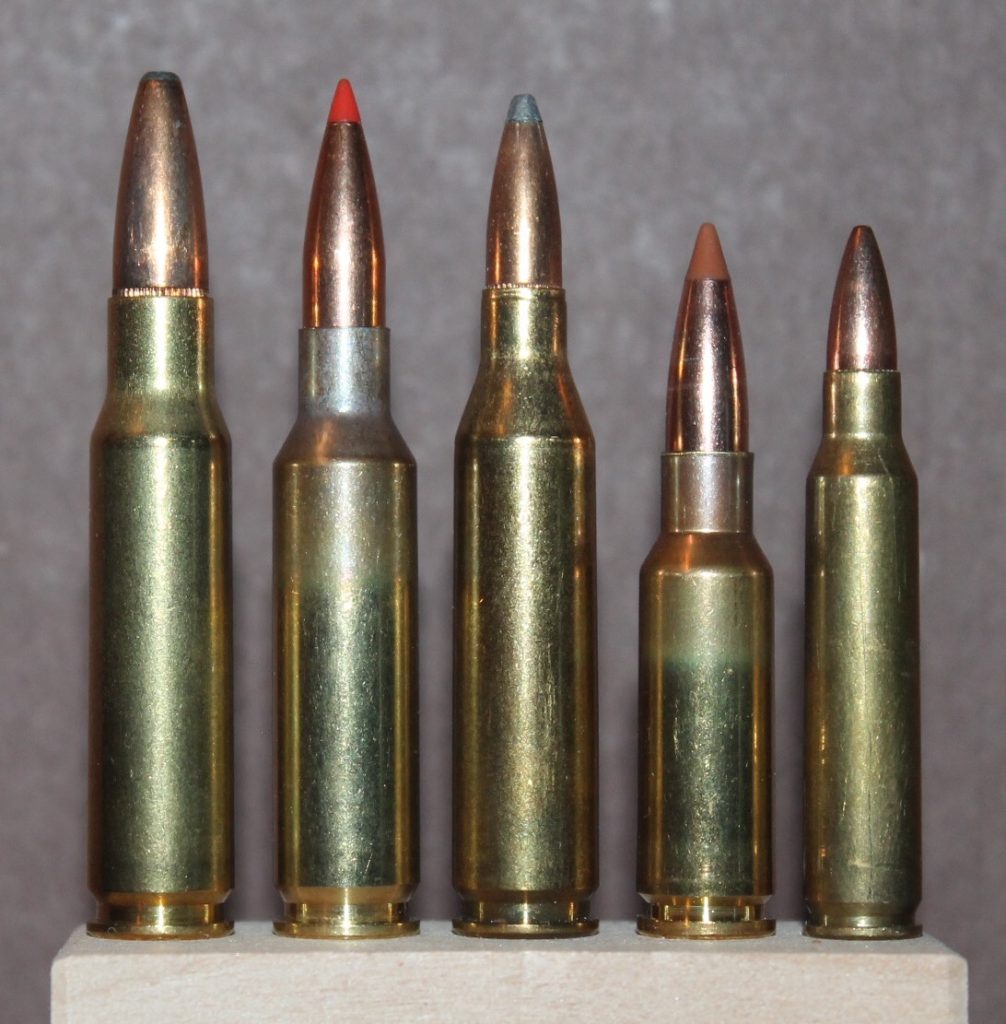
Just as important, recoil is light enough to make self-spotting easier, and barrel life is often described as exceeding 4,500 rounds when loads are kept reasonable. Those details matter more than internet mythology. A cartridge that lets a shooter practice more, hold a steadier position, and correct misses faster will usually produce better real-world results than a harder-kicking option with only a small ballistic edge.
2. 6.5 PRC
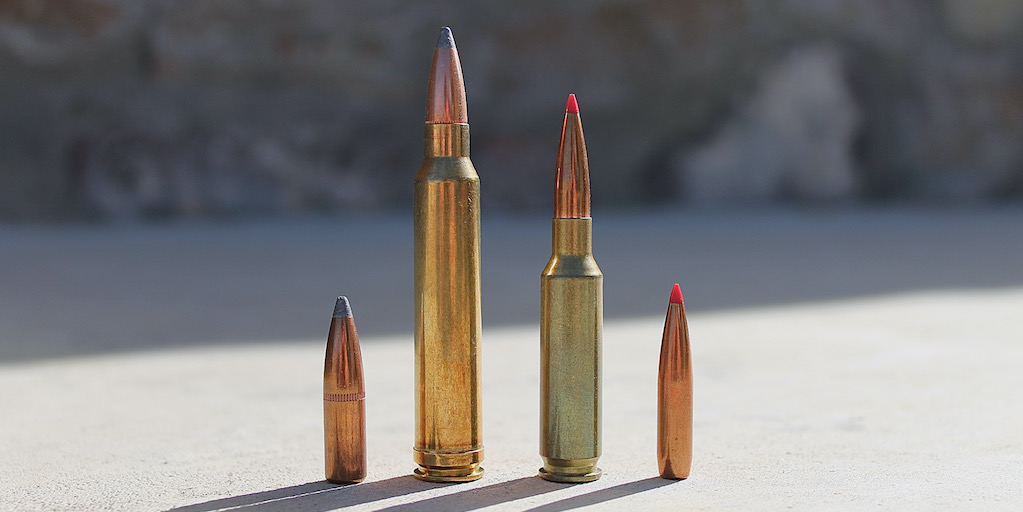
The 6.5 PRC shows what happens when the same bore diameter is pushed into magnum territory. Hornady brought out the cartridge in 2018, and its appeal has centered on gaining roughly 250 to 300 fps over the Creedmoor with heavy-for-caliber bullets. That extra speed extends useful distance and trims wind drift, but it does not come free. Recoil rises, barrel wear increases, and magazine capacity can drop in short-action setups.
Outdoor Life also found that a short 20-inch PRC barrel can surrender about 250 fps, narrowing the gap enough that the cartridge starts looking much more like a Creedmoor with more recoil. The lesson is straightforward: long-range accuracy is not just external ballistics. It also depends on whether the rifle still behaves well enough for the shooter to stay on target.
3. .308 Winchester
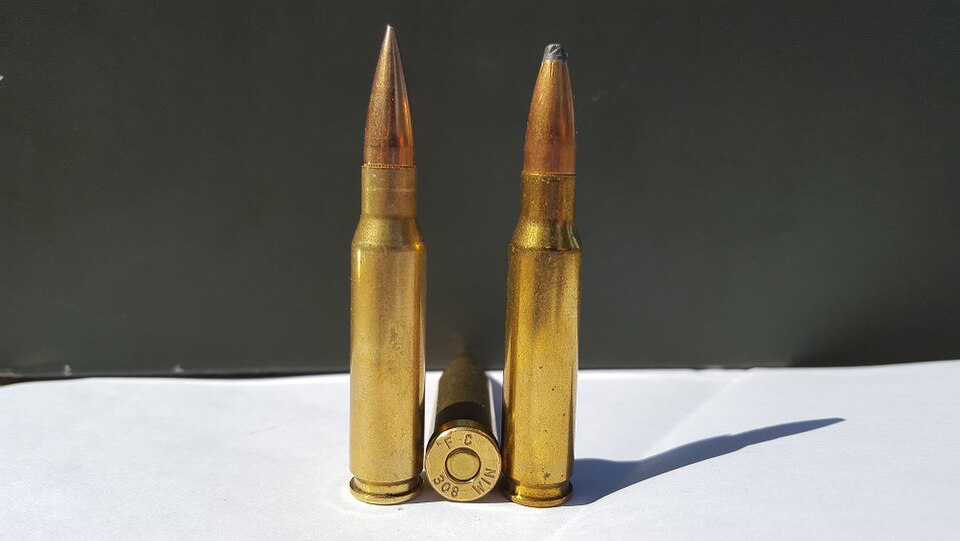
The .308 Winchester is not the flattest long-range option, which is exactly why it remains important. It exposes the difference between pure ballistic advantage and usable precision. For decades, shooters have leaned on it because recoil is manageable, rifles are widely available, and accuracy has long been associated with the cartridge’s efficient short-case design.
Forum discussion from AccurateShooter described the .308 as having a “right” balance of desirable attributes, while also pointing to a long development path and a reputation reinforced through match use. More recent field reporting has shown the cartridge still producing strong precision with modern bullets. Game & Fish recorded a 175-grain load averaging 2,715 fps and groups just under an inch from a 22-inch rifle. The .308’s value in a long-range conversation is that it punishes bad wind calls sooner than newer cartridges do. That makes it an honest teacher.
4. 7mm SAUM
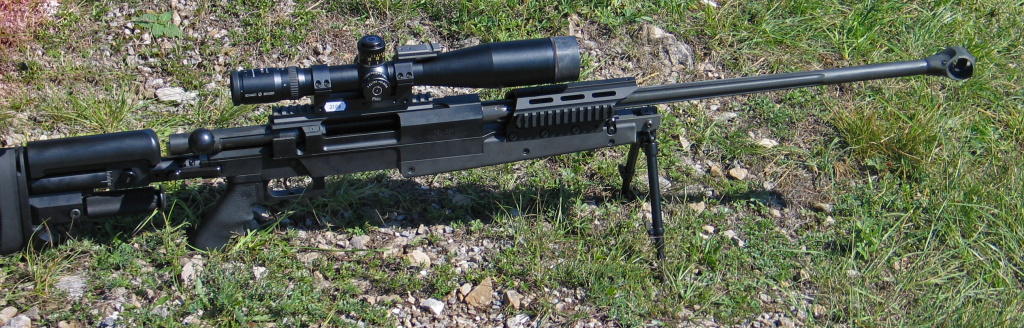
The 7mm SAUM illustrates how bullet efficiency can close the gap with larger cartridges. In the Cold Bore Miracle breakdown, the cartridge was chosen around a 24-inch barrel and a fast twist, sending a Sierra 183 MatchKing at about 3,050 fps. That combination was presented as a way to approach .338 Lapua-type distance with less expense and less bulk.
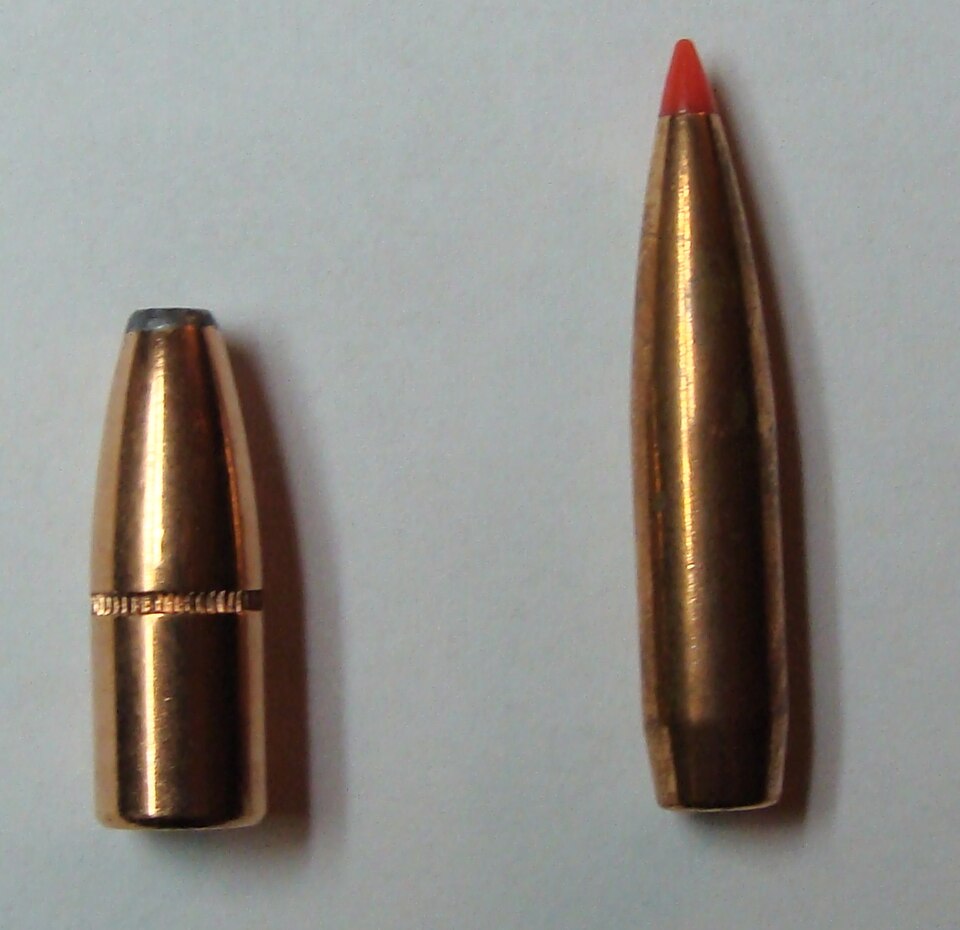
The important takeaway is not that it replaces every larger magnum. It is that high-BC 7mm bullets can deliver very serious downrange performance without requiring the heaviest platforms. Long-range accuracy improves when the bullet retains speed, resists wind, and does not punish the shooter as severely as a larger round. The 7mm SAUM helped demonstrate that cartridge design and bullet shape can matter as much as caliber size.
5. .300 Winchester Magnum
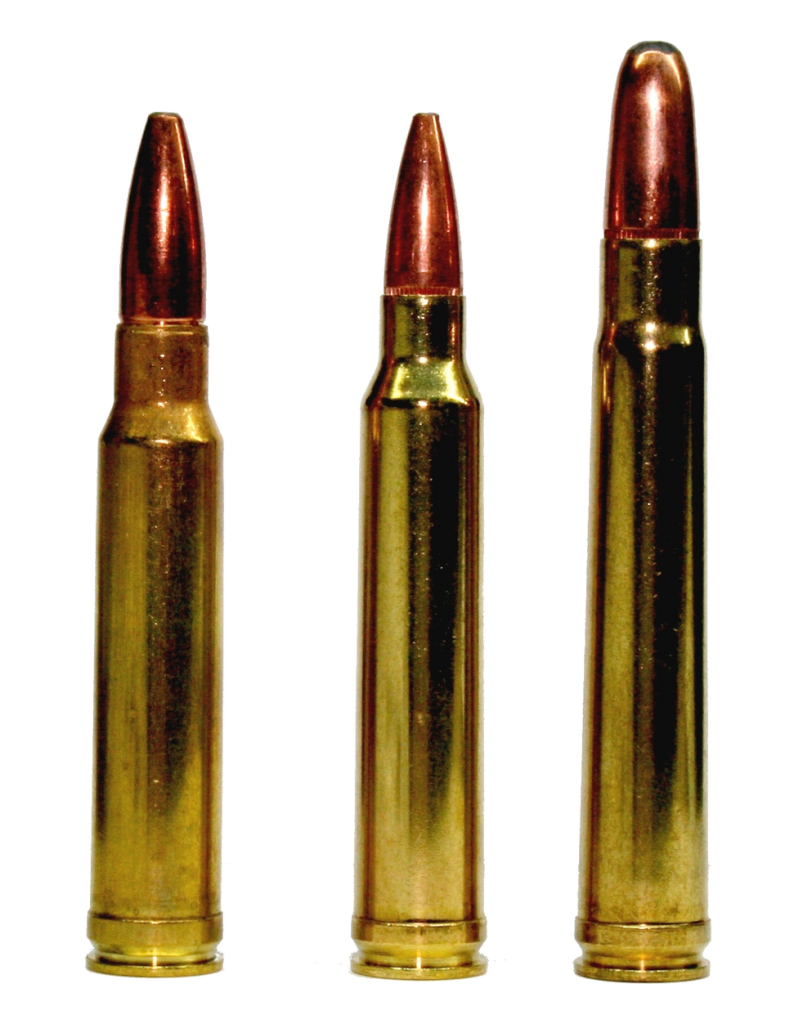
The .300 Winchester Magnum has endured because it sits in a demanding but useful middle ground. American Hunter described it as driving a 180-grain bullet to 2,960 fps while still fitting comfortably in a long action. That formula gives the cartridge enough speed and bullet weight to stay credible at extended range without moving into the specialized equipment class of the biggest ELR rounds.
Its long-range lesson is simple. Accuracy at distance is not only about tiny groups at 100 yards; it is also about keeping enough velocity and bullet stability far downrange while the shooter manages heavier recoil. The .300 Win. Mag. can do that, but only when rifle weight, stock design, optics, and shooting discipline are up to the task.
6. 7mm PRC
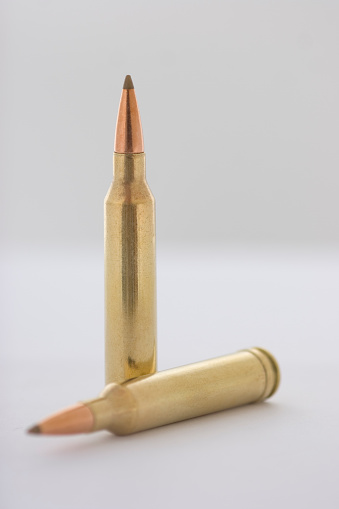
The 7mm PRC is one of the clearest modern examples of a cartridge built around current long-range thinking. American Hunter highlighted the cartridge’s fast 1:8 twist rate and factory loads that push 175-grain ELD-X bullets at 3,000 fps and 180-grain ELD Match bullets at 2,975 fps. Those numbers matter because they show a cartridge engineered for long, heavy, aerodynamically efficient bullets from the start. The shoulder geometry, twist rate, and bullet selection all point toward consistency at extended range. It demonstrates that modern accuracy is increasingly a systems problem solved at the design stage, not just a matter of chambering an old case and hoping a sleek bullet will fit.
7. .375 CheyTac
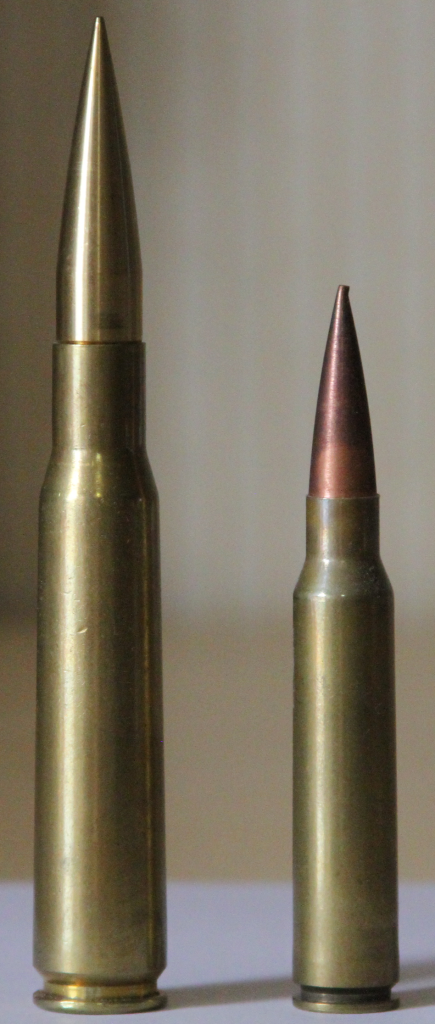
At the far edge of the discussion, the .375 CheyTac reveals what extreme long-range accuracy really costs. Cold Bore Miracle described it as one of the most common choices in big-bore ELR shooting, especially with specialized bullets such as the Cutting Edge MTAC or Warner Tool Flatline. This is where every variable becomes magnified: component cost, rifle weight, recoil management, spotting equipment, and environmental reading. The cartridge’s importance is not that it belongs to ordinary long-range use. It is that it proves accuracy beyond conventional distances is a different discipline entirely. At that point, the cartridge is only one part of a much larger technical exercise.
Taken together, these cartridges show that long-range accuracy is not a single ladder with “more power” at the top. It is a series of tradeoffs between recoil, speed, consistency, component life, and the shooter’s ability to stay in control. The most useful cartridge is often the one that allows repeatable hits without overwhelming the rifleman. That has always been the real standard.


