Polymer frames changed the service-pistol market, but they never fully erased the case for steel and alloy. In hard use, older all-metal or metal-heavy pistols kept earning attention for a simpler reason: they were built around proven mechanical systems that organizations could maintain, train around, and trust for years.
That helps explain why several classic handguns stayed in serious use long after newer designs arrived. Their appeal was not nostalgia. It was durability, recoil control, familiar handling, and institutional confidence built through long service lives.
1. SIG Sauer P226
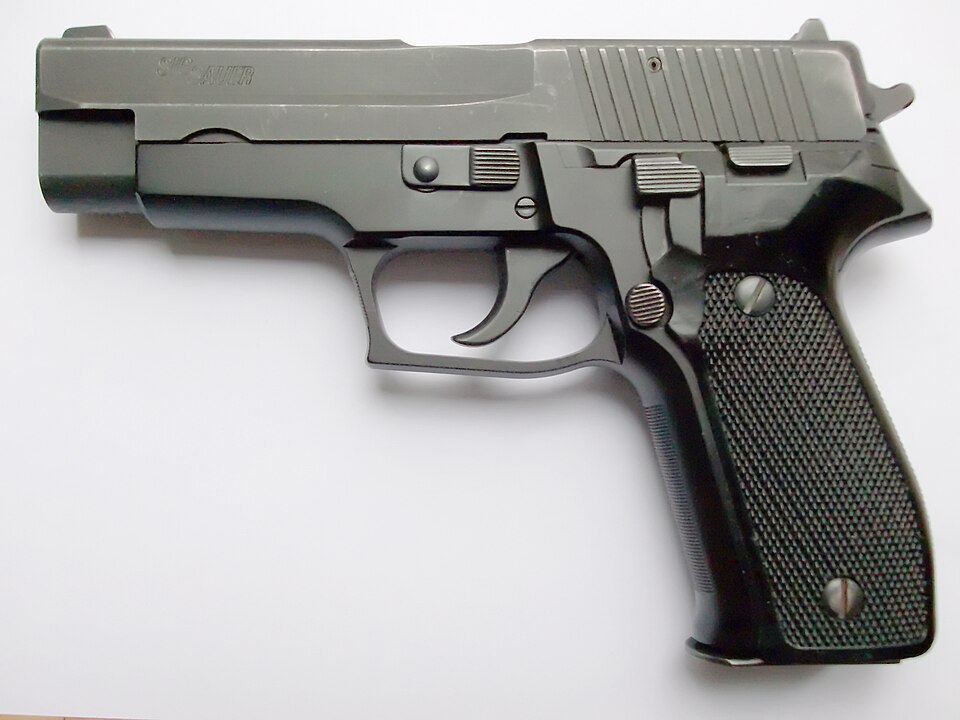
The P226 became a benchmark for the modern metal service pistol because it combined an alloy frame, a full-size 9mm footprint, and a DA/SA system that many agencies regarded as safe and predictable under stress. Its decocking lever simplified handling, while the pistol’s weight helped keep recoil flat enough for fast follow-up shots.
The platform’s reputation was strengthened by its long service with U.S. Navy SEALs, where corrosion resistance, durability, and reliability in punishing conditions mattered more than fashion. Later special-operations variants added features such as chrome-lined barrels and rails better suited to accessories, but the core appeal remained unchanged. Even after many organizations shifted toward striker-fired handguns, the P226 still stood as a reference point for what a heavy-duty fighting pistol could be.
2. Beretta 92 / M9
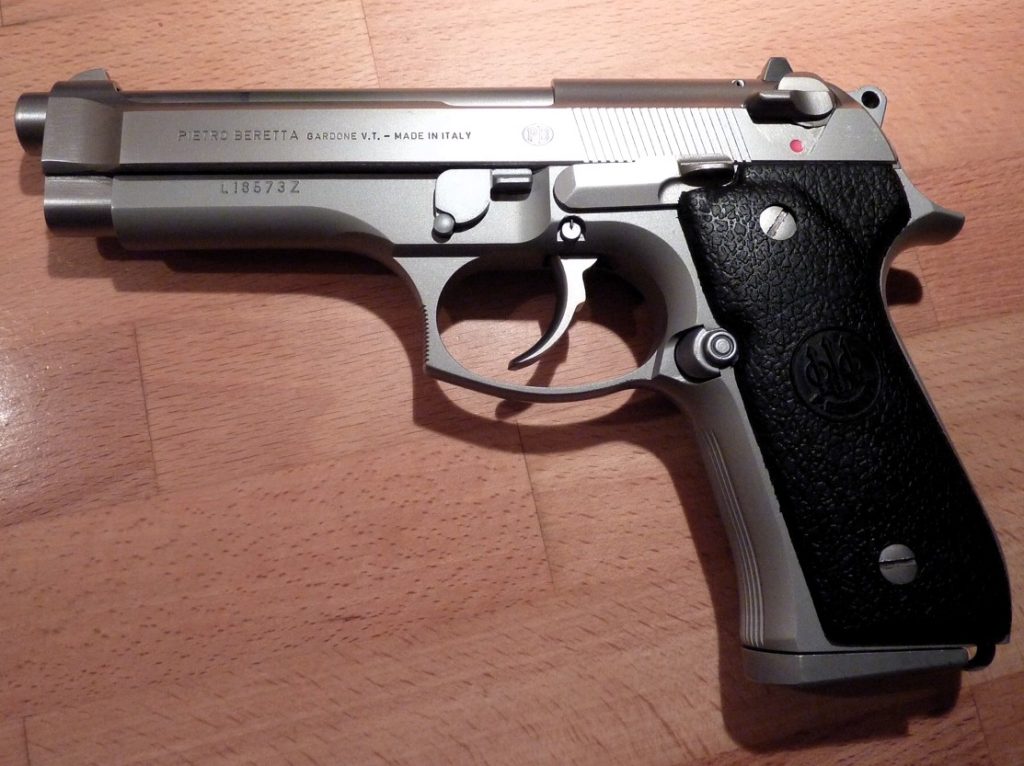
The Beretta 92 family lasted because it scaled well across large institutions. Its open-slide design and locking block system gave it a reputation for consistent feeding and ejection, and its size made it notably calm in recoil for a full-size 9mm.
That mass was both strength and compromise. Many users valued the stable shooting characteristics, while others found the pistol large in the hand and cumbersome compared with later trends. Still, the U.S. military’s 1985 adoption of the Beretta 92F as the M9 created a vast support system of magazines, training programs, spare parts, and armorer knowledge. Beyond service use, the Beretta also became a recognizable cultural object, helped by its unmistakable silhouette in film and games. Its staying power came from more than looks, though: it was a large, shootable sidearm that organizations could keep running at scale.
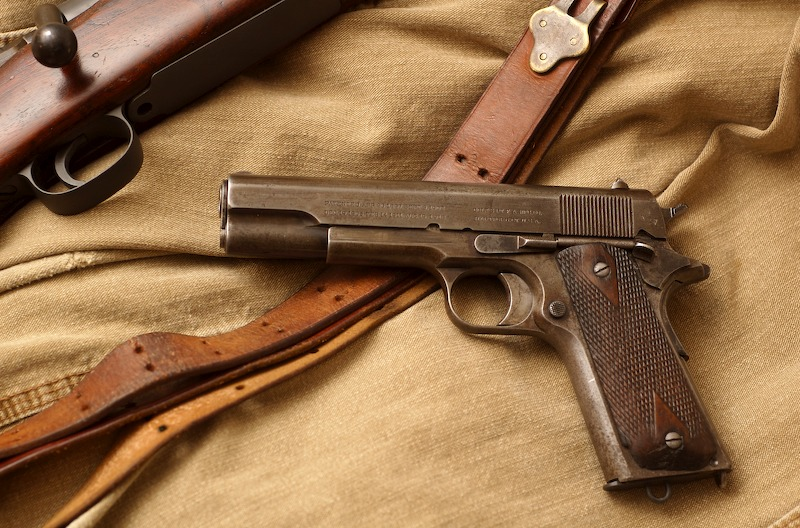
3. M1911 and M1911A1
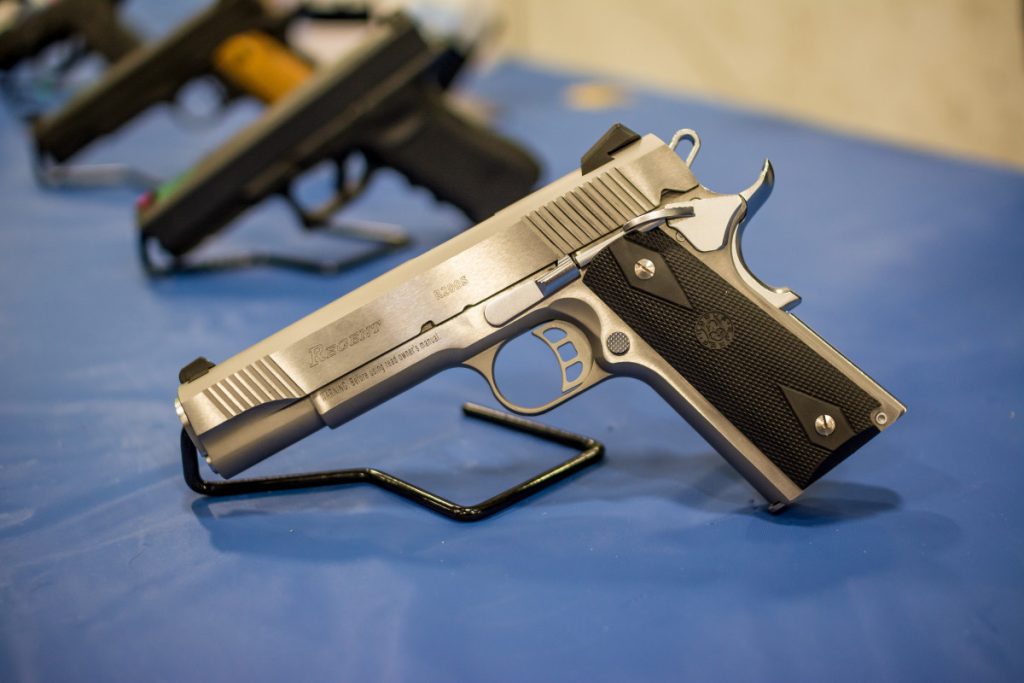
The 1911 remained influential because it delivered one of the clearest examples of how ergonomics, trigger quality, and recoil impulse can define a pistol’s reputation. Its single-action operation, slim profile, and strong .45 ACP identity gave it staying power long after it stopped being standard issue.
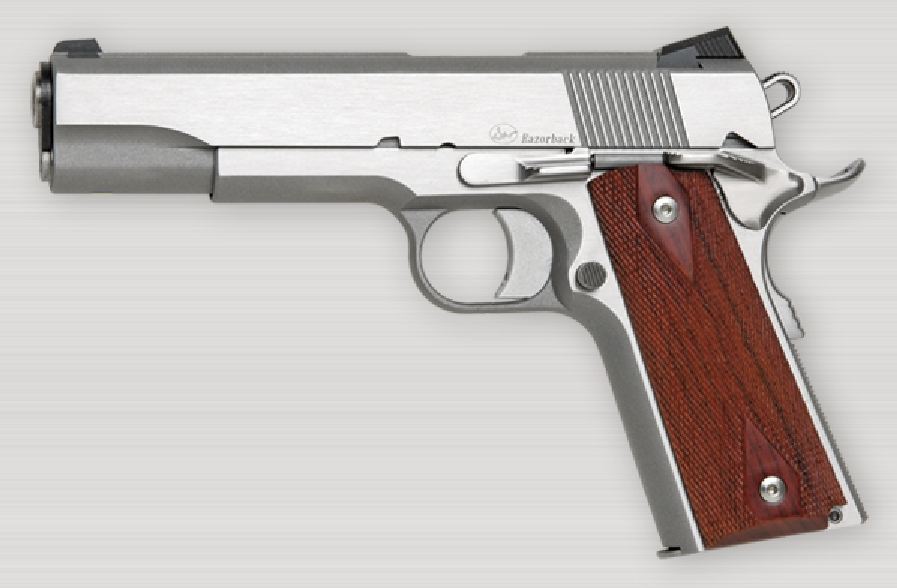
Its legend was reinforced by a 6,000-round test over two days during U.S. trials, a durability story still cited whenever the design’s toughness comes up. The pistol officially served as the standard U.S. sidearm from 1911 to 1985, yet its afterlife inside specialized communities proved just as important. Elite users often kept it viable through close armorer support, tuned magazines, and disciplined maintenance schedules. That level of support is not realistic everywhere, but where it existed, the 1911 kept showing why a century-old design could still feel current in the hand.
4. Browning Hi-Power
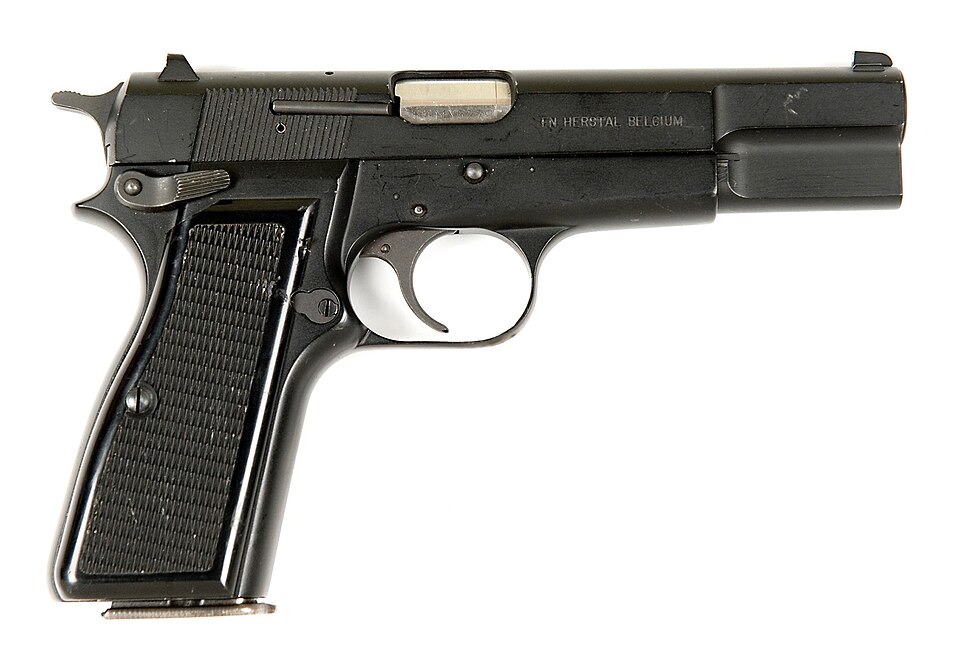
The Hi-Power mattered because it pushed service pistols toward the high-capacity future. Its 13-round magazine, relatively slim grip, and linkless recoil system gave later generations of 9mm handguns a mechanical template that spread almost everywhere.
Although commonly associated with John Browning, the final pistol was completed by Dieudonné Saive and entered production in the 1930s. Its influence was enormous: more than 50 armies adopted the Hi-Power, and the design appeared in military, police, intelligence, and special-use roles around the world. The grip shape and balance helped many shooters run it quickly, while later reliability updates such as an external extractor extended its useful life. The manual safety and single-action manual of arms demanded training, but the pistol’s blend of capacity, shootability, and durability made it a long-running global standard.
5. CZ 75
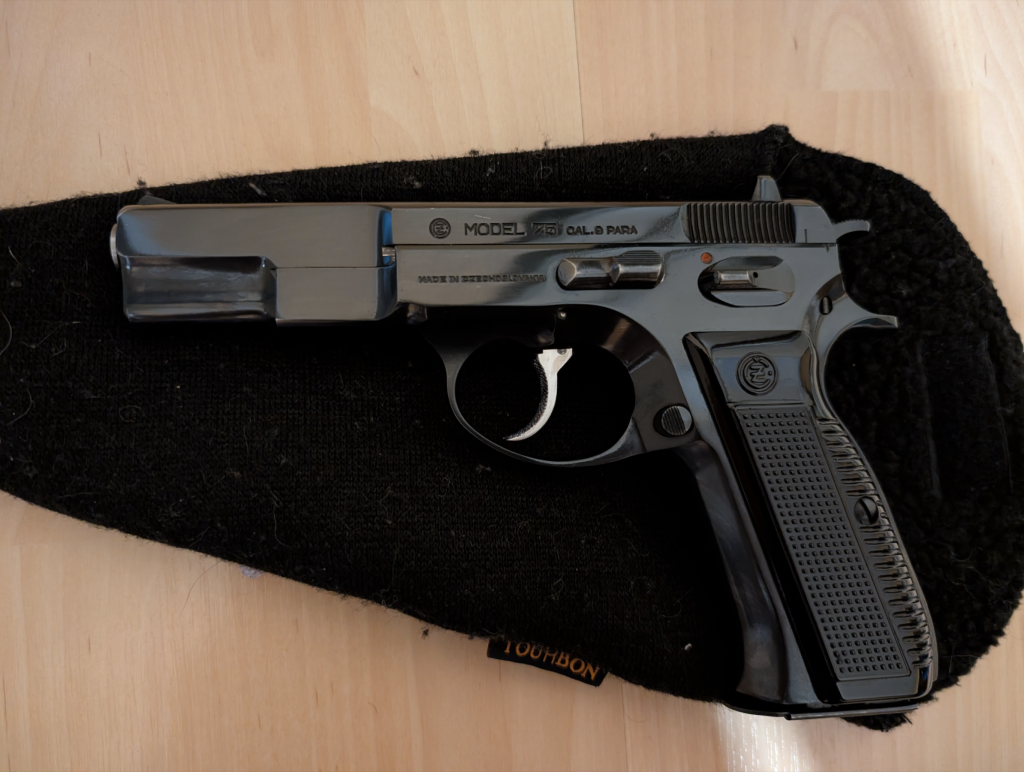
The CZ 75 earned a loyal following by blending all-steel construction with internal slide rails, a DA/SA trigger system, and a grip shape that many shooters found unusually natural. The result was a pistol that often felt low, smooth, and controllable in recoil.
Its influence spread far beyond the original Czech design. Because the pistol was difficult to protect globally through patents during the Cold War era, numerous copies and derivatives appeared, which says as much about its engineering appeal as any marketing campaign could. The steel frame added weight, but that same mass helped the gun stay steady in rapid fire. For serious users, the CZ 75 became one of the clearest examples of how old-school materials and thoughtful ergonomics could create a pistol that remained relevant for decades.
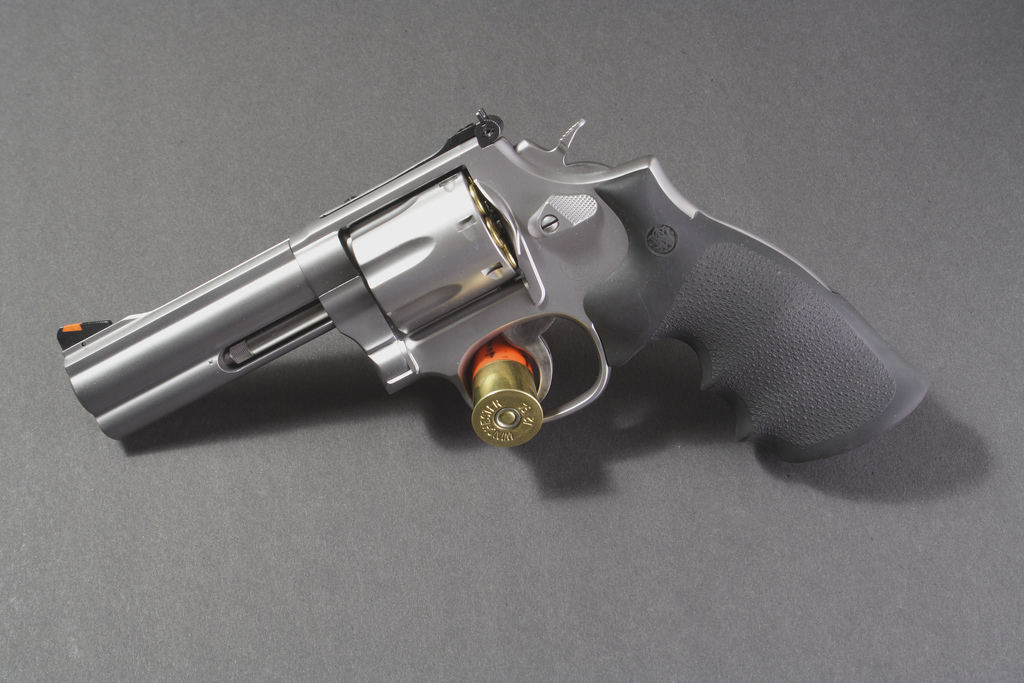
6. Smith & Wesson Model 686
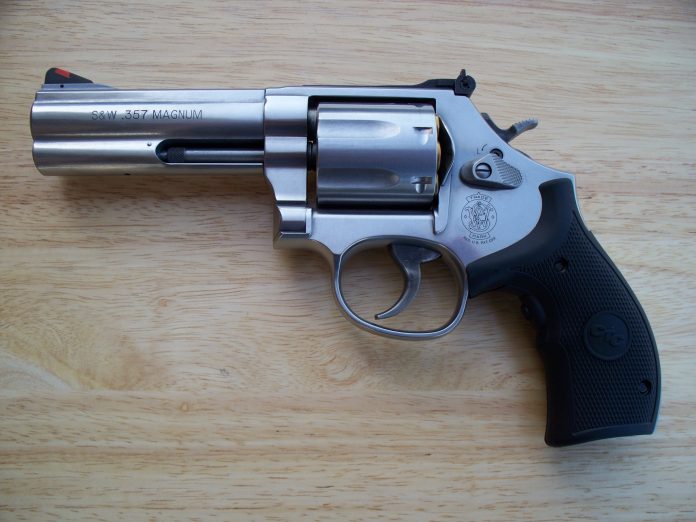
The Model 686 stands apart from the rest of this group because it is a revolver, not a semi-automatic. That difference is exactly why it still belongs in the conversation. Built on Smith & Wesson’s stainless L-frame, the 686 was designed to withstand heavy use with .357 Magnum loads without quickly loosening up.
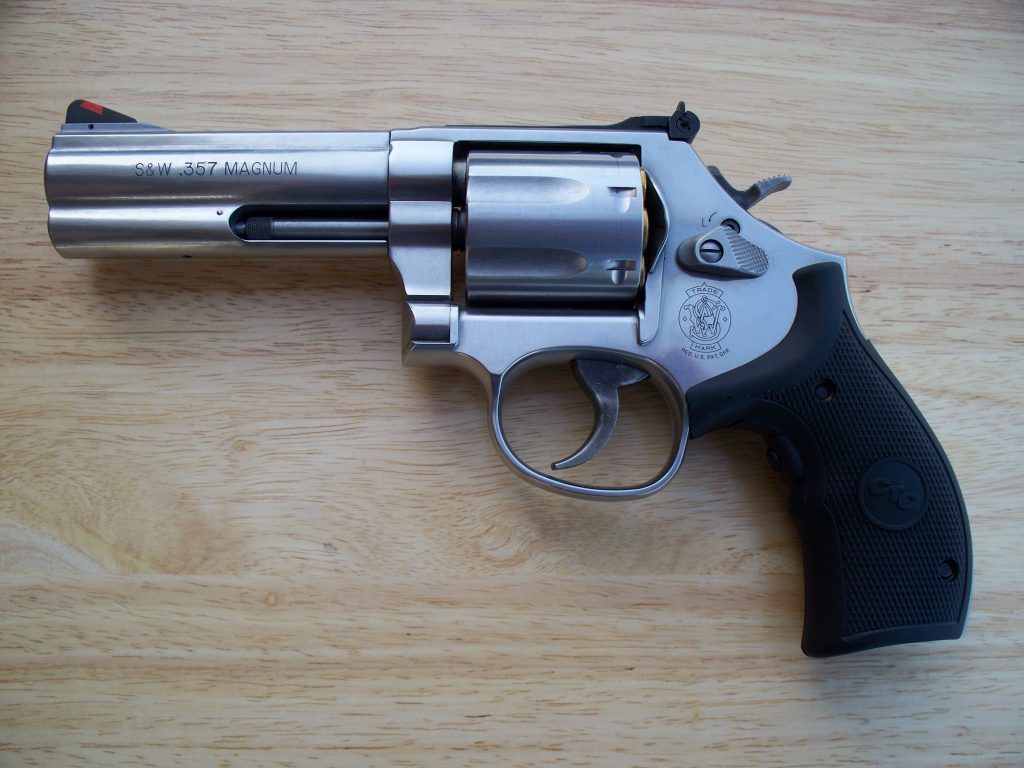
Its strengths came from durability, mechanical consistency, and a manual of arms that does not depend on magazine function. The revolver’s weight helped absorb recoil, and its adjustable sights supported accuracy over a long service life. Capacity and reload speed were the obvious tradeoffs, especially as high-capacity semi-autos took over duty roles, but the 686 represented the mature end point of the duty revolver era. For users who valued ruggedness and repeatability above everything else, that still mattered.
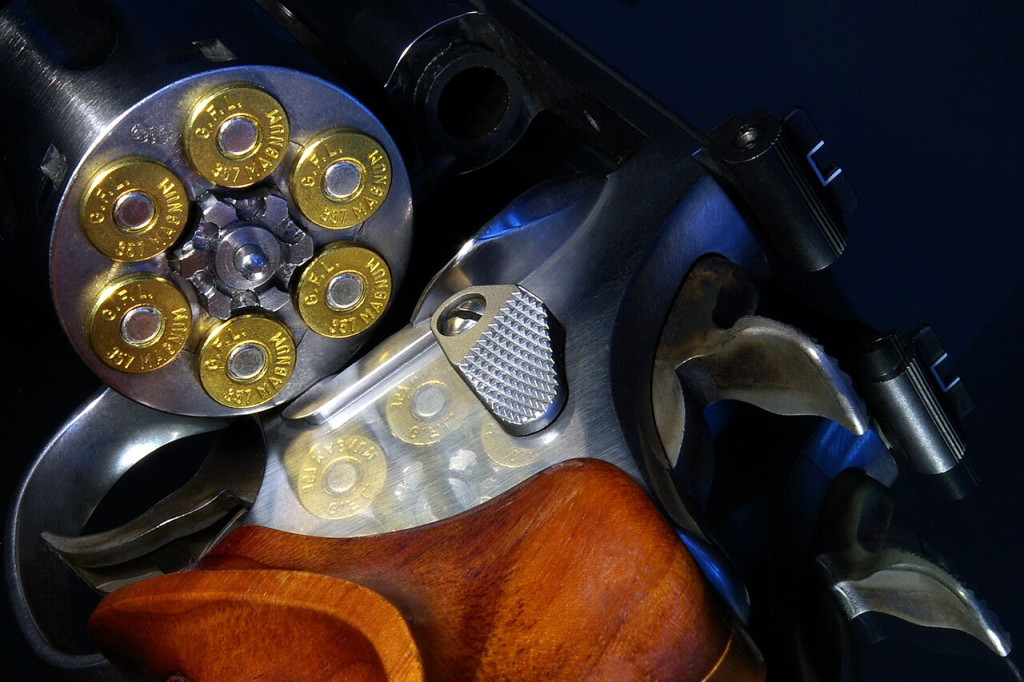
These six pistols arrived from different design eras, and they solve the sidearm problem in very different ways. Some emphasized magazine capacity, some focused on recoil control, and one stayed relevant by avoiding magazines entirely. The common thread was mechanical trust. Steel and alloy did not survive because they were romantic materials. They survived because, in the hands of institutions and specialized users, these pistols kept proving that weight, rigidity, and long-tested lockwork still have a place when a sidearm is expected to work every time.


