Army handgun trials are often remembered for the pistol that won, the caliber that prevailed, or the endurance figure that grabbed attention. The less glamorous lesson is harder to spot: magazines repeatedly sat at the center of reliability, even when test summaries focused on the handgun itself.
That pattern shows up across older XM9-era evaluations and in later service testing. A pistol can post impressive accuracy, survive adverse environments, and still be dragged down by the detachable box that feeds it.
1. Army reliability math treated feeding failures as mission failures
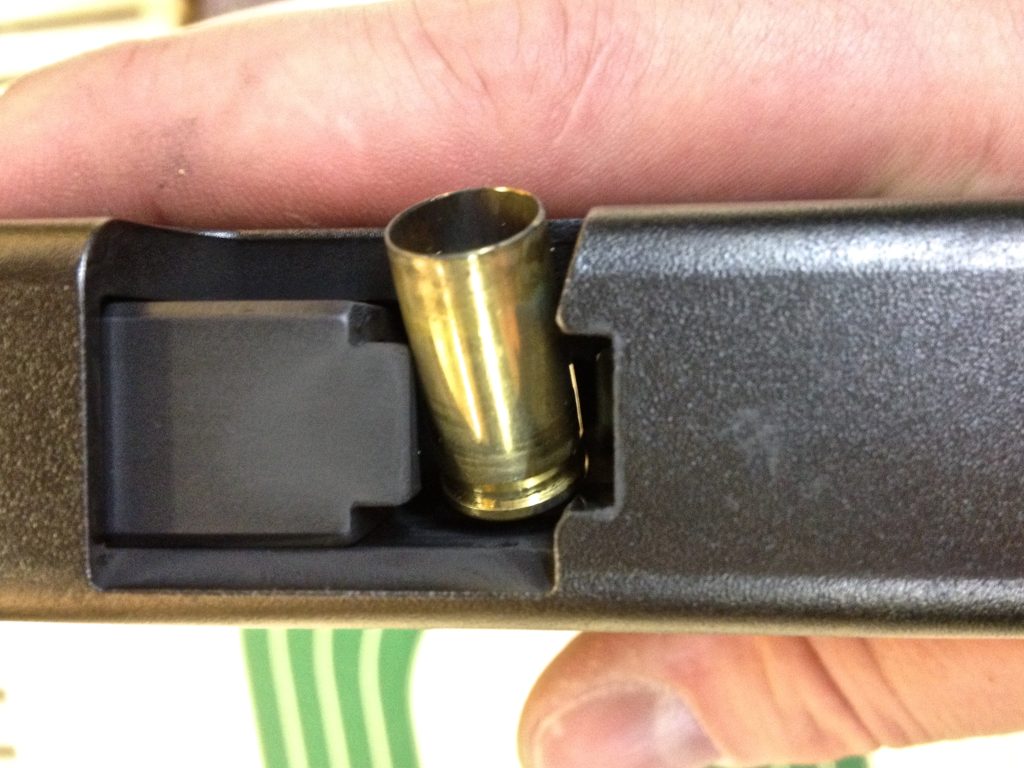
One of the clearest clues came from the Army’s own scoring logic during the XM9 competition. Reliability was expressed as mean rounds between operational mission failure, with malfunctions counted and classified by severity. In practice, that meant stoppages that interrupted firing mattered even when they were not catastrophic breakages. The GAO material on the XM9 trials explained that even minor malfunctions could heavily shape reliability scores, because the formula counted total malfunctions against rounds fired. It also noted that a weapon could post a weaker score while suffering mostly less-serious interruptions. That framework made the feed system especially important, because magazine-related stoppages could pile up quickly and distort the picture of an otherwise sound pistol platform.
2. Harsh-environment tests punished magazines as much as pistols
Mud and salt-water trials were never simple receiver-and-barrel tests. They involved loaded pistols and spare magazines exposed to contamination, then fired over repeated cycles. That detail matters. In the XM9 records, the mud test required a loaded weapon and two spare magazines to be immersed before firing, while the salt-water procedure also used two weapons and a number of magazines. Once grit, corrosion, or residue entered the system, the magazine became a first-contact component. Feed lips, springs, followers, and cartridge stack movement all had a direct role in whether the pistol continued running. Adverse-condition results therefore revealed more than slide-to-frame tolerance; they exposed how well the feeding package survived abuse.
3. High round counts made consumable parts impossible to ignore
Endurance trials have a way of separating durable engineering from fragile details. In one forum summary of the Walther P88’s XM9 experience, both test pistols reportedly cracked frames at about 7,000 rounds, and the design also stumbled in the drop test. Those dramatic failures are memorable, but endurance work has always been just as revealing for magazines because they are wear items cycled constantly under spring tension. That is one reason long-test reliability should never be read as a slide-and-barrel story alone. A service pistol may survive thousands of rounds structurally while its magazines begin to show the first signs of degradation through feed inconsistency, spring fatigue, or damage from repeated handling.
4. Mission-length thinking made every loaded magazine disproportionately important
The Army’s analysts noted that the handgun was considered a last-resort weapon and that expected use involved very short engagements. The GAO discussion said the reliability goal was intended to provide a strong probability of completing a short firing string without interruption. That gave each magazine outsized importance. If a typical defensive use might involve only one loaded magazine, then a single feeding stoppage could erase the practical value of an otherwise respectable aggregate reliability figure. Put differently, the magazine was not just an accessory to the pistol during testing; it was the vehicle for passing the Army’s real mission test.
5. Modern Army testing still highlights the feed system, even when results look flawless
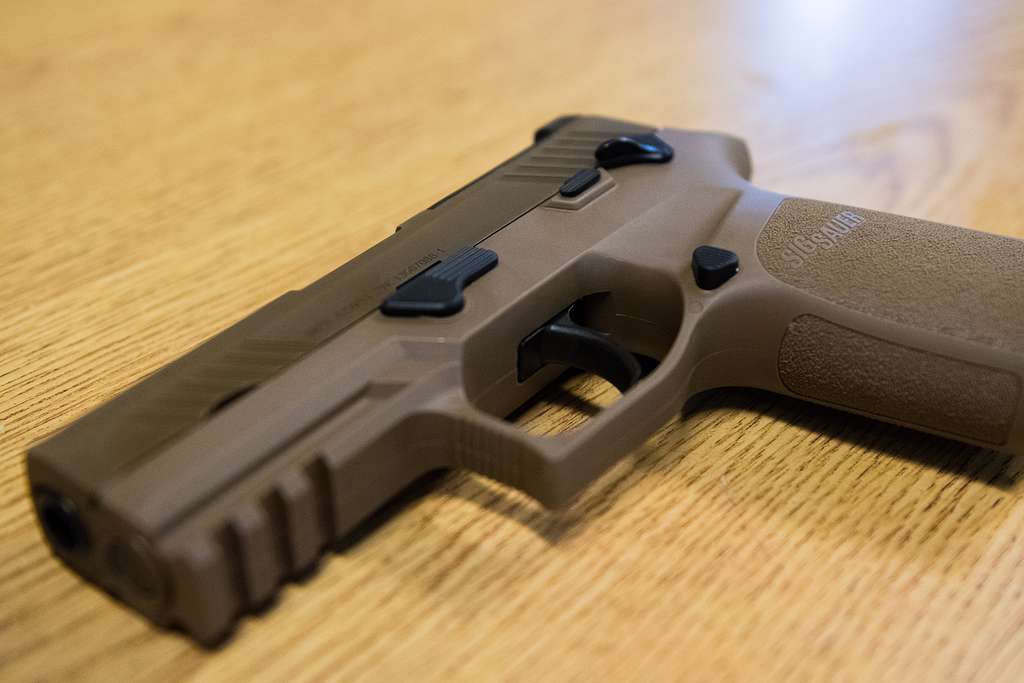
The M18’s later performance showed what happens when the entire package works. SIG stated that three M18 pistols to 12,000 rounds each completed the required reliability testing with zero stoppages, far beyond older lot-acceptance round counts. That kind of result naturally draws attention to the pistol. Yet zero stoppages across that volume also implies consistency from the magazines feeding those pistols throughout the test cycle. In service-handgun evaluation, flawless pistol performance is inseparable from stable magazine performance. The absence of feed-related drama is itself evidence.
6. Magazine testing in other Army small arms reinforces the same lesson
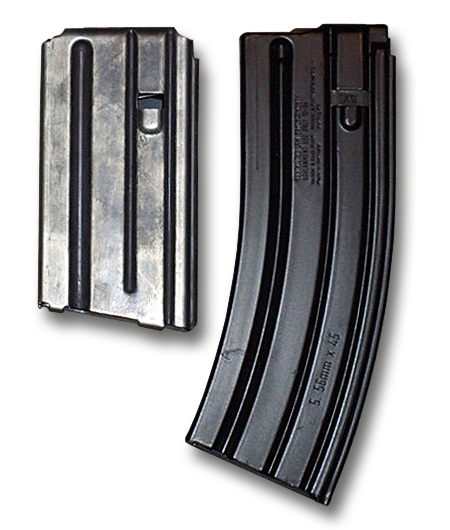
The pattern is not confined to pistols. In Marine Corps testing of M16 and M4 magazines, the Army’s Enhanced Performance Magazine reportedly posted mean rounds between failures below the baseline in most subtests, while another design outperformed it.
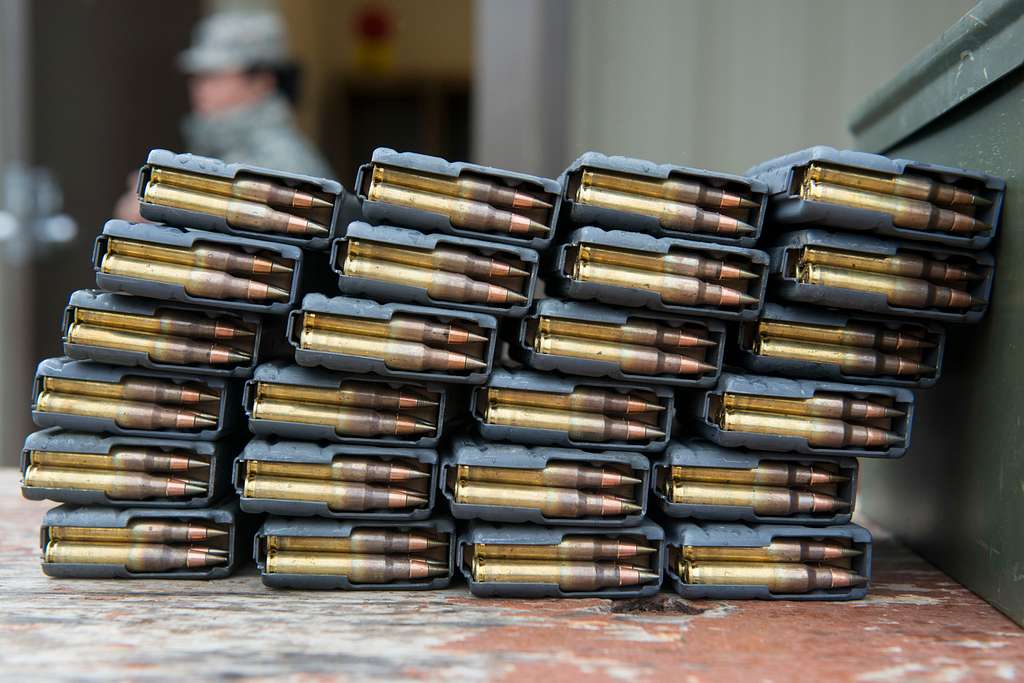
That rifle example matters because it demonstrates a broader truth inside military small-arms trials: the magazine can become the dominant reliability variable long after the firearm itself appears mature. Engineers may refine locking systems, coatings, and barrel life, but if cartridge presentation falters, the whole weapon system looks unreliable in the data.
7. The quiet engineering story is that magazines are treated like parts, but judged like systems
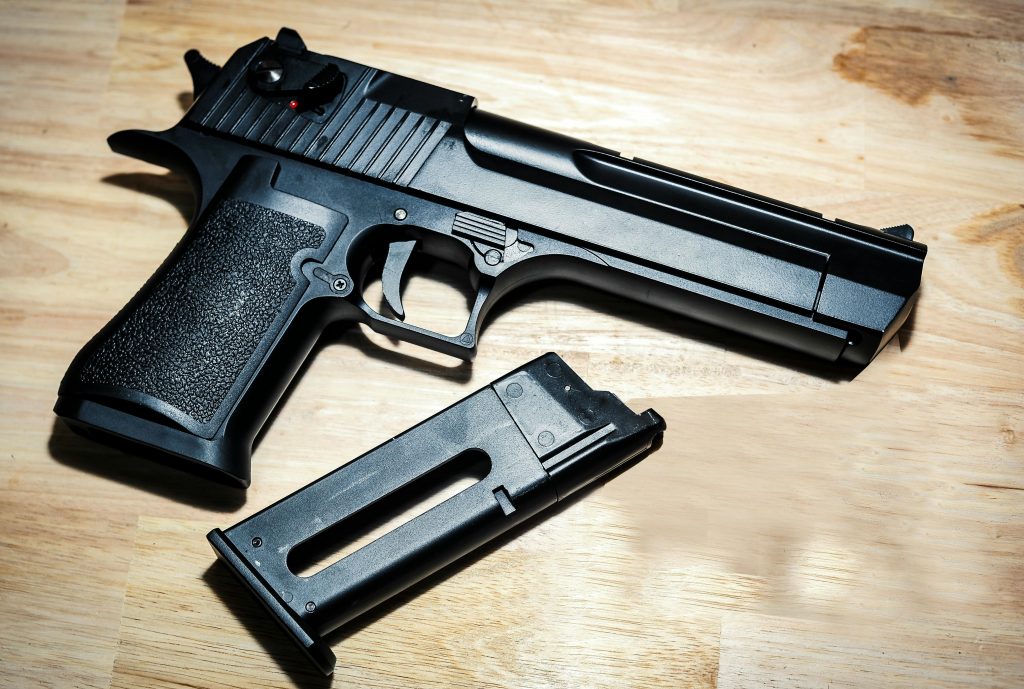
Service pistols are often discussed as singular objects, yet testing never sees them that way. A pistol enters trials with magazines, ammunition, environmental exposure, handling damage, and maintenance variables all interacting at once. The magazine is inexpensive compared with the pistol, but it carries a systems-level burden. That is why historical trial records so often contain a hidden second narrative.
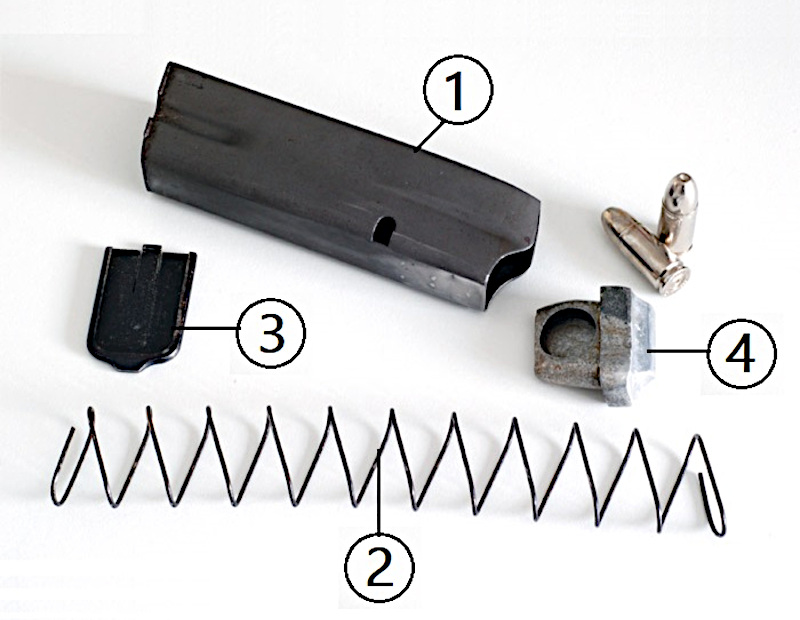
The winner may be remembered as a handgun, but the pass-or-fail reality was frequently determined by the behavior of springs, followers, feed lips, and the cartridge column under stress. The larger takeaway from Army handgun testing is not that magazines occasionally matter. It is that they repeatedly decide whether a pistol’s advertised reliability reaches the target in the first place. For a component that fits in a pouch and is often treated as expendable, the magazine has left an unusually large fingerprint on military sidearm history.


