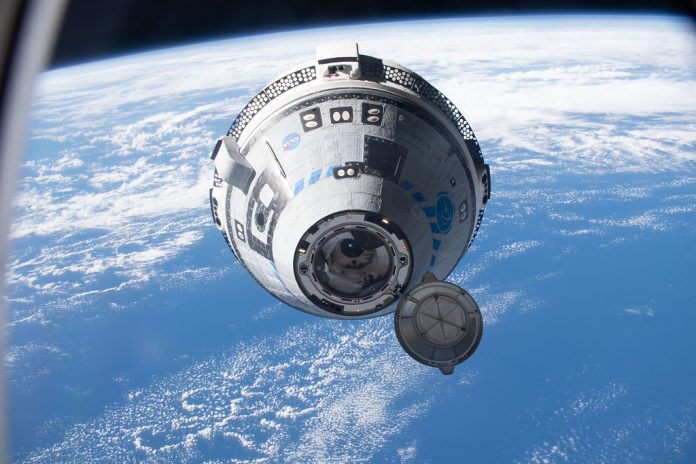
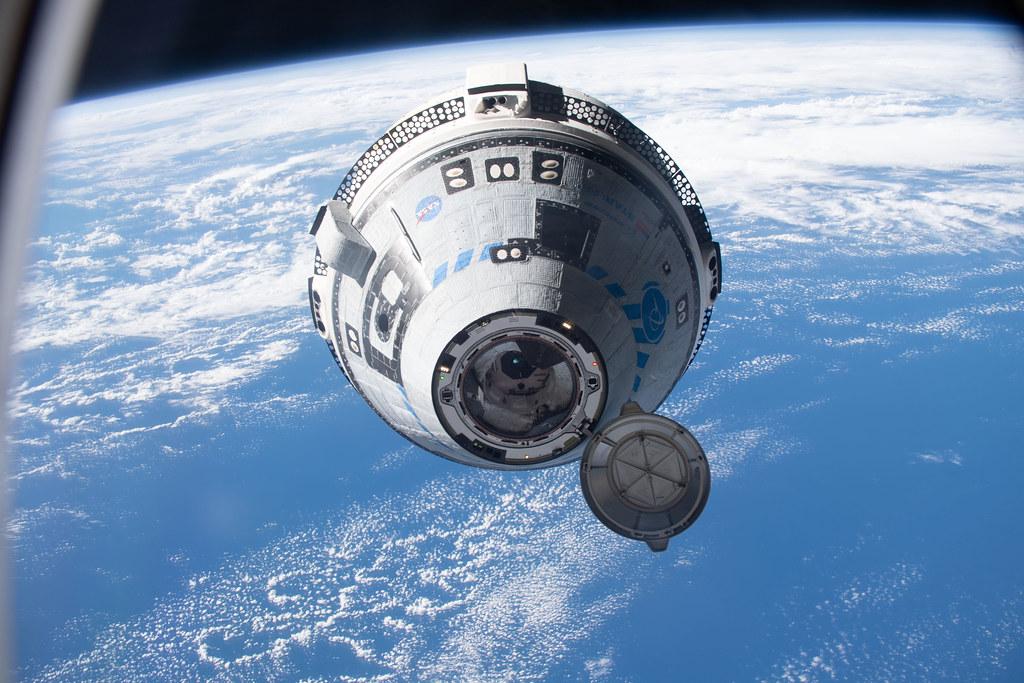
Boeing’s Starliner is no longer heading toward its next mission with a routine crew rotation on the line. The spacecraft’s path back now runs through an uncrewed cargo flight, a reset that reflects how deeply propulsion failures during the 2024 test mission changed NASA’s view of the program.
For Modern Engineering Marvels readers, the real story is not a single bad mission. It is how a spacecraft built for human transport ended up exposing weaknesses in thermal design, leak tolerance, testing discipline, and decision-making culture all at once.
1. The next Starliner mission is a proving run, not a passenger flight
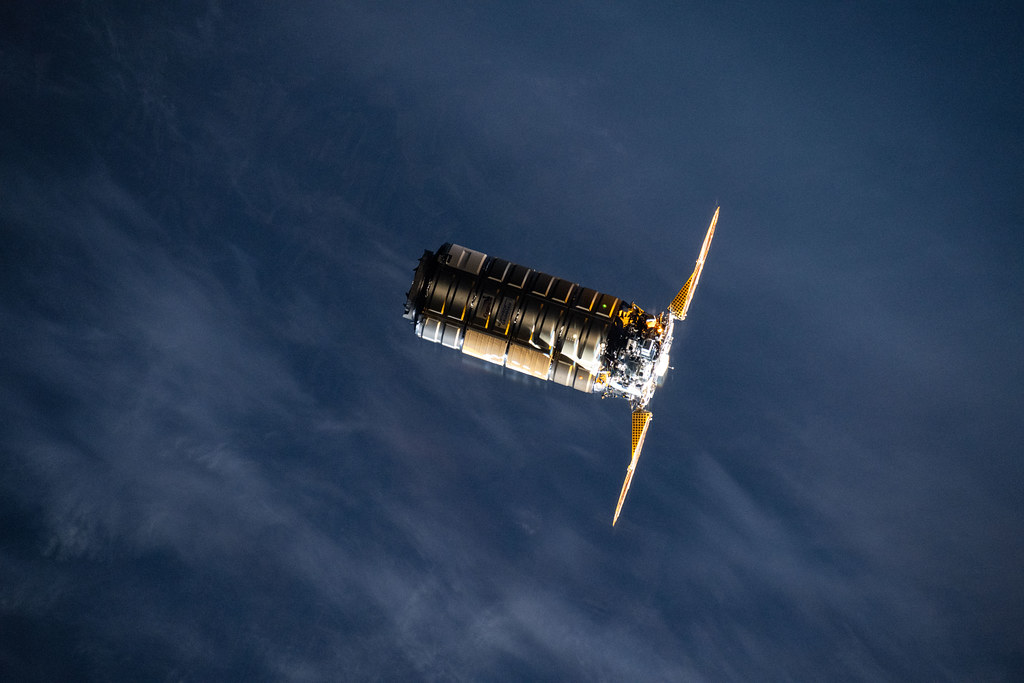
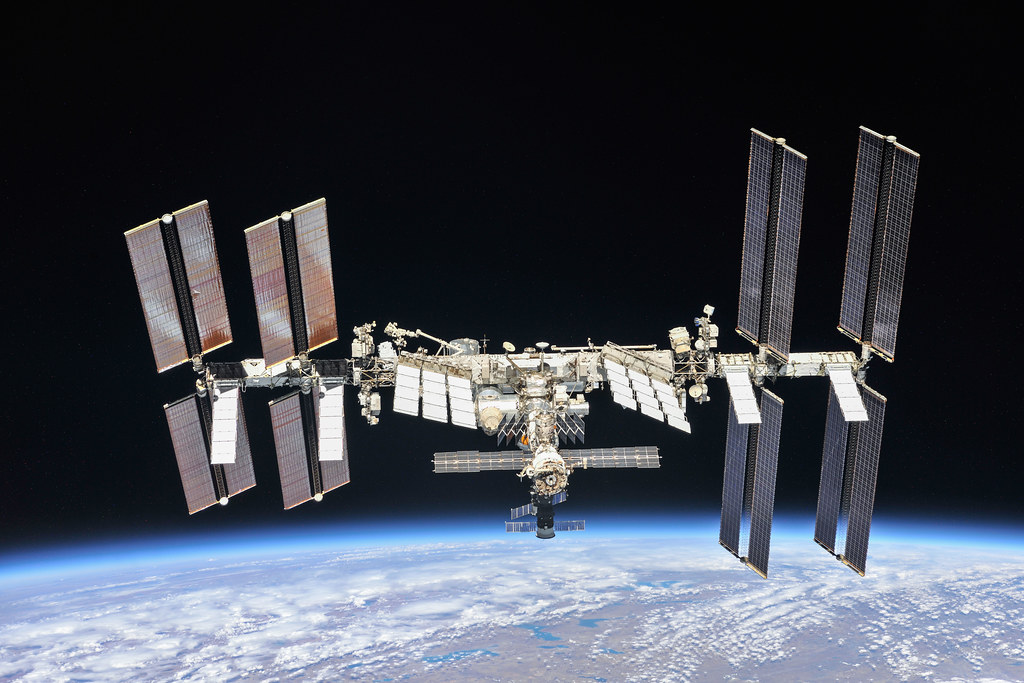
NASA revised Starliner’s near-term role after the crewed test mission ran into serious propulsion anomalies. The next flight, Starliner-1, is set up as an uncrewed cargo mission to the International Space Station rather than the operational astronaut launch once expected. NASA said the contract change lets both sides focus on safety and certification before putting another crew aboard. The shift also narrowed Boeing’s firmly ordered missions from six to four, with two more left as options. That turns the upcoming flight into a systems validation exercise with consequences far beyond cargo delivery.
2. Five failed thrusters exposed a heat problem inside the propulsion system
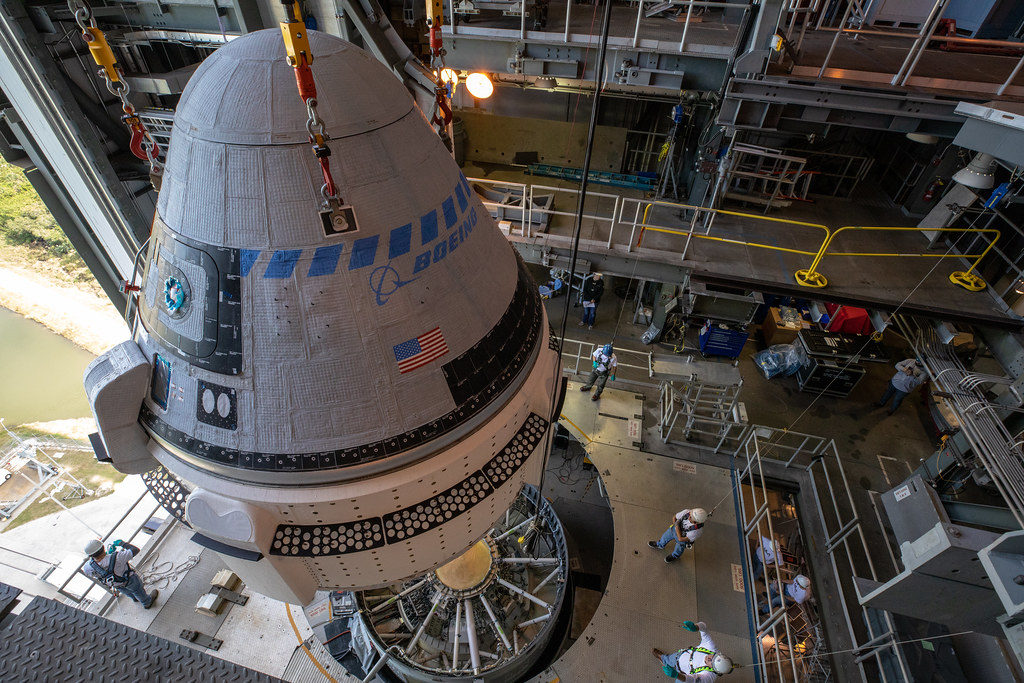
During Starliner’s approach to the ISS, five reaction control thrusters stopped working, forcing the spacecraft to miss its first docking opportunity. Four were later recovered, but the failure pattern pointed to a deeper design vulnerability. NASA’s investigation tied the problem to overheated Teflon poppet seals inside thruster valves. Repeated firings in direct sunlight deformed the seals enough to restrict propellant flow, a result supported by ground testing at White Sands. The issue was not just a component fault. It showed that real thermal conditions could push the thrusters beyond their qualified limits.
3. Helium leaks turned a manageable anomaly into a compounded risk
Starliner launched with one known helium leak, then developed four more in orbit, bringing the total to five. Helium is used to pressurize the propulsion system, so leaks directly affect how reliably propellant can reach the thrusters. Engineers believed enough helium remained for undocking and deorbit operations, and Boeing had to evaluate pressure loss while the spacecraft stayed docked. But once those leaks were considered alongside failing thrusters, the margin for a crewed return tightened sharply. The combination, not any single fault, pushed NASA away from bringing the astronauts home aboard Starliner.
4. The mission revealed a broader verification problem years in the making
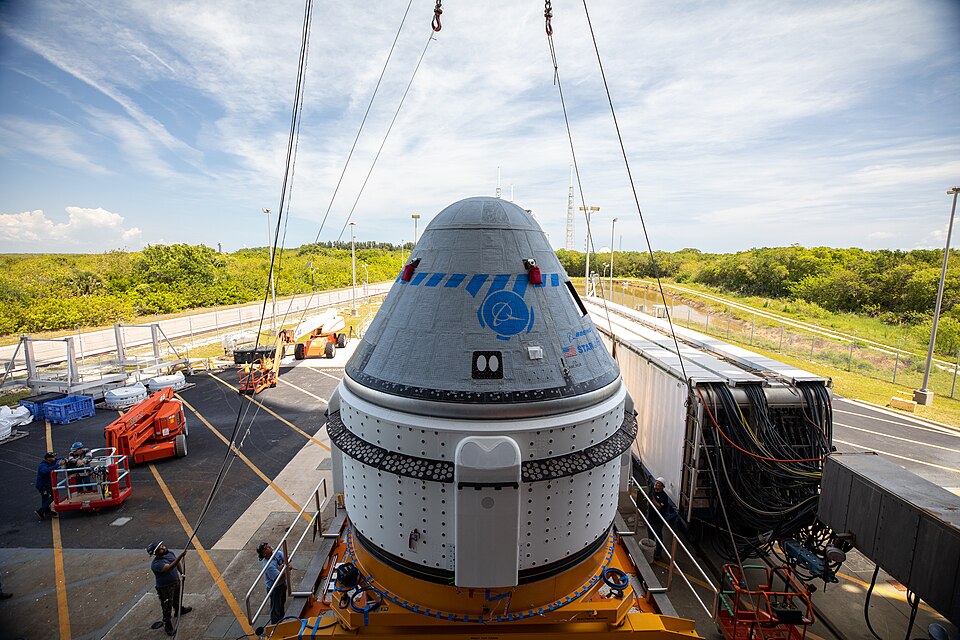
Starliner’s propulsion issues did not appear in isolation. The program had already absorbed major setbacks: software errors on the first uncrewed test flight, oxidizer valve corrosion that delayed OFT-2, and later discoveries involving parachute link strength and flammable wiring tape. NASA’s Aerospace Safety Advisory Panel had repeatedly warned about process escapes, and the later investigation found qualification gaps extending back years. According to the independent review, earlier investigations often fixed immediate symptoms without driving down to root causes. That pattern made the 2024 propulsion breakdown look less like an outlier and more like the accumulated cost of incomplete verification.
5. NASA formally treated the flight as one of its most serious mishaps
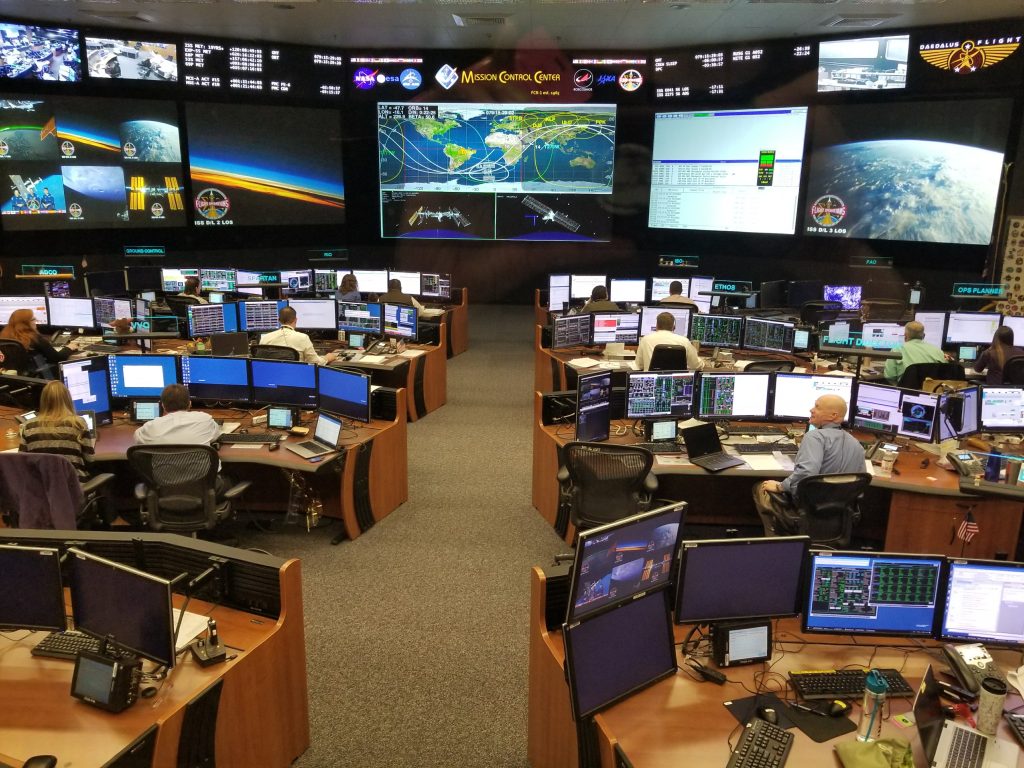
The agency later classified the crewed test flight as a Type A mishap, its highest mishap category. The designation did not mean the mission ended in loss of life, but it did recognize that the spacecraft’s loss of maneuverability and the resulting damage crossed a threshold NASA uses for severe incidents. That classification mattered because it forced the mission into a deeper accountability framework. It also marked a major departure from earlier, narrower descriptions of the problem as a close call centered mainly on technical anomalies.
6. The harshest findings were about leadership and engineering culture
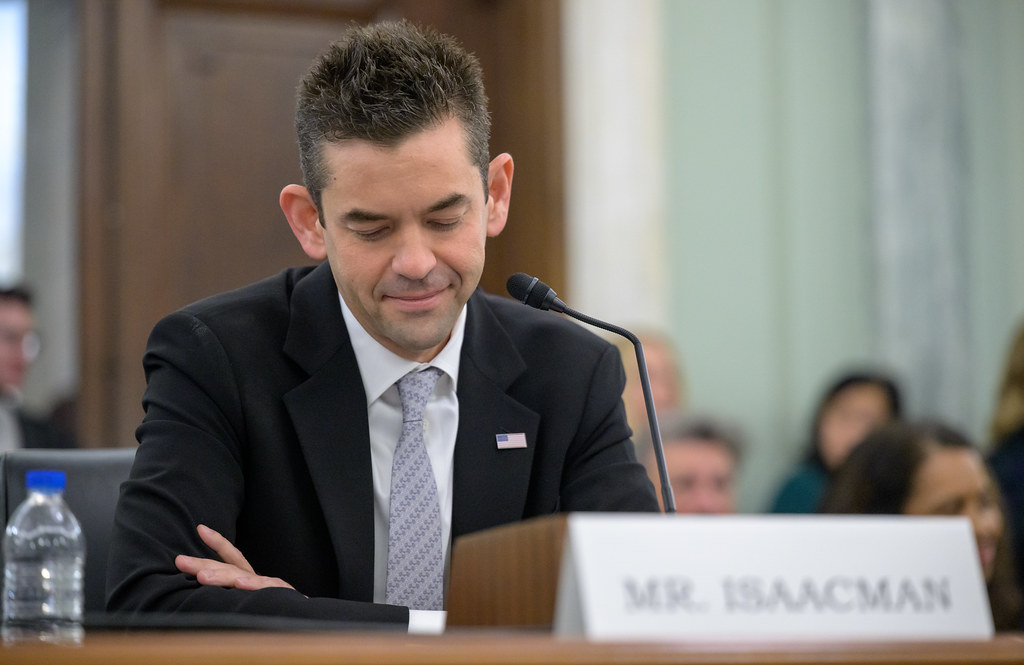
NASA Administrator Jared Isaacman said, “The Boeing Starliner spacecraft has faced challenges throughout its uncrewed and most recent crewed missions. While Boeing built Starliner, NASA accepted it and launched two astronauts to space.” He added that “the most troubling failure revealed by this investigation is not hardware.” The investigation described leadership missteps and cultural breakdowns alongside hardware failures. Interviews cited tense meetings, weak communication, and a perception that some teams had to prove the vehicle unsafe rather than require the contractor to prove it safe. One quote included in reporting on the review captured the atmosphere bluntly: “There was yelling in meetings. It was emotionally charged and unproductive.”
7. Crew Dragon’s record has made Starliner’s weaknesses harder to overlook
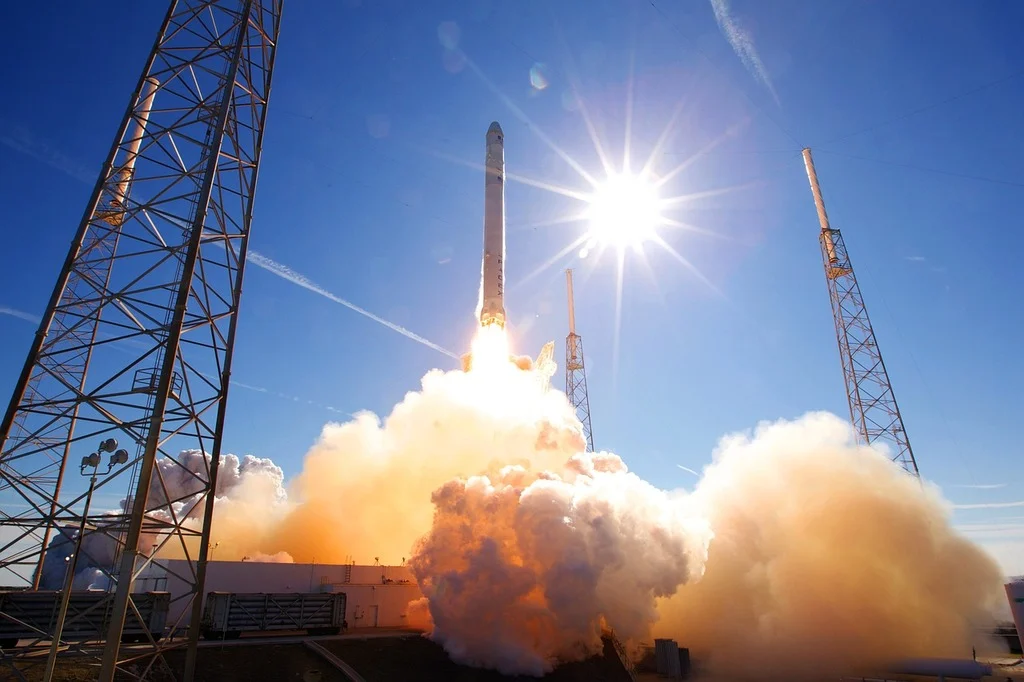
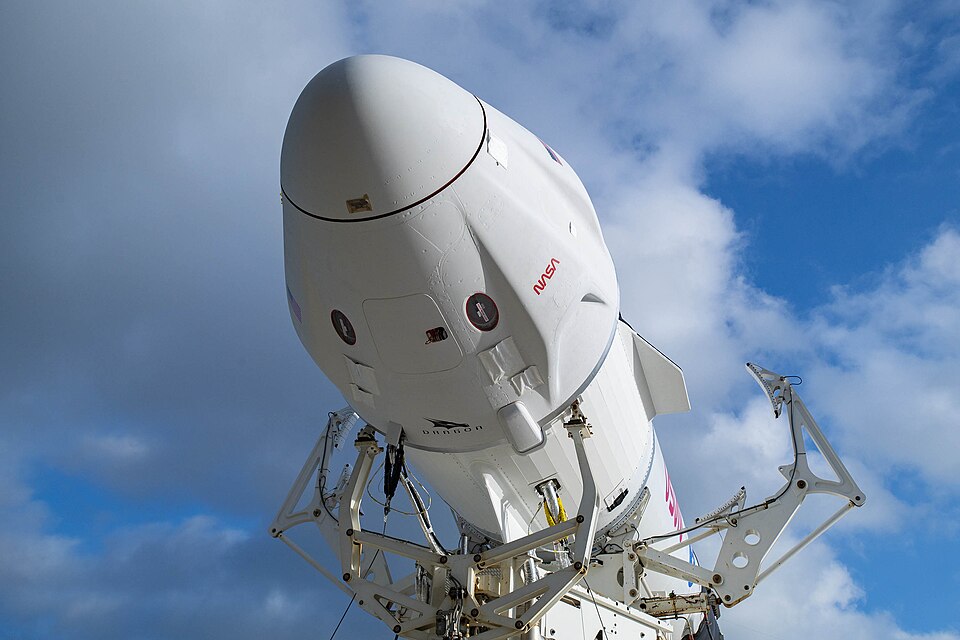
NASA still wants two independent U.S. crew transportation systems, but the comparison with SpaceX’s Crew Dragon has grown sharper. Dragon has carried out a long run of operational NASA crew flights without a comparable propulsion breakdown during approach and docking. The design contrast matters, too. Starliner’s expendable service module is discarded before landing, which limits post-flight inspection of the very propulsion hardware that caused concern. By contrast, Dragon’s architecture preserves more of the flown system for analysis after recovery. In practical engineering terms, that changes how quickly anomalies can be traced and closed out.
8. The cargo flight now carries the burden of Starliner’s future
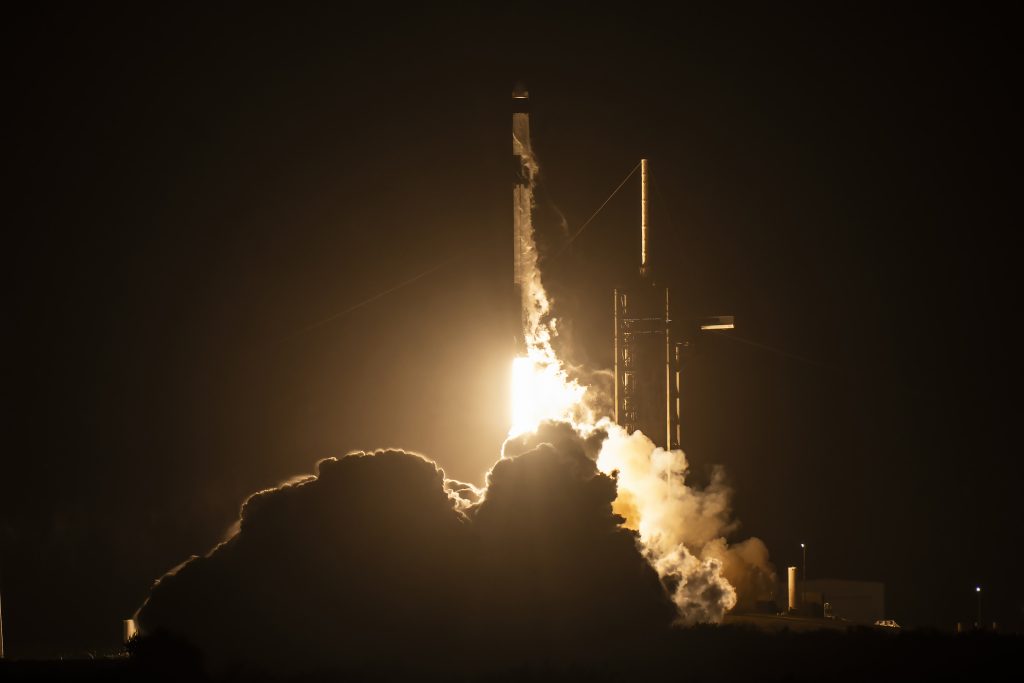
NASA and Boeing are using ground tests, thermal cycling, leak checks, and updated modeling to qualify redesigned thruster doghouses and helium-system changes before launch. NASA has also stated that no new crew will fly on Starliner until technical causes are corrected, the propulsion system is fully qualified, and investigation recommendations are implemented. That makes the next mission far more than a logistics exercise.
With the ISS expected to retire in 2030 and Boeing already carrying billions in losses on the fixed-price program, each remaining launch opportunity has become more valuable. If the cargo mission succeeds, Starliner can still become the second U.S. crew transport NASA has long wanted. If it stumbles again, the spacecraft’s role may narrow permanently before it ever settles into regular service.
Starliner’s propulsion troubles did more than delay a schedule. They forced a rare, public reevaluation of how spacecraft are tested, how risk is accepted, and how much unresolved design debt can be carried into a human mission. The next flight will not settle every question, but it will show whether Boeing and NASA have actually changed the system that allowed the last ones to build up.


