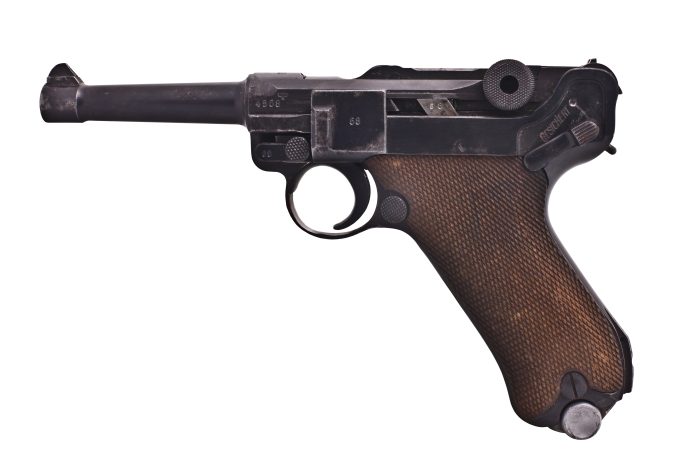
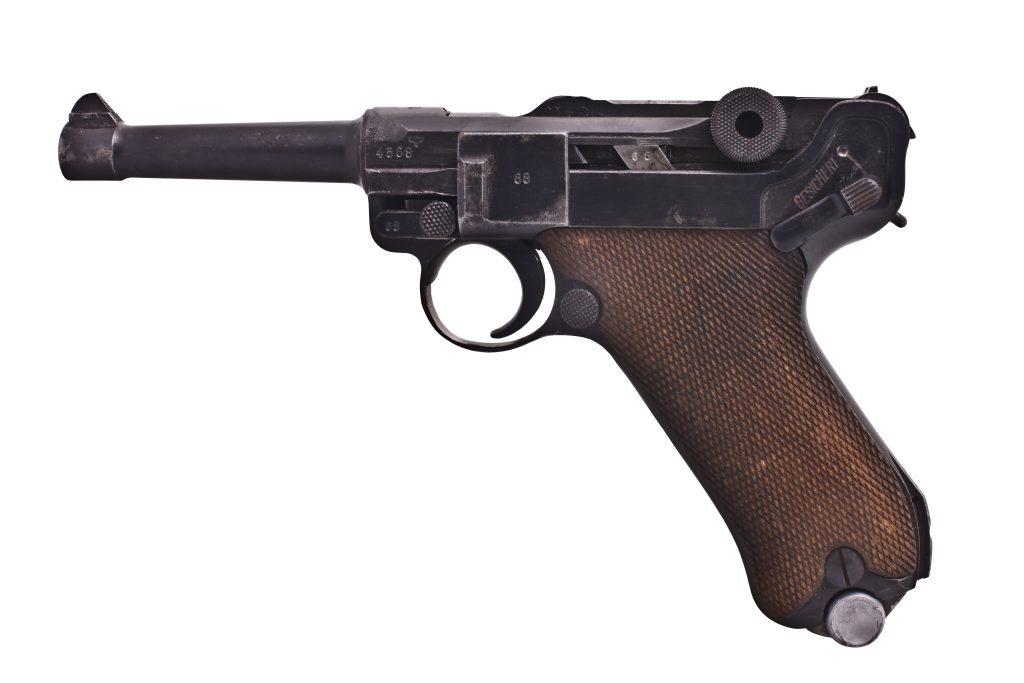
Few machines in regular use are as conservative as firearms. New finishes, new materials, and new marketing labels appear constantly, but the underlying ideas often come from much older designs that solved hard mechanical problems first. That is especially true when a platform got the fundamentals right: feeding, locking, recoil control, modularity, or user ergonomics. Many current rifles and pistols look modern on the outside while carrying design DNA that was established generations ago.
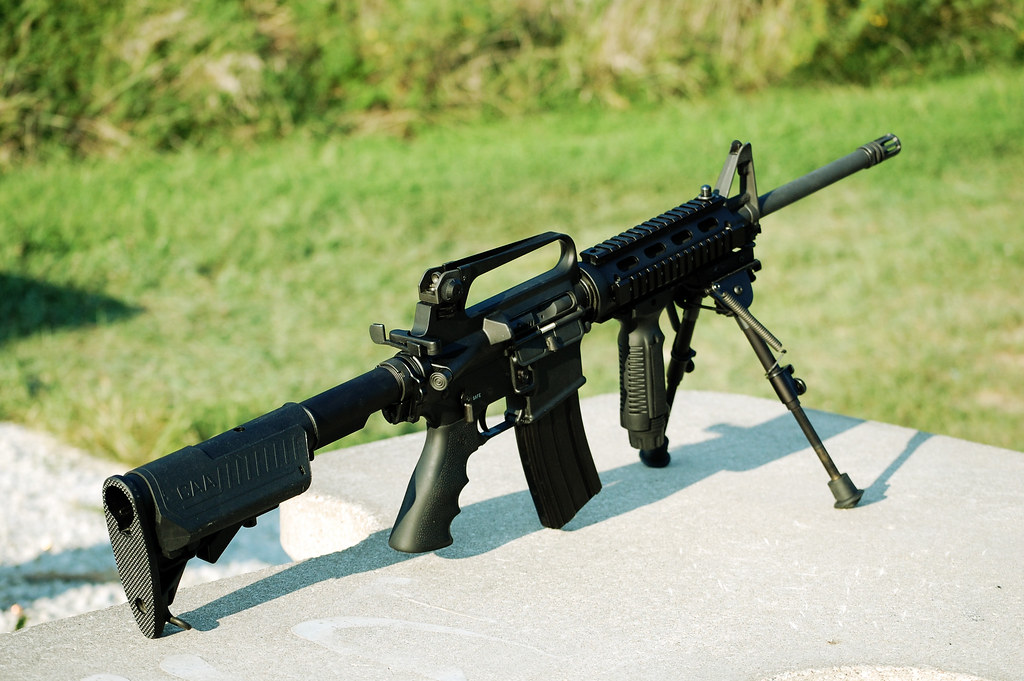
1. The AR-15’s modular receiver layout
Modern rifle design borrowed heavily from the AR-15’s most practical innovation: turning a rifle into a system rather than a fixed configuration. Its split upper and lower arrangement made it unusually easy to maintain, reconfigure, and adapt for different roles. That matters because a platform becomes more durable in the market when users can change barrels, stocks, optics interfaces, triggers, and even calibers without replacing the entire gun.
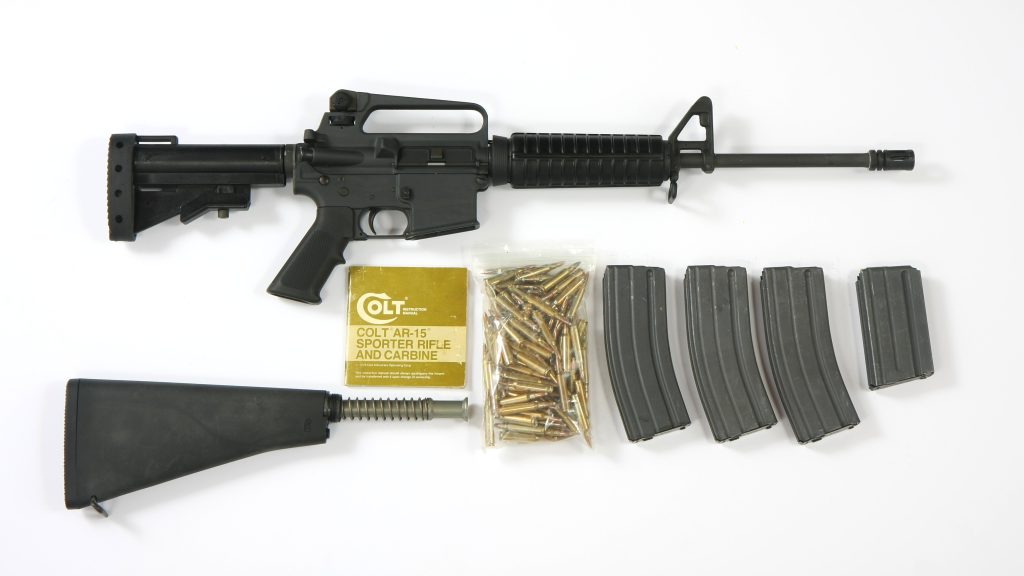
The pattern’s staying power is tied to how thoroughly it normalized parts interchangeability. The rifle’s popularity in the United States reached into the millions of rifles, and that scale encouraged an enormous ecosystem of compatible components. Modern sporting rifles, precision semi-autos, and even some non-AR platforms now chase the same formula: a serialized core paired with swappable assemblies, easy fieldstripping, and a furniture layout built around user preference rather than factory finality.
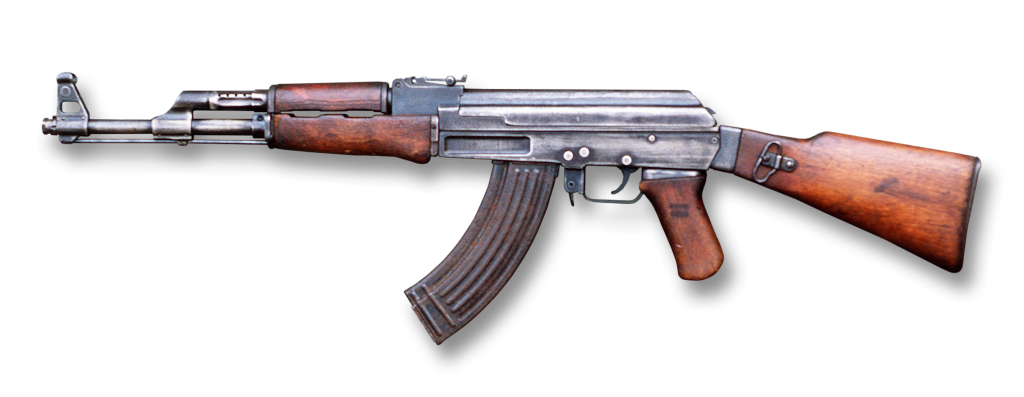
2. The AK-47’s tolerance-first reliability philosophy
Many modern guns still imitate the AK family’s basic engineering lesson: absolute refinement is not always the priority. Reliability under neglect, debris, rough handling, and environmental stress can be designed in through generous clearances, strong springs, sturdy magazines, and a feed path that avoids needless complexity.

The AK’s reputation did not come from a single miracle part. Its magazine geometry, robust spring setup, and simple chamber alignment were all aimed at keeping the gun running when conditions were poor. That design philosophy still appears in contemporary service rifles and ruggedized carbines that favor strong extraction, forgiving tolerances, and magazines built like structural components. Even when newer rifles are more precise or lighter, many still quietly adopt the Kalashnikov idea that a fighting rifle should keep cycling when dirt, moisture, and fouling start stacking up.
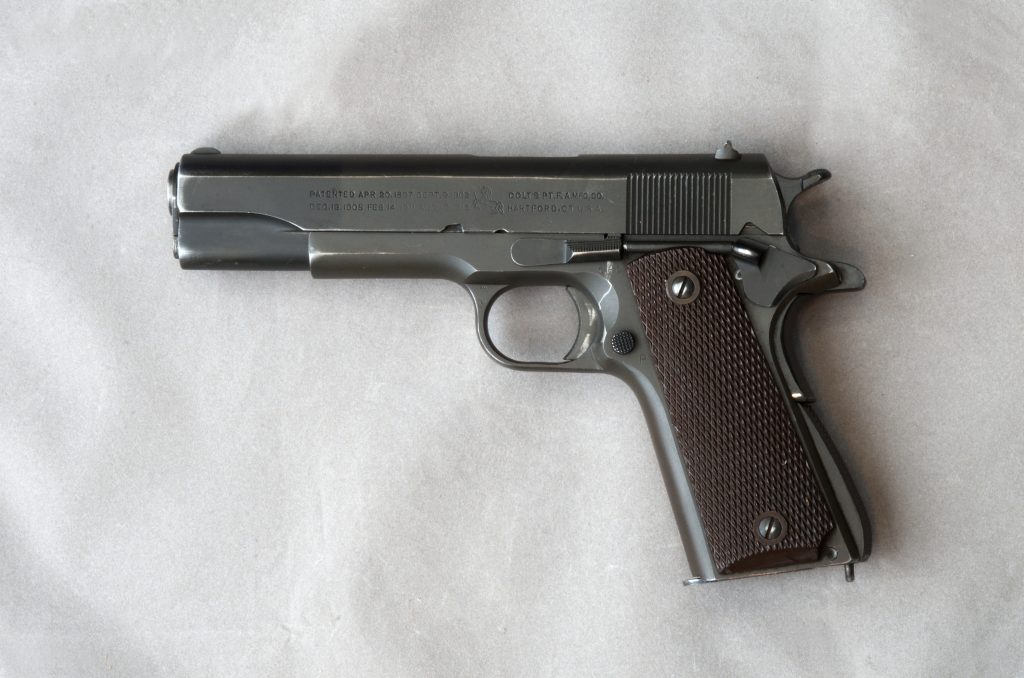
3. The 1911’s grip angle and straight-pull trigger
Modern handguns rarely look like a 1911, but many still chase the handling traits that made it endure. The pistol’s slim profile, natural point ability, and crisp single action trigger set a standard that designers have been answering ever since. Competitive pistols, premium duty handguns, and high end carry guns continue to borrow from that formula, especially when the goal is precise shot placement and predictable trigger control.
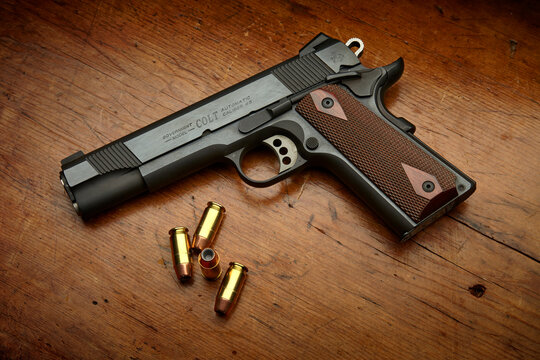
The design also proved that longevity creates its own engineering gravity. After patent protection expired, the pistol became one of the most copied handgun designs, and its influence spread far beyond literal clones. Modern double stack variants, often grouped under the 2011 label, preserve the same operating logic while increasing capacity and modularity. Even pistols that use different lock work still imitate the 1911’s ergonomics, low bore presentation in the hand, and emphasis on shoot ability over pure compactness.
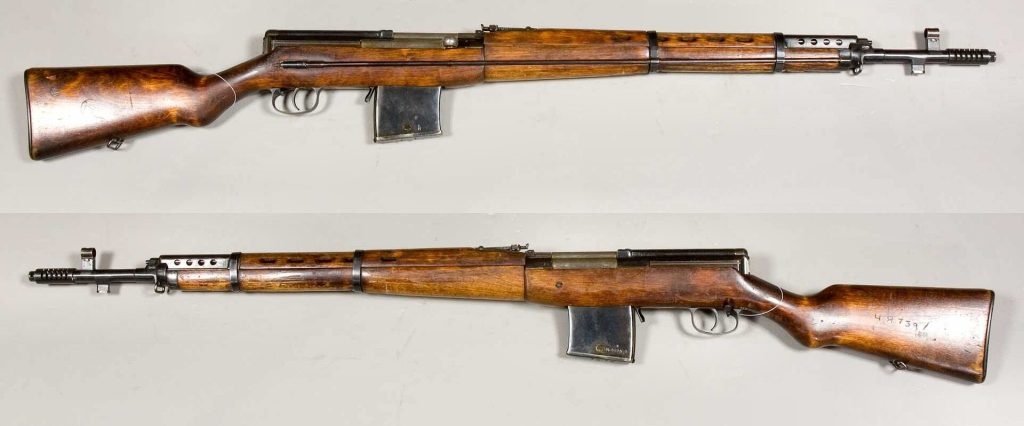
4. John Browning’s gas operation breakthrough
A large share of today’s self-loading long guns owe a debt to Browning’s early work with gas operation. His 1890 “Flapper” experiment demonstrated that propellant gases could be harnessed to cycle an action, opening a design path that later became central to semi-automatic rifles, machine guns, and countless military small arms.
That original mechanism was not the final form, but the principle endured. According to Browning’s gas operated prototype rifle, the concept helped establish an alternative to recoil operated systems. Modern short stroke and long stroke gas guns differ in execution, yet they still follow the same core idea: use gas energy to unlock, drive, and reload the firearm with repeatable timing. A great deal of present-day rifle design is really a refined argument about how Browning’s insight should be packaged.
5. The FN 1900’s slide based pistol architecture
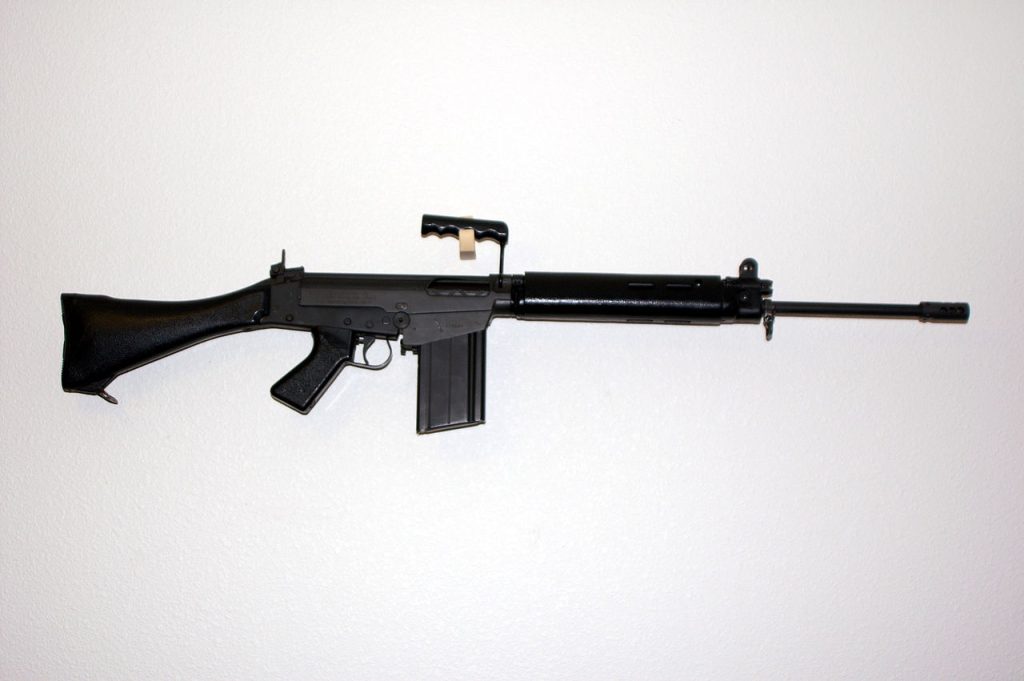
Before the semi-automatic pistol became normal, it had to become mechanically legible. The FN Model 1900 helped do that by establishing a slide-driven form that would become deeply familiar: a reciprocating upper section, a fixed barrel arrangement, and a compact profile suited to everyday carry rather than pure novelty.
Its historical importance lies in how clearly it previewed the modern pistol silhouette. The pistol introduced a slide action design that became standard across later handguns. Contemporary striker-fired pistols are far removed in materials and internal safeties, but the basic visual and functional grammar remains recognizable. That is why so many current pistols, regardless of brand, still look like descendants of a turn-of the century breakthrough.
6. The StG 44’s intermediate cartridge rifle concept
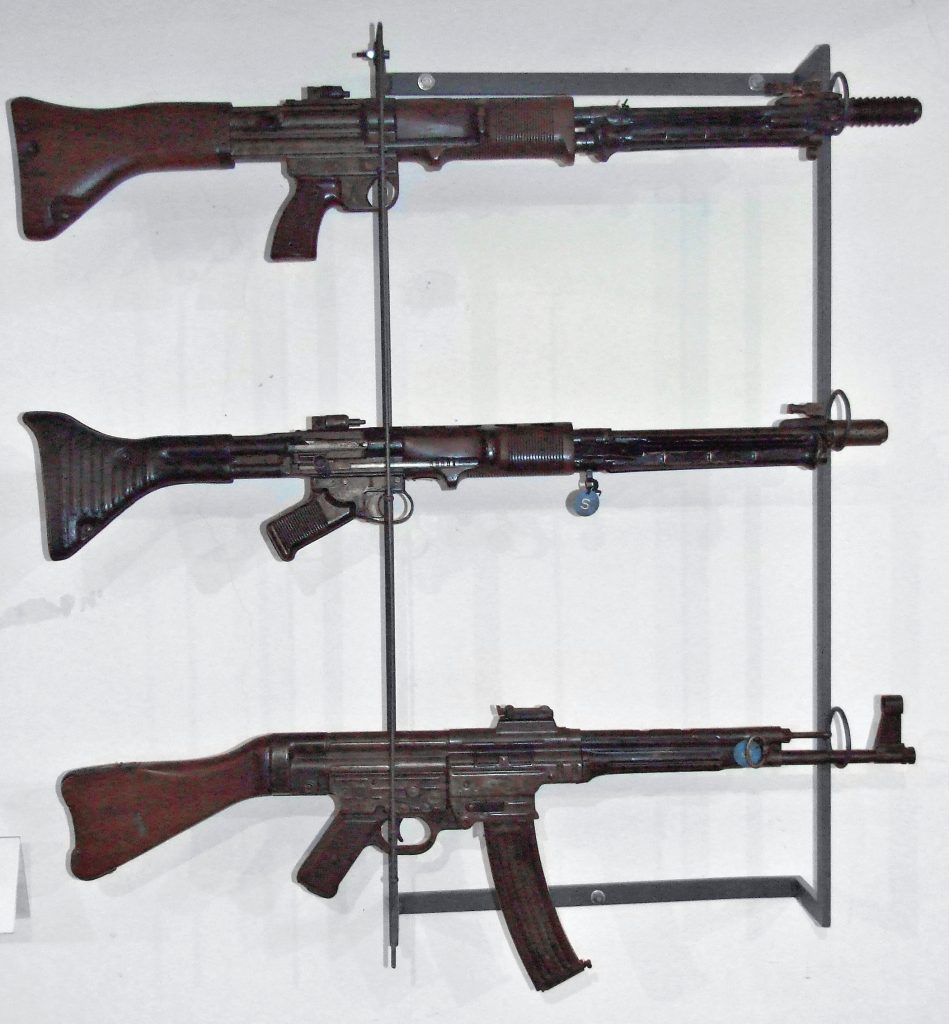
The modern carbine era still operates in the shadow of the StG 44. Its most important contribution was not cosmetic styling but the pairing of select-fire capability with an intermediate cartridge, creating a weapon that bridged the gap between full-power battle rifles and pistol-caliber submachine guns.
That balance changed what an individual shoulder arm could be asked to do. The StG 44 established a practical template for controllable rapid fire, useful magazine capacity, and effective performance at ordinary combat distances. Later rifles did not simply resemble it; they inherited the same mission logic. The idea that a service rifle should be light enough to handle quickly, soft enough to control, and powerful enough for realistic engagement ranges remains one of the most durable concepts in firearms engineering.
Most successful gun designs do not disappear. They dissolve into later products, where old answers are repackaged as new features. That is why so many current firearms feel familiar under the branding and accessories. The materials may be newer and the manufacturing far more efficient, but the mechanical blueprint often belongs to an earlier design that solved the problem first.


