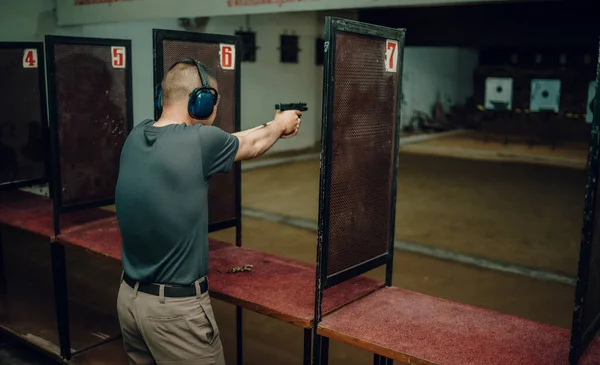
A surprising number of range check-ins end before the first magazine is loaded. The problem is often not the firearm, but the ammunition brought through the door.
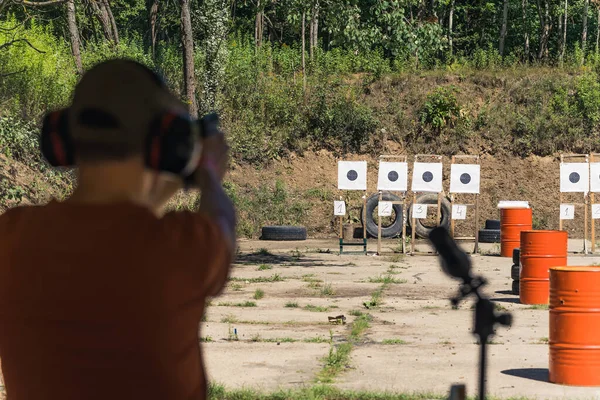
Modern ranges have become more selective about what they allow on the firing line, especially indoors. Backstop wear, spark risk, cleanup costs, and lane design all shape those rules. A shooter who understands those limits is far less likely to be stopped at the counter, asked to swap ammo, or told to come back another day.
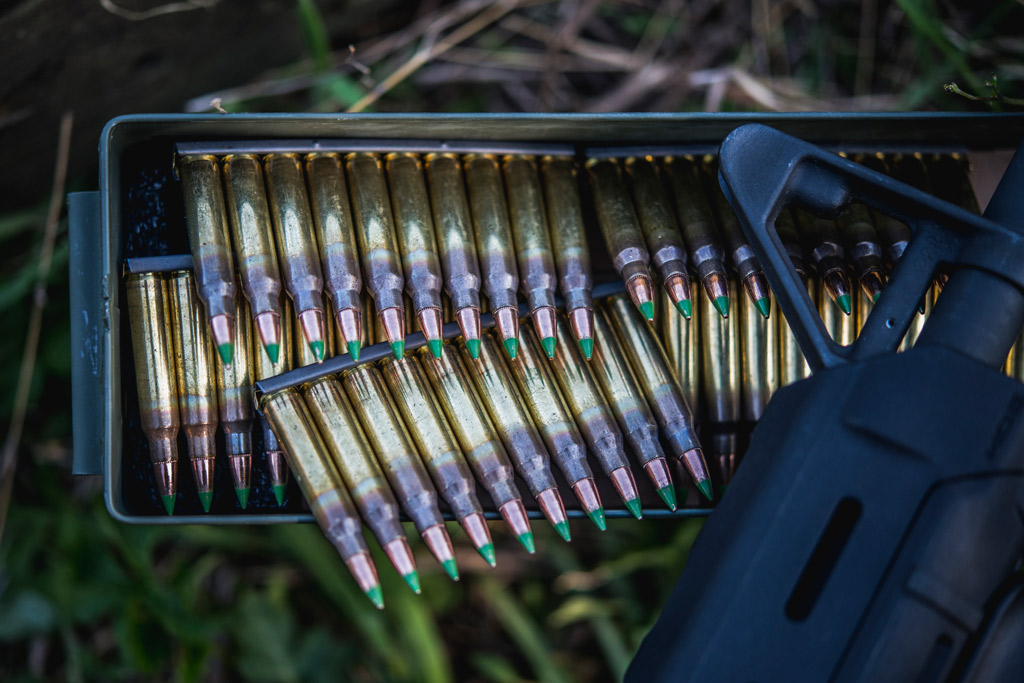
1. Bringing green-tip 5.56 without checking the policy
One of the most common mistakes is assuming all 5.56 ball ammo is treated the same. Many ranges flag M855 immediately because of its steel penetrator, even though that load is widely misunderstood. The issue for range operators is usually equipment damage, not mythology.
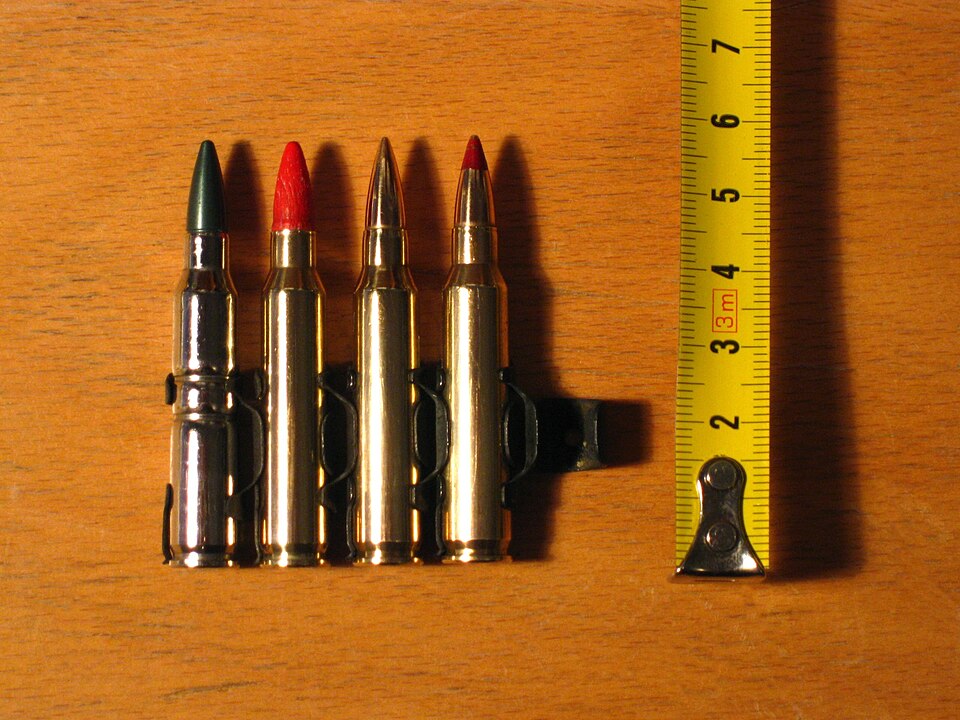
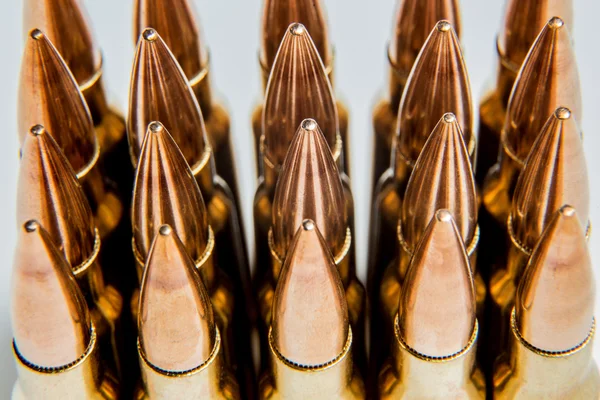
Green-tip rounds use a 62-grain projectile and are known for being harder on steel targets and backstops than standard lead-core range ammunition. Outdoor facilities may also reject them because steel-containing projectiles can throw sparks in dry conditions. A shooter who arrives with only green-tip ammo may find that a perfectly legal cartridge is still a non-starter on that specific range.
2. Confusing steel-cased ammo with range-safe ammo
Many shooters focus on the case material and miss the more important detail: the projectile. Steel-cased ammunition is often banned outright, but not always because of the case itself. In many imported loads, the bullet jacket contains steel, which can be identified with a magnet and can be rough on traps and target systems. That distinction matters. Some range rules simply say no steel case, while the underlying concern is actually a bi-metal jacket or steel in the bullet. The practical result is the same at the counter: if the ammunition attracts a magnet, staff may reject it. A shooter who assumes “steel case” only affects brass resale value can still be turned away because the range is protecting its equipment.
3. Showing up to an indoor lane with rifle cartridges
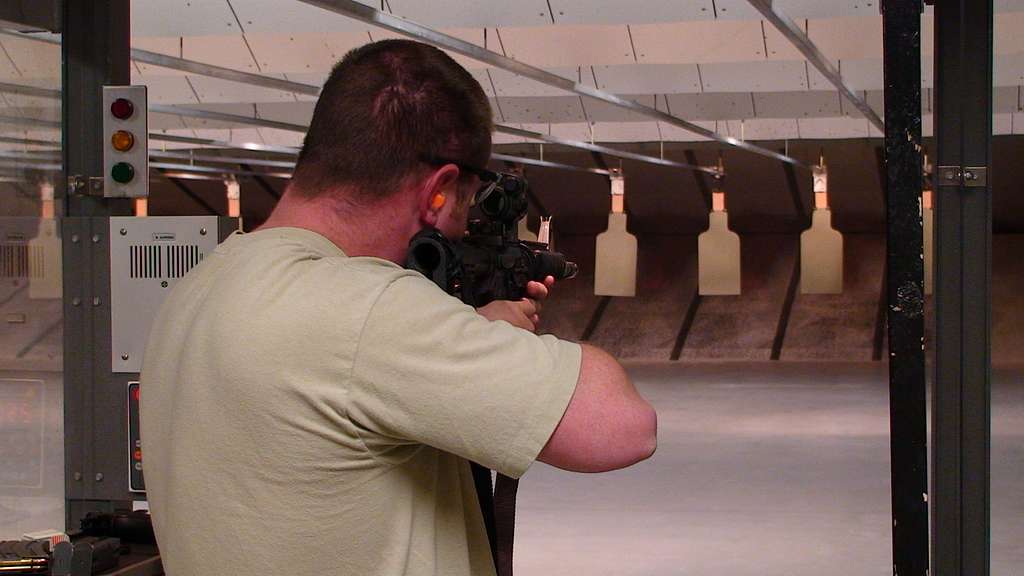
Indoor ranges vary widely, but many do not allow bottleneck rifle rounds at all. Some facilities publish rules that specifically prohibit bottleneck ammunition such as 223, 5.56, and 7.62, along with other high-energy loads that exceed the design limits of the range. This catches shooters who treat every range like a universal practice space. Indoor ventilation, trap construction, target carriers, and lane dimensions are often built around handgun use. Bringing a carbine does not guarantee that the matching rifle ammo will be accepted, even if the firearm itself is otherwise welcome.
4. Assuming “not armor piercing” means universally allowed
A round can be legal and still prohibited. That gap causes repeated friction at modern ranges. Green-tip ammunition is a strong example. It does not fit the common public shorthand attached to it, yet ranges still exclude it because policy is driven by target damage and fire prevention, not just by legal labels. Staff are enforcing site-specific rules, and those rules usually reflect maintenance realities more than marketing terms or internet arguments.
5. Failing the magnet test before leaving home
A simple magnet can prevent a wasted trip. Shooters often buy bulk ammunition without realizing that some full metal jacket loads use jackets formed with steel under a copper wash. That can trigger the same rejection as obviously restricted ammo. This mistake is especially common with inexpensive imported rifle ammunition, but it is not limited to rifles. A quick check at home can reveal whether a range is likely to object. When the front desk performs that test first, the conversation is already headed in one direction.
6. Ignoring the difference between outdoor and indoor restrictions
Ammo that is acceptable outdoors may still be refused indoors, and the reverse is not always guaranteed either. Indoor facilities focus heavily on trap damage, ventilation, and lane safety. Outdoor ranges may be more tolerant of power levels, yet more cautious about sparks and fire conditions. That difference explains why a shooter can use the same load at one property and be denied at another a few miles away. Range rules are built around infrastructure, terrain, and insurance realities. Treating all range ammo policies as interchangeable is one of the fastest ways to end a session before it starts.
The pattern behind most ammo rejections is simple: ranges are protecting backstops, steel, ventilation systems, and the ground beyond the firing line. The details vary, but the mistake is usually the same arriving with assumptions instead of verified range-safe ammunition. For most shooters, the cleanest solution is to match ammo to the facility before packing the range bag. A posted rule, a quick call, or a magnet test often settles the issue long before the first cease-fire command is ever heard.


