The 9mm did not stay dominant by accident. Its long run at the center of military, police, and civilian handgun design came from a rare combination of controllable recoil, efficient magazine capacity, and a cartridge size that fit the engineering needs of self-loading pistols unusually well.
Service pistols helped prove that formula in the real world. From early military sidearms to polymer duty guns that reset expectations for weight and durability, these designs show why the 9mm became less of a trend than a standard.
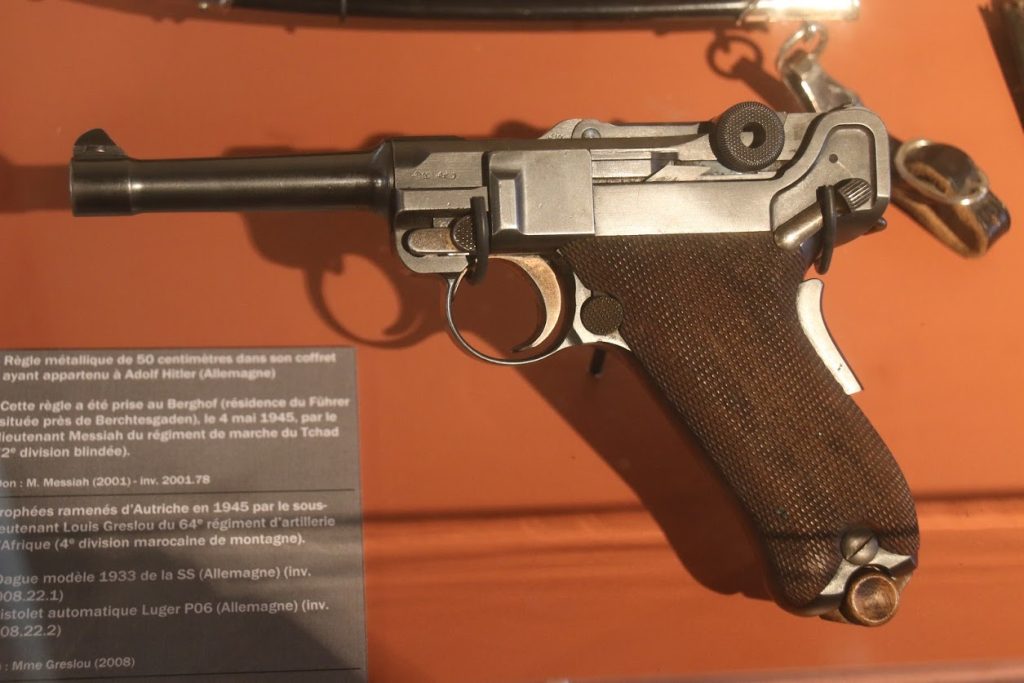
1. Luger P08
The Luger P08 sits at the beginning of the story because the pistol and cartridge grew together. Georg Luger’s 1902 9mm cartridge design gave militaries a round built for autoloading handguns rather than revolvers, and that mattered far beyond one pistol model. The toggle-lock mechanism made the gun mechanically distinctive, but its larger legacy was showing that a compact, rimless cartridge could feed and function in a service sidearm with speed and consistency. German naval adoption in 1904 and army adoption in 1908 helped push the round into global view.
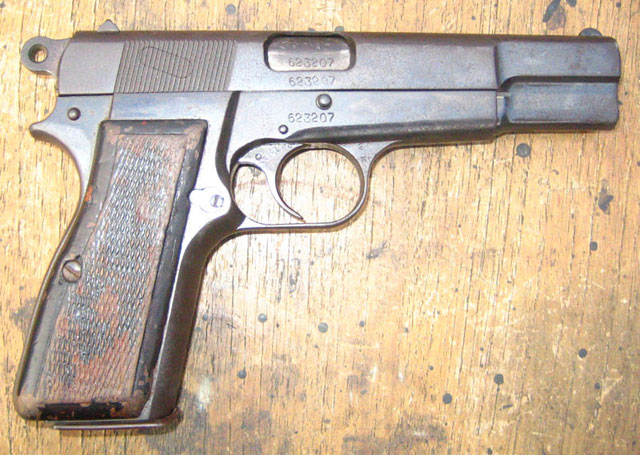
2. Browning Hi-Power
The Browning Hi-Power changed expectations for capacity. Finalized by Dieudonne Saive from John Browning’s earlier work, the P.35 arrived with a double-stack magazine that made high-capacity 9mm service pistols feel practical long before the “Wonder Nine” era had a name. That combination of high capacity, manageable recoil, and a relatively slim grip became a template that later service pistols kept revisiting. Its long military life across multiple countries also gave the 9mm a durable institutional foothold.
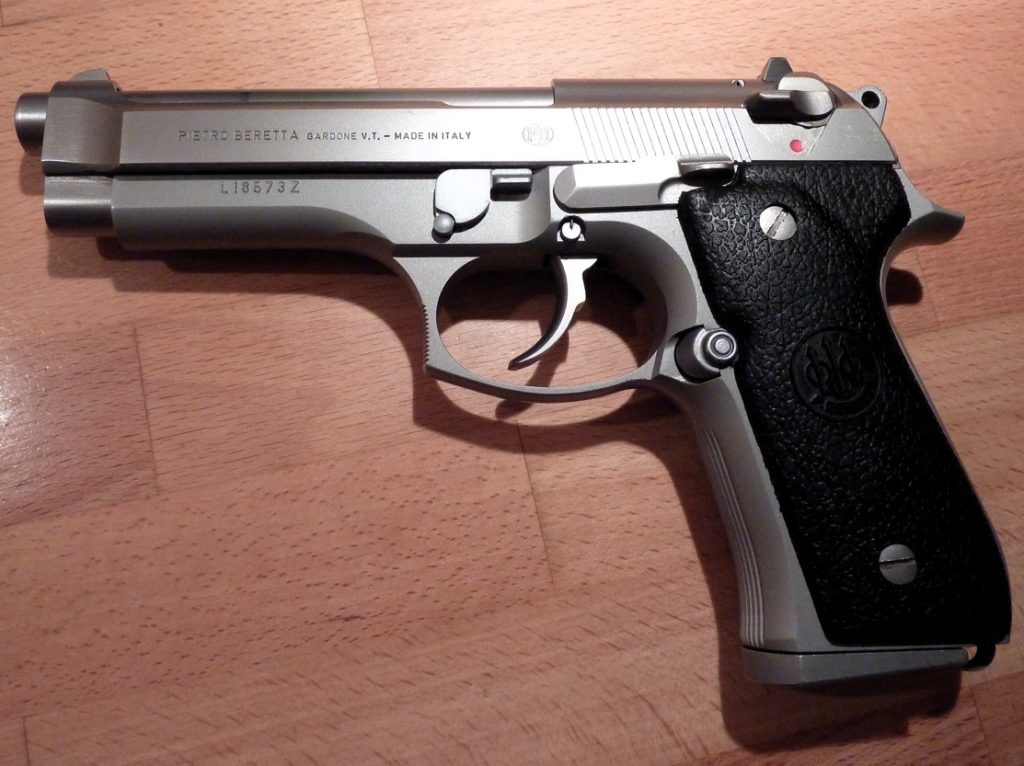
3. Beretta 92
The Beretta 92 brought refinement to the large-frame service pistol. Its open-slide design became one of its signatures, helping smooth cycling and reduce sensitivity to stoppages, while the metal frame made recoil feel softer than many shooters expected from a full-power service sidearm. When the U.S. military adopted it as the M9 in 1985, the pistol became one of the most visible examples of America’s shift from .45 ACP service handguns toward NATO-standard 9mm. That transition reinforced the cartridge’s place not only as a ballistic choice, but as a logistics and training standard.
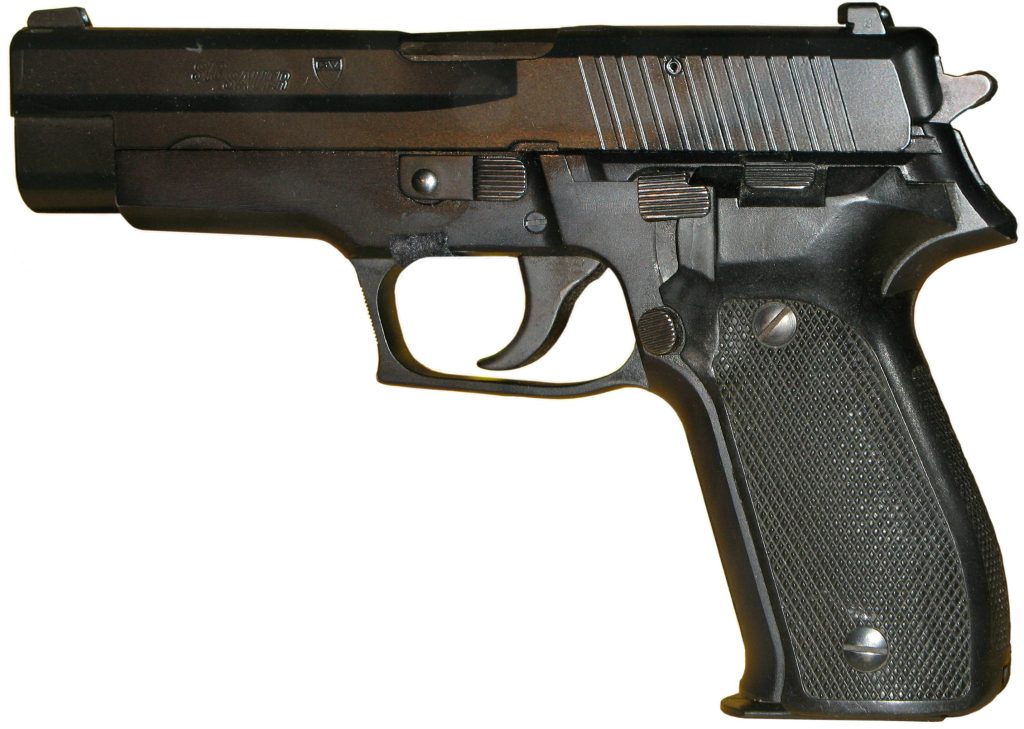
4. SIG Sauer P226
The P226 showed how 9mm could support elite-duty expectations without abandoning conventional double-action service-pistol architecture. Built for hard use and later associated with specialized U.S. service units, it earned a reputation for durability, practical accuracy, and excellent shootability in a full-size frame. The pistol mattered because it proved the 9mm was not confined to lighter-duty roles. In a serious service gun, the cartridge still delivered capacity, controllability, and long-term reliability.
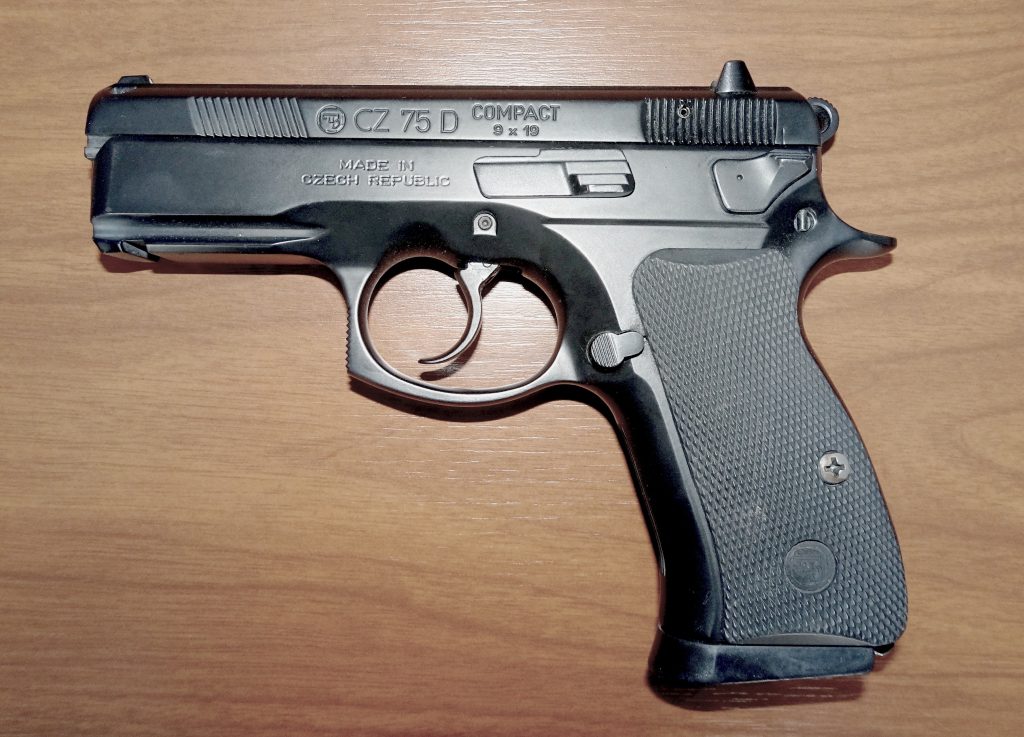
5. CZ 75
The CZ 75 became one of the most influential service pistols never limited to one national identity. Its slide-in-frame arrangement, ergonomic grip shape, and double-stack magazine made it both shootable and mechanically elegant. More importantly, it demonstrated how well the 9mm could work in a pistol that balanced accuracy and comfort without becoming oversized. Many later handguns borrowed from its layout, directly or indirectly, because it solved several service-pistol problems at once.
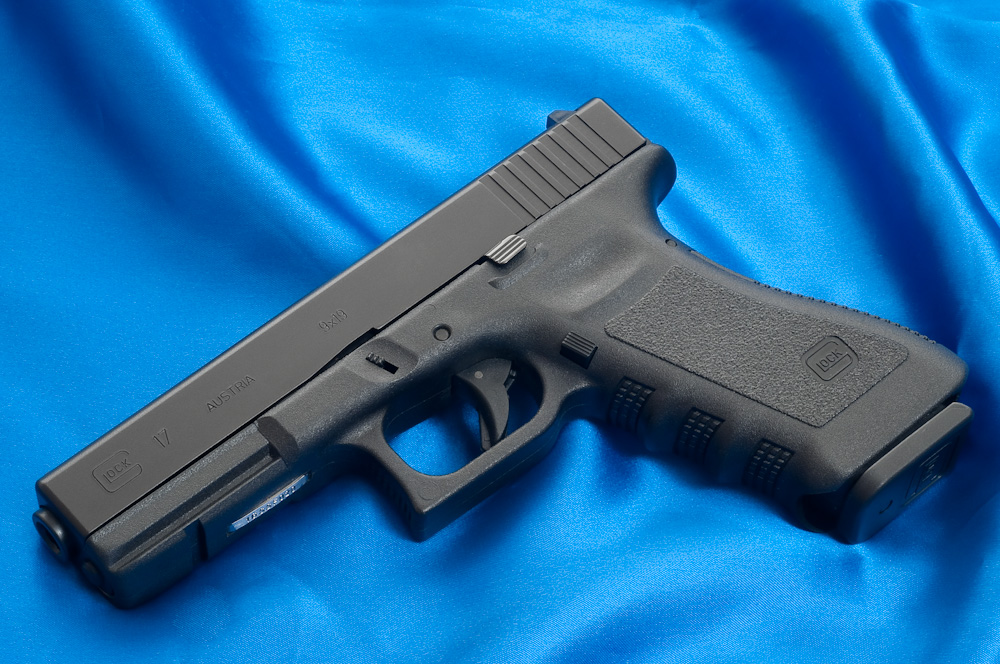
6. Glock 17
When the Glock 17 appeared in the early 1980s, it challenged nearly every expectation attached to a duty pistol. The polymer frame looked radical, but its effect was practical: lower weight, simpler construction, and easier maintenance. The pistol’s Austrian military origins in 1980 gave it service credibility, while widespread police adoption showed that skepticism around polymer could not survive reliable field use. Its standard 17-round magazine helped define what many agencies began to view as normal capacity.
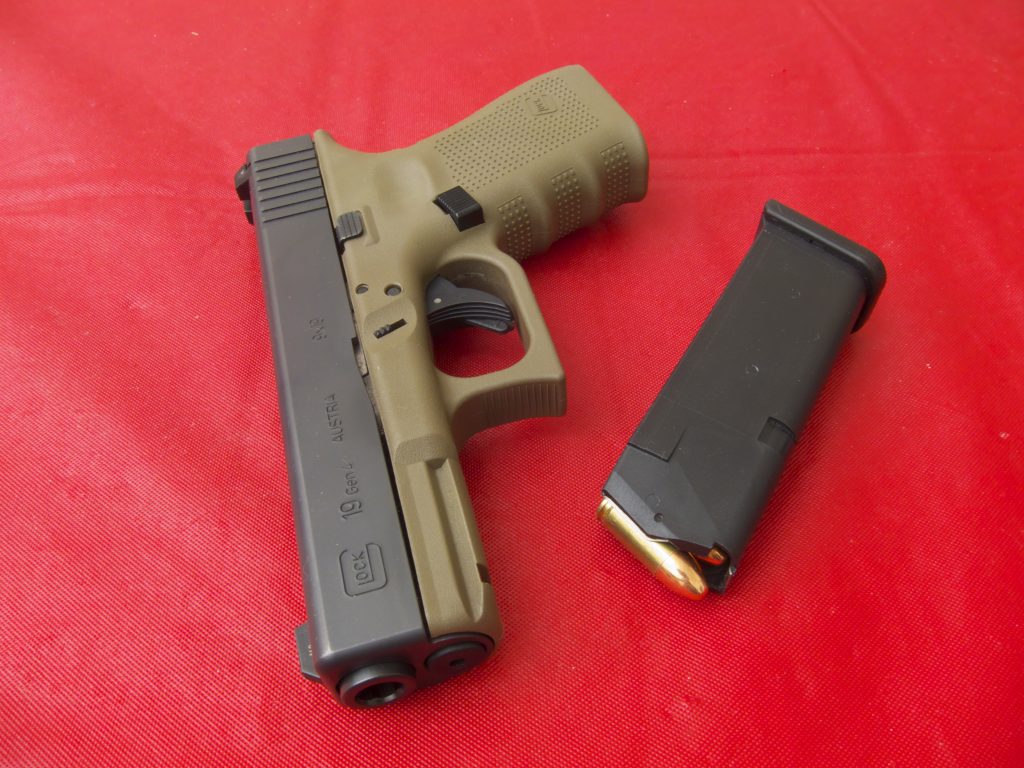
7. Glock 19
The Glock 19 took the Glock formula and compressed it into a size that blended duty and general carry roles more effectively than many full-size service pistols. That balance turned out to be one of the strongest arguments for 9mm as a modern standard. A compact handgun could still deliver meaningful capacity, controllable recoil, and compatibility with larger magazines. The result was a pistol that fit police work, plainclothes roles, and civilian carry without demanding a different manual of arms.
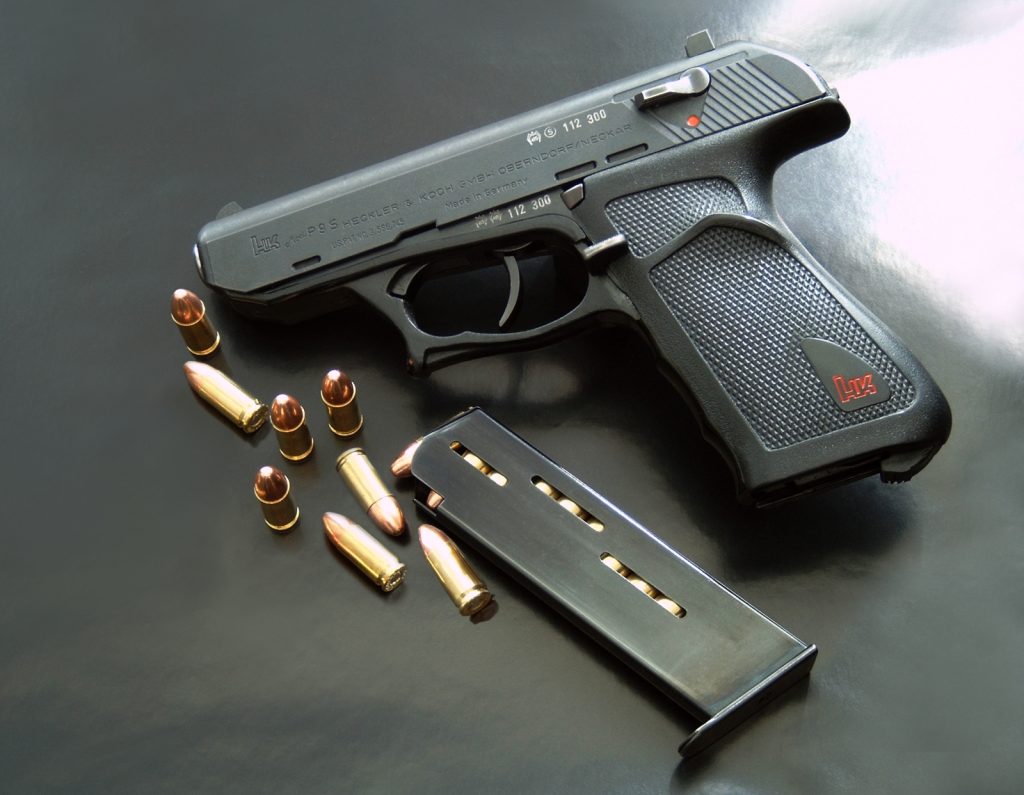
8. Heckler & Koch VP70
The VP70 rarely gets the same attention as later service pistols, but its place in handgun engineering is hard to dismiss. It arrived as an early polymer-framed pistol before Glock made the material mainstream, showing that metals were not the only path to a durable service sidearm. Its trigger and overall feel were often described as unconventional, yet the VP70 mattered because it opened the conceptual door. Once polymer proved viable, the 9mm was the cartridge best positioned to take advantage of lighter, higher-capacity duty handguns.
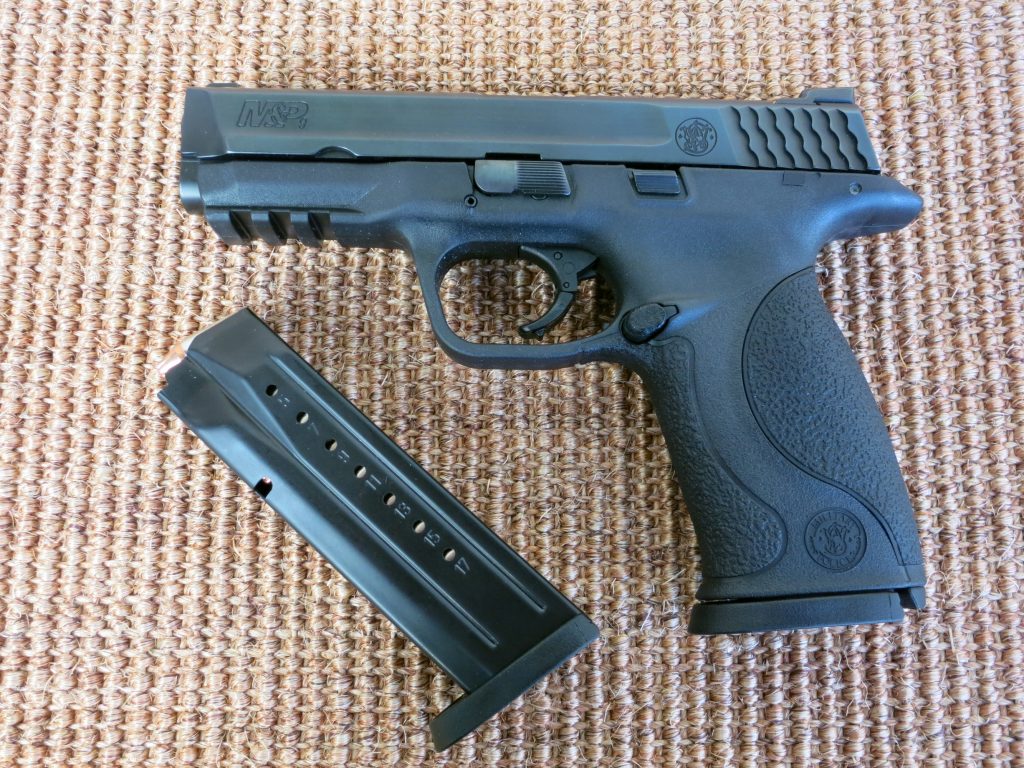
9. Smith & Wesson M&P
The M&P line reflected the mature stage of the modern 9mm service pistol. By the time these pistols gained broad law-enforcement use, the major debate was no longer whether 9mm could do the job, but how well a pistol fit a wide range of officers. Interchangeable backstraps, striker-fired operation, and durable polymer construction showed how agency priorities had shifted toward adaptability, maintenance simplicity, and user consistency. That matched the larger evidence behind 9mm’s return to dominance, including FBI findings that six out of ten shooters were faster and significantly more accurate with 9mm than with .40 S&W.
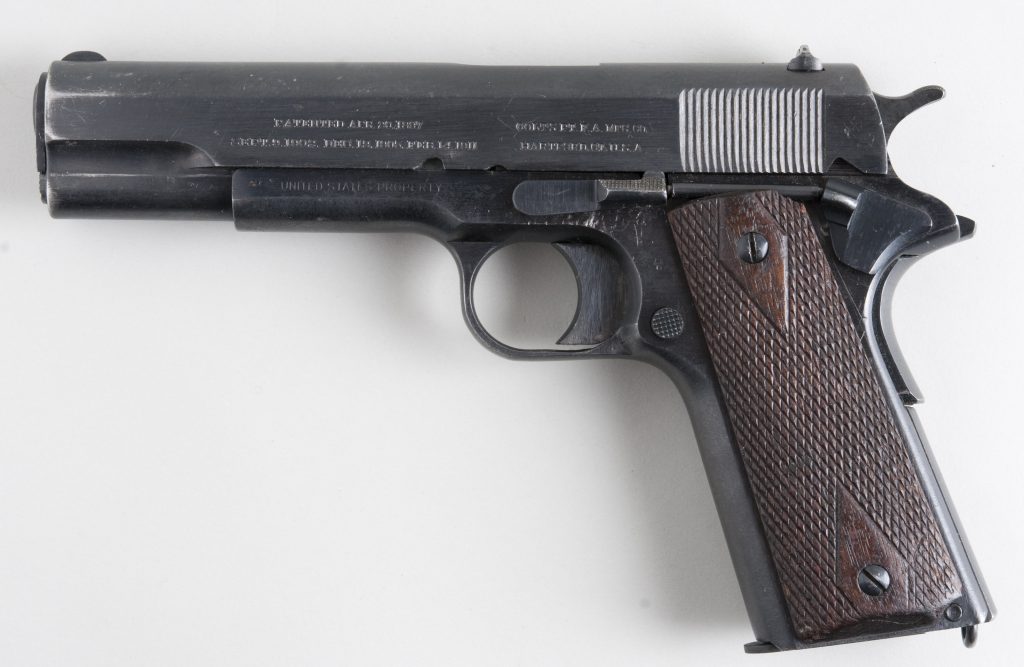
10. Colt 1911 in 9mm
A 9mm 1911 may seem like an outlier in a service-pistol list, but it reveals how completely the cartridge permeated handgun design. The 1911 platform was historically tied to .45 ACP, yet its adaptation to 9mm showed that even America’s most iconic service-pistol pattern could be reworked around the cartridge that best matched modern capacity and controllability demands. That transition did not erase the original design’s history. It underscored how widely the 9mm had become accepted across radically different pistol architectures.
These pistols do not tell a simple story of replacement, where one design instantly made another obsolete. They show a slower engineering trend: service users kept rewarding handguns that carried more rounds, shot flatter in practical use, fit more hands, and held up under institutional wear. The 9mm kept matching those needs. That is why it still rules. Not because one pistol won the argument alone, but because generations of service pistols kept arriving at the same answer.


