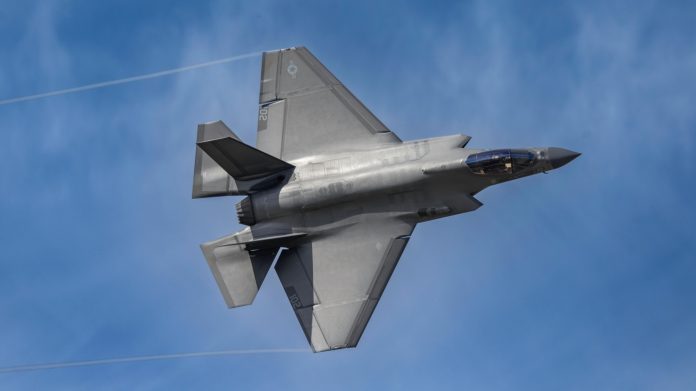
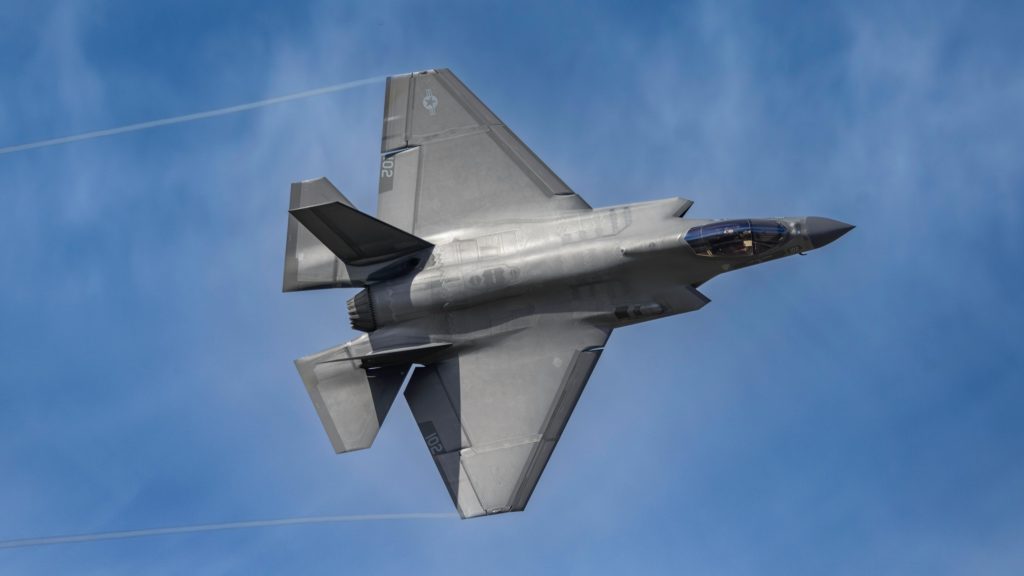
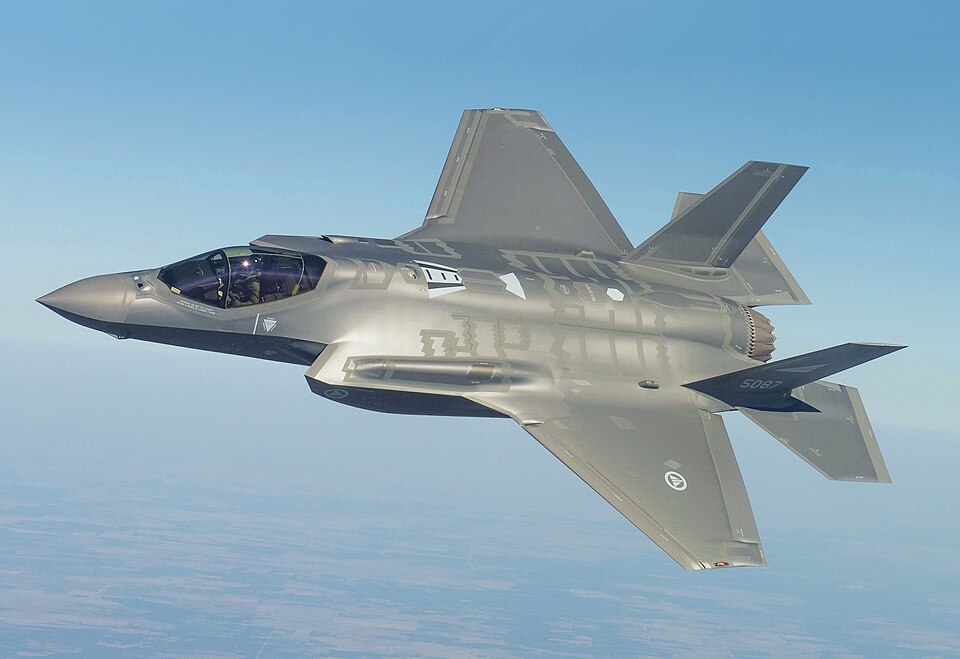
The F-35’s latest modernization is not a cosmetic upgrade. It is a rebuild of the aircraft’s computing core, the part that determines how quickly the jet can process sensor data, classify threats, and push information to the pilot and the wider force.
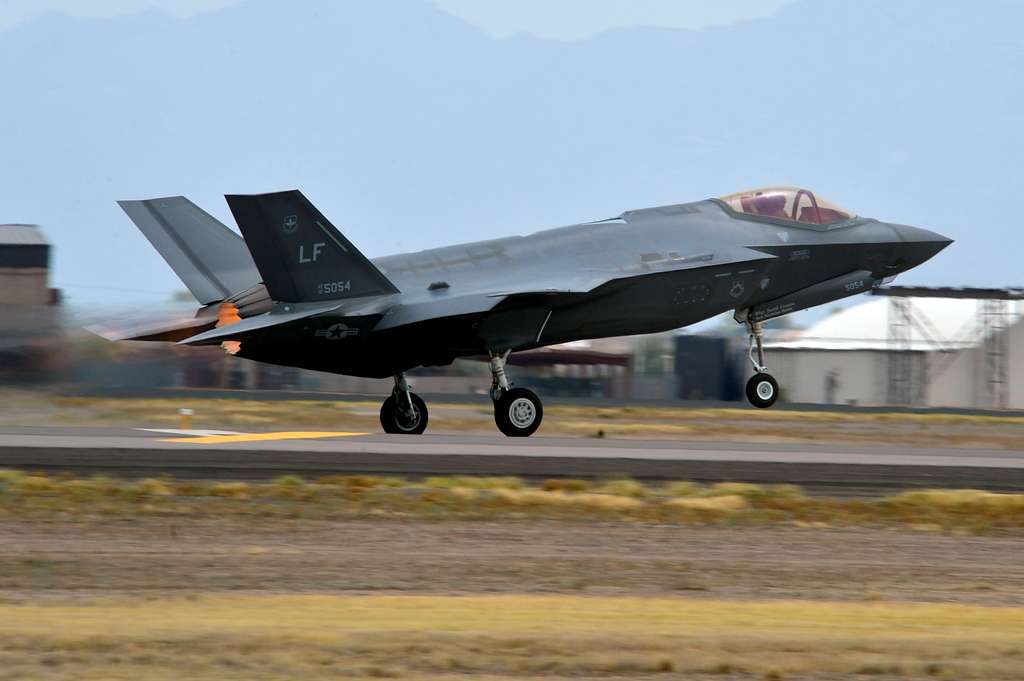
That matters because modern air combat is increasingly shaped by software speed, not just airframe performance. The F-35’s Technology Refresh 3, or TR-3, is the foundation for that shift, giving the fighter a more capable onboard “digital brain” for the heavier demands of Block 4 upgrades and AI-assisted threat analysis.
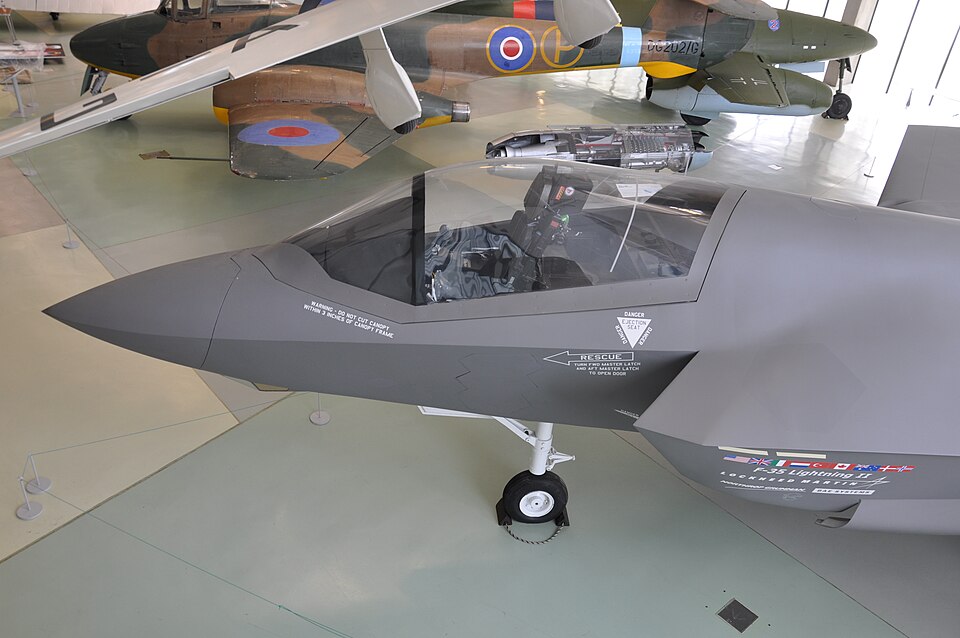
1. TR-3 replaces the F-35’s computing bottleneck
The central change is simple: TR-3 adds far more processing power and memory to the aircraft. The F-35 Joint Program Office described it as the critical computer processing electronics upgrade needed to support the fighter’s next wave of capabilities. In practical terms, that means the aircraft can run more demanding software without overloading the systems that already manage sensors, weapons, navigation, and electronic warfare. The scale of the change is bigger than a routine avionics refresh. Officials said TR-3 hardware and software affect nearly every aircraft feature, which explains why it required a broad flight-test campaign rather than a narrow subsystem check.
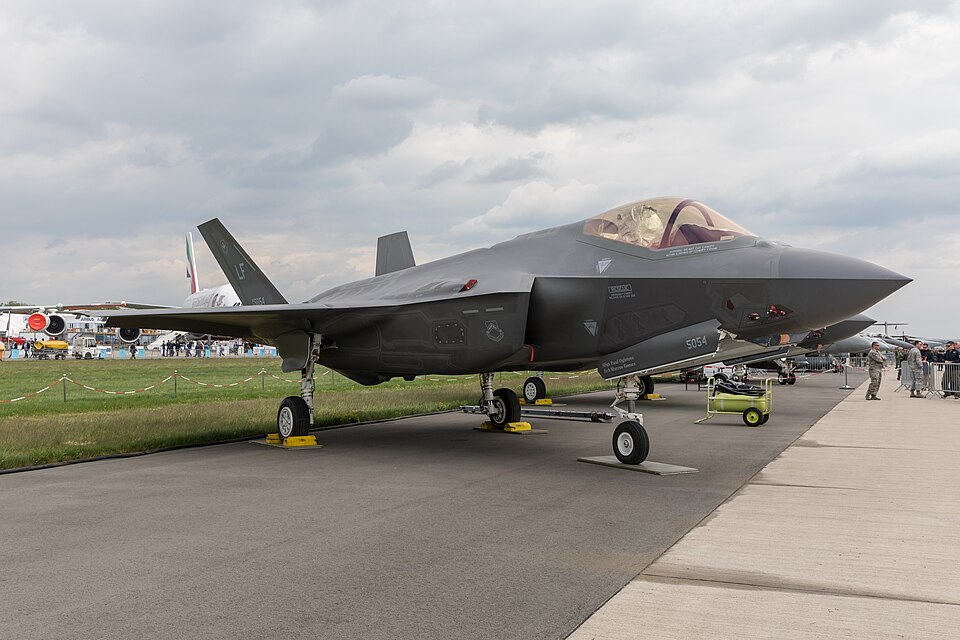
2. It is the gateway to Block 4, not a separate improvement
TR-3 matters because it enables what comes next. The F-35 program has tied it directly to Block 4, the larger modernization effort that adds new sensors, weapons integration, electronic warfare improvements, and broader interoperability. Without the new computing backbone, those upgrades would be constrained by older onboard hardware. By 2025, 200 F-35s had been delivered in the TR-3 configuration, according to reporting on the program’s progress. That makes the upgrade significant not only for future aircraft, but also for the growing portion of the fleet built around this newer architecture.
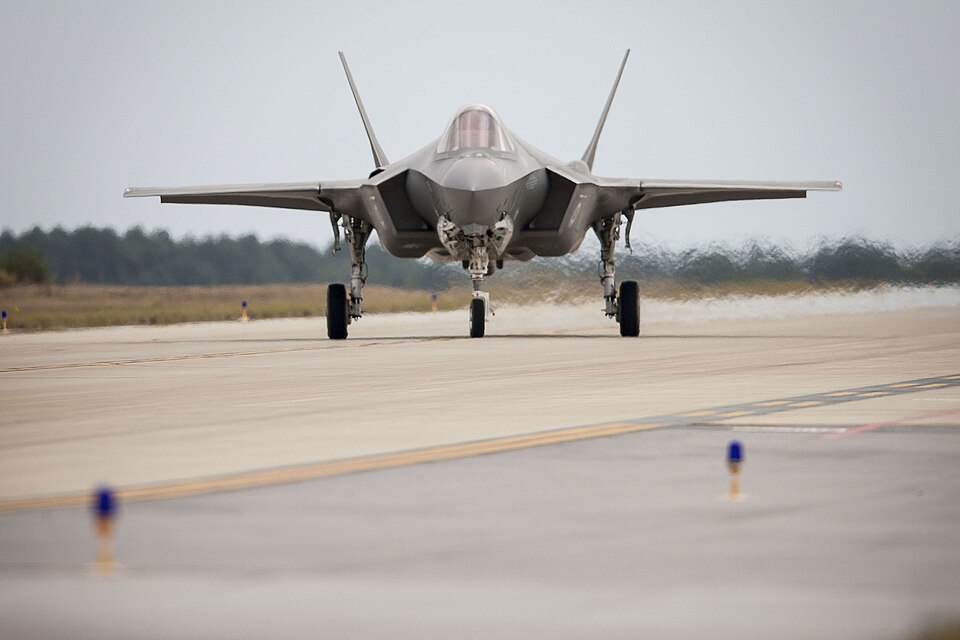
3. The pilot gets faster answers, not just more data
The F-35 was already designed around sensor fusion, combining radar, infrared, and electronic support data into one tactical picture. The new digital backbone changes the pace of that process. More onboard computing means the system can analyze larger amounts of information with less delay, helping the pilot move from detection to understanding more quickly. This is the real operational value. Modern cockpits do not suffer from a lack of inputs; they suffer from too many inputs arriving at once. A faster mission system reduces the time needed to correlate tracks, compare signatures, and present a cleaner picture through the pilot’s helmet display and cockpit screens.
4. AI is now entering the F-35’s threat-recognition loop
Lockheed Martin has already tested an artificial intelligence-enhanced Combat Identification capability inside the F-35’s fused mission system. During Project Overwatch, the company said a tactical AI model helped resolve ambiguities among emitters and reduced pilot decision latency. That does not mean the aircraft is making engagement decisions on its own. It means the jet can compare ambiguous sensor returns against known patterns faster, then present a better-informed identification picture to the person in the cockpit. In contested airspace, seconds matter, especially when unfamiliar radar behavior or modified threat modes create uncertainty.
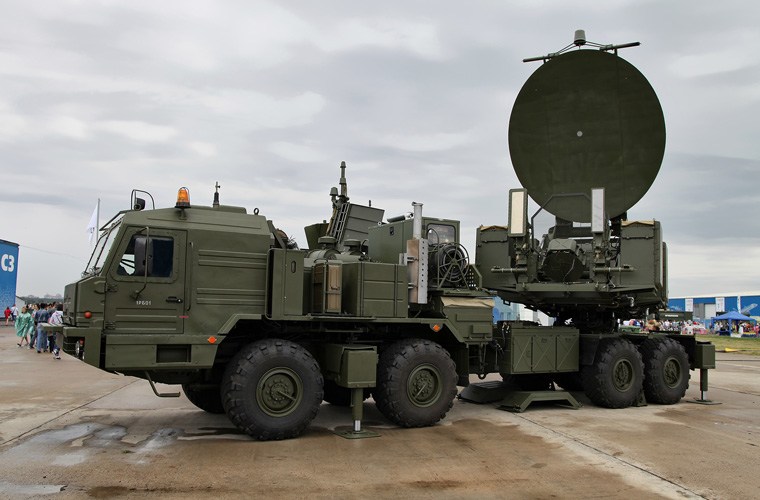
5. Electronic warfare becomes more adaptive
Electronic warfare libraries have traditionally depended on collecting signals, sending them to specialists, refining the database, and reloading updated information later. The newer approach is much tighter. In Project Overwatch, engineers used automated tools to label new emitters, retrain the AI model, and prepare an updated model within minutes for the next flight cycle. That is a major change in rhythm. Air defense systems do not remain static, and emitters can operate in unexpected modes that complicate identification. A faster reprogramming loop means the F-35 can become more responsive to unusual signal behavior instead of waiting through a much slower update pipeline.
6. The aircraft becomes a stronger network node for the whole force
The F-35 has long been valuable as a collector and distributor of battlespace data, but stronger onboard computing increases the usefulness of what it shares. The Joint Program Office said TR-3 supports increased cross-platform interoperability, which is one of the least flashy but most important parts of the upgrade. A fighter that can identify, refine, and distribute higher-quality threat information faster improves the performance of the larger network around it. That includes other fighters, command-and-control assets, and future collaborative aircraft operating in the same battlespace.
7. It reflects a broader shift toward software-defined combat aviation
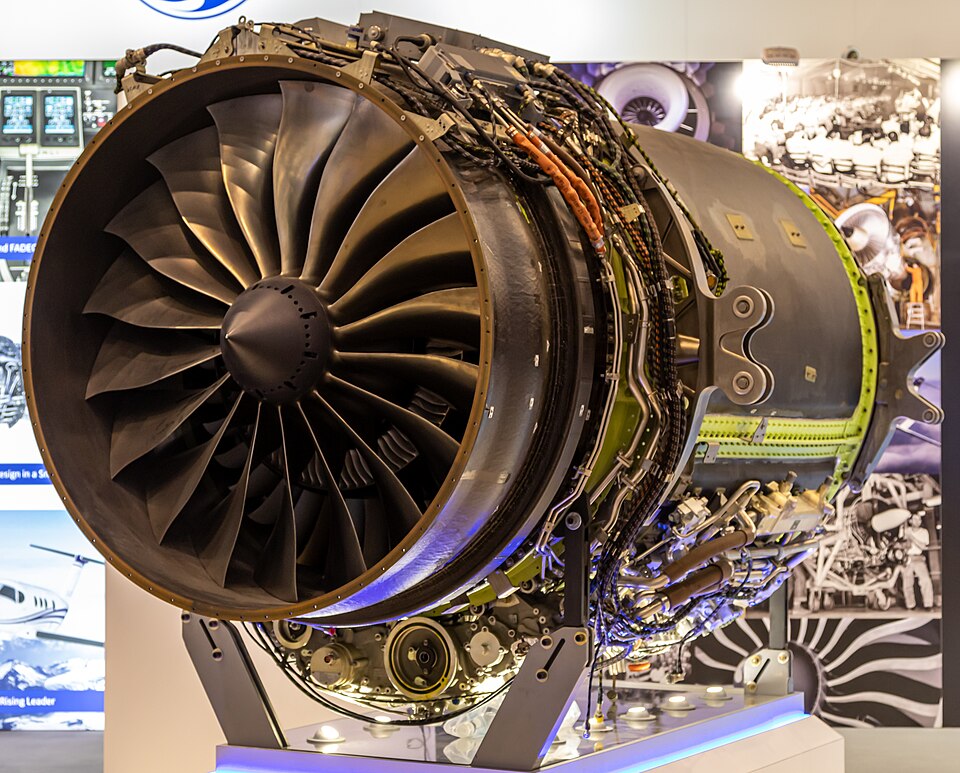
The F-35’s digital overhaul fits a wider aerospace pattern. Advanced engine programs such as GE Aerospace’s XA102 have also leaned on model-based systems engineering and comprehensive digital design methods to accelerate development and manage complexity. The same logic applies to fighters: the platform is increasingly shaped by code, models, and update cycles as much as by metal and thrust.
That broader engineering shift helps explain why the F-35’s “digital brain” is such a consequential milestone. The jet is evolving into a combat system whose effectiveness depends on rapid software iteration, high-capacity processing, and the ability to absorb new algorithms as threats change.
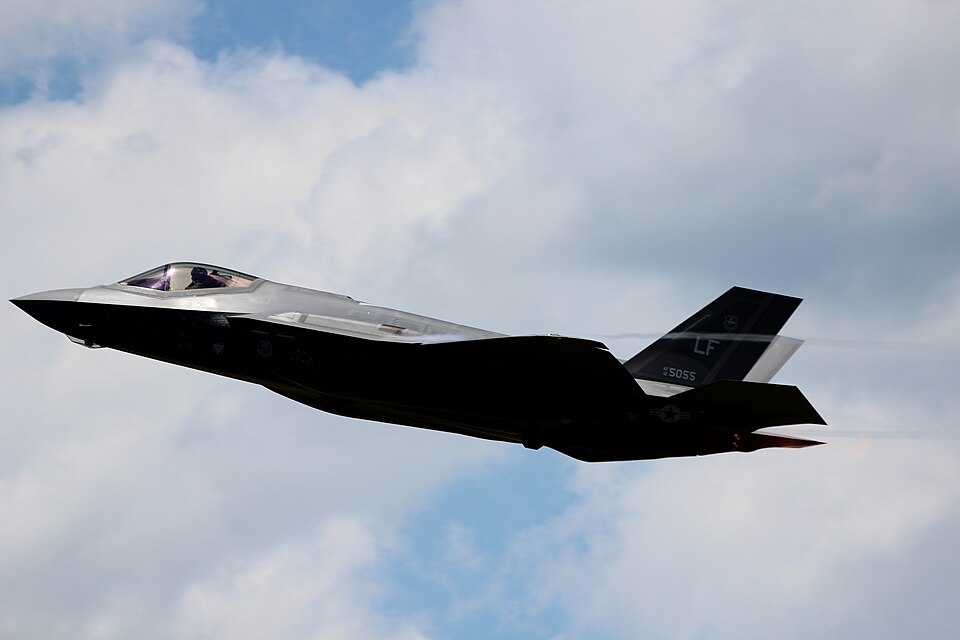
The deeper point is straightforward. Future air combat will reward aircraft that can sense, classify, and adapt faster than the opposing system. TR-3 gives the F-35 the computing margin to do exactly that. More than a hardware refresh, it is the enabling layer for AI-assisted identification, faster electronic warfare updates, and a more connected form of air combat built around decision speed.


