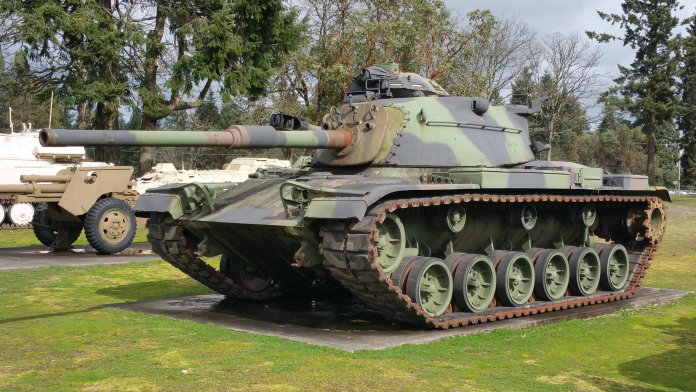
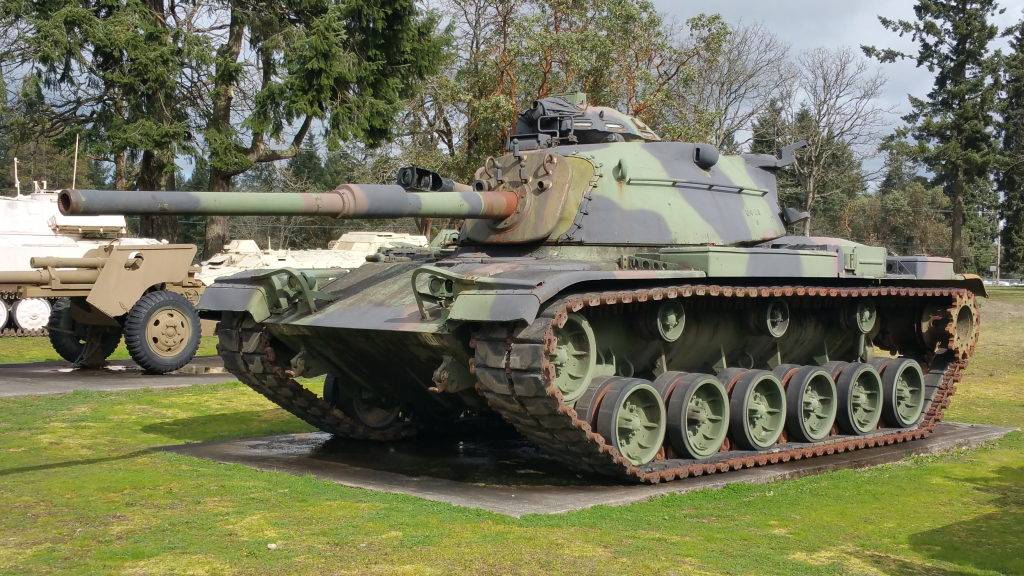
The M60 should have been a museum piece by now. Instead, it remains active in armored fleets across multiple regions, decades after the U.S. military moved on. That long afterlife says less about nostalgia than about engineering margin. Built in large numbers, repeatedly modernized, and centered on a gun and fire-control package that could keep improving over time, the M60 became one of the clearest examples of how a Cold War machine can stay relevant far beyond its original design brief.
1. It was built around an upgrade path, not a dead end
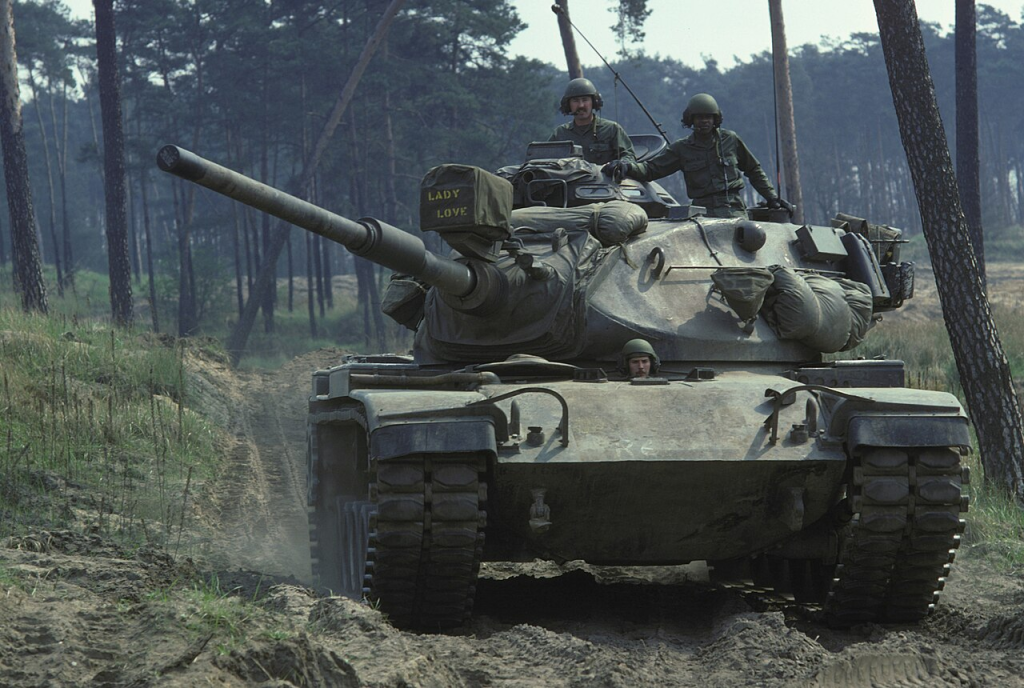
The M60 entered service as an American main battle tank in 1960, but its real strength was how much room it left for later improvements. More than 15,000 M60s were built, and the platform evolved through the M60A1, the troubled M60A2, and finally the M60A3 family. That matters because armies rarely discard a vehicle if its hull, automotive layout, and turret architecture can still absorb better sights, better fire control, and better protection.
The design also benefited from a roomy internal arrangement inherited from earlier U.S. tank thinking. That gave engineers space to add electronics, revise ammunition handling, and integrate new crew aids over time. In practical terms, the tank aged better than many contemporaries because modernization was built into its life cycle.
2. The 105mm M68 gun gave it a durable core
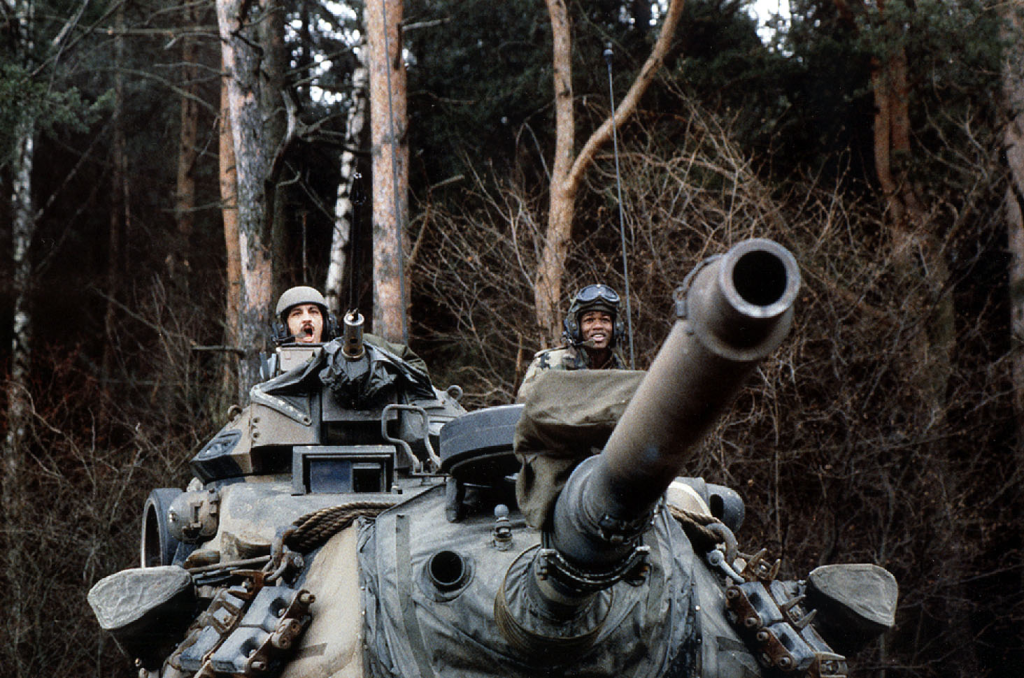
The M60’s identity starts with the 105mm M68 rifled gun, the American version of the British L7 concept that became a NATO benchmark. It was selected after comparative testing and gave the tank a weapon with broad ammunition flexibility, from HEAT and APDS to later APFSDS rounds.
That single decision helped the platform endure. A tank can survive doctrinal shifts if its main armament remains useful, and the M68 stayed relevant long enough for many operators to treat the M60 less as a relic and more as a serviceable baseline. Even where newer 120mm upgrades were later added, the 105mm version remained a workable standard for training, reserve units, and second-line armored roles.
3. The M60A3 turned an old tank into a sharper shooter
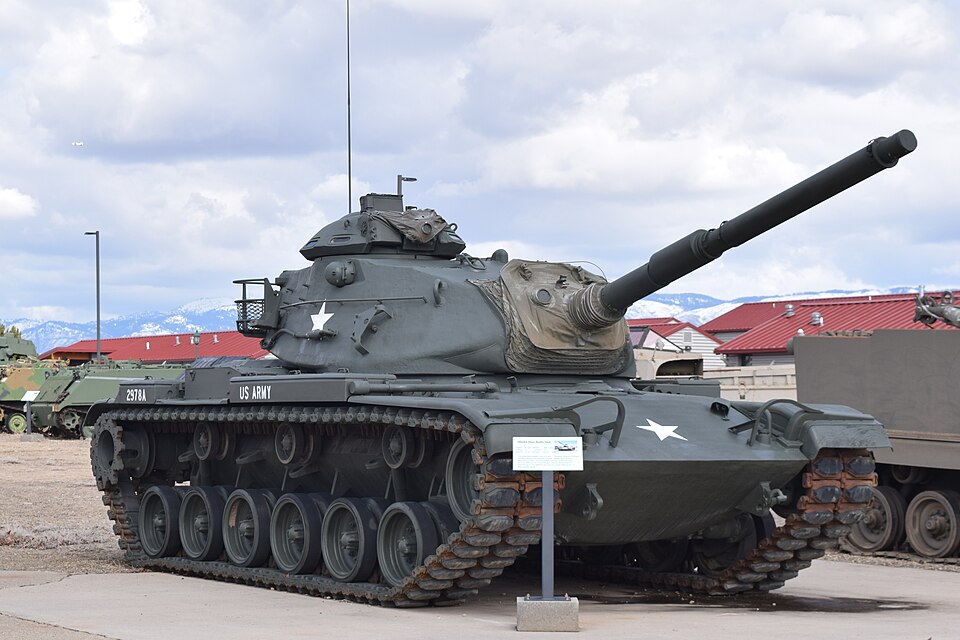
The late-model M60A3 was not just a cosmetic refresh. It combined a laser rangefinder, M21 solid-state ballistic computer, and crosswind sensor into a much more capable fire-control package than earlier M60 variants carried. That gave crews faster and more precise gunnery, especially under imperfect battlefield conditions.
This was the version that proved the M60 could stay dangerous without becoming a brand-new tank. The A3 retained familiar mechanical foundations but layered in the kind of electronics that often decide whether the first round lands close enough to matter. For many operators, that combination kept the vehicle worth retaining long after newer tanks appeared on paper.
4. Thermal sights changed its battlefield value
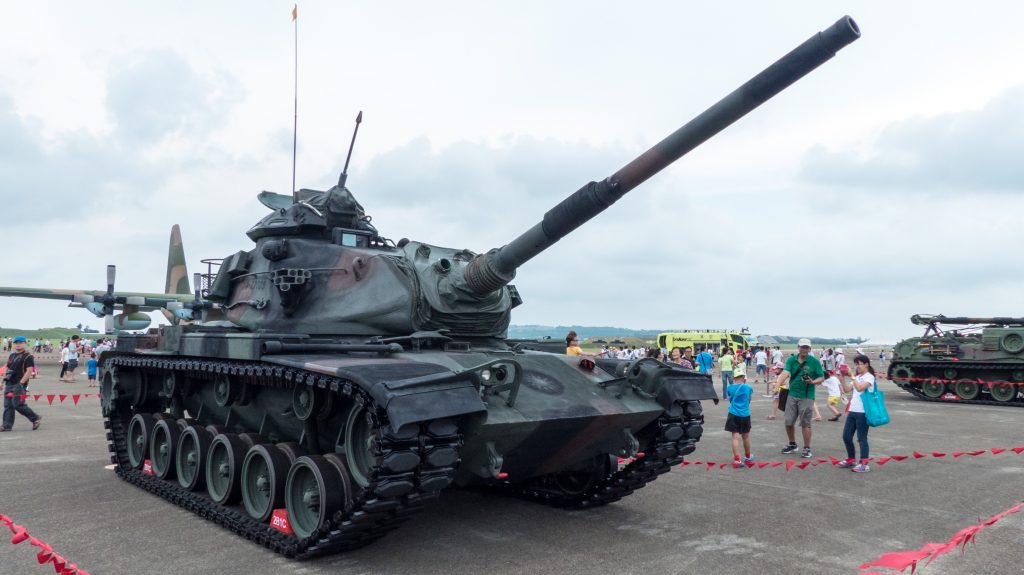
The M60A3 TTS variant added the feature that most clearly separated late M60s from their earlier ancestors: the Tank Thermal Sight. Instead of relying on older night systems and searchlight-era compromises, crews gained the ability to detect and engage targets in darkness, haze, and smoke with far more confidence.
That mattered because second-generation tanks often lived or died by night-fighting capability. The TTS package moved the M60 into a different category of usefulness. An older chassis with thermal vision is a very different battlefield tool from an older chassis without it, and that distinction helps explain why some armies kept modernized M60s instead of replacing them immediately.
5. Desert Storm gave the tank one of its strongest credentials
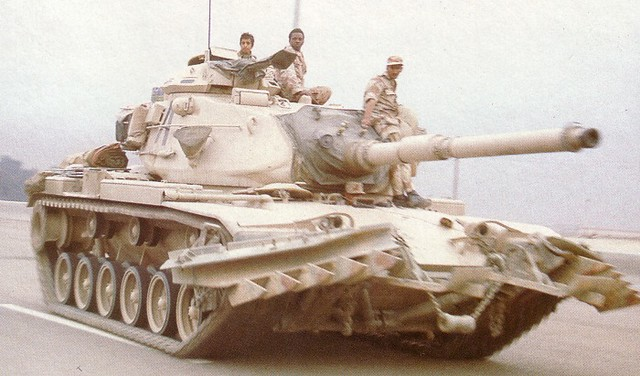
The M60’s reputation was cemented by the Marine Corps in the 1991 Gulf War. In its late-service American form, the tank demonstrated that an upgraded Cold War platform could still dominate armored combat when crew training, optics, and fire control aligned.
One widely cited result stands out: Marine M60s achieved a 100-to-1 kill ratio against Iraqi armor during major engagements. That figure became part of the tank’s legend because it showed the M60A3 TTS was not merely surviving into the 1990s; it was still highly effective when used by a trained force with mature support and doctrine.
6. Foreign operators kept improving it after the U.S. retired it
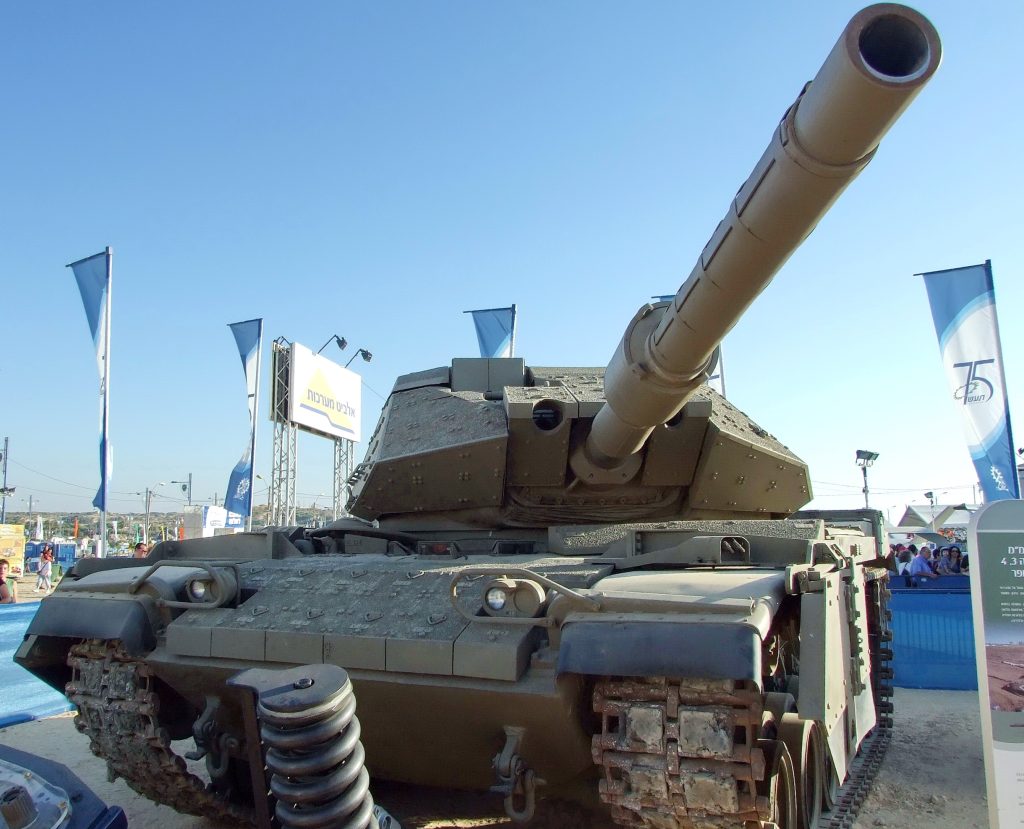
The United States retired the M60 from front-line use in the 1990s, but many foreign users saw remaining value in the fleet. Some upgraded protection, others added digital fire control, and some treated the tank as a cost-effective bridge between older armored inventories and more advanced future fleets.
Turkey’s best-known example is the Sabra Mk II-based M60T upgrade, which added a 120mm gun, new armor, and a stronger powerpack. Jordan pursued the Phoenix path with improved fire control, armor, and mobility. Taiwan pursued its own modernization track, while other countries focused on keeping the A3 and TTS forms viable through selective subsystems rather than full rebuilds.
7. Egypt shows what scale can do
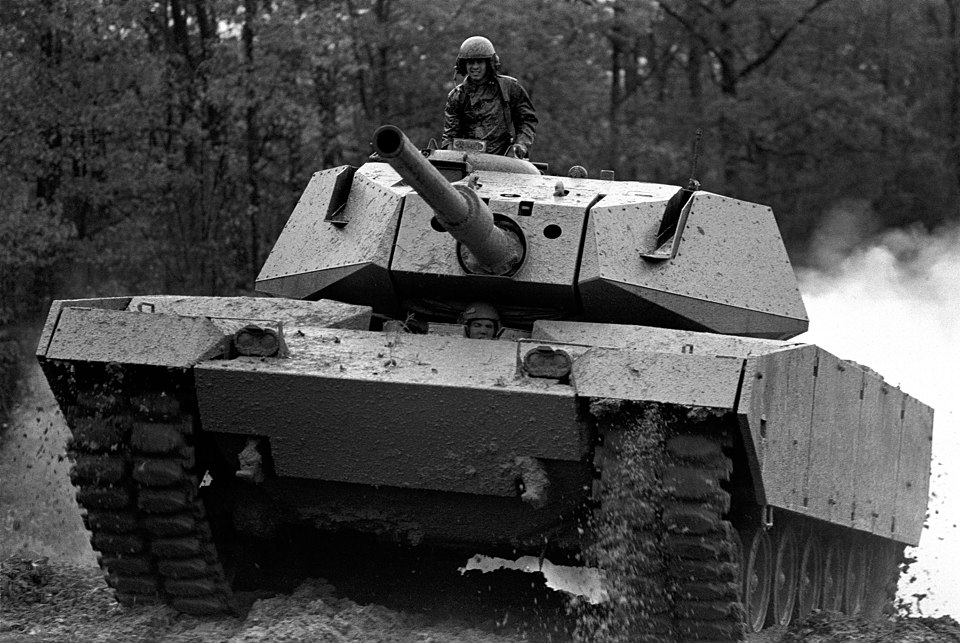
No operator illustrates the M60’s staying power better than Egypt. It has long fielded one of the world’s largest M60 fleets, with more than 1,000 tanks across M60A1 and M60A3 variants. A fleet that large changes the economics of retirement. Once training pipelines, maintenance infrastructure, spare parts, and depot expertise are built around a platform, replacement becomes a long industrial and budgetary process rather than a simple procurement decision. That is why the M60 has often remained in mixed fleets even where newer tanks are also present.
8. The M60 survives because many armies need “good enough” armor now
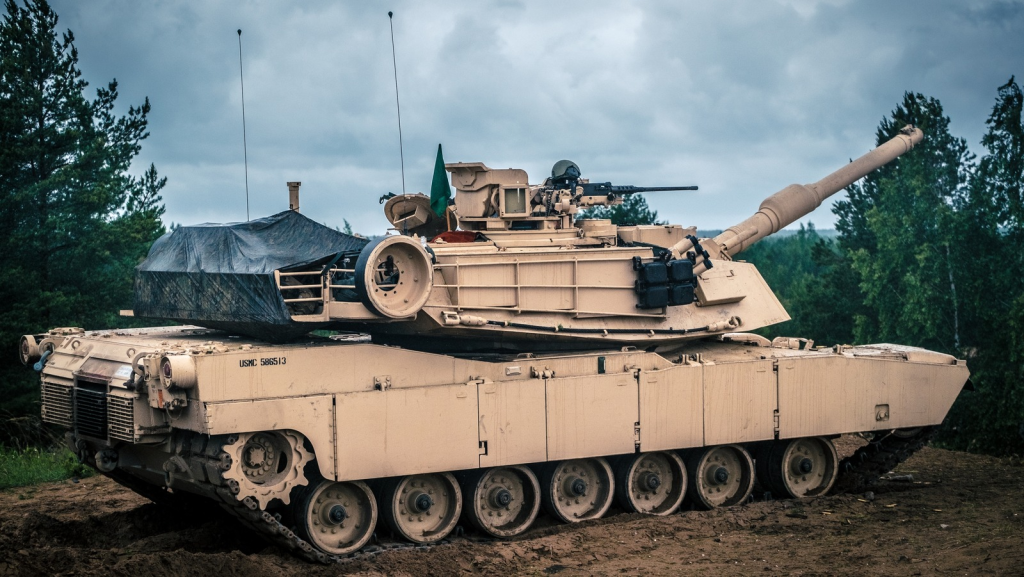
As of 2026, the tank still appears in service with 17 foreign operators, including Egypt, Turkey, Taiwan, Saudi Arabia, Thailand, Tunisia, Bahrain, and others. That persistence reflects a hard military truth: many armored forces need dependable, supportable vehicles more urgently than they need the newest possible design. The M60 fits that requirement unusually well. It is familiar, exportable, rebuildable, and mechanically understood. In some armies it fills frontline roles after modernization; in others it supports reserve formations, internal security missions, engineering conversions, or training. Either way, its continued presence is a reminder that armored relevance is often determined by upgrade discipline and logistics as much as by original design date.
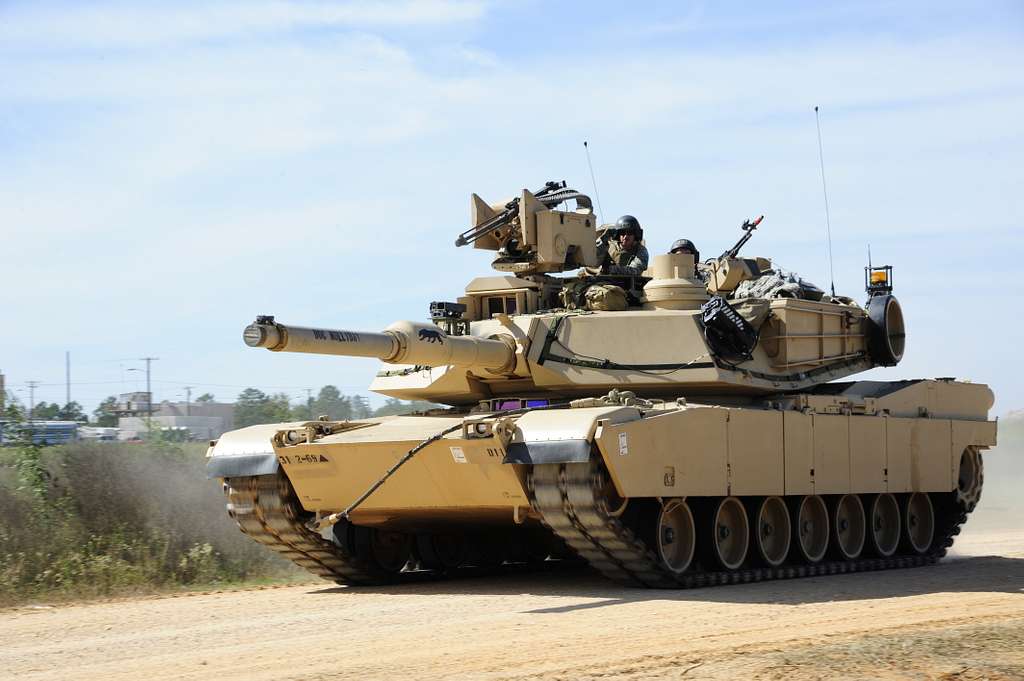
The M1 Abrams became the better-known American tank, but the M60 earned something different: longevity on a global scale. That is why the M60 still matters. It was never just one tank. It was a platform sturdy enough to be reworked, rearmed, and rethought for generation after generation.


