
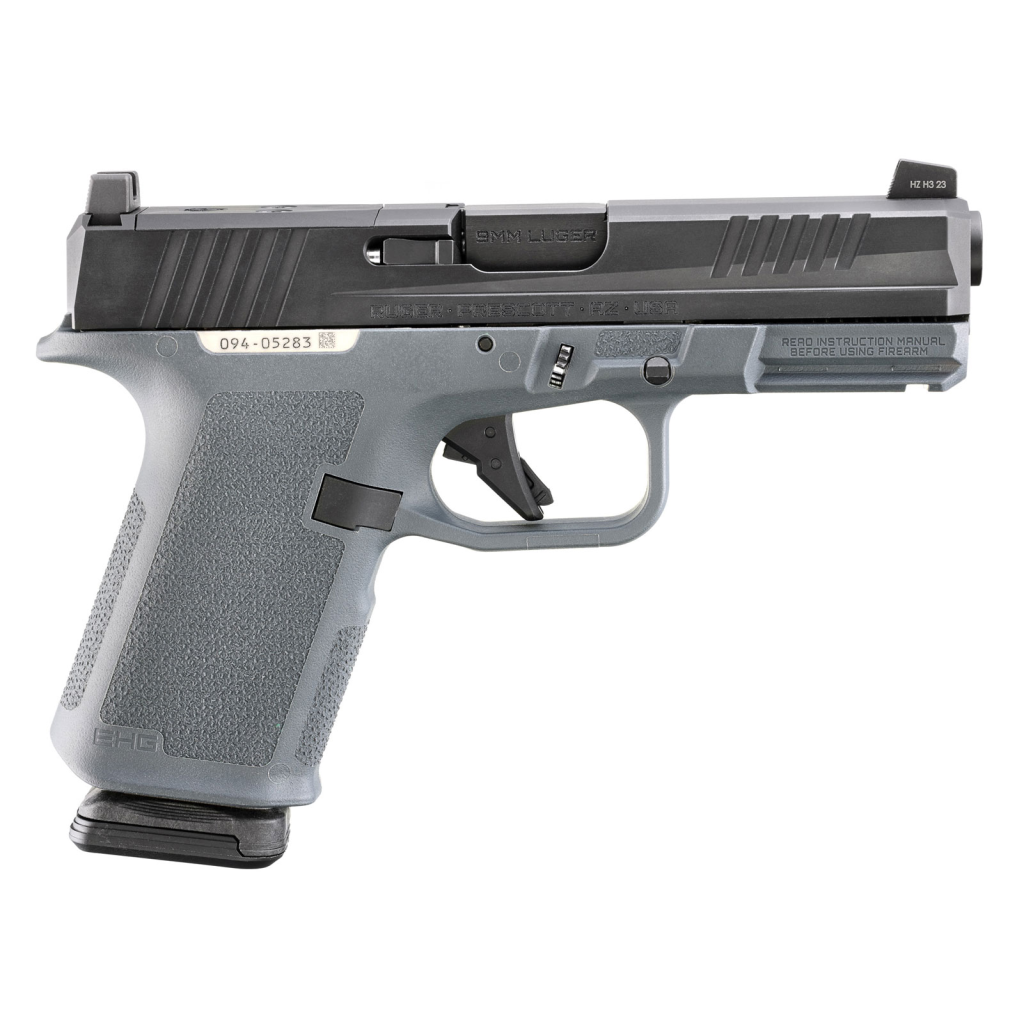
The pressure around Ruger’s RXM is not just about one pistol. It is a stress test for a whole branch of handgun design that prizes compatibility, modularity, and a huge aftermarket built around Glock-pattern parts.
That makes the current clash unusually important for engineers, manufacturers, and owners watching where the U.S. pistol market goes next. Ruger entered the segment with a model built to work with familiar Gen 3 geometry, at a moment when conversion-device litigation, 3D printing, and a softer overall gun market were already squeezing the industry from multiple directions.
1. Glock-pattern compatibility became a legal target
The RXM launched in late 2024 with broad Gen 3 style parts and accessory compatibility, a feature that would normally be read as a market advantage. In this case, that same design choice became the center of activist and legal pressure, because a pistol that accepts a large ecosystem of compatible components can also be accused of accepting illegal ones.
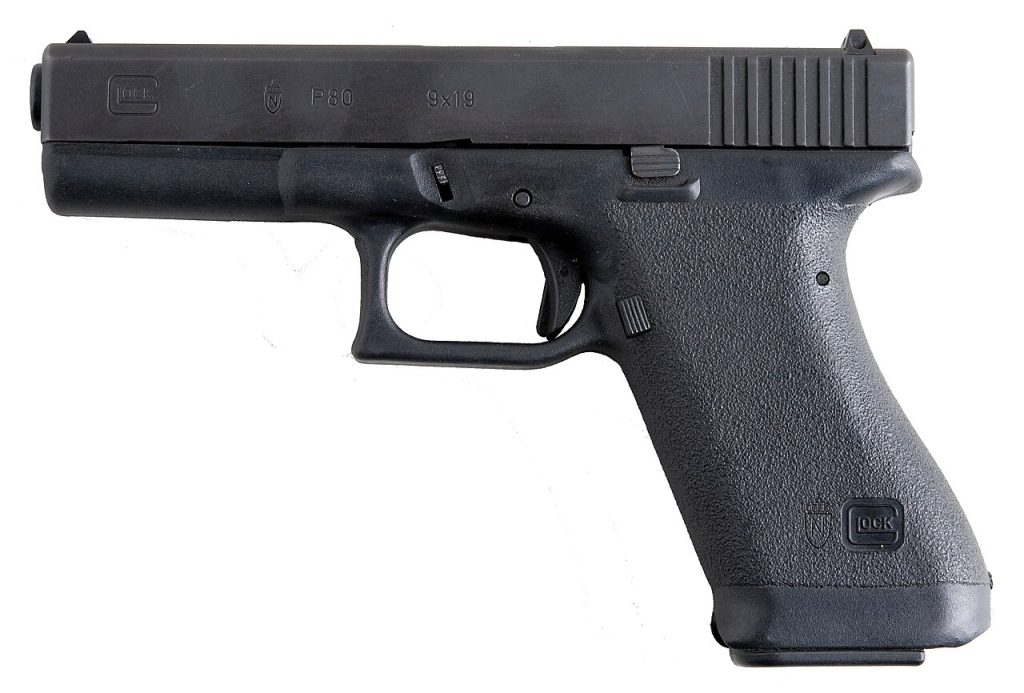
That argument matters because Glock-pattern engineering is widespread for a reason. Glock’s original formula of polymer construction, simplified parts count, and reliability helped define the modern service pistol category, and its influence spread far beyond Glock’s own catalog. A compatibility claim now carries more than aftermarket value; it can also be framed as foreseeable exposure.
2. Conversion devices changed the risk equation
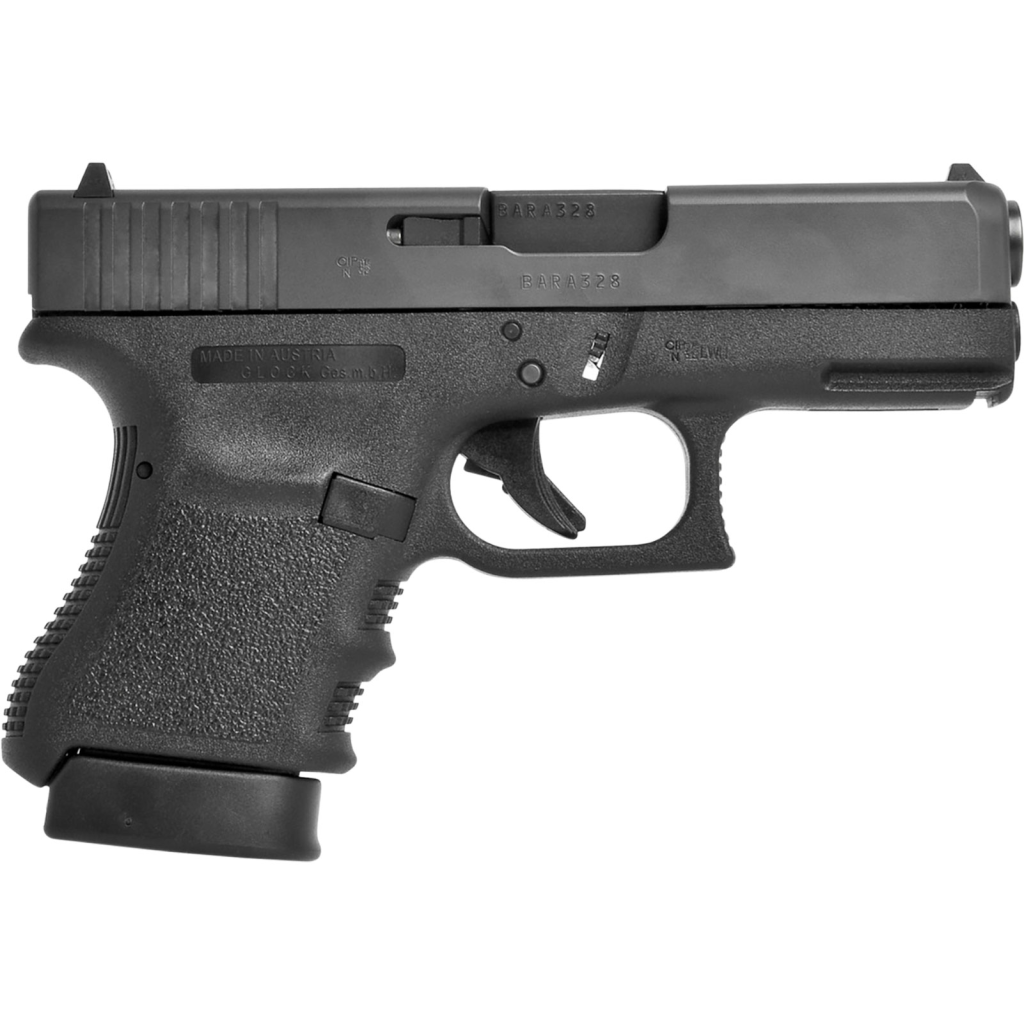
The strongest pressure point is the surge in machine gun conversion devices. Federal authorities have highlighted hundreds of millions of firearms in civilian hands, while separate enforcement data has pushed conversion devices into a more visible category of concern. The hardware involved is tiny, cheap to reproduce, and dangerous in practice.
In the main argument against Glock-like pistols, the issue is not marksmanship or conventional use. It is that a small illegal part can turn a common semiautomatic handgun into something far more difficult to control, increasing danger to bystanders even as accuracy falls apart. That shift from lawful configuration to unlawful rate of fire is driving the entire dispute.
3. “Foreseeability” is being used as a design standard
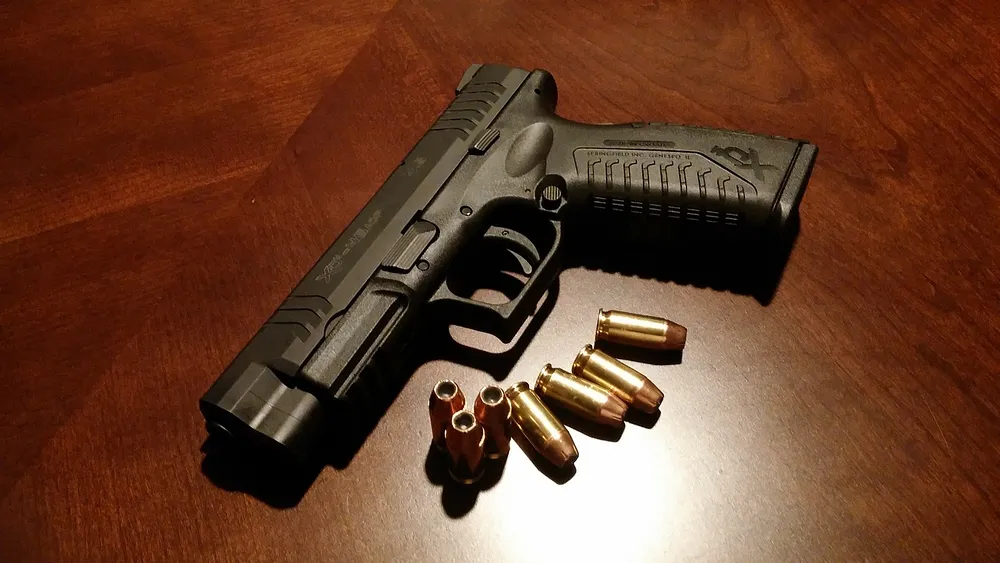
The phrase at the heart of the RXM fight is simple: “Foreseeability is not culpability.” The counterargument from activists and some state-level legal frameworks is that foreseeability itself can support liability when a product’s design allegedly makes illegal conversion easier.
That is a major departure from the older, narrower expectation that liability usually follows demonstrated misuse and harm rather than predicted misuse. If courts continue allowing such theories to survive early dismissal, design teams will have to think about not only intended function, but also whether any interoperable geometry can later be portrayed as an avoidable hazard.

4. State laws are becoming the real battleground
Federal legislation is not the only lever in this area, and it may not even be the most immediate one. State-level laws and attorney general actions have created multiple paths for pressure campaigns aimed at firearm makers, especially when a company sells into jurisdictions with broader civil-liability theories.
That matters for Ruger because a national product launch no longer meets one uniform legal environment. A company can face demands for redesigns, market segmentation, or warnings based on one state’s interpretation of foreseeable misuse. The result is a patchwork problem, not a single compliance question.

5. 3D printing weakened the case for simple manufacturer fixes
Any debate about conversion prevention now runs into the same reality: illegal parts are no longer limited to conventional retail channels. Consumer-grade printers, downloadable files, and online design communities have made small firearm-related components easier to produce outside normal manufacturing controls.
This is where the technical argument becomes dense. A manufacturer can alter a frame profile, change tolerances, or redesign internal geometry, but the broader ecosystem of illicit digital fabrication remains in motion. That does not remove legal exposure, but it complicates the claim that one factory-side redesign can solve a problem sustained by decentralized file sharing and low-cost home production. The engineering challenge is no longer confined to the factory floor.
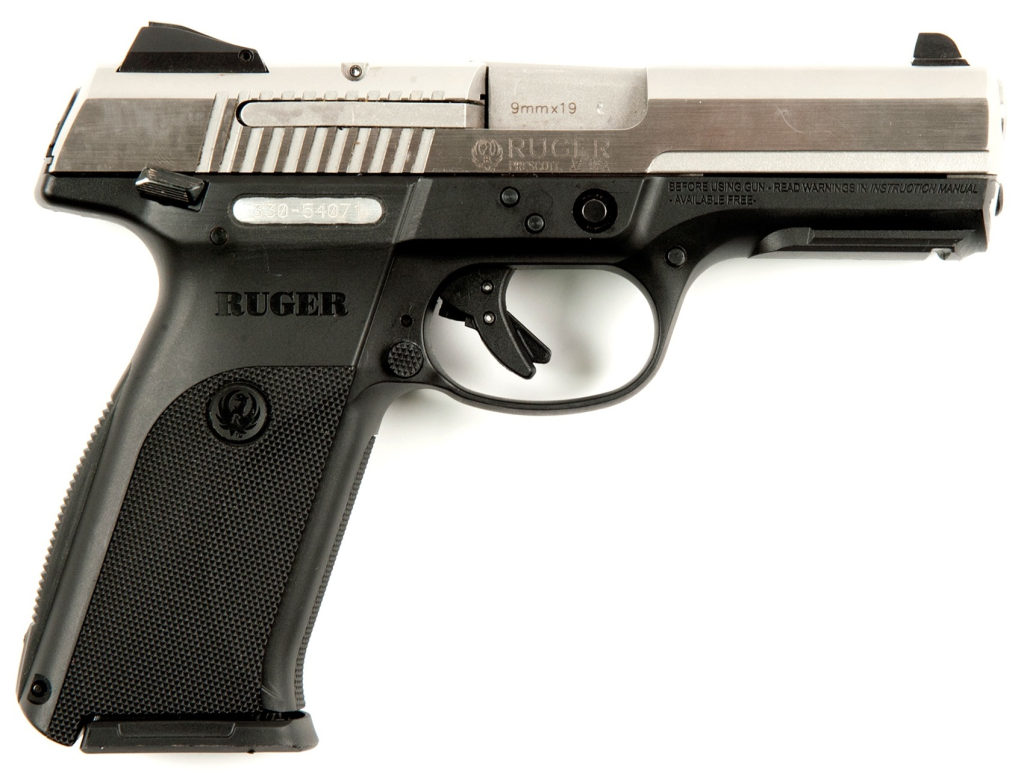
6. Ruger entered the fight during a weaker gun market
The timing is rough. The post-2020 demand surge has cooled, with adjusted NICS checks down 3.6% through the first five months of 2025, and manufacturers facing a more selective buyer base. In a softer market, new products carry more strategic weight.
Ruger’s own 2025 reporting showed the company leaning hard on fresh launches, with $40.7 million in first-quarter firearm sales attributed to newer products including the RXM. That makes the pistol more than a catalog addition. It is part of a wider innovation push at a time when standing still is not a comfortable option.
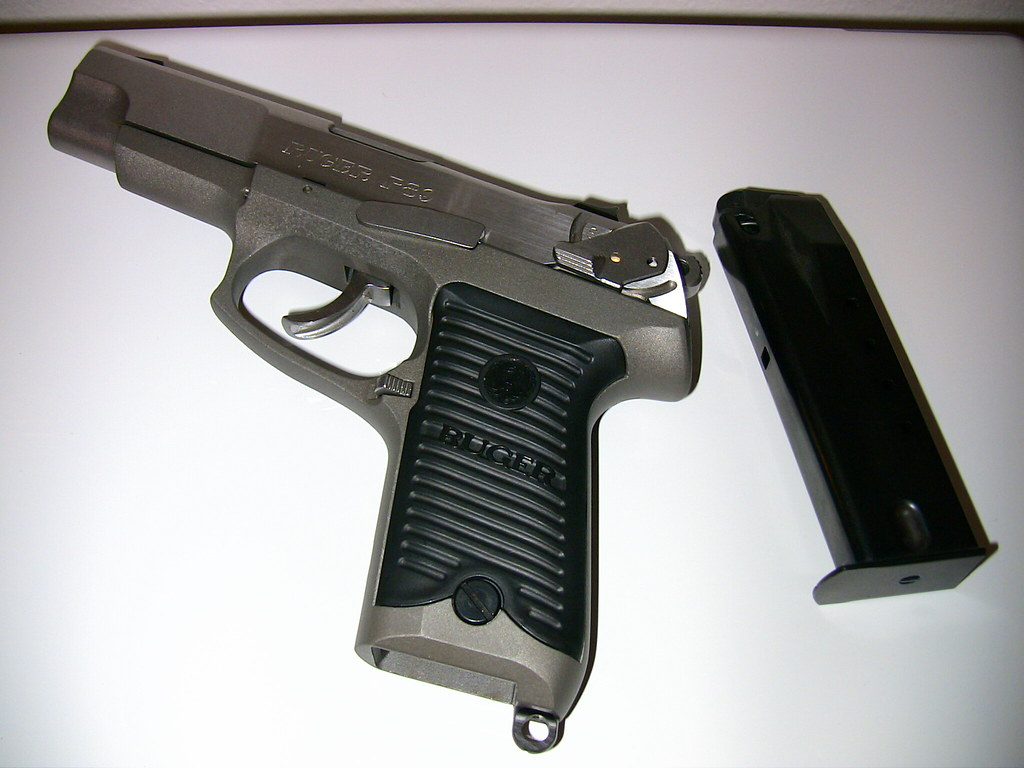
7. The RXM sits inside Ruger’s long shift toward innovation
Ruger spent years moving away from an image tied mainly to durable, traditional designs. The company’s modern era has been built around faster product cycles, broader category coverage, and manufacturing methods aimed at turning out feature-rich firearms at scale.
That context matters because the RXM is not an outlier. It fits a company that has spent nearly two decades redefining itself through new product development, updated tooling, and partnerships intended to keep it relevant in crowded categories. The current controversy therefore hits one of Ruger’s core business habits, not a side project.
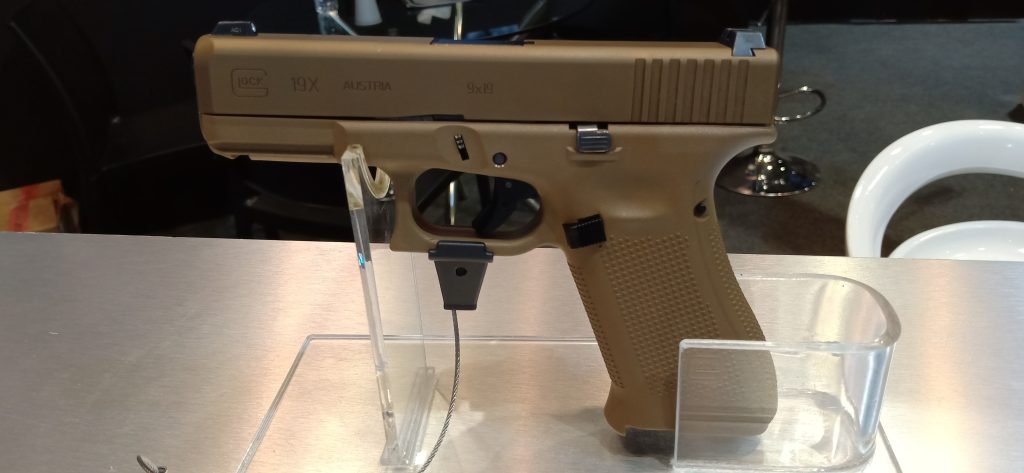
8. Modularity is now under a harsher spotlight
The wider handgun world has spent years rewarding modular concepts. Military and law-enforcement specifications have increasingly emphasized adaptable ergonomics, configurable grip dimensions, and interchangeable components, and pistols like the Sig P320 benefited directly from that shift. In the Army’s XM17 competition, the P320’s serialized fire control unit stood out as a truly modular answer to a modern service-pistol requirement.
The RXM controversy shows the downside of that design era. Modular thinking improves fit, maintenance flexibility, and ecosystem support, but it also creates more places for plaintiffs and regulators to ask whether interoperability went too far. A virtue in procurement language can become a vulnerability in a courtroom.

9. What happens to Ruger could ripple across the whole category
Ruger is not a niche brand absorbing a niche dispute. It was the top U.S. firearms manufacturer in 2023, producing 1,304,628 firearms, according to industry reporting based on federal data. If a company of that size is pushed toward redesign or market withdrawal over compatibility concerns, smaller makers will be forced to read the signal. That is why the RXM fight matters beyond one model name. It touches the future of clone-friendly pistols, aftermarket-centered engineering, and how much design freedom remains when illegal modification becomes part of the liability analysis.
The central conflict is no longer just about whether a pistol works well in its intended form. It is about whether popular design language itself can be treated as an unacceptable risk once unlawful modification enters the picture. For the modern handgun business, that is a much larger question than Ruger alone.


