Long-range shooting gets harder when the environment stops cooperating. Cold air adds drag, wind compounds small mistakes, and velocity loss can turn a comfortable firing solution into a miss. In rough conditions, the most useful cartridges are not simply fast. They are the ones that stay orderly when dense air, shifting wind, and long flight times start magnifying everything.
That usually means a cartridge with efficient case design, bullets carrying high ballistic coefficients, and enough real-world support to let shooters build dependable dope. Cold weather matters too: cold air is denser, and reduced powder performance can lower impact at distance. The cartridges below stand out because they pair reach with the kind of consistency that matters when conditions turn ugly.
1. 6.5 Creedmoor
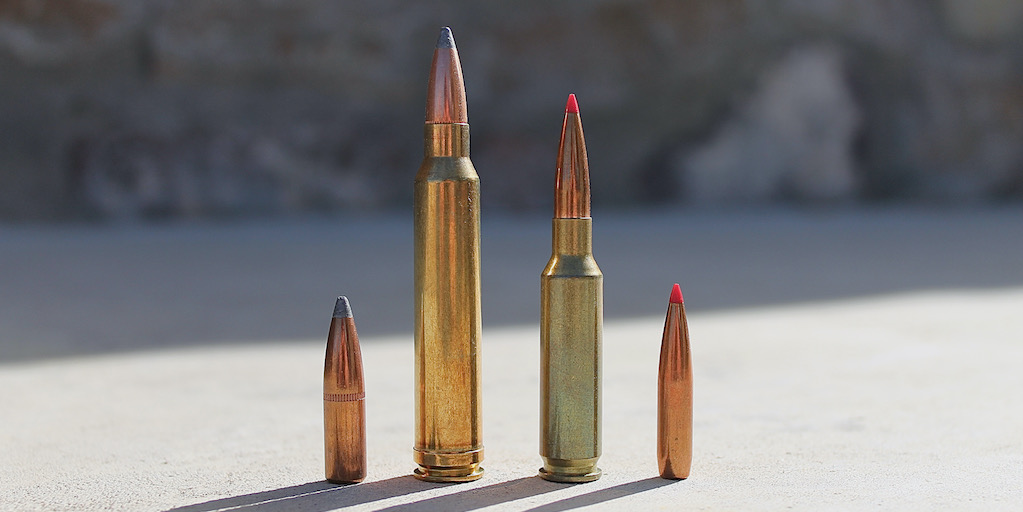
The 6.5 Creedmoor remains the standard answer for shooters who want predictable long-range behavior without magnum recoil. Its strength is efficiency. Long, slender 6.5mm bullets carry well, resist wind better than many older general-purpose rounds, and make correction calls easier to repeat. That matters when a shooter is dealing with mirage one moment and a cold crosswind the next. It is also one of the easier cartridges to shoot well for extended sessions, which helps more than raw speed ever will. Field & Stream noted that the round can remain supersonic out to 1,400 yards. That does not make it an all-conditions miracle cartridge, but it does explain why so many shooters trust it inside 1,000 yards.
2. 6.5 PRC
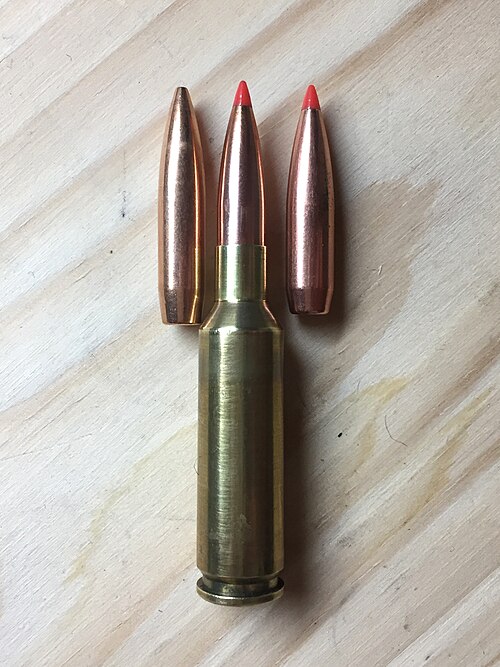
The 6.5 PRC takes the same aerodynamic advantages and adds more speed. That extra velocity shortens flight time, flattens trajectory, and trims wind exposure without forcing a move into the recoil class of the big .30-caliber magnums. In ugly conditions, shorter time in flight is a practical advantage, not a theoretical one. With loads such as Hornady’s 143-grain ELD-X at 2,960 fps, the cartridge has the kind of retained speed and energy that keeps solutions from getting sloppy at distance. It is a logical step for shooters who like the Creedmoor’s manners but want more margin in cold, windy air.
3. 7mm PRC
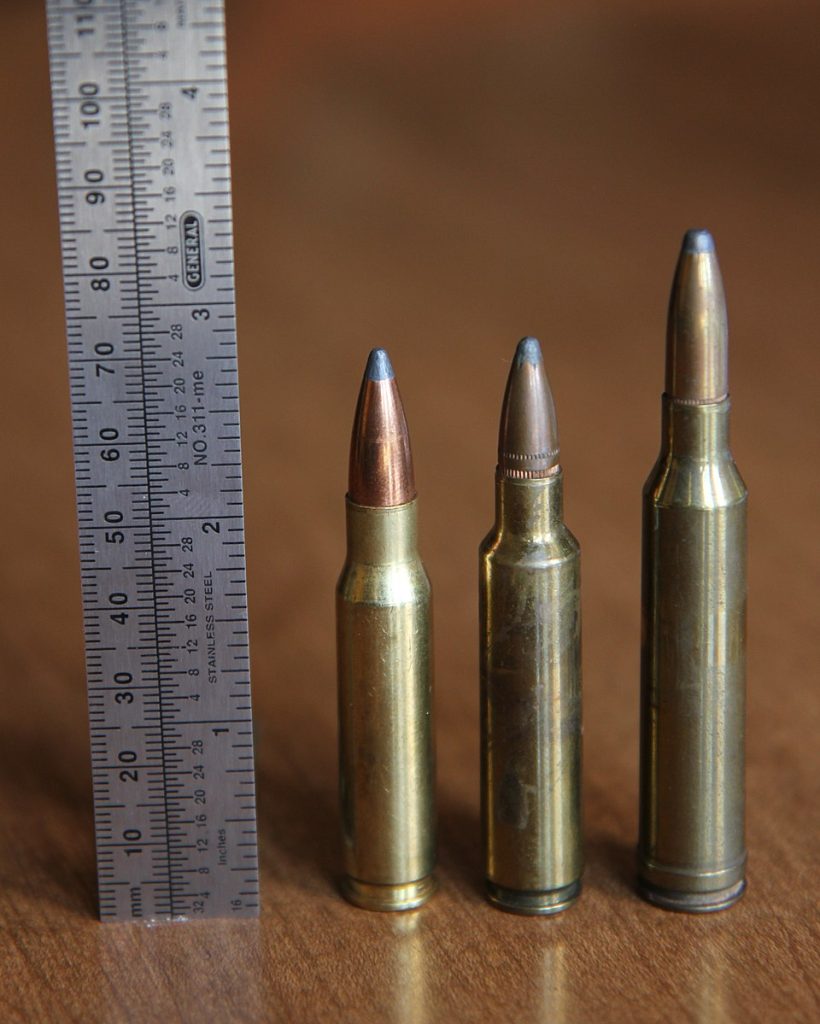
The 7mm PRC has become one of the most complete modern long-range cartridges because it combines heavy-for-caliber bullets, fast twist barrels, and magnum-level reach without leaning on outdated geometry. Its major advantage is that it was built around long, high-BC bullets from the start. That gives it a calmer feel at distance. Field & Stream highlighted the cartridge’s use of a fast 1-in-8 twist rate, which helps stabilize the longer bullets that make this class so effective in wind. When conditions deteriorate, the 7mm PRC’s balance of velocity, BC, and retained energy makes it one of the most predictable options available.
4. .280 Ackley Improved
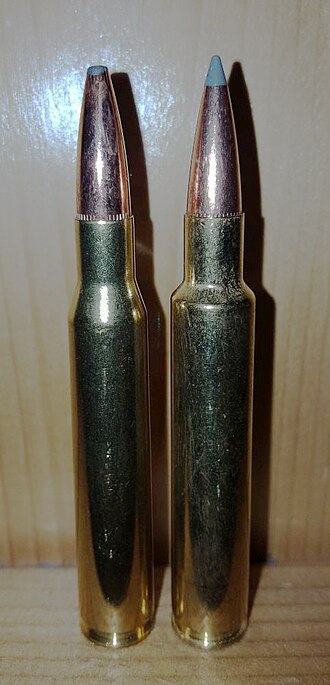
The .280 Ackley Improved has held its reputation for a reason. It delivers much of what shooters like about 7mm magnums, but it does so with a milder shooting character that often makes real-world precision easier to maintain. Predictability is not only about ballistics on paper; it is also about whether the shooter can spot impact and send a correct follow-up. With strong bullet selection from roughly 120 to 175 grains, the cartridge covers a lot of ground. American Hunter described its performance as approaching 7mm Remington Magnum levels with noticeably less recoil, which explains why it has remained relevant even as newer cartridges crowd the market.
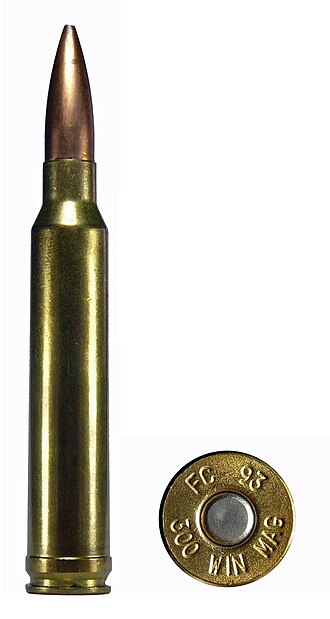
5. .300 Winchester Magnum
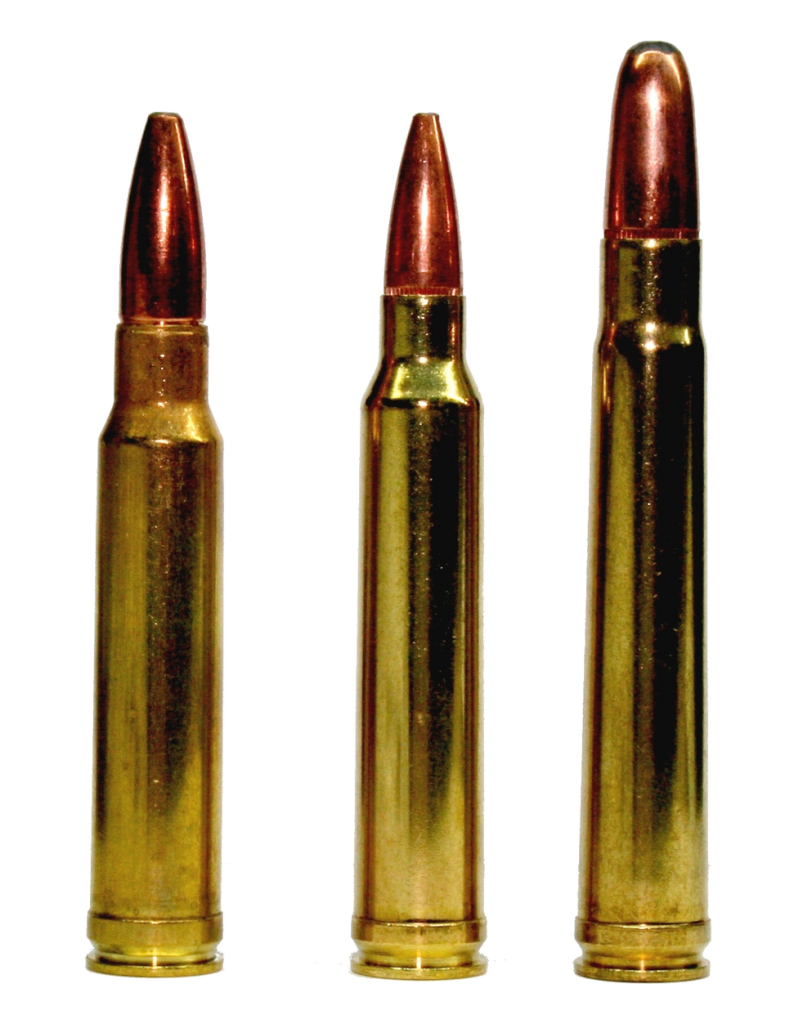
The .300 Winchester Magnum is still one of the safest choices for difficult long-range work because it combines wide ammunition availability with enough case capacity to drive heavy .30-caliber bullets hard. It is not gentle, but it is proven. Its reputation comes from repeatable performance in wind and at extended range. Heavy bullets with high sectional density hold onto velocity, and the cartridge’s deep support base means there is a large body of known ballistic data behind it. For shooters who can manage the recoil, .300 Win. Mag. remains one of the most dependable bad-weather long-range cartridges ever standardized.
6. 300 PRC
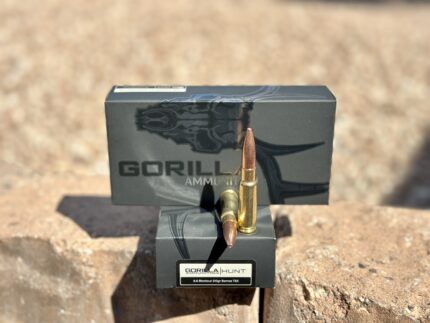
The 300 PRC modernized the .30-caliber magnum formula by emphasizing long, heavy bullets and efficient geometry. It is beltless, purpose-built for long seating depth, and especially comfortable with the kind of projectiles that stay organized far downrange. That is why it tends to look cleaner on tough days than older magnums loaded around shorter bullet constraints. Field & Stream lists the 212-grain ELD-X load at 2,860 fps, with the cartridge staying above the speed of sound to around 1,650 yards. In practical terms, that means fewer surprises as air density rises and wind starts pushing harder.
7. 300 Norma Magnum
The 300 Norma Magnum occupies the space where extreme reach begins to matter but a shooter still wants a cartridge with more aerodynamic flexibility than the larger .338s. It has earned respect by sending sleek .30-caliber bullets fast enough to remain highly competitive well past a mile. One reference source described its ballistics as rivaling the .338 Lapua when paired with modern high-BC bullets. That helps explain why it keeps showing up wherever shooters want magnum authority without the full weight and recoil penalty of the bigger bore alternatives.
8. .375 CheyTac
At the outer edge, predictability depends on brute-force ballistic efficiency. The .375 CheyTac is built for that environment. It belongs to extreme long-range shooting, where high-BC bullets, massive retained velocity, and long supersonic range matter more than convenience. It is not a general-purpose answer, and it comes with obvious tradeoffs in cost, rifle size, and recoil. But when the job is to stay stable at distances most cartridges never reach gracefully, the .375 CheyTac remains one of the benchmark choices for keeping flight behavior readable in harsh conditions.
No cartridge cancels weather. What the best ones do is reduce how much the environment can punish a small error. High-BC bullets, manageable recoil, fast enough muzzle velocity, and consistent ammunition all help preserve a firing solution when cold air and wind begin stacking problems. That is why this group spans everything from the mild 6.5 Creedmoor to the massive .375 CheyTac. Some are easier to live with, some offer more reach, but all eight have the same trait in common: they stay more predictable than average when long-range conditions stop being friendly.


