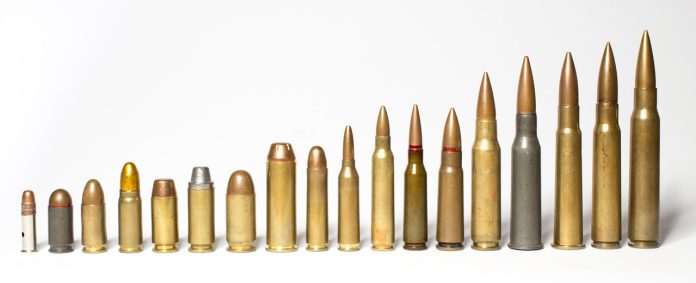
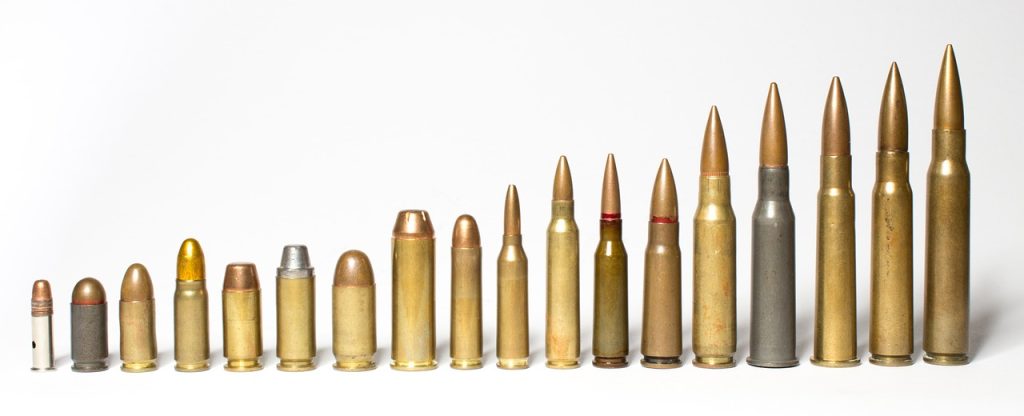
Hunters often blame a cartridge when a bullet fails to break through shoulder, spine, or heavy leg bone. In practice, the problem is usually more specific than headstamp alone. Bullet weight, sectional density, impact speed, frontal area, and construction all decide whether a projectile keeps driving or comes apart early.
That is why some familiar hunting rounds earn more confidence than they deserve on large-bodied game. Many work well inside their lane. Trouble starts when light-for-caliber bullets, rapid expansion, or limited shank length meet thick muscle and heavy bone at the wrong angle.
1. .223 Remington
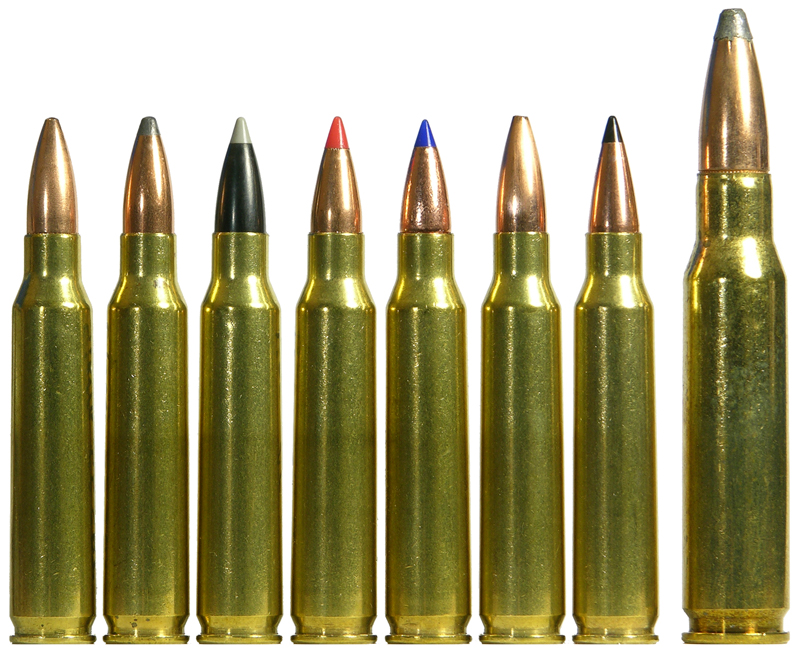
The .223 Remington has proven that it can kill far above its size with careful bullet selection and disciplined shot placement. Field use with heavy .224-caliber bullets, especially loads built around the 77-grain Sierra TMK, has shown striking internal damage on deer-sized game and even larger animals under controlled circumstances. But overtrust begins when that evidence gets stretched into a general rule. The cartridge has little margin once heavy shoulder bone or a quartering angle enters the picture. Its small diameter and limited bullet mass leave less room for error, and not every .223 bullet is built to stay together after hard contact. Even advocates of the round note that larger bullets built to maximize penetration can leave better exits and blood trails. The .223 can work, but it is still a cartridge that depends on precision more than brute penetration reserve.
2. .243 Winchester
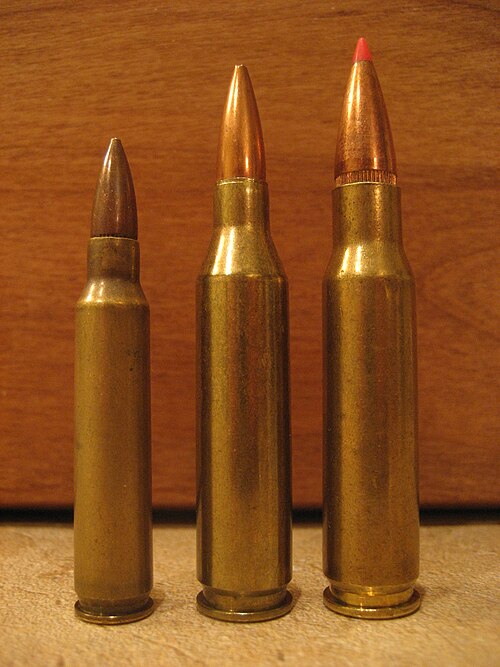
The .243 Winchester built its reputation on mild recoil, flat trajectories, and easy field accuracy. Those traits make it effective on deer and similar game, but they also encourage hunters to ask it to do more than its bullet diameter and common load choices support. Many .243 loads rely on relatively light bullets driven fast. That combination can be dramatic in soft tissue, yet heavy bone exposes the tradeoff. As velocity rises, bullet failure becomes more likely unless construction is especially tough. A fast bullet that expands too quickly or sheds too much weight can lose the penetration race before it reaches the far-side vitals. On bigger game, the .243 is often less limited by raw energy than by what happens after impact.
3. 6.5 Creedmoor
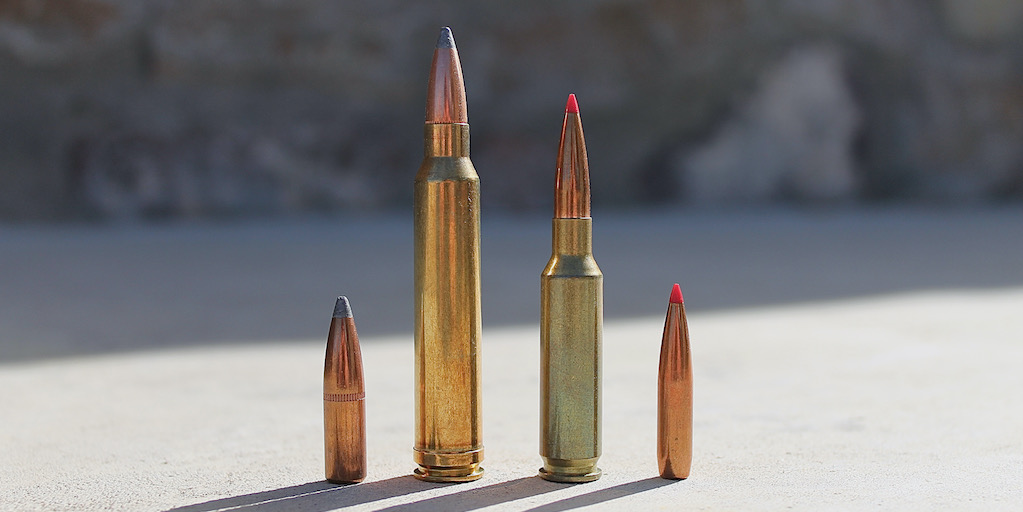
The 6.5 Creedmoor is often treated as if efficiency cancels all other constraints. It does not. The cartridge benefits from long-for-caliber bullets with strong aerodynamics, and higher sectional density does favor deep penetration when everything else is equal. Everything else is rarely equal. Heavy bone can turn the Creedmoor’s strengths into a mixed package because sleek bullets are not automatically tough bullets. Some open readily and create wide drag early, which reduces penetration once resistance spikes. A 6.5 can kill large game cleanly, but it does not hit with the same frontal authority as larger bores of similar bullet weight. As one experienced hunting writer argued, diameter matters in how a bullet transfers force, and medium-bore rounds can show a noticeably heavier effect on game when velocity and bullet weight are close.
4. .270 Winchester
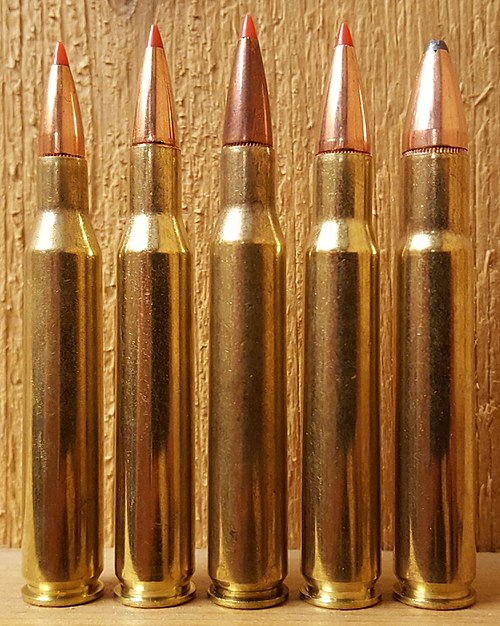
The .270 Winchester has been trusted for generations because it shoots flat and carries enough energy for a wide range of North American game. That long success can hide a recurring weakness: many hunters still pair it with lighter bullets better suited to broadside lung shots than to smashing through major bone. Its standard bullet weights are effective, but they do not carry the same shank mass as heavier .30-caliber or .35-caliber projectiles. When a .270 bullet expands quickly on shoulder impact, penetration can shorten fast. The cartridge remains highly capable, yet it is often overestimated as a bone-breaking round simply because it has been so widely used for everything.
5. 7mm Remington Magnum
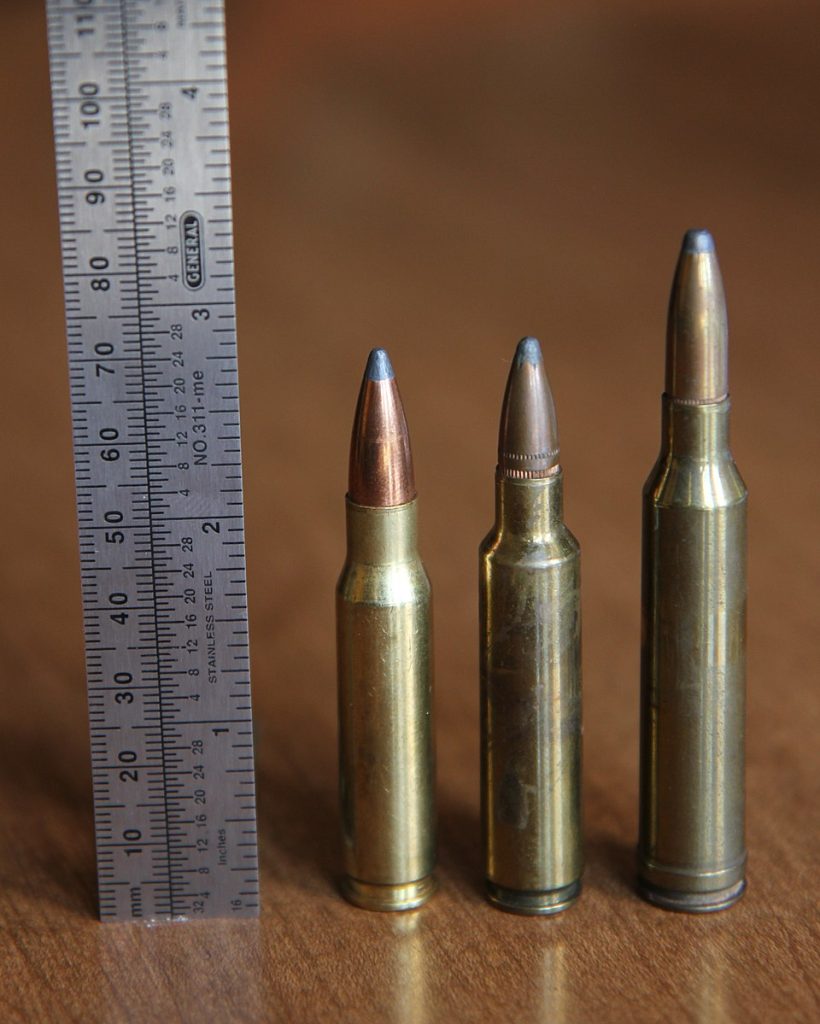
The 7mm Remington Magnum creates another kind of false confidence: speed. Hunters see high velocity and strong downrange energy figures and assume those numbers guarantee deep straight-line penetration. They do not. Velocity and energy alone do not kill game; bullet performance in the animal does. Fast magnums can be especially unforgiving at close range, where impact speed is highest and some bullets open too violently. A lighter 7mm bullet that looks excellent on paper can meet shoulder bone, mushroom hard, and run out of momentum before crossing the chest. The cartridge is powerful, but it rewards tougher or heavier bullets far more than many hunters realize.
6. .308 Winchester
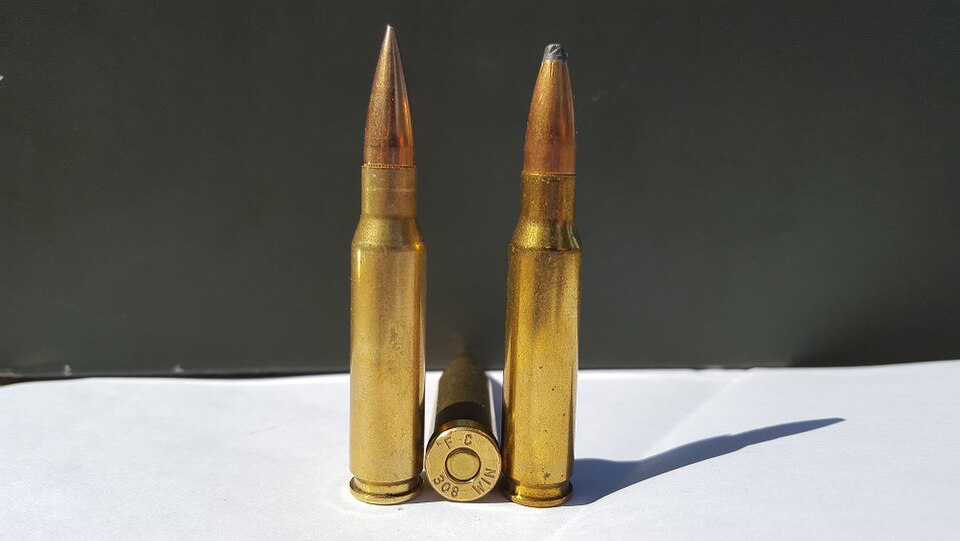
The .308 Winchester is one of the most balanced big-game cartridges ever designed, which is exactly why it gets overtrusted. Its reputation for versatility sometimes causes hunters to forget how much bullet choice changes the outcome. A light .308 bullet is still a light .308 bullet. The platform can launch 150-grain loads fast enough for broad usefulness, but moving up in weight matters when penetration is the priority.
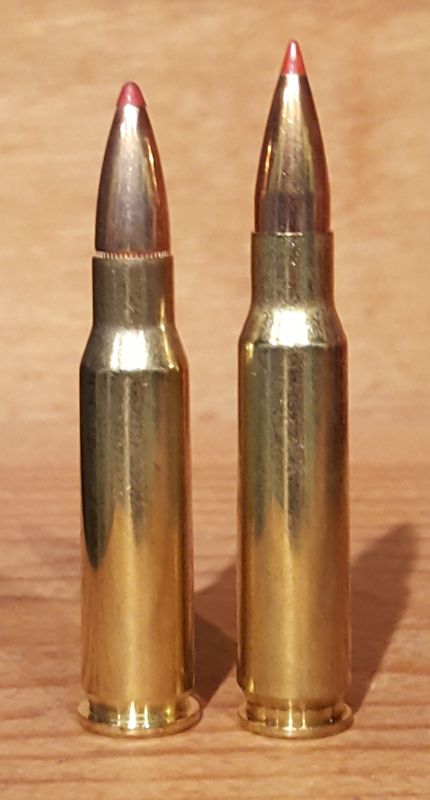
One recurring lesson in hunting ballistics is simple: heavier bullets of similar design generally penetrate better. The .308 does not become inadequate on heavy game, but it becomes much less forgiving when hunters insist on lighter, softer bullets and expect them to break substantial bone with authority.
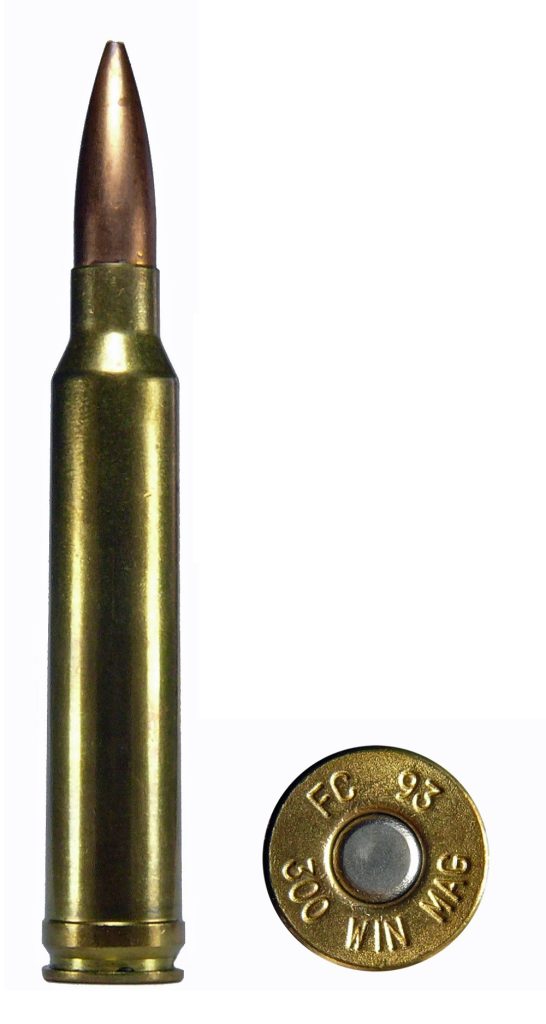
7. .300 Winchester Magnum
The .300 Winchester Magnum is often treated like a universal solution. In reality, it is one of the clearest examples of how power can disguise poor bullet selection. With light bullets, the cartridge can produce extreme impact stress at close range. That can be useful, but it can also make conventional bullets expand too fast or fragment before they reach the far side. The magnum’s real advantage appears when it drives tougher or heavier bullets that keep enough mass behind the mushroom to continue forward. Used carelessly, it can give the impression of overwhelming power while delivering less bone-breaking penetration than expected. Used correctly, it is a different animal.
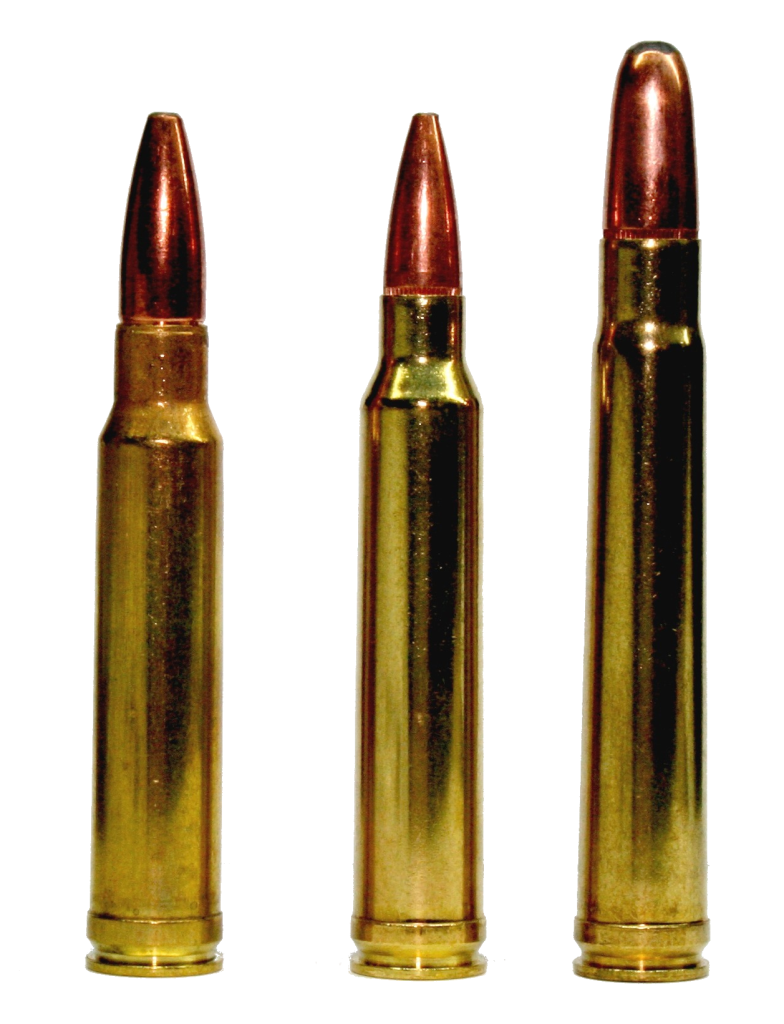
The common thread across these cartridges is not failure. It is misplaced confidence. Hunters often trust velocity, reputation, or past success on soft broadside shots, then expect the same result when the bullet meets dense bone at an angle. The more durable pattern is straightforward: penetration depends on bullet construction, sectional density, retained mass, and impact conditions as much as cartridge choice. When heavy bone is part of the equation, the cartridge matters less than whether the bullet is built to keep going.


