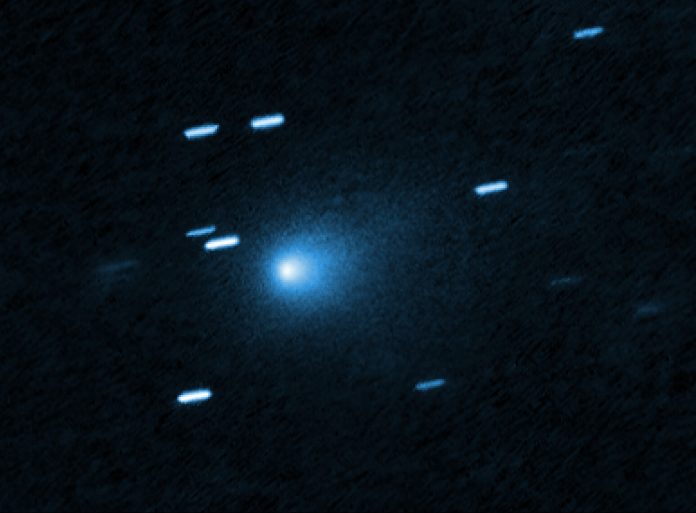
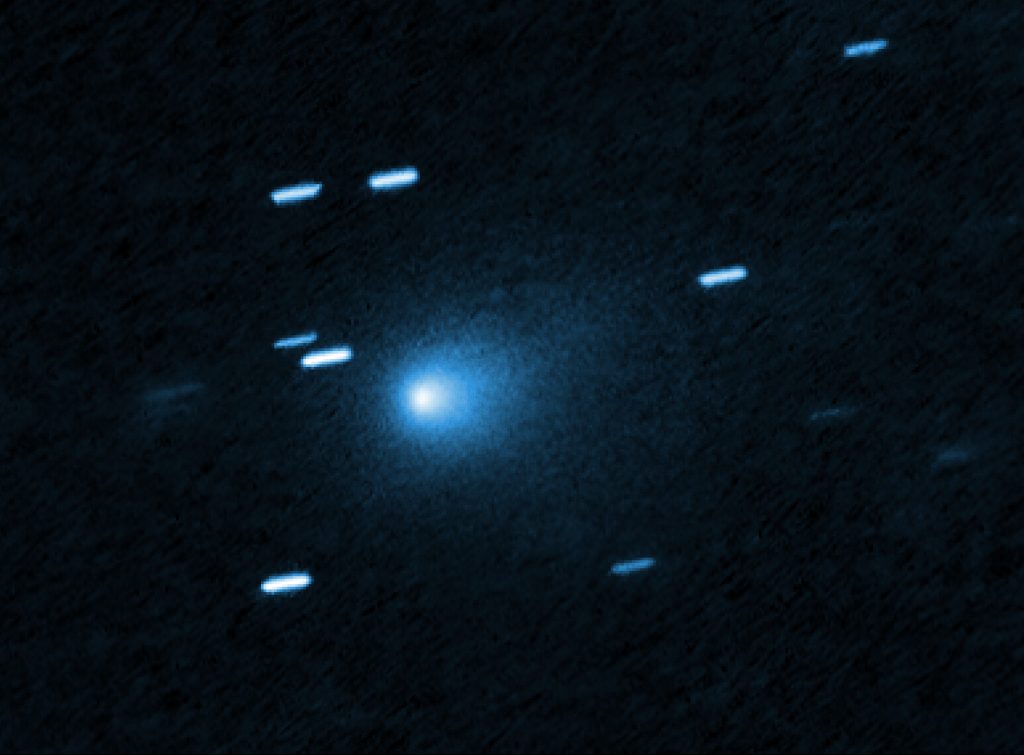
Most comets follow familiar rules. 3I/ATLAS, the third confirmed object known to enter the solar system from interstellar space, has value precisely because it is both familiar enough to classify and unusual enough to test how astronomy explains visitors from other stars.
Its appeal is not that it threatens Earth. It does not. Its importance lies in what a fast, active, chemically distinctive interstellar comet can reveal about planetary systems that no telescope can resolve directly.
1. It is only the third confirmed interstellar visitor
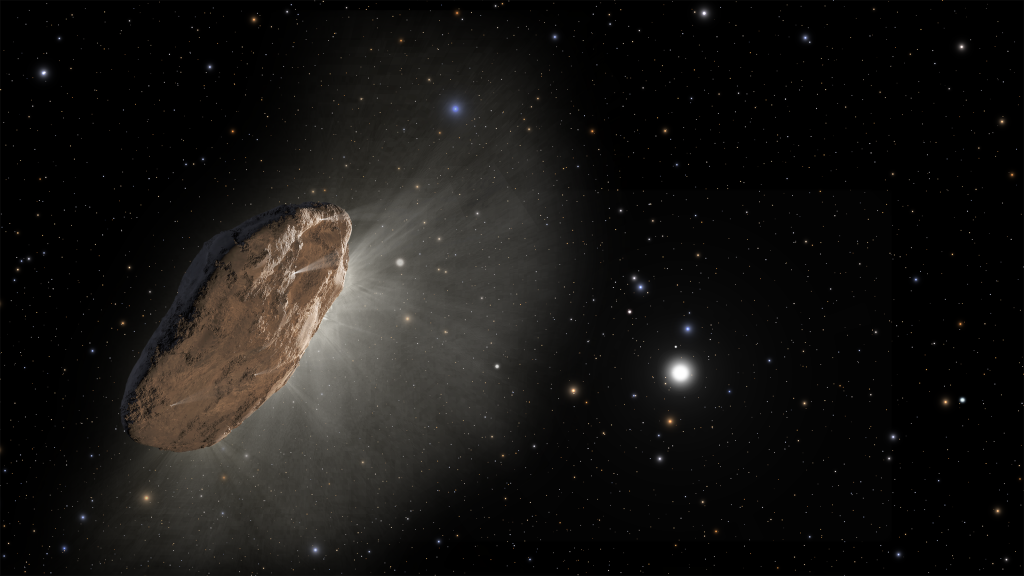
Astronomers identified 3I/ATLAS as an object from beyond the solar system because of its hyperbolic trajectory and unusually high incoming speed. NASA notes that it was discovered by the ATLAS survey in Chile on July 1, 2025, after additional pre-discovery images were recovered from other observatories. The small sample size matters. With only 1I/’Oumuamua, 2I/Borisov, and now 3I/ATLAS, each new object exerts outsized influence on theory. As Bryce Bolin described in the main article, these bodies are “They’re comets and asteroids which formed around other stars, building blocks of planets… ejected into interstellar space, which we later find as they zip through our solar system.”
2. It behaves like a comet, not a mystery shard
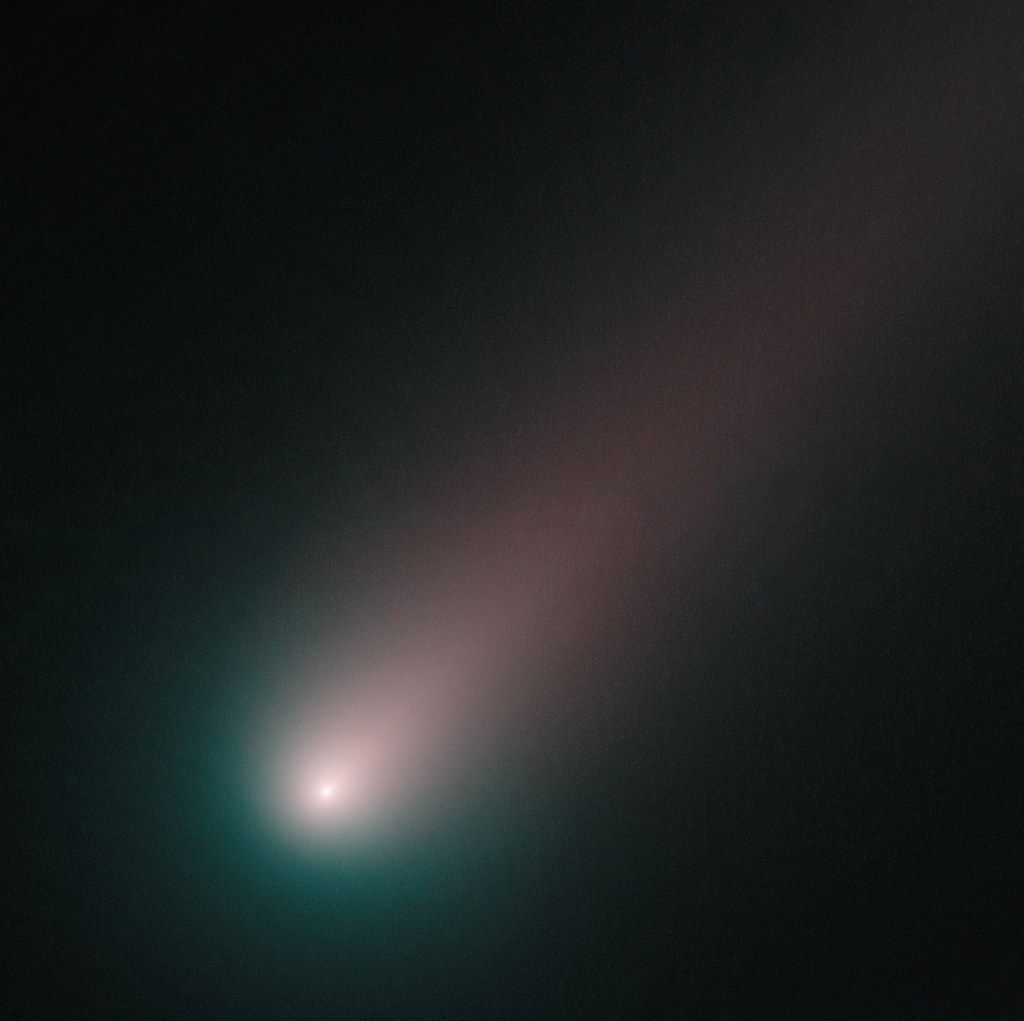
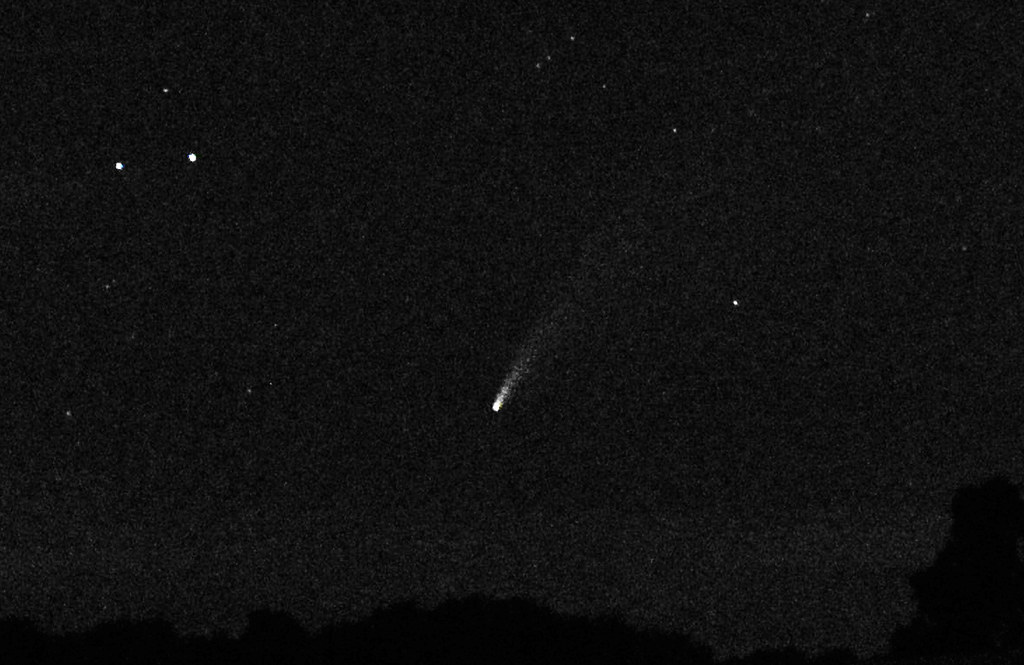
One reason 3I/ATLAS has become such a useful case study is that it shows classical cometary activity. NASA’s FAQ states that it has an icy nucleus and a coma, placing it much closer to 2I/Borisov than to the more controversial profile of ‘Oumuamua. That distinction is scientifically productive. NASA associate administrator Tom Statler said, “It looks like a comet. It does comet-like things… the evidence is overwhelmingly pointing to this object being a natural body.” The presence of gas and dust does not make it ordinary; it makes it measurable.
3. Its chemistry opens a window into alien planet formation
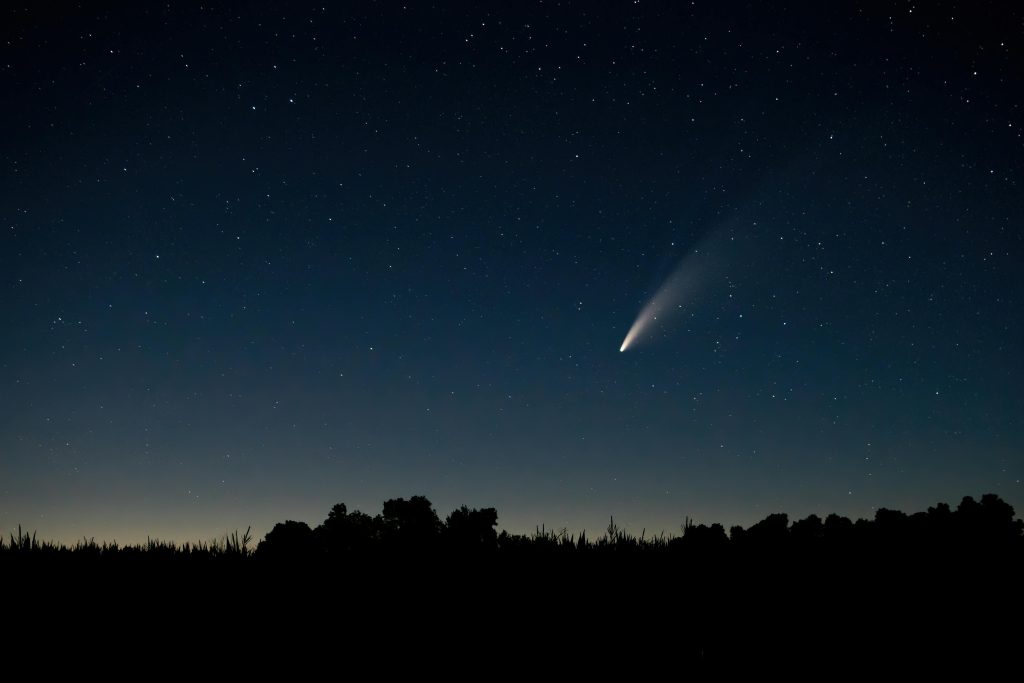
Observations from Hubble, JWST, SPHEREx, and large ground telescopes indicate that 3I/ATLAS is rich in volatile material. Publicly reported measurements showed unusually high carbon dioxide abundance, along with water, carbon monoxide, cyanide, and atomic nickel in the coma. This is where the comet becomes more than a passing object. Volatile ratios act as clues to where an object formed inside its original planetary system, especially relative to frost lines where different ices condense. If 3I/ATLAS formed far from its parent star and was later ejected, its composition preserves part of that environment. Interstellar objects therefore function as samples from exoplanetary systems delivered without the need for an interstellar mission.
4. Its age may make it older than the solar system
Trajectory studies discussed in the reference material suggest 3I/ATLAS may come from an older stellar population in the Milky Way’s thick disk. Some analyses summarized in the available material place its likely age in the range of 3 to 14 billion years, making it a candidate for one of the oldest comets ever observed. Avi Loeb framed the contrast by calling 3I/ATLAS “among the elders in our cosmic block.” Even without adopting all of his broader interpretations, the age argument is significant. A body that spent billions of years crossing the galaxy may preserve chemistry from an epoch very different from the one that produced the Sun.
5. It sharpened the contrast with ‘Oumuamua
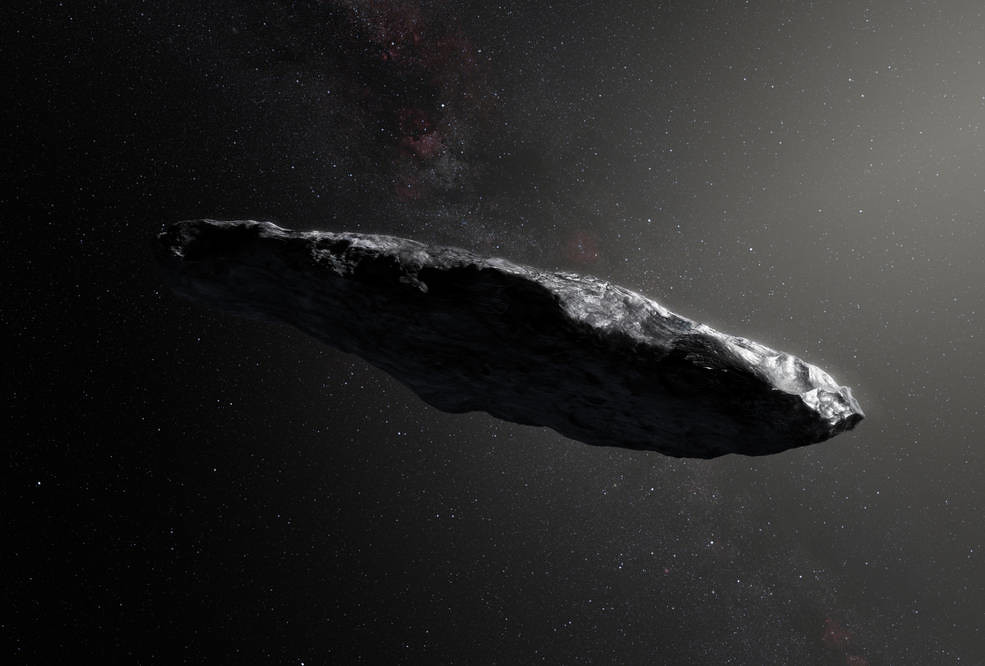
Interstellar objects are already dividing into types. ‘Oumuamua arrived as an object with no visible coma and lingering debate over its non-gravitational acceleration. 2I/Borisov looked more like a recognizable comet. 3I/ATLAS extends that second category, but with its own twists in dust behavior, chemistry, and speed. That growing contrast helps astronomy move beyond one-off arguments. A sample of three is still small, yet it is enough to show that interstellar bodies are not a single class with a single origin story. Some may be ejected icy planetesimals, some may come from older stellar populations, and some may preserve volatile inventories rarely seen in local comets. The path to understanding ‘Oumuamua may run through objects that are less ambiguous.
6. It showed how new observatories will change the field
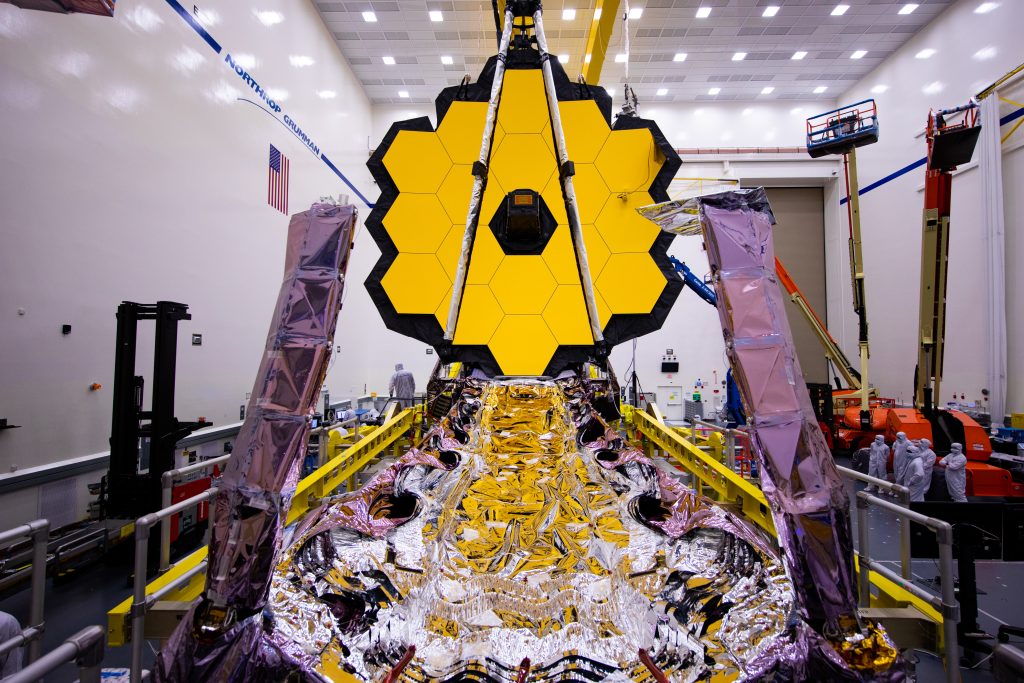
The emergence of 3I/ATLAS arrived at the same moment that the Vera C. Rubin Observatory began demonstrating its survey power. The reference material notes that Rubin had imaged 3I/ATLAS before its official discovery, highlighting how close astronomy is to finding many more such bodies.
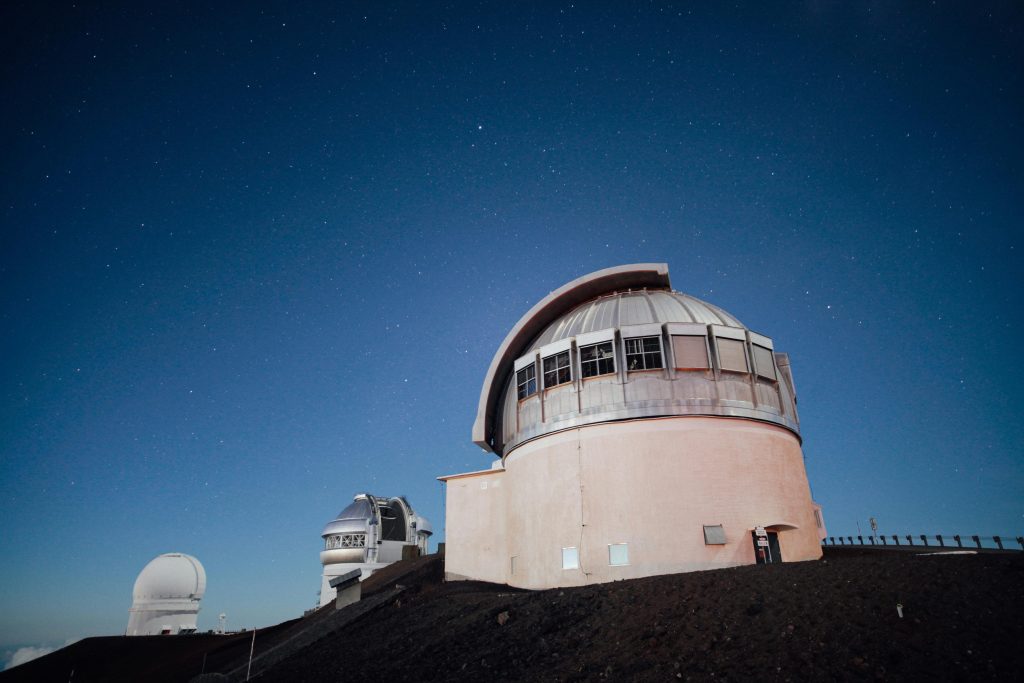
This shift may be the most consequential part of the story. Earlier interstellar detections felt rare enough to be historical accidents. Rubin’s wide, repeated scans of the southern sky change that expectation. As David Jewitt noted in the Knowable Magazine article, the field is still behind, but astronomers expect to see more. A larger inventory would allow statistical comparisons of size, chemistry, age, and origin instead of treating each object as an isolated curiosity.
7. It reinforces why interstellar objects matter to exoplanet science
Exoplanets are usually studied indirectly through starlight, transits, or orbital wobbles. Interstellar objects offer a different path: they are physical leftovers from other planetary systems. Knowable Magazine summarized the appeal through astronomer Meredith Hughes, who said, “Planetesimals are the building blocks of exoplanets.” That makes 3I/ATLAS a traveling archive. Its ices, dust, and orbital history can inform models of how other systems assemble planets, how giant planets eject debris, and how long small bodies survive in interstellar space.
NASA also emphasized that the comet poses no danger to Earth, coming no closer than roughly 170 million miles. Its value is observational, not dramatic. The science lies in what it carries. 3I/ATLAS did not overturn comet physics. It did something more useful: it expanded the evidence base. A natural interstellar comet with measurable gases, constrained size, and a probable deep-galactic history gives astronomers a stronger foundation for comparing visitors rather than mythologizing them. If more objects like it appear, interstellar astronomy will stop being a sequence of anomalies and start becoming a population science.


