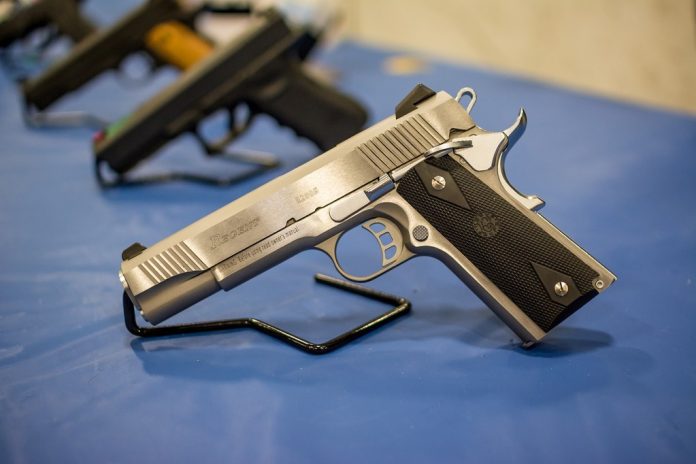
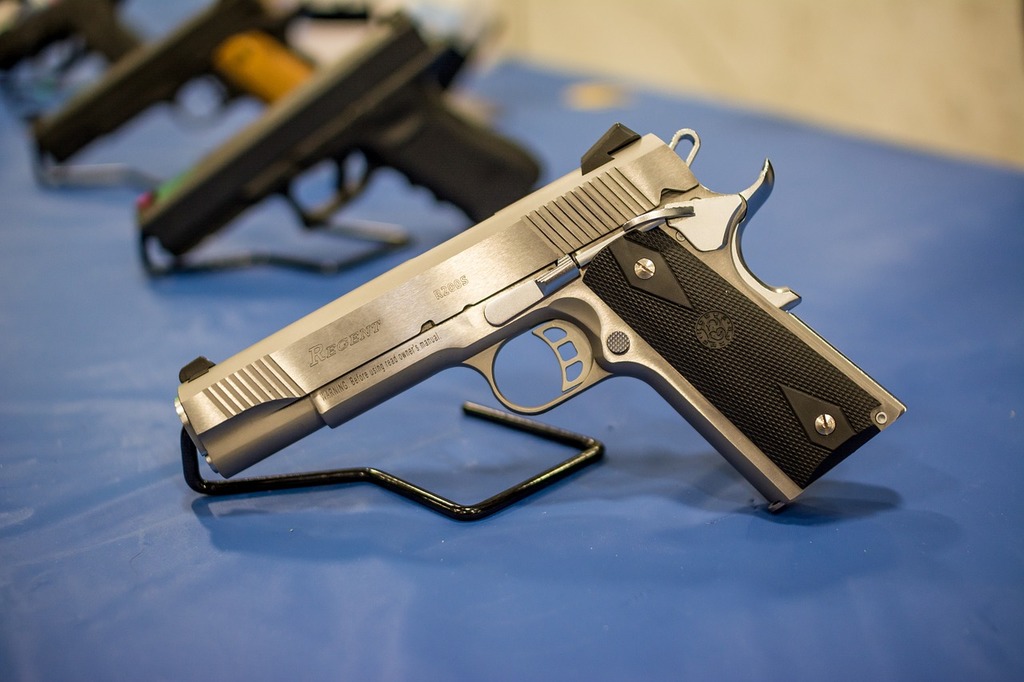
Defensive handguns are often discussed in clean, confident slogans. Under pressure, those slogans tend to break apart. Stress changes vision, timing, grip, and judgment.
That is why many of the most persistent handgun beliefs are not just oversimplified they can push people toward bad decisions at the exact moment performance is least reliable.
1. Bigger caliber solves the problem
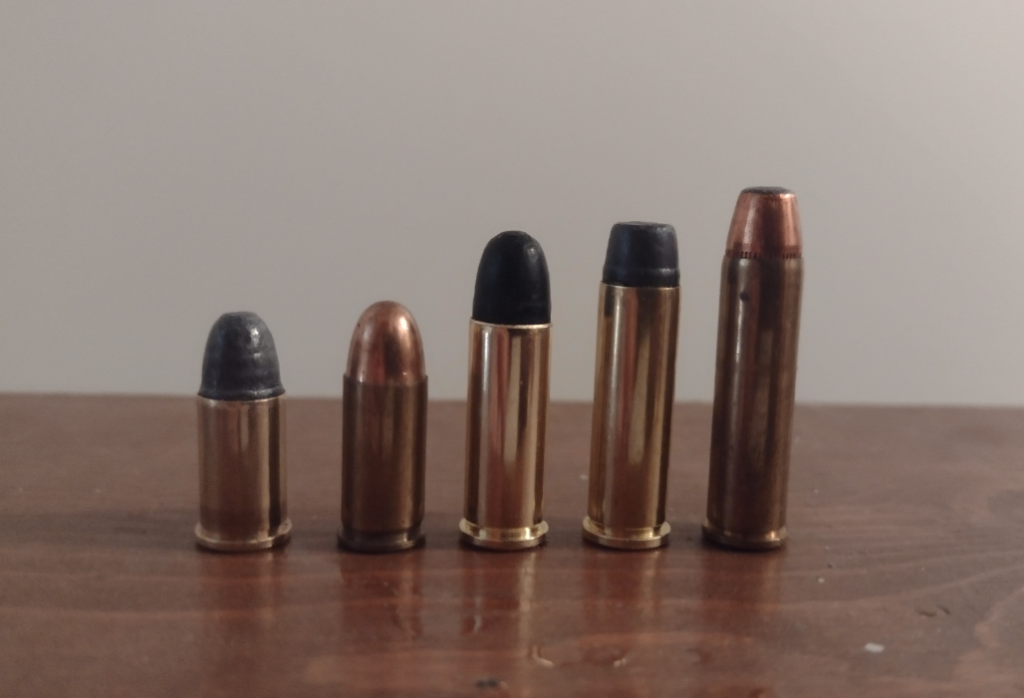
Caliber gets treated like a shortcut to certainty, as if a larger round can compensate for misses, rushed shooting, or poor control. In real defensive use, handguns do not produce uniform outcomes, and larger cartridges do not guarantee immediate incapacitation. The more durable lesson is simpler: repeatable hits matter more than cartridge mythology. Even long-running training discussions point to the fact that most people shot with a handgun survive. That puts the emphasis on placement, recoil management, and the ability to fire follow-up shots that stay useful when hands are shaking and time is compressed.
2. Hollow points act like an instant off switch
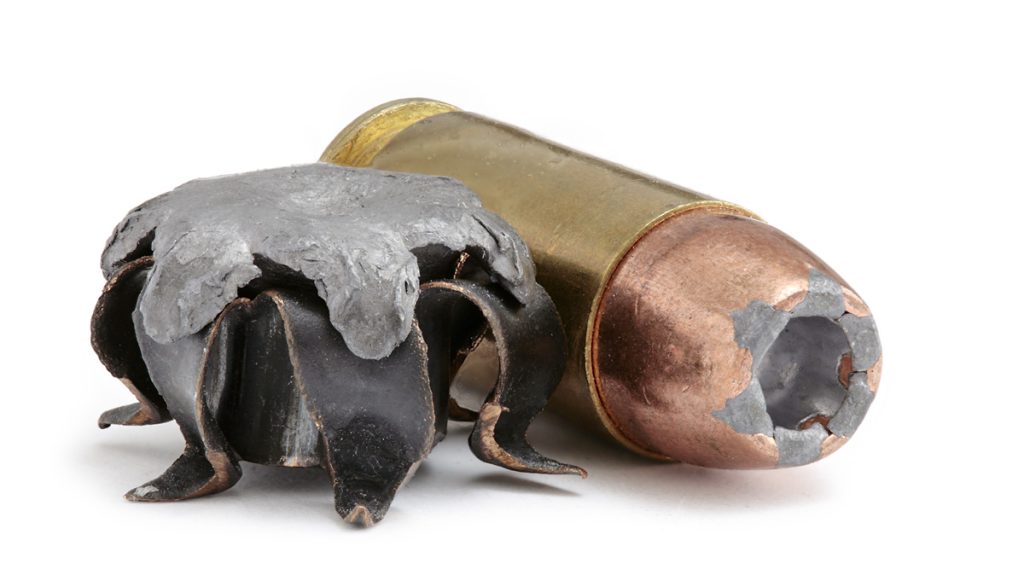
Modern hollow points are designed to improve terminal performance, but they are not a mechanical promise of a fast stop. Clothing, intermediate barriers, angle, and depth all affect what a bullet actually does after impact. The more relevant benchmark is penetration to vital anatomy, not marketing language around expansion. The FBI’s long-cited standard calls for roughly 12 to 18 inches of penetration in calibrated gelatin, because expansion without enough depth can still fail to reach what must be disrupted. Ammunition can improve margins, but it cannot replace accuracy or decision-making.
3. Malfunctions mean the pistol is at fault
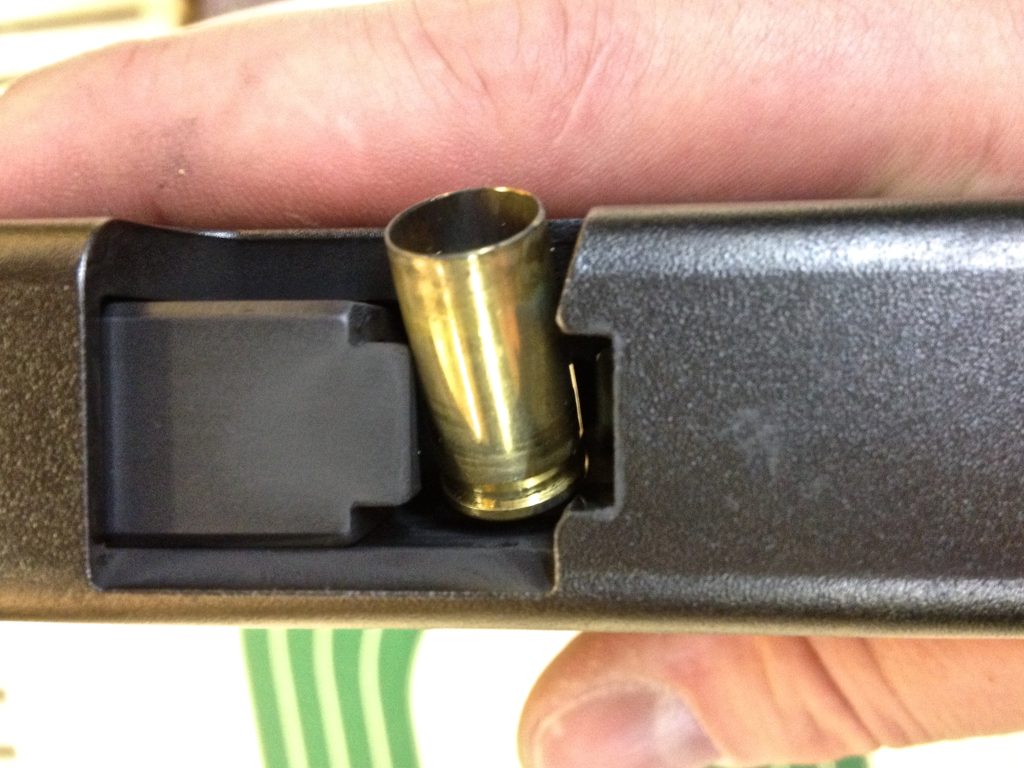
When a compact semi-auto chokes during fast shooting, the gun often gets blamed first. Sometimes that diagnosis is wrong. Small pistols, short slide travel, and hurried technique can expose shooter-induced stoppages. A weak or unstable wrist can absorb energy the slide needs to cycle, producing failures to eject or return to battery. Shooters have debated “limp wristing” for years, but the underlying issue is widely recognized as a grip stability issue. That makes grip pressure and wrist support part of reliability, not just marksmanship.
4. More rounds automatically improve survival odds
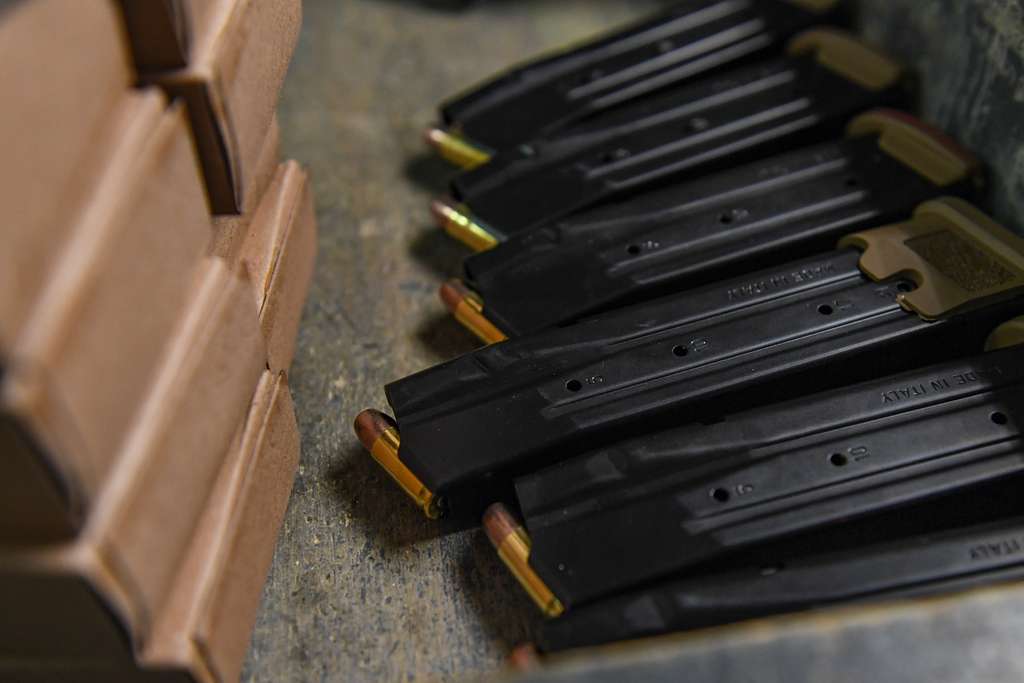
Higher capacity has obvious advantages, but it is often treated as the primary answer to a civilian defensive problem that usually unfolds at short range and at high speed. Extra ammunition cannot fix a poor draw, a late first hit, or misses driven by panic. This is where stress strips away comforting assumptions. In many training discussions, reloads in defensive shootings are described as uncommon, and a frequently cited claim puts incidents involving a reload at just 0.05%. The exact percentage matters less than the pattern: fundamentals usually get tested before capacity does. A person who cannot deliver early, controllable hits is not being rescued by a larger magazine.
5. Looking hard through the sights is always the safest visual strategy
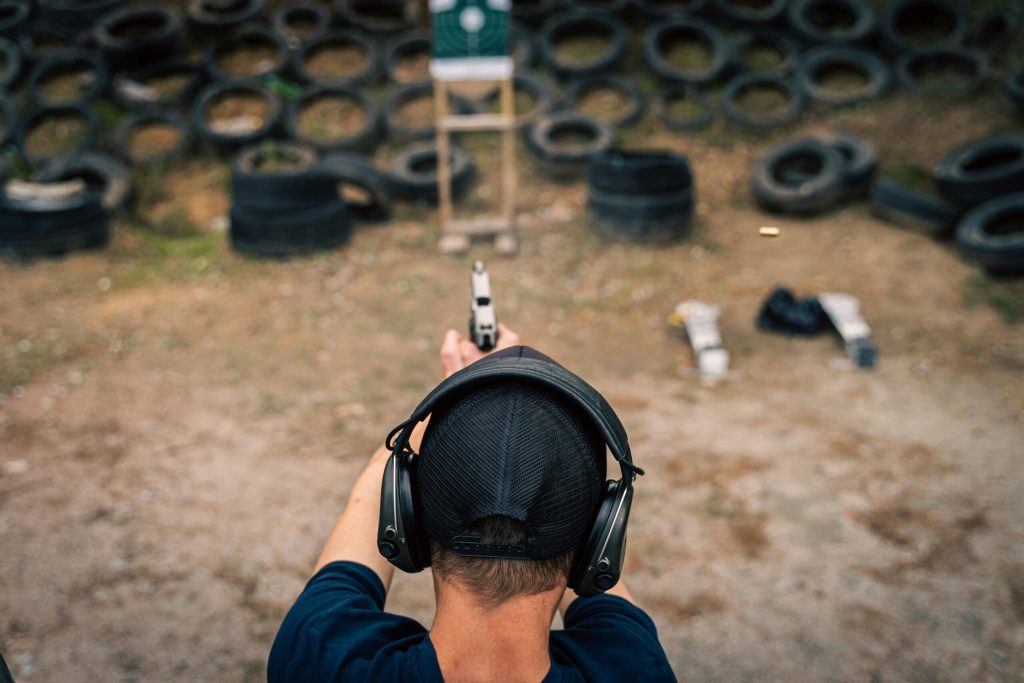
Precise sight focus helps with precise shooting. It does not solve the entire visual problem in a fluid environment. Under stress, attention narrows. If a shooter stays visually locked into a tiny slice of the scene for too long, movement at the edges can be missed. Force Science describes focal vision as covering only the size of a thumbnail held at arm’s length. That makes peripheral awareness critical for detecting motion, additional threats, or bystanders entering the problem. Good visual habits are not about abandoning the sights; they are about avoiding fixation.
6. Range performance will show up on demand
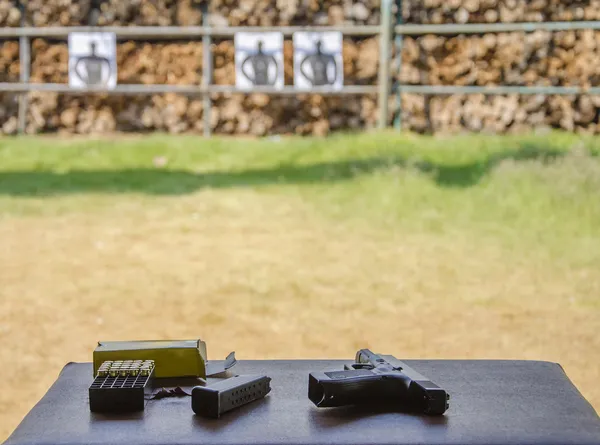
People often imagine they will shoot in a crisis the way they shoot when rested, prepared, and standing on a flat range. That assumption falls apart quickly. Fine motor control degrades under stress, and perception becomes selective. Timing gets worse. Trigger work gets rougher.
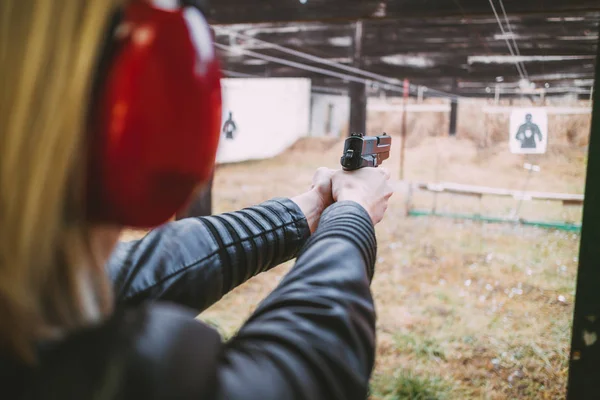
Grip can loosen just enough to open groups or create stoppages. The gap is not theoretical, either: even trained police have widely variable hit rates in actual shootings, and studies of major departments have shown that hit rates often remain well below certainty. That is a reminder that square-range confidence is not the same thing as performance under chaos.
7. Owning a handgun automatically makes a home safer
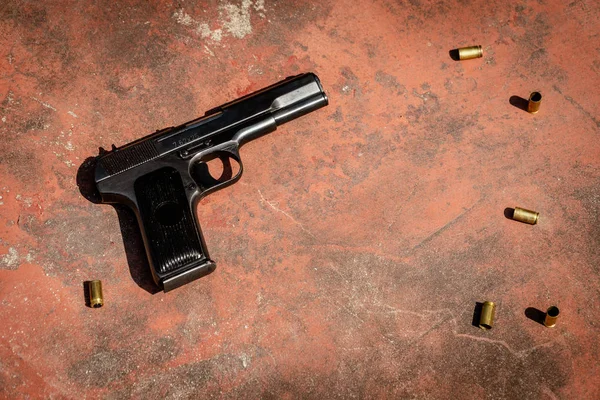
A handgun is not a self-contained safety system. Storage, judgment, identification, restraint, and training determine whether it adds control or adds risk. That is why broad claims about automatic protection do not hold up well. Research built around crime-victimization data has argued that defensive gun use occurs in fewer than 1 percent of crimes, while unsecured firearms in homes create risks that have nothing to do with strangers at the door.
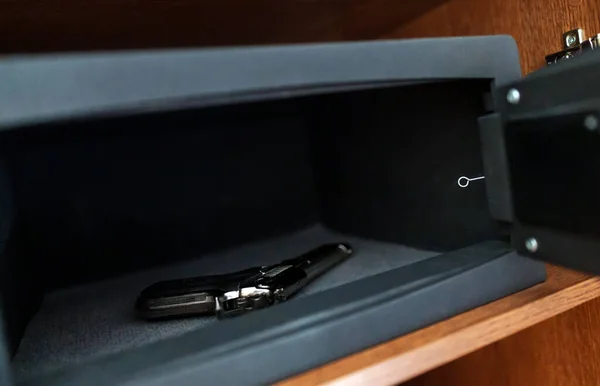
Whatever position readers take on larger policy debates, the practical takeaway is narrow and concrete: safe storage, target identification, and deliberate judgment remain essential before and after a gun enters the plan. These myths survive because they are easy to remember. They also promise control in a situation defined by uncertainty. Stress punishes shortcuts. The handgun lessons that hold up best are the least glamorous ones: stable grip, useful hits, wider visual awareness, and disciplined decisions that do not depend on slogans.


