
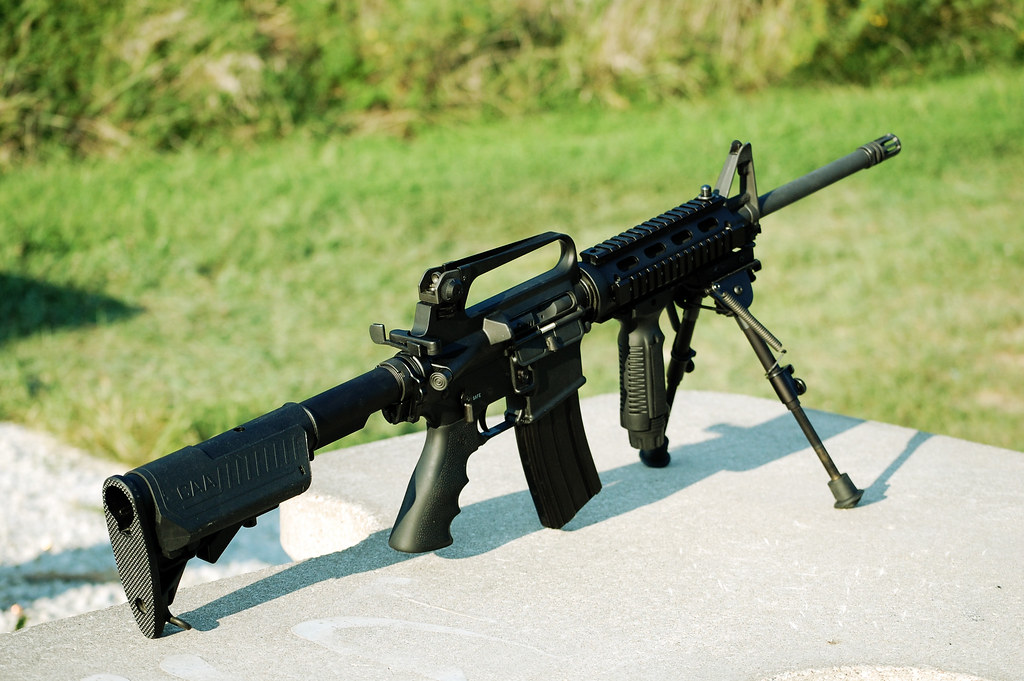
The AR-15 remains one of the most configurable rifle platforms in circulation, which is exactly why bad assumptions travel so easily with it. A rifle built around modular parts and a simple cycle of operation often gets treated like a machine that explains itself.
It does not. Mechanical shortcuts, chamber confusion, and sloppy legal assumptions are what usually create trouble. The recurring pattern is not mystery failure. It is owners trusting folklore where specs, fit, and local rules matter more.
1. Treating “AR” as a firing-mode label
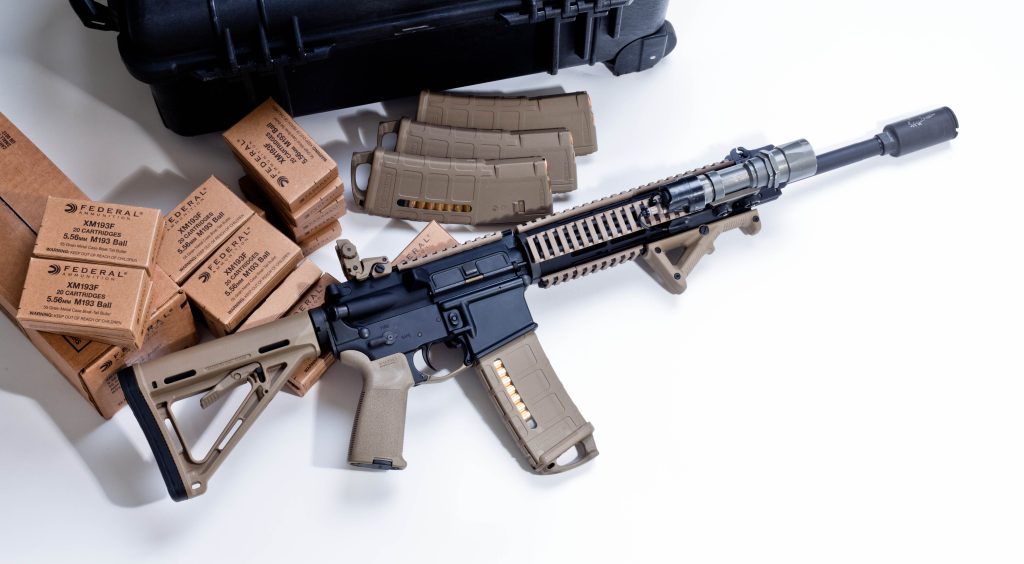
The oldest misconception still causes the most pointless confusion. “AR” does not mean assault rifle or automatic fire. It refers to the ArmaLite lineage that led from the AR-10 to the AR-15 pattern, while civilian AR-15 rifles are ordinarily configured to fire one round per trigger press. That distinction matters because names, appearance, and legal categories are not the same thing. A rifle can resemble military carbines externally and still be a very different machine internally. Once that basic naming error gets repeated often enough, it starts distorting discussions about parts compatibility, configuration limits, and what the platform is actually designed to do.
2. Assuming a civilian AR-15 is basically an M16 with a few easy swaps
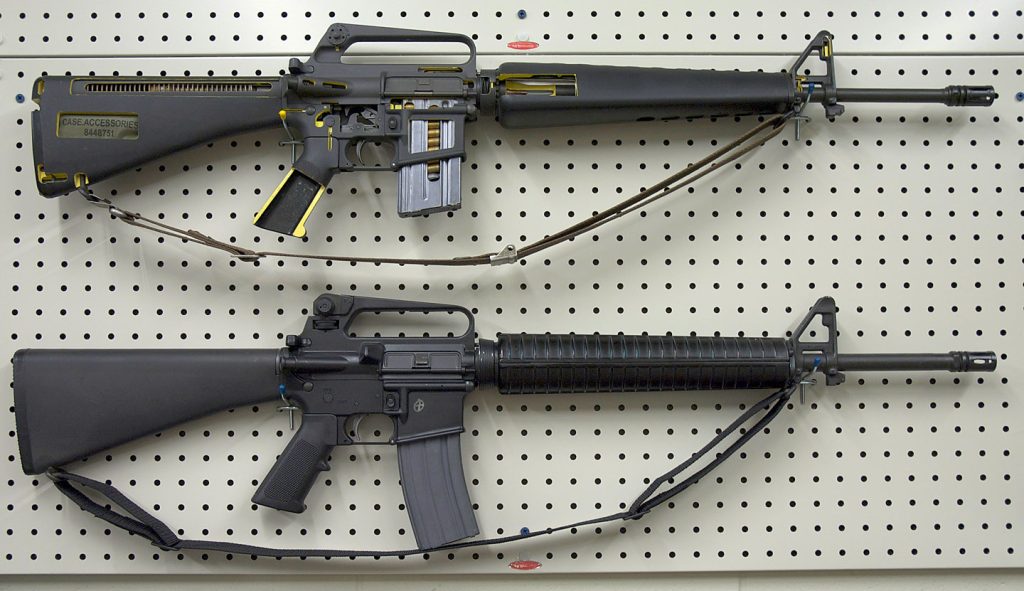
The visual overlap is real, but the mechanical leap is not small. A standard civilian AR-15 lacks the select-fire fire-control arrangement associated with M16 and M4 rifles, and the difference is not reduced to a casual parts change. Receiver geometry, controlled components, and the timing relationship between bolt movement and the trigger system separate the two. This is where internet shorthand does real damage. The platform’s modularity makes many owners think every internal change is plug-and-play. As Chad Albrecht of School of the American Rifle put it, “these parts are Legos” is one of the myths builders keep spreading. His broader point was that fit, float, and gauging determine whether parts actually work together, not just whether they can be physically installed.
3. Believing .223 Remington and 5.56 NATO are interchangeable in every rifle
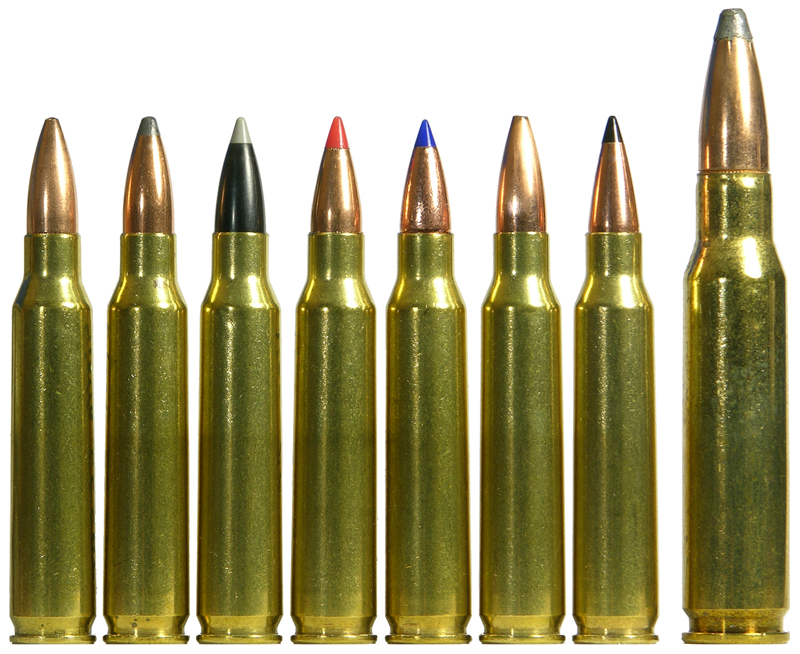
This is one of the most consequential technical mistakes because the cartridges look so similar. Externally, they are close enough that many owners stop reading once they see the case shape. The chamber, however, is the real issue. Firing 5.56 NATO in a .223 Remington chamber can raise pressure because chamber throat and leade dimensions differ. The usual “too powerful” rhetoric also misses the actual engineering story. A common 55-grain .223 load is often cited around 1,280 ft-lbs at the muzzle, while a typical 150-grain .308 load is commonly listed above 2,600 ft-lbs. The recurring safety problem is not abstract power. It is using the wrong ammunition in the wrong chamber and assuming the labels are cosmetic.

4. Thinking modular design means foolproof assembly
Easy customization is not the same as automatic reliability. The AR-15 rewards careful assembly, but it also punishes loose assumptions about torque, alignment, staking, and tolerance stacking. Small parts matter because the rifle is nothing more than a system of small parts working in sequence. That becomes obvious when stoppages start appearing. Magazine seating errors, worn springs, damaged feed lips, extractor problems, gas-ring wear, and gas-system alignment issues can all interrupt cycling. Maintenance guides and troubleshooting references repeatedly point to magazines as a common failure point, while inspection routines focus on the bolt carrier group, extractor tension, gas rings, and fastener retention. Even specific torque windows matter; updated technical guidance discussed by armorers has cited 50–58 inch-pounds for certain carrier key screws. That is not “snap together” territory. It is machine assembly.
5. Reducing home-defense debates to rifle length alone
Barrel length and maneuverability get the attention, but they do not carry the whole problem. Recoil impulse, sighting setup, projectile construction, and what happens after a miss all shape the real hazard inside a house. One set of structured testing placed 12 inches of 10% ballistic gel ahead of a simulated interior wall to see what rounds did after passing through tissue analog. The takeaway was not that one caliber solved everything. It was that a clean miss passed through multiple walls across many loads and calibers. That shifts the discussion away from slogans and back toward hit probability, ammunition choice, and what lies behind the target.

6. Assuming configuration law is mostly federal and mostly stable
AR-15 legality follows jurisdiction, features, and sometimes the exact way a part is transferred. That makes casual advice unusually risky. California remains the clearest example because the state regulates certain rifles by model, by AR-pattern variation, and by feature combinations including detachable-magazine layouts and defined characteristics under California Penal Code § 30515.

The legal picture also keeps shifting around adjacent components. Federal treatment of pistol braces changed after court decisions in 2024 and 2025 halted enforcement of the earlier ATF rule, but state and local restrictions can still remain in force. In California, newer 2026 rules also affect how some accessories and barrels are transferred. The operational lesson is simple: owners can stay mechanically unchanged and still become legally exposed because definitions, transfer rules, or feature tests moved under them.

7. Acting like responsible ownership ends when the rifle goes back in the closet
Mechanical familiarity is not the same thing as safe handling and storage discipline. The most preventable incidents begin with basic rule violations: finger on trigger too early, careless clearing, poor muzzle management, or unsecured storage when the rifle is not in use. Firearms training literature repeatedly treats trigger discipline as the critical failure point in unintended discharges, and storage guidance remains equally direct: keep firearms unloaded, locked, and separated from ammunition when they are not in immediate use. Quick-access storage can still be part of that equation.

The core issue is control. The rifle is only as safe as the handling habits and storage system wrapped around it. The AR-15’s reputation tends to pull attention toward arguments about symbolism, but the more practical story is much less theatrical. Most owner trouble starts with a narrow set of repeat errors: wrong chamber assumptions, careless parts fitting, weak maintenance habits, and jurisdiction-blind configuration choices. For this platform, reliability and compliance are both detail problems. The owners who avoid the worst outcomes are usually the ones who read markings carefully, verify fit instead of guessing, and treat storage and local law as part of the rifle’s operating envelope.


