Handgun caliber arguments usually stall at the same talking point: placement matters most. That remains true, but only after a bullet reaches something important enough to disrupt. When clothing, awkward angles, limbs, and bone enter the equation, shallow performance stops being a technical footnote and becomes the whole problem.
The reason the 12-to-18-inch penetration standard keeps showing up is simple: it gives testers a repeatable floor for whether a handgun load can still do useful work after conditions stop being ideal. It is not a promise of instant incapacitation. It is a reliability filter, and some cartridges repeatedly show how little margin they have once barrel length, bullet design, and barriers start working against them.
1. .22 Short
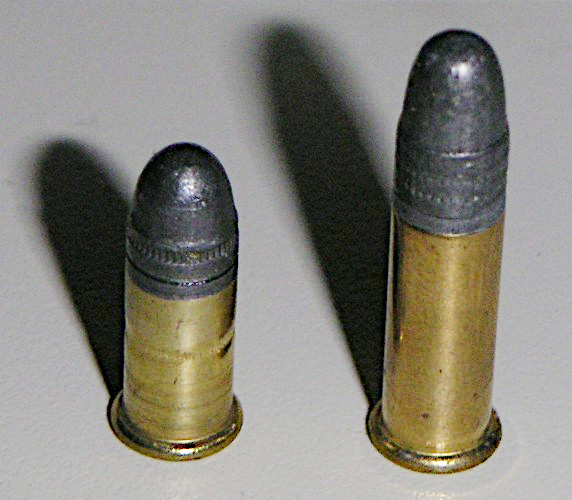
.22 Short has survived for a reason. It is soft-shooting, compact, and historically common in tiny revolvers and vest-pocket handguns. In casual use, that mild behavior is exactly what keeps it relevant. Its defensive weakness is harder to ignore. The cartridge starts with very little bullet weight and limited velocity, so it does not have much reserve for heavy clothing or deflection. In a discussion centered on penetration first, .22 Short simply runs out of useful depth too quickly. It can still wound, and it has never been harmless, but it does not offer the buffer that modern defensive testing tries to preserve.
2. .25 ACP
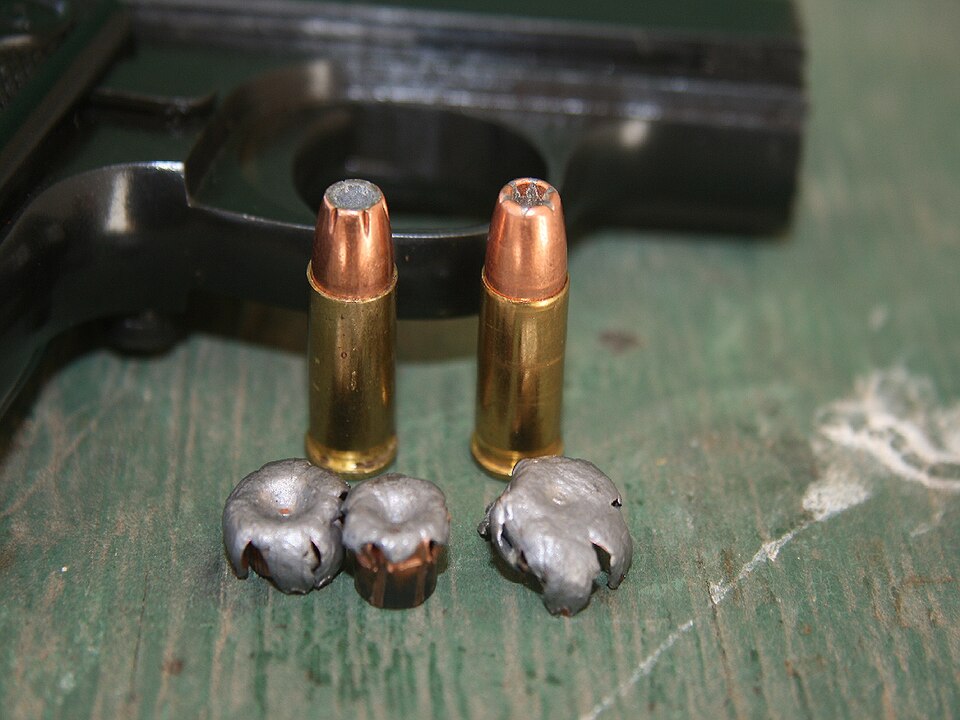
.25 ACP was built around one practical advantage: centerfire reliability in very small pistols. That separated it from pocket-size rimfires and helped explain why it stayed alive long after bigger service calibers took over duty use. The tradeoff is terminal performance. In short barrels, many .25 ACP loads struggle to reach the lower edge of accepted penetration goals, and expansion often does more harm than good by stealing what little depth the round had to begin with. Some tests have shown only roughly 11 to 12 inches from the better-performing loads, which leaves very little room for anything other than clean, straight-on shots.
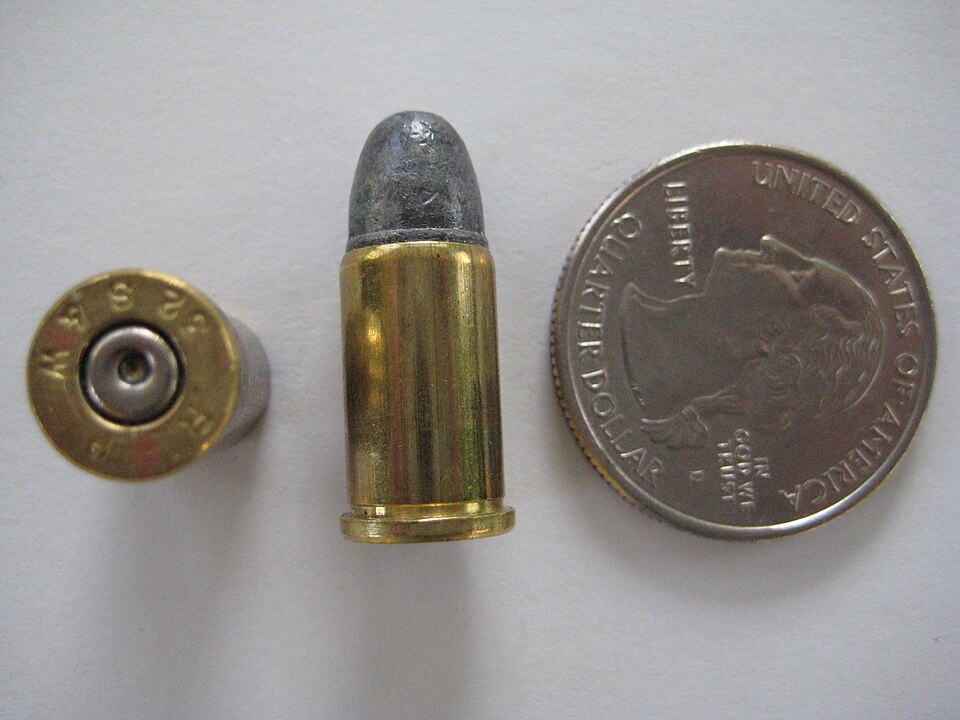
3. .32 S&W
The original .32 S&W belongs to another era of handgun expectations. It was manageable, easy to chamber in small revolvers, and common enough that many old pocket guns still turn up with it today. Modern standards are much less forgiving. This cartridge does not bring enough speed or bullet mass to deal well with intermediate obstacles, and it lacks the performance envelope that later .32 designs improved upon. That matters because penetration is the first requirement, not the bonus feature. As one commonly cited line in wound ballistics puts it, “It’s where you hit them and how many times you hit them” but that still assumes the bullet gets deep enough to matter.
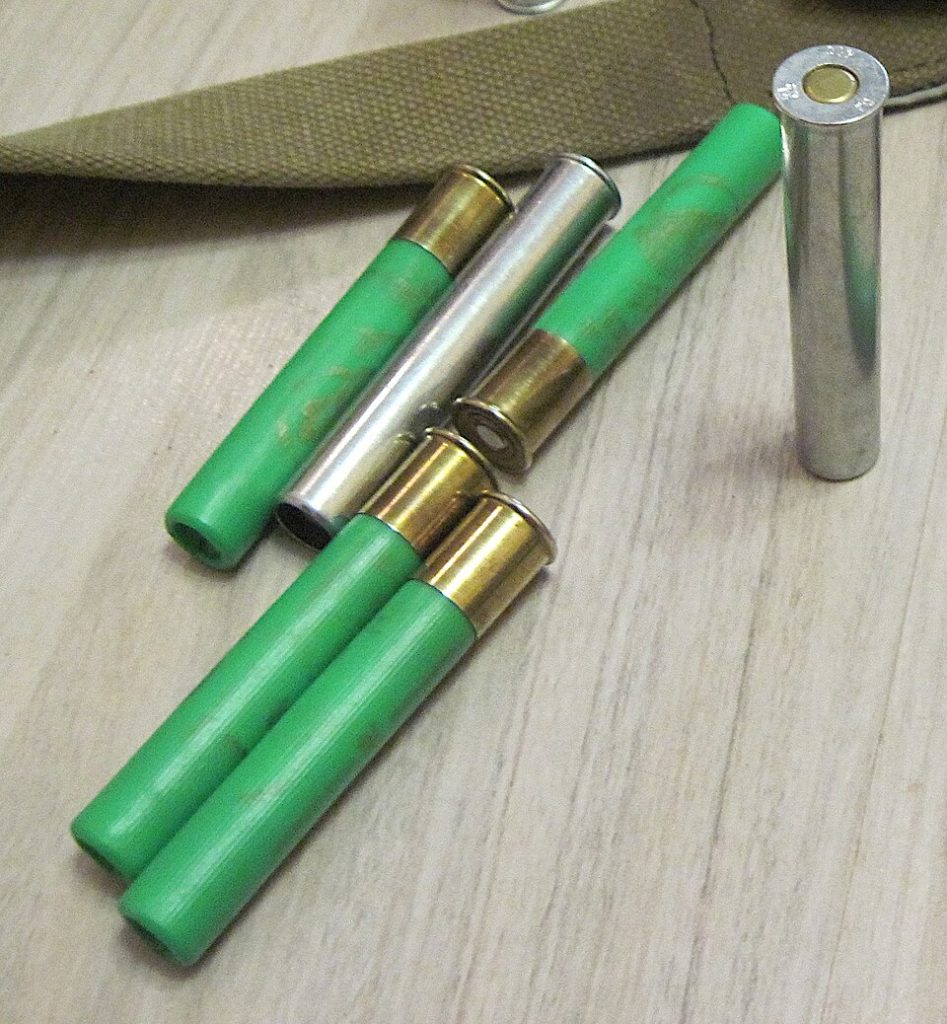
4. .410 Bore From a Handgun
Handgun-sized .410 platforms often appeal to the idea of spreading multiple projectiles across a target at close range. On paper, that sounds forgiving. In practice, it often means a payload that gives up too much penetration for dispersion. Short barrels cut velocity, and lighter shot loads can stop early even before more realistic barriers are considered. Buckshot loads can perform better, but handgun-length .410 remains inconsistent enough that pattern spread and pellet energy become liabilities rather than advantages. The system looks intimidating, yet its results can be surprisingly thin once testing moves beyond bare media.
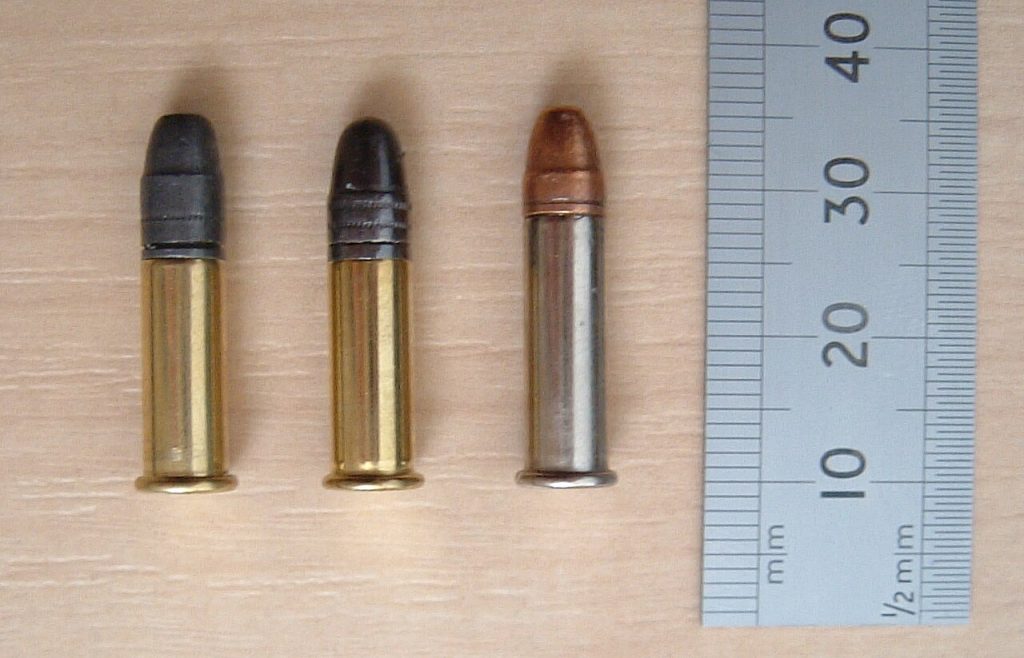
5. .22 LR From Tiny Defensive Pistols
.22 LR is everywhere, and that ubiquity gives it a reputation for solving more problems than it actually does. In handguns, the round offers very low recoil and fast follow-up shots, which keeps it in the defensive conversation. Its limitations are not only about power. Rimfire ignition still carries a reliability penalty, and tiny barrels often shave off enough velocity to make penetration marginal. One pocket-gun comparison found about 126 fps more speed from a 4.4-inch pistol than from a 1.9-inch snub, underscoring how much short barrels can cost small calibers. More importantly, a round that only works when conditions are neat and direct is already operating without much margin.
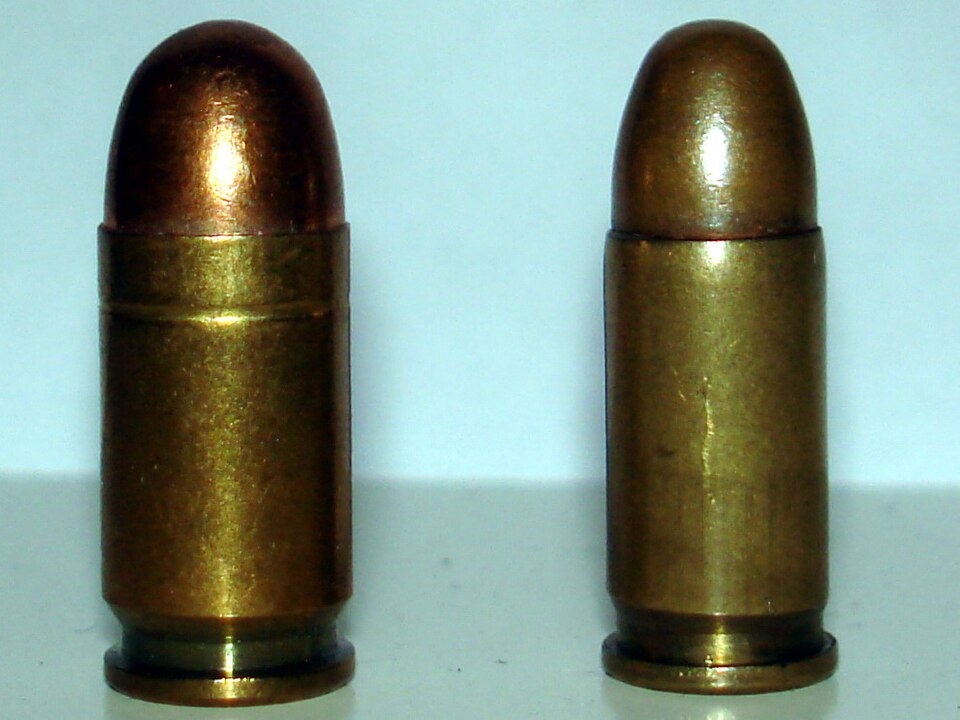
6. .380 ACP FMJ
.380 ACP sits close to the lower edge of what many shooters consider workable, but the bullet choice changes the picture dramatically. Full metal jacket loads are often selected because they feed easily and seem likely to penetrate deeper than expanding designs. That logic has limits. FMJ can produce a narrow wound path while still failing to deliver the kind of straight-line, anatomy-reaching performance that difficult shot angles demand. The broader .380 question has become more complicated because some modern loads perform far better than the caliber’s old reputation suggests; one cloth-barrier gel test recorded 12.4 inches from a .380 HST load, close to a 9mm result from a similar compact pistol. But FMJ is not that load, and using it as a shortcut to dependable performance asks too much from a cartridge that already has limited headroom.
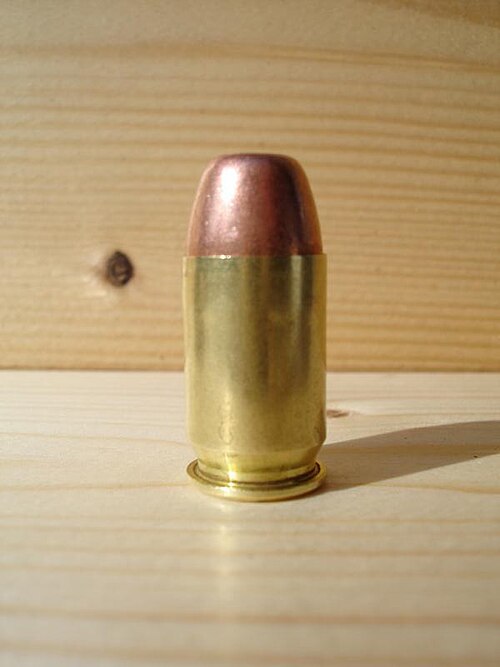
7. .45 GAP
.45 GAP is different from the others here because its issue is not raw penetration failure so much as practical validation. It was designed to package .45-caliber performance into a shorter cartridge for smaller grip frames, which was a legitimate engineering goal. What it never built was a deep ecosystem of guns, ammunition variety, and long-term testing support. Broader service-caliber development moved elsewhere as improved bullet design let modern 9mm duty loads meet the same standards more consistently. That left .45 GAP with less institutional proof, fewer defensive load pathways, and far less real-world momentum than mainstream alternatives.
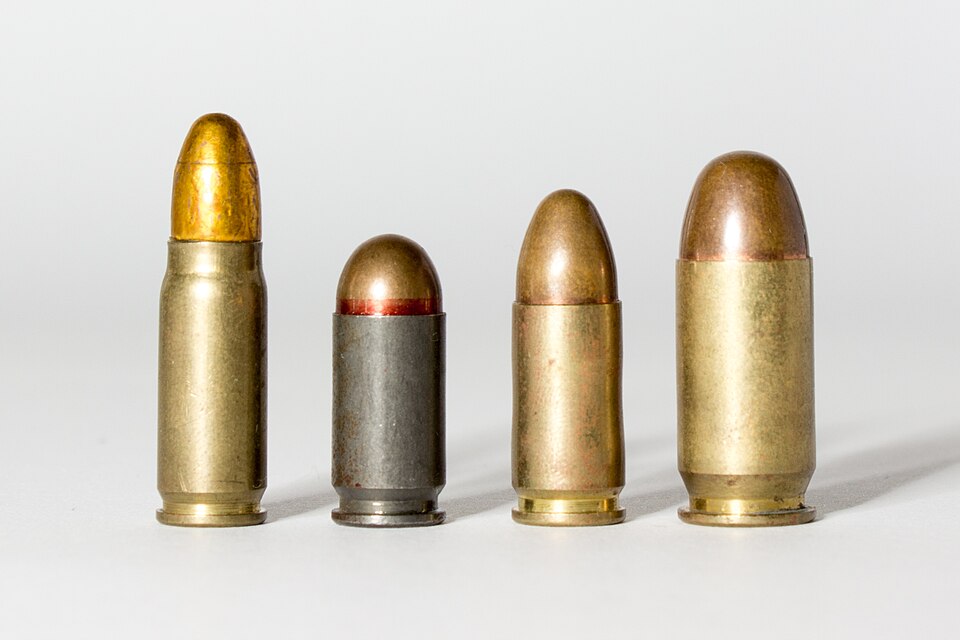
None of these rounds are trivial. Every one of them can injure or kill. The more useful dividing line is whether they still hold enough performance after clothing, angle, and obstruction strip away the easy conditions. Penetration is the floor, not the whole story. Ballistic gelatin does not predict every outcome, but it does expose how little margin some cartridges carry into the kinds of imperfect situations that defensive handguns are supposed to survive.


