

Some gun designs fail quietly. Others arrive with famous names, unusual mechanics, or towering expectations and then become case studies in how quickly confidence can collapse. The firearms on this list were not all badly conceived from the start. Several carried genuinely interesting ideas: rotary barrels, hesitation locks, long-recoil systems, rimfire trainers, even rocket ammunition. What pushed them into flop territory was usually the same mix of problems poor execution, awkward handling, reliability trouble, or a sales pitch that promised more than the gun could deliver.
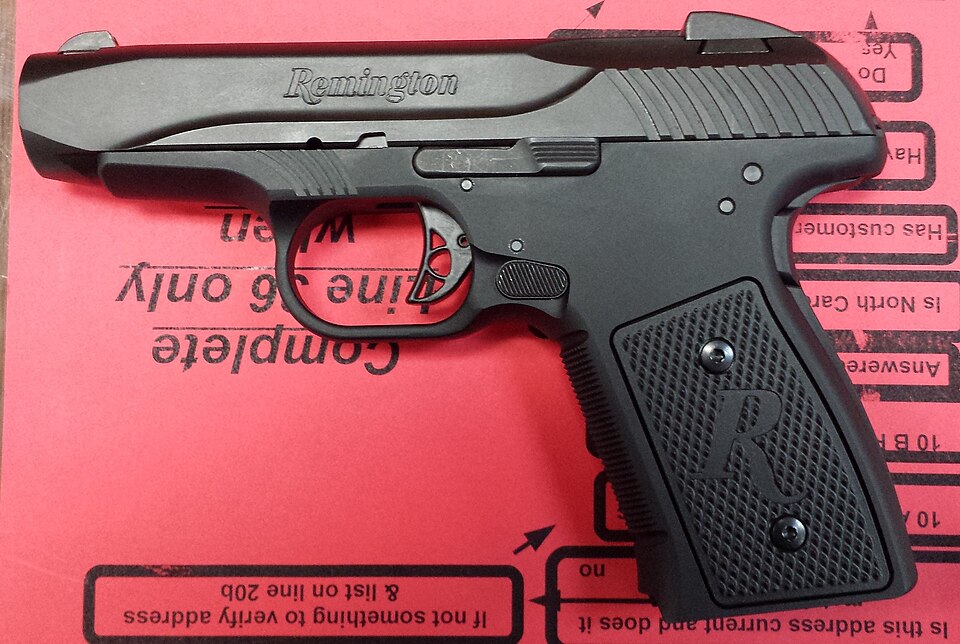
1. Remington R51
Remington’s reboot of the old Model 51 looked like a clever alternative to the standard compact 9mm formula. Its Pedersen hesitation-lock system promised a low bore axis and softer shooting in a slim carry pistol. That technical hook helped drive major attention before release. Then range reports took over. Early pistols developed feeding, extraction, and ejection problems, and the model became associated with reports of a recall and widespread QC issues. Remington later revised the design, but the damage was already done. In the carry-gun market, trust disappears fast, and the R51 never recovered its footing.
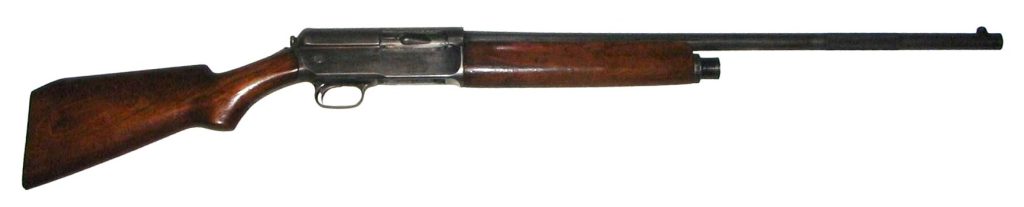
2. Winchester Model 1911 SL
The Winchester 1911 self-loading shotgun is still remembered less for what it did well than for how strangely it had to be operated. Because Winchester was working around Browning patents, the gun ended up without the familiar charging arrangement that shooters expected. Its answer was a barrel-charging system that encouraged clumsy handling, especially when owners tried to force the action open during unloading. The gun’s “Widowmaker” nickname grew from that reputation, not from a production total or a sales failure alone. Winchester built many of them, but the design became a permanent lesson in how a workaround can create a hazard instead of an advantage.
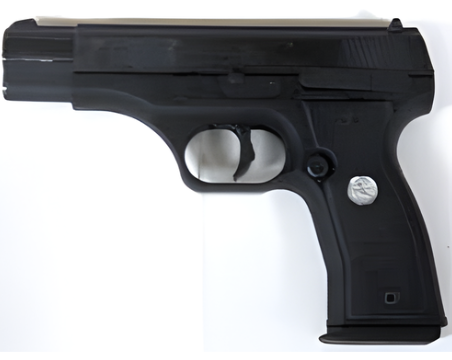
3. Colt All American 2000
Few commercial handguns had a stronger pedigree on paper. The All American 2000 emerged from work associated with Eugene Stoner and Reed Knight, used a rotary barrel, and entered the market with 15+1 capacity when high-capacity semiautos were reshaping police and civilian demand. Production changes undermined that promise. The prototype’s smoother concept gave way to a much heavier trigger, and the production gun adopted a two-piece slide arrangement that hurt confidence in the sight setup and overall execution. Contemporary accounts tied the flop to a doubled trigger pull to roughly 12 pounds, plus poor accuracy complaints and a safety recall. Colt ended the run after only about 20,000 pistols, turning what should have been a major platform into a collector curiosity.
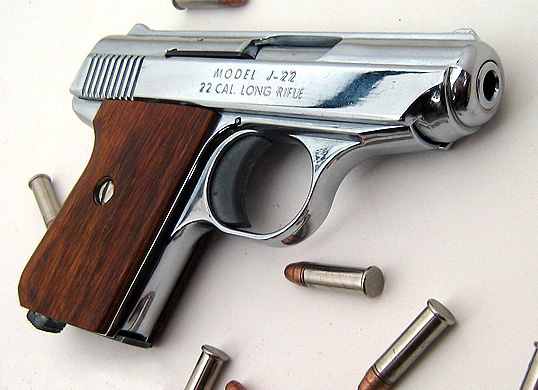
4. Glock 44
Glock’s first .22 LR pistol should have been an easy win. A rimfire understudy for centerfire Glock owners was an obvious idea, and the company’s reputation raised expectations even higher. Instead, the Glock 44 ran into the problem that trips many rimfires: ammunition sensitivity. Users reported failures to feed, light strikes, and inconsistent cycling, especially in the early period after release. Later examples and ammo matching improved the story, but first impressions mattered. For a pistol intended to mirror Glock reliability, “works with some loads” was never going to sound good enough.
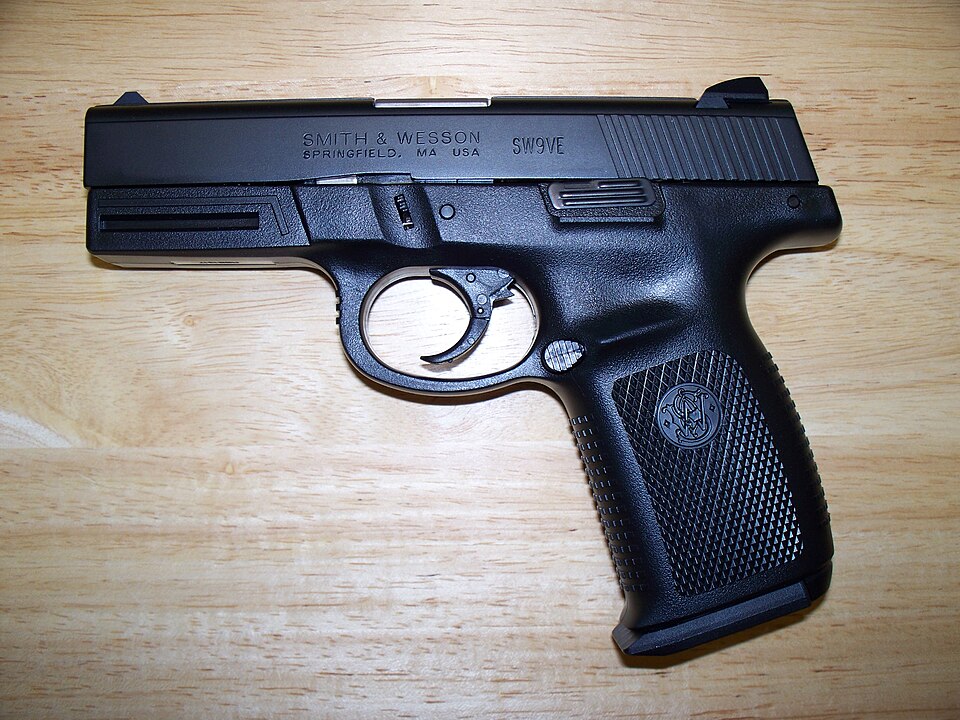
5. Smith & Wesson Sigma
The Sigma is one of the clearest examples of how being close to a winning formula is not the same as matching it. Smith & Wesson moved hard toward the polymer striker-fired pattern that Glock had already defined, but the resemblance triggered legal trouble and did little to help the gun’s reputation with shooters. Its biggest practical weakness was the trigger. Heavy pull weight and a mushy feel made the pistol harder to shoot well than its main rival, and the ergonomics never built much loyalty either. The platform mattered historically because Smith & Wesson learned from it and eventually followed with the far more successful M&P line.
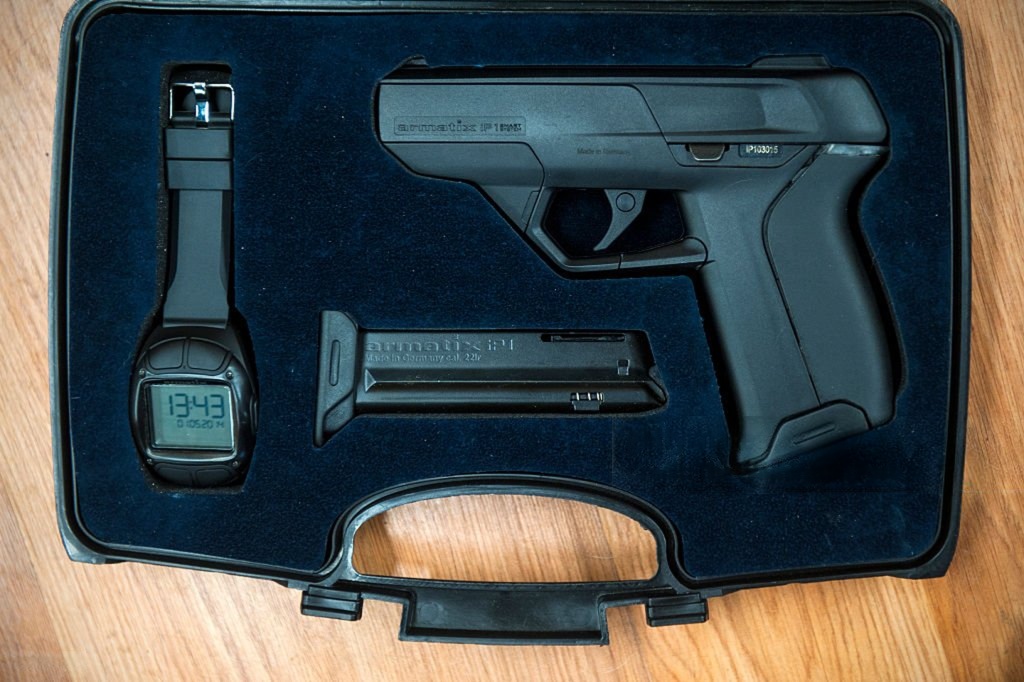
6. Armatix iP1
The iP1 arrived as a “smart gun” before the market had any patience for complexity in a defensive handgun. Its firing system depended on a paired watch, which made the concept stand out immediately and also exposed its weakest point. A defensive pistol lives or dies on immediacy. Adding electronic authorization, battery dependence, and communication between devices created the opposite of mechanical simplicity. The model became even more controversial after demonstrations showed how performance variability can destroy confidence in unconventional weapons concepts; the iP1 reached the same basic lesson by electronics instead of ammunition. The result was not a technology breakthrough, but a warning about adding failure points to a tool that is expected to work instantly.
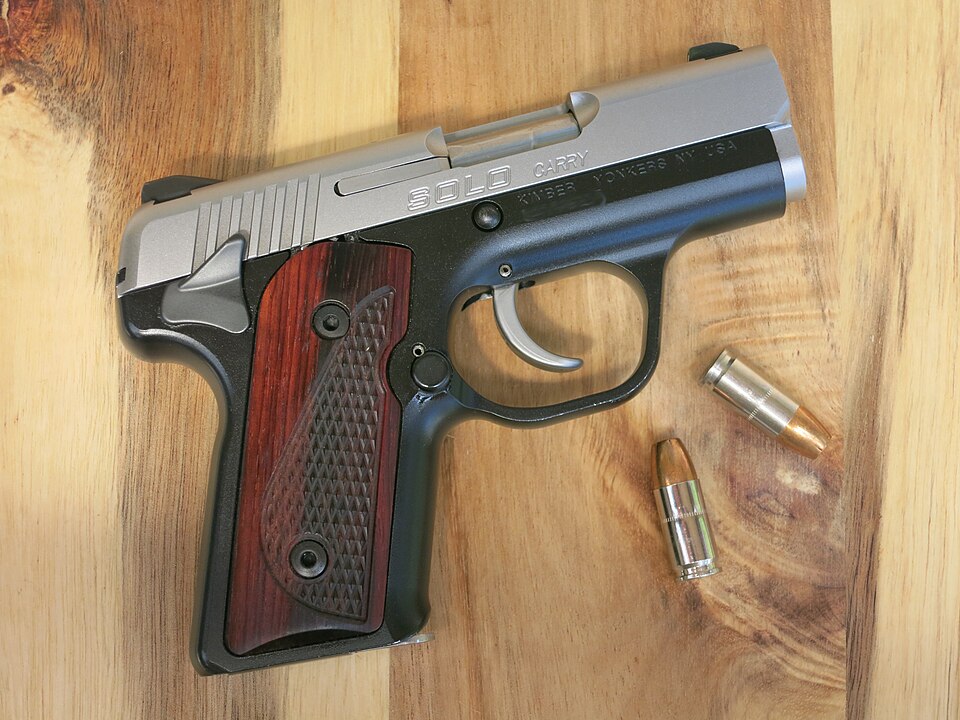
7. Kimber Solo Carry
Kimber built the Solo Carry to look refined and modern, and its size placed it directly in the fast-growing micro-9mm category. The styling and brand recognition gave it a strong launch. Its problem was brutally simple: it proved too selective about ammunition. The pistol developed a reputation for preferring heavier premium loads, while lighter practice rounds often produced stoppages. That kind of pickiness can be tolerated in a target gun. In a carry gun, it becomes disqualifying. The Solo’s elegant appearance never outweighed the impression that it was a pistol with very specific conditions for working properly.
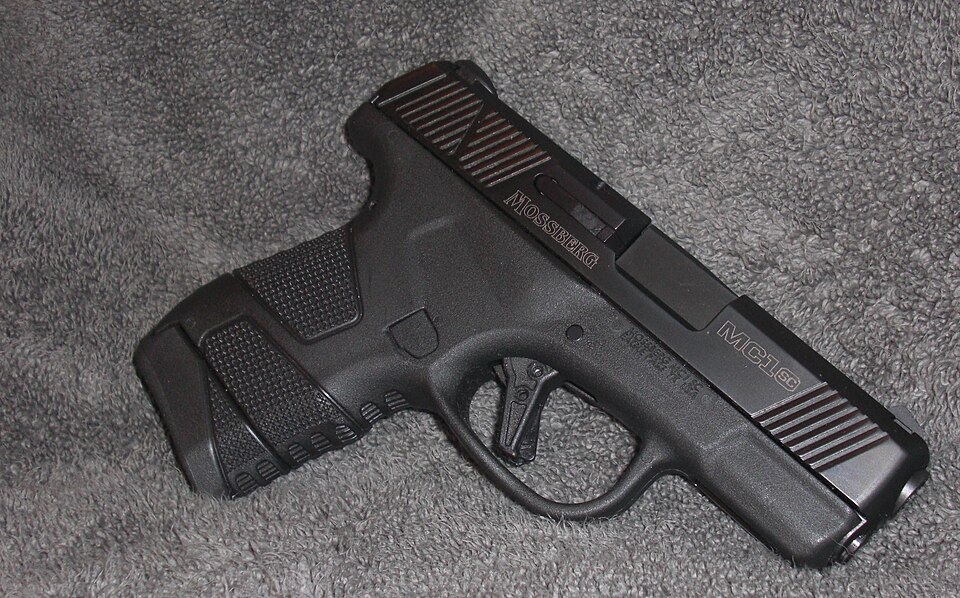
8. Mossberg MC1sc
Mossberg’s name carries weight in shotguns, but that credibility did not automatically transfer to the crowded concealed-carry pistol market. The MC1sc was compact, reasonably ergonomic, and not especially flawed in any single dramatic way. That was also the problem. It lacked a defining edge. Against deeply established subcompact 9mm pistols, a handgun with an unusual takedown routine and no standout performance trait tends to fade quickly. The MC1sc was less an outright disaster than a reminder that entering a saturated category requires more than competence.
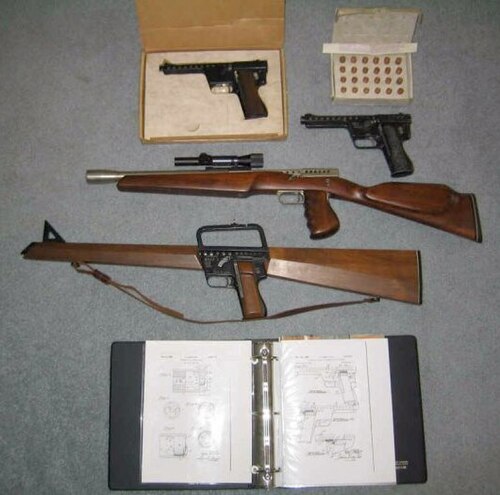
9. Gyrojet Pistols
Few failed firearms were as visually memorable as the Gyrojet. Instead of conventional cartridges, it fired tiny rocket projectiles from a smoothbore barrel, using angled exhaust ports to stabilize the round in flight. It looked futuristic, and that image still gives it enormous collector appeal. The engineering tradeoffs were severe. Because the projectile accelerated after leaving the barrel, it was weak at very close range and inconsistent farther out. Reports on the system noted poor close-range effectiveness inside 30 feet and wildly variable projectile behavior. Dirt in the exhaust vents could also upset the rocket’s balance. The Gyrojet did not fail for lack of imagination. It failed because imagination could not overcome physics and practical use.
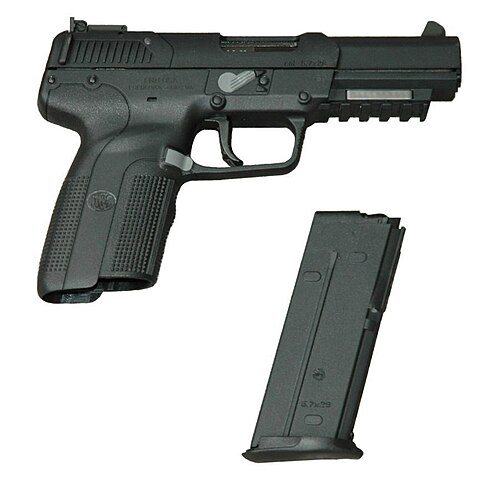
10. FN Five-seveN
The Five-seveN was never a mechanical disaster, but it became a flop in a different sense: the public story around it outran the civilian reality. It was widely associated with elite roles and armor-piercing capability, which created an image many buyers could not actually access. For ordinary owners, the pistol offered low recoil, high capacity, and light weight, but not the restricted ammunition that shaped much of its mystique. That gap between image and experience mattered. A gun does not need to malfunction to disappoint; sometimes it only needs to arrive wrapped in promises the market cannot use.
Across all ten, the pattern is consistent. Novelty alone never saves a firearm. A clever action, a famous designer, or a dramatic marketing angle means little if the gun is awkward, unreliable, overly complicated, or mismatched to what shooters actually need. That is why many of these models survive today as collector pieces rather than success stories. Their failures were different, but the lesson was the same: the range has a way of stripping hype down to function.


