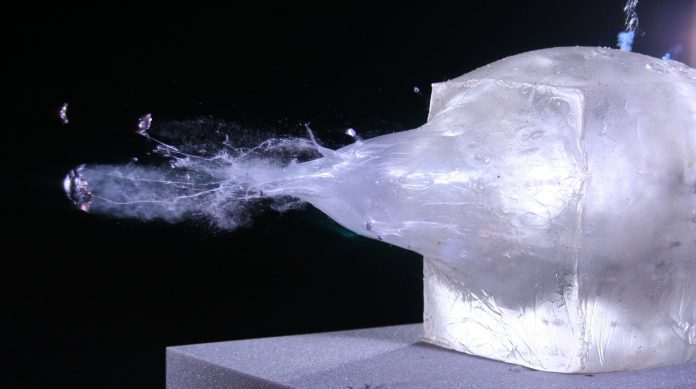
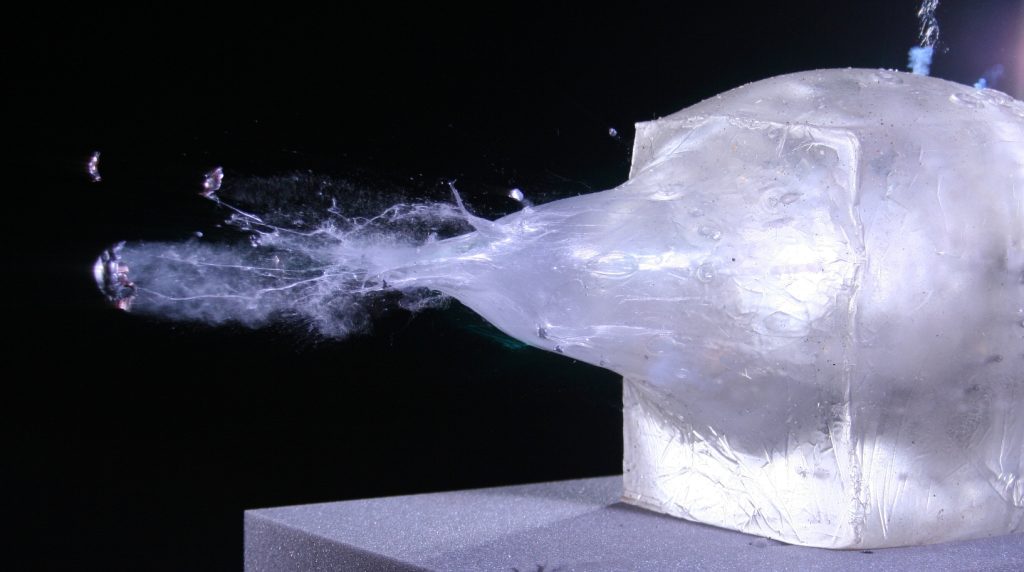
Modern defensive handgun ammunition did not arrive at its current form by accident. Its shape, cavity design, jacket construction and even the way it is marketed were all influenced by a test standard that pushed bullet makers toward repeatable terminal performance rather than simple velocity claims.
What became the FBI protocol turned handgun ammunition development into an engineering problem. Once performance had to be measured in calibrated gelatin and through common barriers, bullet design moved from broad assumptions to hard benchmarks.

1. It turned penetration into the central measurement
The most lasting change was the adoption of the 12-to-18-inch penetration standard. That window gave ammunition makers a target that was neither shallow nor excessive, and it forced a redesign of handgun bullets around controlled depth rather than raw energy figures. The standard was built around a simple requirement: a bullet had to reach vital structures even after passing through clothing, bone or an arm at an angle. That emphasis changed product development across the industry. Loads that expanded dramatically but stopped short lost favor, while designs that drove deeply without reliable upset also showed their limits. Modern duty ammunition emerged from that balance.

2. It made ballistic gelatin the common language of comparison
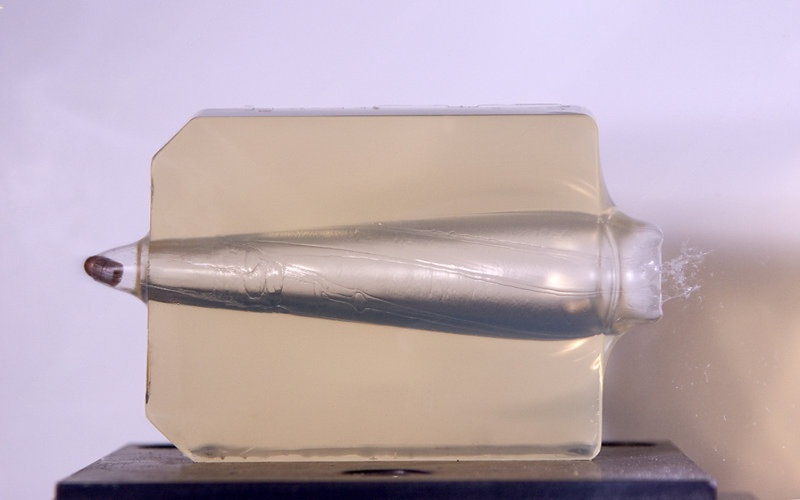
The protocol standardized the use of 10 percent ballistic gelatin as a tissue simulant, and that gave designers a repeatable way to compare one bullet against another. According to Hornady’s published test description, properly calibrated gelatin is validated by firing a .177-inch steel BB at 590 fps, plus or minus 15 fps, with penetration of 8.5 cm, plus or minus 1 cm. That matters because bullets can only be improved when they are measured in the same medium under the same conditions. Gelatin did not replace real-world variability, but it created a stable baseline for expansion, retained weight and penetration depth. In engineering terms, the protocol reduced noise and increased comparability.

3. It exposed how easily hollow points could fail through clothing
One of the protocol’s most influential steps was the heavy-clothing event. Hollow-point cavities that looked ideal in bare media could clog with fabric and behave more like non-expanding bullets. That issue pushed manufacturers to reshape cavities, alter jacket skives and refine core construction so bullets would open more consistently after passing through layered garments. Independent testing mirrored the same lesson. In four-layer heavy clothing tests, numerous loads showed variation from shot to shot, and some failed to expand completely. The practical result was a new generation of bullets designed not just to expand, but to keep expanding when conditions were less than ideal.
4. It forced bullets to work after hard barriers, not just in bare media
The FBI sequence did not stop with gelatin and clothing. It added wallboard, plywood, sheet metal and angled automobile glass, including a windshield setup with the glass set at a compound angle and the gelatin block positioned 18 inches behind it. That requirement dramatically changed jacket bonding, core integrity and nose design. Before such testing became standard, many handgun loads performed well only under clean conditions. Afterward, bullets had to hold together, resist deflection and still penetrate adequately after passing through material that could deform or strip a projectile. That is one reason bonded duty bullets became so prominent.
5. It accelerated the rise of purpose-built law-enforcement loads
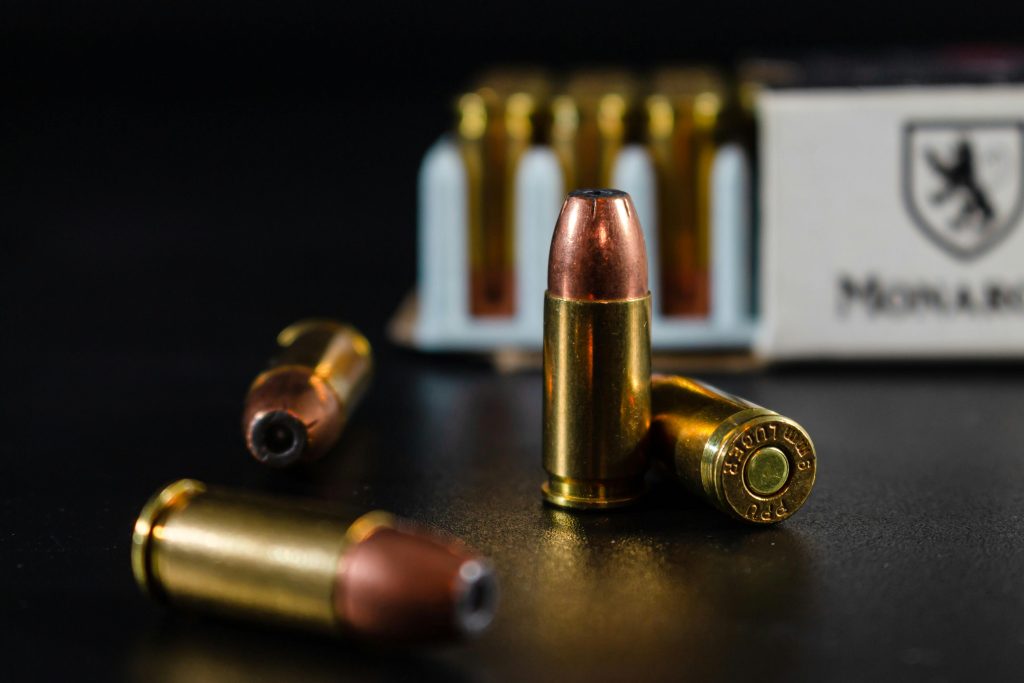
Earlier police ammunition was often drawn from commercial catalog lines. The protocol changed that by creating a distinct law-enforcement performance class. Federal’s account of the period notes that no 38 Special or 9mm Luger ammunition of that era initially passed the protocol, sending manufacturers back to the drawing board. That pressure helped produce dedicated duty offerings such as reworked Hydra-Shok designs and, later, HST. The shift was larger than any single brand. Ammunition makers began building loads around agency requirements, barrier performance and controlled expansion instead of simply adapting existing consumer ammunition to police use.
6. It changed caliber debates by narrowing the gap between service cartridges
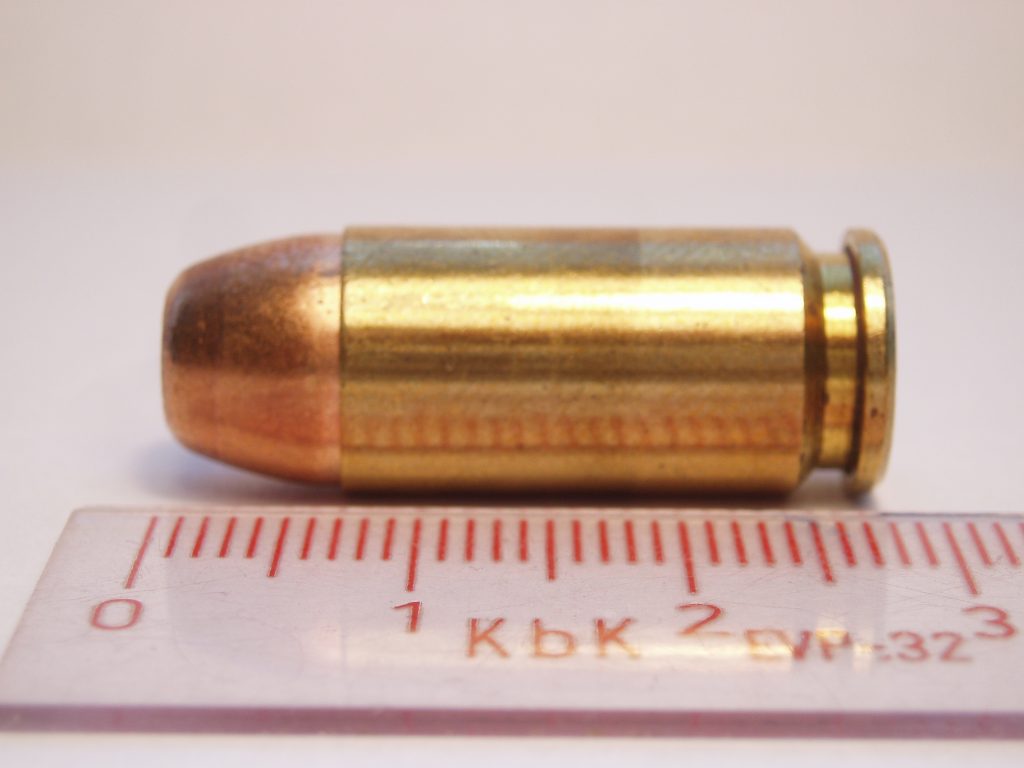
Once bullet construction improved, caliber arguments became less about diameter alone and more about whether a given load could meet the same terminal standard. Better jacketed hollow points gave 9mm, .40 S&W and .45 ACP more comparable real-world test performance than earlier generations had delivered. Data collected across many handgun loads also showed why construction mattered so much. In testing that expanded to more than 200 loads, some smaller cartridges struggled to combine penetration and expansion, while modern service calibers often succeeded when their bullets were well designed. The protocol did not erase caliber differences, but it made bullet engineering the deciding factor far more often than bore size.

Alamy
7. It pushed consistency ahead of single-shot performance
A bullet that works once is not the same as a bullet that works repeatedly. The FBI approach and later public test projects emphasized multiple shots, average penetration and uniform expansion. That exposed loads with dramatic but erratic behavior and rewarded bullets that delivered near-identical results from round to round. This was a major cultural shift in ammunition evaluation. Consistent penetration, retained weight and reliable upset became more important than one impressive recovered bullet photo.

8. It inspired new bullet types beyond classic hollow points
The standard did not only refine conventional jacketed hollow points; it also created space for alternative designs aimed at the same performance goals. Solid-copper fluted bullets and expanding full-metal-jacket concepts were developed to pursue dependable penetration and predictable terminal effect without relying on traditional cavity geometry alone. That broader design landscape exists because the benchmark stayed fixed. Once the industry accepted a performance window, engineers could explore different ways to get there.
9. It split the market into duty and civilian mission profiles
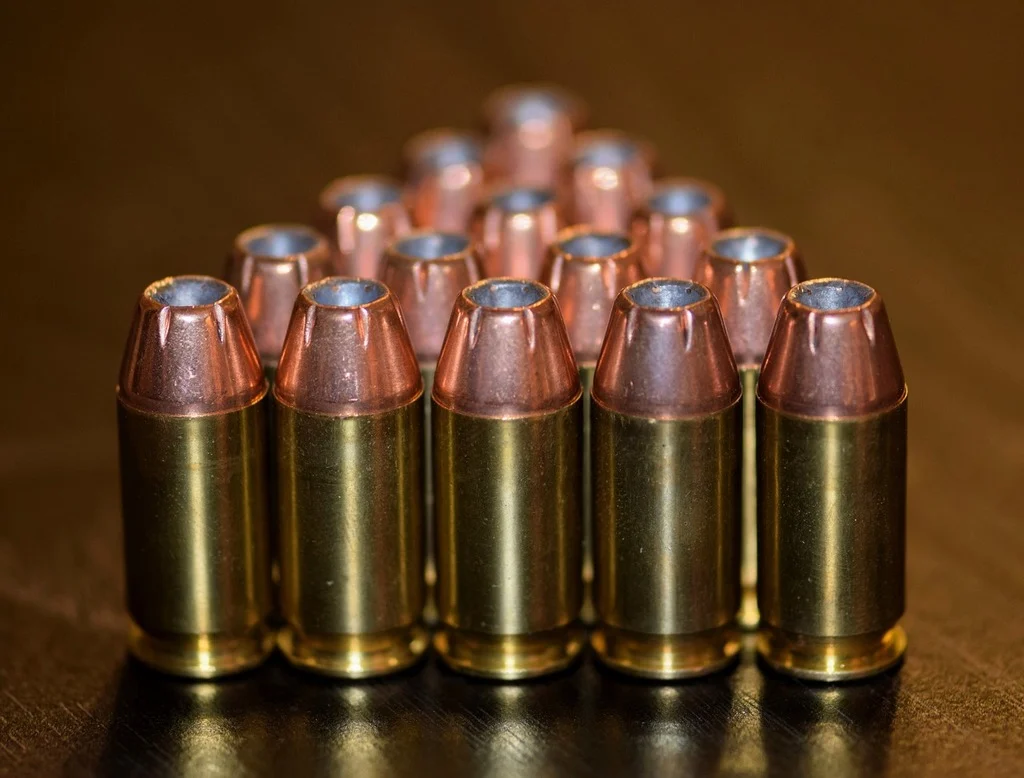
The FBI standard was created for law-enforcement realities, especially barrier penetration and oblique-angle shots. Civilian defensive loads increasingly evolved along a related but separate track, often favoring expansion and somewhat shallower penetration where hard barriers were less central to the design brief. That distinction explains why modern ammunition lines often branch into duty-focused and personal-defense variants. Both grew from the same ballistic science, but the protocol clarified that mission drives design.
The FBI standards reshaped handgun ammunition by replacing folklore with measurable performance. Penetration depth, barrier behavior, expansion reliability and retained weight became engineering targets rather than advertising themes. That influence remains visible in nearly every major defensive handgun load today. Whether a cartridge is meant for duty holsters or concealed carry, its design still reflects the era when standardized ballistic testing changed what handgun ammunition was expected to do.


