
Handgun lore has a long shelf life. Some of it comes from old caliber rivalries, some from movies, and some from the habit of turning rare outcomes into universal rules. On the range, instructors spend a surprising amount of time pulling those ideas apart and replacing them with measurable concepts such as penetration, reliability, recoil control, and repeatable hits. The pattern is consistent: the myth usually centers on a magic feature, while the correction points back to fundamentals. Modern ammunition has improved, but the basic limits of handguns have not disappeared.
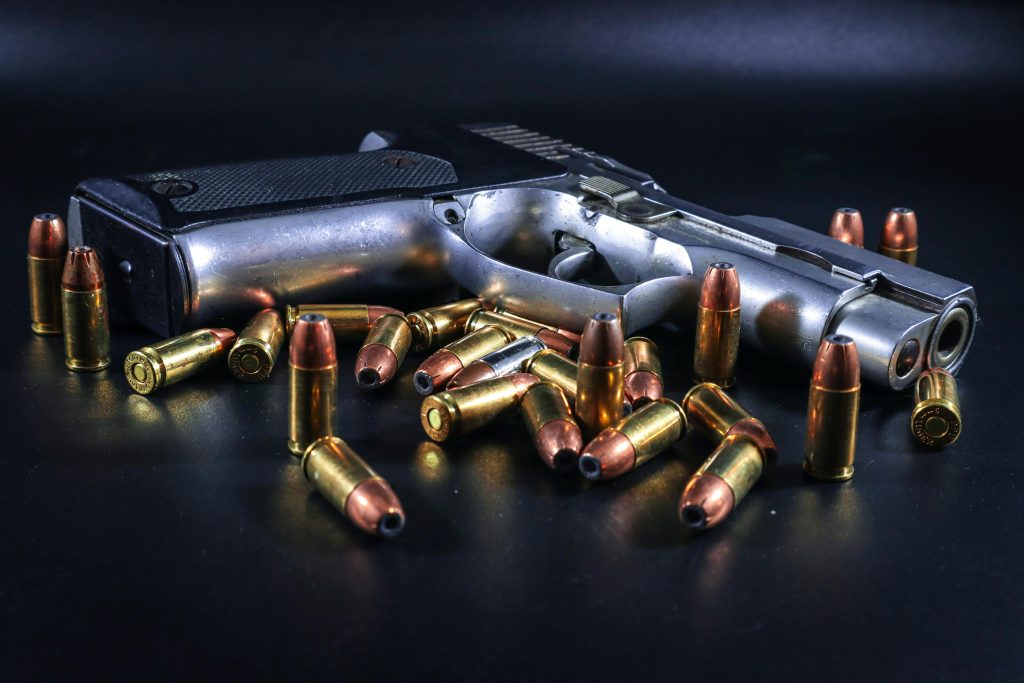
1. Bigger caliber automatically means better stopping power
This remains one of the most durable claims in handgun culture. The correction is straightforward: larger diameter alone does not guarantee faster incapacitation. The practical variables are whether the round reaches vital anatomy, whether the shooter can place hits under stress, and whether follow-up shots remain controlled. Reference material tied to FBI-era ballistic work notes that clinicians often cannot distinguish wound paths from common handgun calibers during surgery or autopsy. That does not mean calibers are identical in every respect; it means the usual service calibers overlap more than popular arguments suggest. Instructors therefore keep redirecting students away from caliber tribalism and toward usable performance.
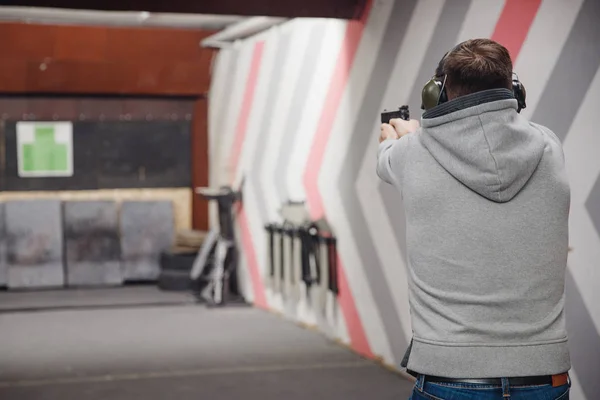
2. Handguns have “knockdown power”
This idea survives because film language is so vivid. A handgun bullet does not launch people backward across a room. If it did, the same momentum would produce comparable consequences at the shooter’s end. Range instruction usually frames the issue in mechanical terms. Immediate collapse generally comes from a central nervous system hit or from a person deciding to stop, not from a mysterious impact force. That distinction matters because it changes training priorities: instead of waiting for one dramatic effect, shooters are taught to deliver accurate rounds until the threat is no longer present.

3. Premium hollow points guarantee instant stops
Modern hollow points are far better than the designs many shooters grew up hearing about. They are built to expand more consistently and, in quality defensive loads, to meet the widely cited 12-18 inches in ballistic gelatin benchmark used in FBI-style testing. That improvement still does not create certainty. Hollow points can reduce overpenetration risk and enlarge the permanent wound channel, but they do not act like an off switch. Instructors correct this myth because it encourages passivity: students start assuming ammunition quality can compensate for poor hits, marginal angles, or missed follow-up opportunities. It cannot.
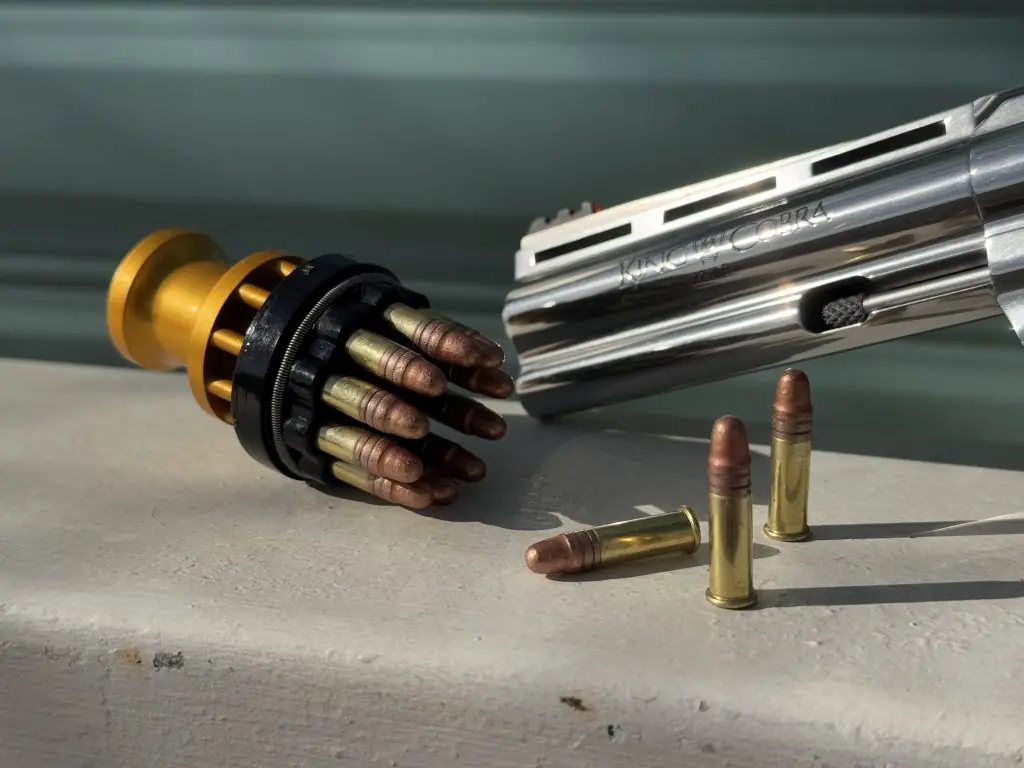
4. Tiny calibers are interchangeable with service calibers if placement is good
Shot placement matters most, but instructors regularly point out that this truth gets stretched too far. Small rounds can work, yet they bring narrower margins. The reference material on marginal handgun cartridges repeatedly returns to the same weak points: shallow penetration, inconsistent expansion, and in the case of rimfire, ignition reliability. The clearest example is .22 LR in defensive handguns. Its low recoil is attractive, but the cartridge uses rimfire ignition, which is structurally less reliable than centerfire. The same source also notes persistent penetration shortfalls in many loads when compared with contemporary centerfire defensive ammunition. Similar caution appears around .25 ACP and .32 ACP, not because they are useless in every circumstance, but because they often operate near the lower edge of acceptable terminal performance.
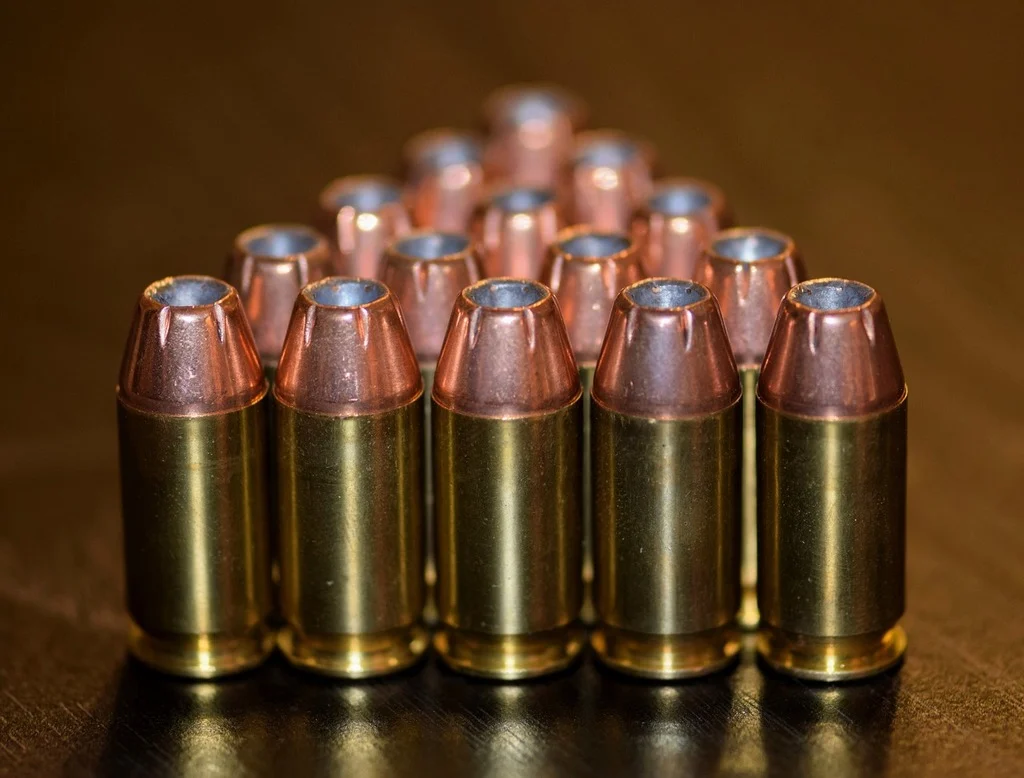
5. More energy always translates into better real-world effect
Muzzle-energy numbers are easy to compare, so they often dominate conversation. In practice, instructors treat them as incomplete. A harder-kicking round that slows recovery between shots may reduce practical effectiveness even if its paper ballistics look impressive. The discussion around 10mm Auto captures that tradeoff well. High energy and deeper penetration can come with more recoil and blast, while the defensive endpoint against human targets may not differ much from other service calibers when shot placement is controlled. This is why range staff often describe handgun performance as a system problem, not a one-number contest: cartridge output, pistol controllability, sight recovery, and hit probability all interact.
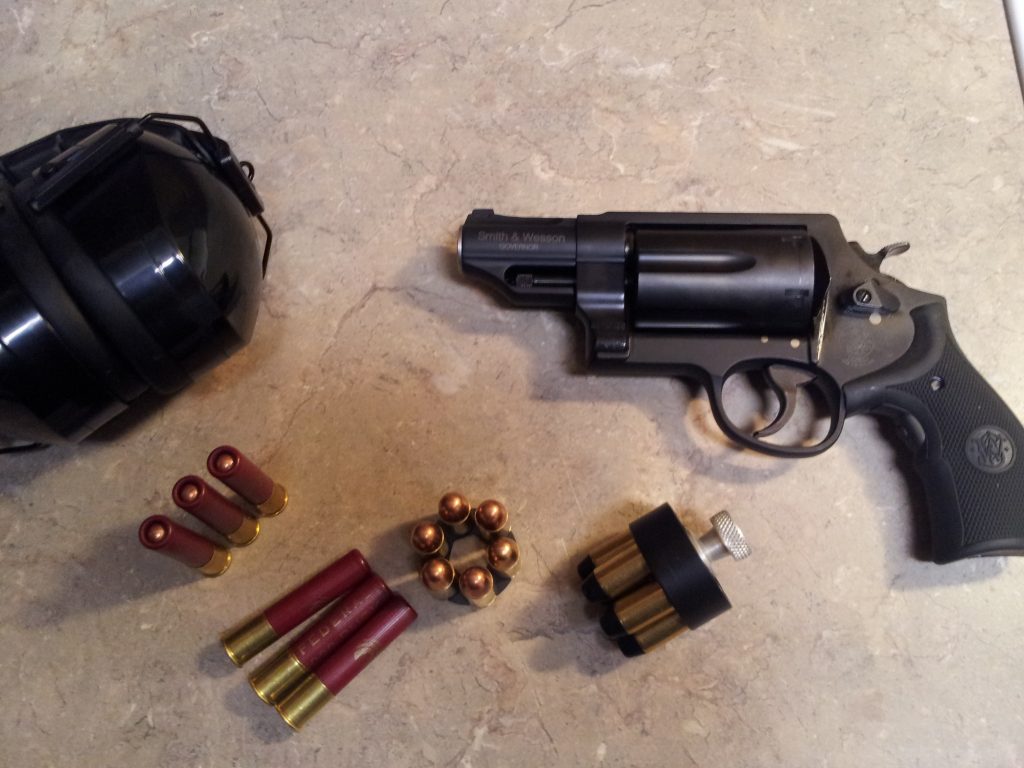
6. A shotshell revolver spreads enough to solve aiming problems
This myth tends to collapse the first time patterning gets measured instead of imagined. Handgun platforms firing .410 shotshells do not behave like compact shotguns, and the pattern can become unpredictable at very short distances. The reference material describes patterns opening to roughly 30 inches at 15 feet in some demonstrations, which turns every missed pellet into an accountability problem. Penetration can also be poor with birdshot, undermining the very reason the platform is often chosen. Instructors correct this one quickly because it combines two bad assumptions at once: that spread eliminates the need for precise aiming and that multiple pellets automatically equal adequate terminal effect.
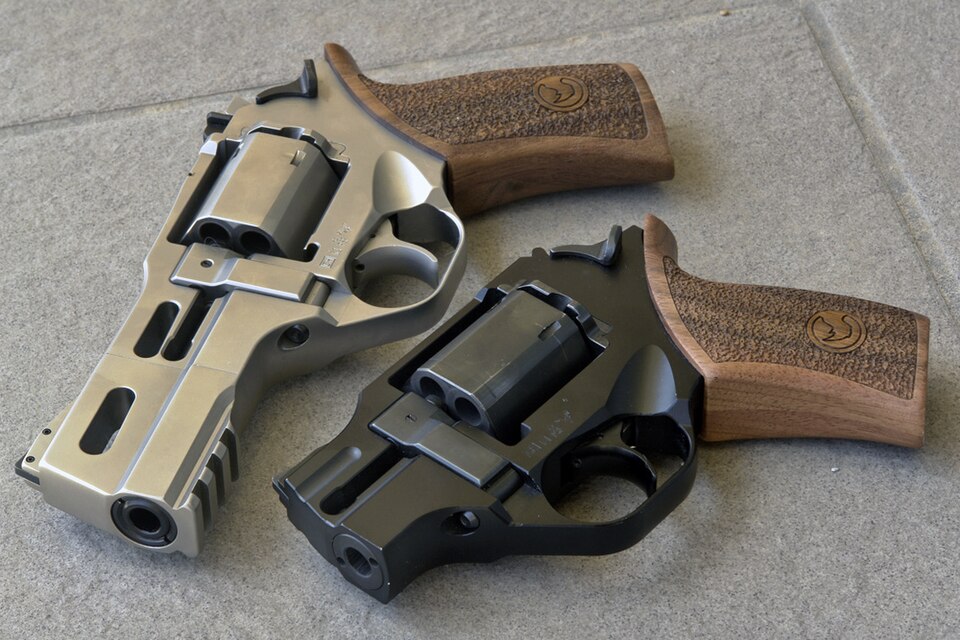
7. Revolver classics always perform the same, regardless of barrel length
Barrel length changes velocity, and velocity changes bullet behavior. That is why instructors keep warning students not to assume a respected cartridge will behave identically in a very short carry gun. Ultra-short .38 Special revolvers are a common example. In sub-two-inch guns, many loads lose enough speed that hollow points may fail to expand reliably or may not penetrate as intended after heavy clothing. The same caution appears with .380 ACP micro pistols, where short barrels can push some hollow points below their intended operating window. The lesson is not that those cartridges are unusable; it is that compact platforms make ammunition choice more load-dependent than reputation suggests.
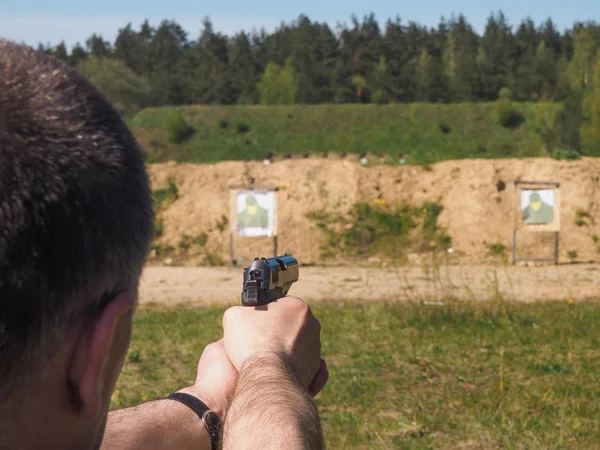
8. Static accuracy drills prove defensive effectiveness
A tidy group on paper is useful, but instructors increasingly separate marksmanship from performance under time and decision pressure. That distinction shows up in training research as well. In a controlled police-cadet study, a blended training approach improved response time from 1,115 ms to 824 ms and first-hit time from 1,279 ms to 866 ms in shoot scenarios, while simple decision accuracy was already near ceiling.
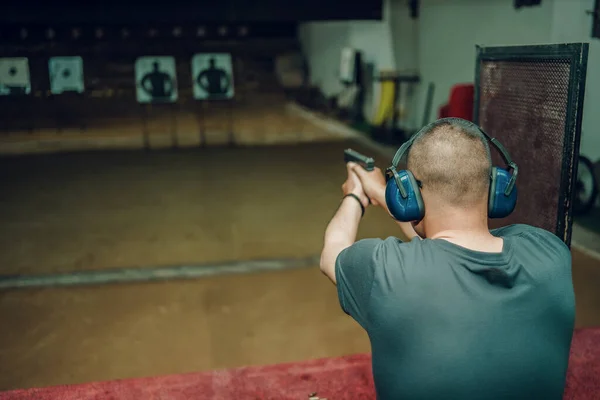
That matters because stopping-power myths often assume hardware is the decisive variable. Training data points in another direction: visual attention, response execution, and the ability to get a useful hit quickly are often where measurable gains appear. A cartridge cannot substitute for that.
Range instructors keep returning to the same correction because it holds up across calibers and platforms. A dependable handgun, ammunition that penetrates adequately, and the ability to place multiple hits under pressure matter more than stories about one-shot authority. The myths persist because they are simple. The correction persists because it is testable.


