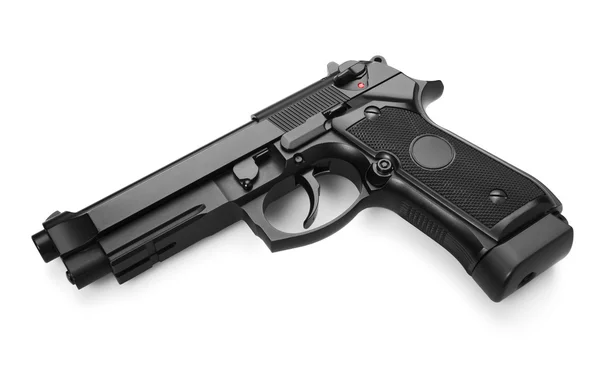

The spread of compact conversion devices has pushed an old engineering problem into a new phase. A small printed part can now exploit familiar pistol architectures, and that changes the design conversation for manufacturers whose products were built around reliability, modularity, and easy armorer support.
The pressure is not only technical. In a multi-city dataset covering 349,322 recovered crime guns, Glock accounted for 24.3% of guns recovered in crimes in 2024, while cities also reported rising encounters with 3D-printed firearms and conversion devices. For gun makers, that creates a design brief with no easy answer: harden the platform without eroding the traits that made it commercially successful in the first place.

1. Preserving reliability while blocking unauthorized full-auto function
Modern service pistols are expected to fire under dirt, heat, neglect, and uneven maintenance. Any redesign aimed at defeating a conversion device has to avoid introducing new failure points into the fire-control system. That is the first dilemma.
A conversion device succeeds by interfering with the normal timing and interaction of internal parts. Preventing that can require revised geometries, added blocking surfaces, or new engagement relationships inside the slide and frame. Each of those moves can improve resistance to tampering, but each also risks changing trigger feel, reset consistency, parts wear, and long-term durability.
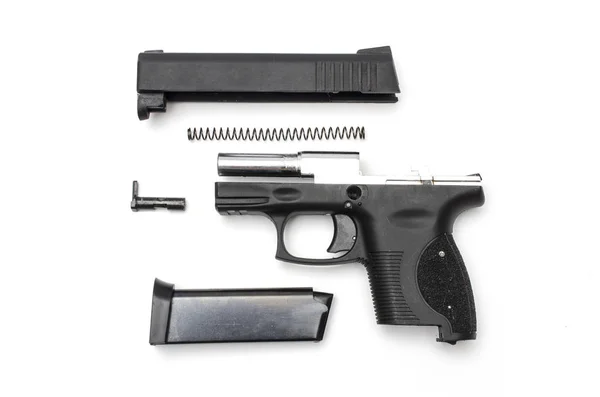
2. Protecting a modular parts ecosystem without making misuse easier
One of Glock’s defining strengths has been interchangeability across families and generations. Enthusiast armorer communities have long documented broad cross-model compatibility, especially among pre-Gen4 parts relationships. That kind of standardization lowers maintenance complexity, simplifies training inventories, and keeps logistics lean.
It also creates a second dilemma. When a platform is highly standardized, designers have fewer places to hide anti-tamper changes without disrupting a very large installed base. A more fragmented architecture can reduce exploitability, but it can also complicate repairs, increase inventory burdens, and weaken one of the main engineering advantages of a mature pistol line.

3. Making anti-conversion changes that still fit legacy production realities
Firearm makers do not redesign around a blank sheet of paper every year. Tooling, supplier networks, existing molds, qualification data, and armorer manuals all tie new decisions to old platforms. Even a small geometry change can ripple into slides, trigger housings, pins, and inspection standards.

That is why anti-conversion redesign is not just a matter of adding one hardened feature. It can force a chain reaction through production lines, spare-parts inventories, and support documentation. For companies shipping large numbers of polymer-frame pistols, engineering a fix that works both forward and backward across generations is often harder than designing a fix for a clean-sheet weapon.
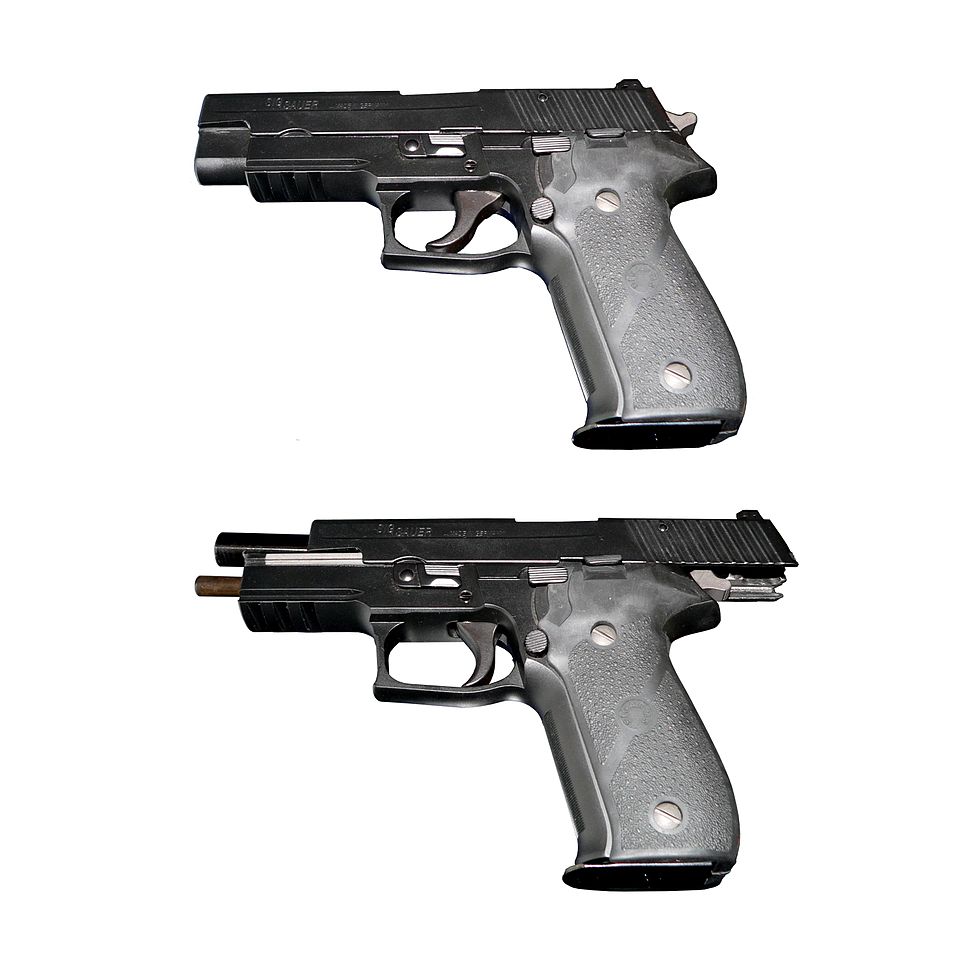
4. Reducing easy external attachment points without hurting serviceability
Many conversion devices gain traction because they are physically small, simple, and fast to install. Law enforcement demonstrations have shown that a converted pistol can empty a high-capacity magazine in under three seconds.
That speed of effect raises pressure to redesign rear slide geometry, cover plate interfaces, or internal engagement surfaces. Yet service pistols also need field-strip simplicity and straightforward armorer access. Closing off attachment opportunities too aggressively can turn routine maintenance into a slower, more specialized process, especially for agencies and armorers used to quick parts replacement.
5. Building smarter guns without overcomplicating the handgun
Some policy advocates have called on manufacturers to develop firearms that cannot be operated by unauthorized users or modified with conversion devices. The Everytown report explicitly urged companies to commit to developing safer firearms with stronger built-in safeguards.
This opens a broader engineering dilemma. Electronic locks, authentication layers, and sensor-based inhibitions may promise stronger control, but pistols live in a harsh environment of recoil, sweat, lint, impact, and irregular storage. A handgun that becomes more secure on paper but less robust in practical use trades one design risk for another.
6. Designing around 3D printing’s speed, not just the device itself
The manufacturing threat is no longer limited to illicit factory output. Across 20 major cities, 3D-printed gun recoveries increased nearly 1,000% over five years, and 28 cities reported more than 1,100 Glock switch recoveries in 2024. That means designers are contending with a distributed fabrication problem, not simply a parts-smuggling problem.
A printed switch does not need perfect metallurgy or long service life to create danger. It only needs enough dimensional accuracy to work briefly. That changes the engineering objective: the goal becomes making critical interfaces less tolerant of crude but functional parts, even when those parts can be iterated rapidly by anyone with access to a printer and basic files.

7. Hardening the pistol without undermining why agencies adopted it
Duty pistols win contracts through a familiar mix of traits: low parts count, manageable training curves, durable finishes, and predictable maintenance cycles. Anti-conversion redesign threatens to tug against all of them at once.
If a maker adds complexity, armorers may need new procedures. If it changes trigger characteristics, qualification performance may shift. If it breaks compatibility, agencies face a more tangled spare-parts picture. If it adds cost to manufacturing, the producer absorbs a heavier burden across a huge installed base. The final dilemma is therefore strategic as much as mechanical: a platform can be made harder to exploit, but every defensive design move risks weakening the very attributes that built its market position.

The deeper issue is that the switch problem sits at the intersection of geometry, manufacturing access, and legacy platform design. It is not solved by one pin, one plate, or one policy memo.
For U.S. gun makers, the engineering challenge is now plain: future pistol development has to account for abuse cases shaped by desktop fabrication, rapid file sharing, and highly standardized handgun internals. The next meaningful design changes will be judged not only by performance in normal use, but by how well they resist becoming hosts for a very small illegal part.


