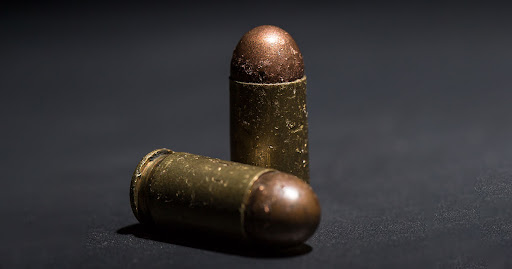
Defensive handgun ammunition inspires more folklore than almost any other part of the shooting world. Terms like stopping power, barrier blind, and one-shot performance get repeated so often that they can start to sound like settled science.
Ballistics specialists tend to describe the subject in much plainer terms. Handgun bullets do not deliver magic effects. They need to penetrate deeply enough, behave consistently, and function reliably in the gun that carries them.

1. “Energy numbers tell the whole story”
Muzzle energy attracts attention because it is easy to compare, but the FBI protocol does not score loads by energy, velocity, or momentum alone. Its evaluation is built mostly around penetration consistency and depth, with additional weight given to expansion and retained weight. That emphasis reflects a basic reality: a handgun bullet still has to reach vital structures after passing through clothing, bone, or an oblique angle.
That is why lighter, faster ammunition does not automatically outperform a slower load. If a bullet expands too aggressively and stops short, the impressive number printed on the box has not solved the central problem.
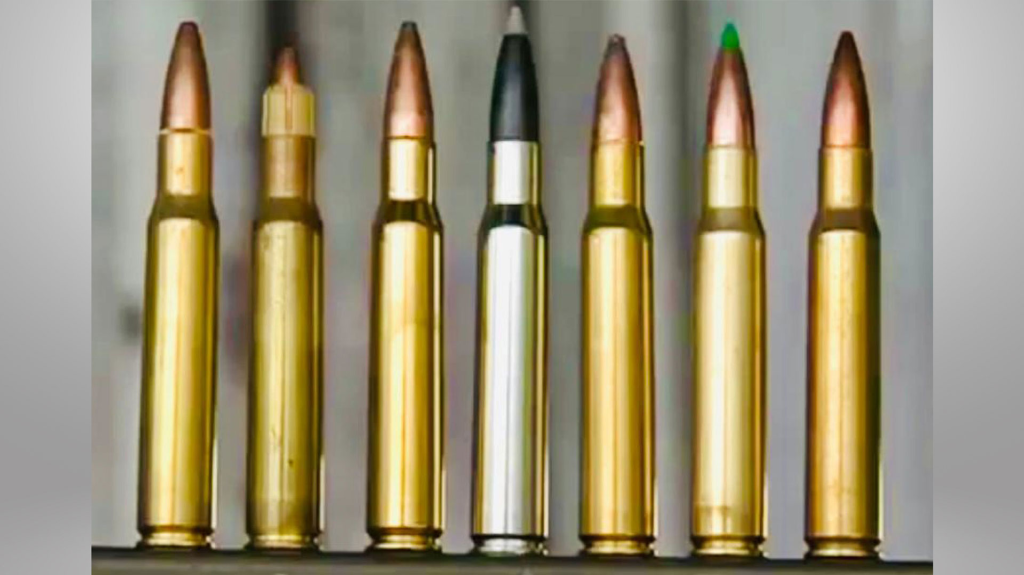
2. “The FBI standard is a stopping-power formula”
It is not. The FBI test is best understood as a reliability screen for terminal performance, not a prediction engine for instant incapacitation. The benchmark is 12 to 18 inches in calibrated gelatin, and the scoring system heavily rewards repeatable results from shot to shot.
That distinction matters because many shooters treat the standard as proof that one load is categorically deadlier than another. In practice, the protocol was built to estimate whether a bullet can still perform after meeting common obstacles such as heavy clothing, wallboard, plywood, steel, or glass. It was never designed to turn a spreadsheet into a guarantee.
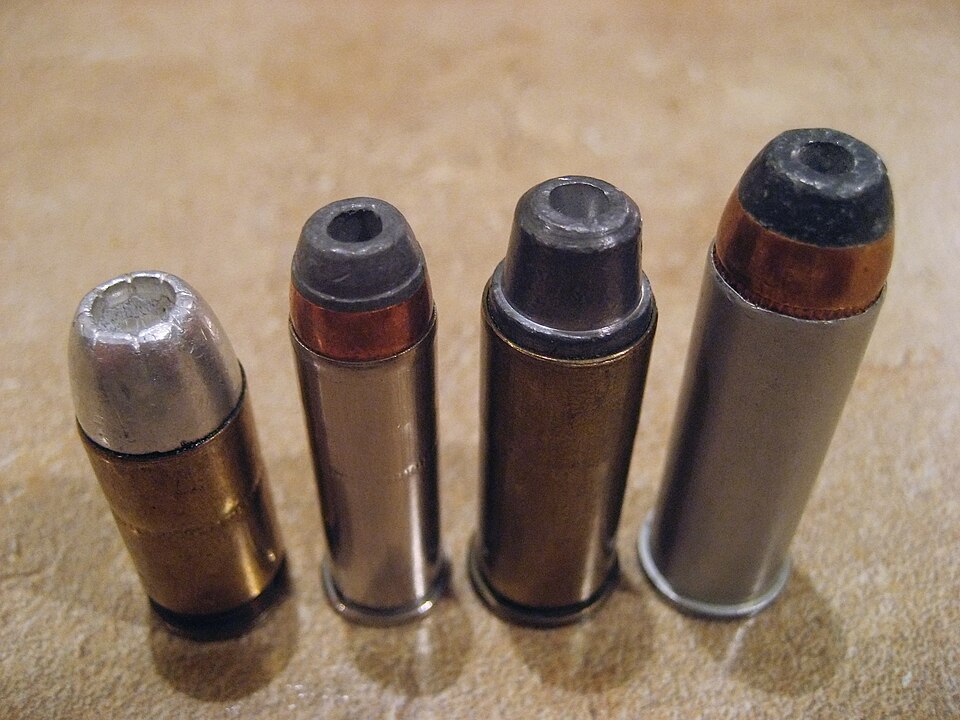
3. “Expansion matters more than penetration”
Expansion is useful, but only after adequate depth is achieved. The plain-language explanation from ballistic gelatin testing keeps returning to the same point: if the bullet does not reach something essential, the diameter of the recovered projectile is secondary.
Experts often prefer a load that expands modestly yet still penetrates sufficiently over one that opens beautifully and stops early. Modern hollow points are designed to balance both, but when that balance breaks, under-penetration remains the more serious failure.
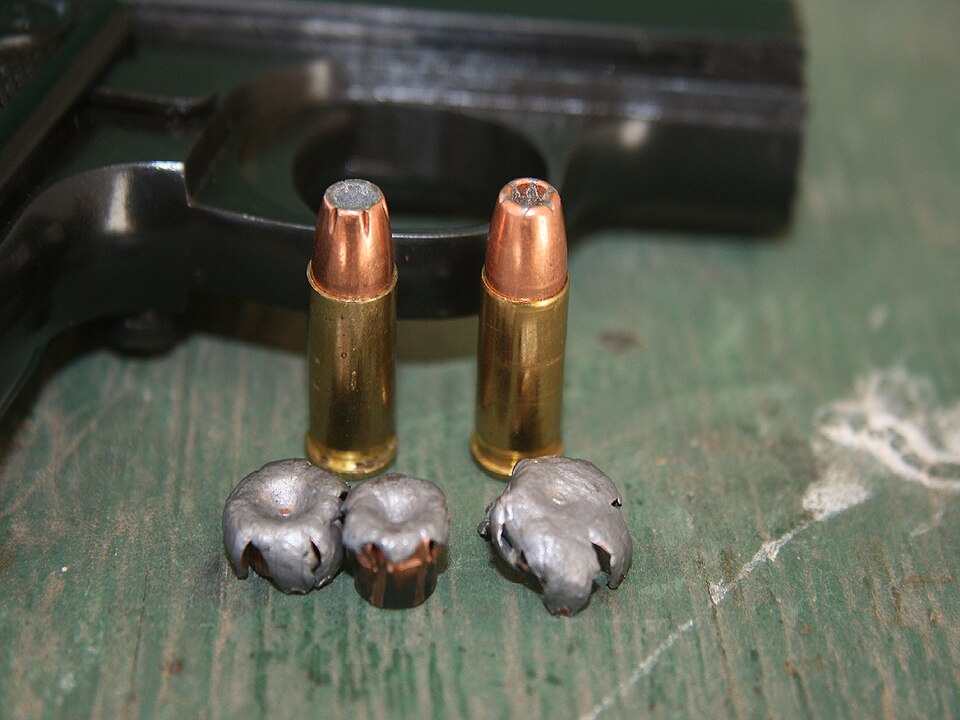
4. “Hollow points always prevent overpenetration”
This myth survives because hollow points are designed to expand, and expansion usually slows a bullet down. The problem is that bullets do not always behave ideally. Heavy clothing can clog a cavity, and some loads fail to open as intended, leading them to act more like non-expanding projectiles.
The heavy-clothing portion of testing exists for exactly that reason. The FBI-style fabric stack and similar private tests repeatedly show that some bullets expand inconsistently when cloth interferes with the nose cavity. When that happens, penetration can run long.
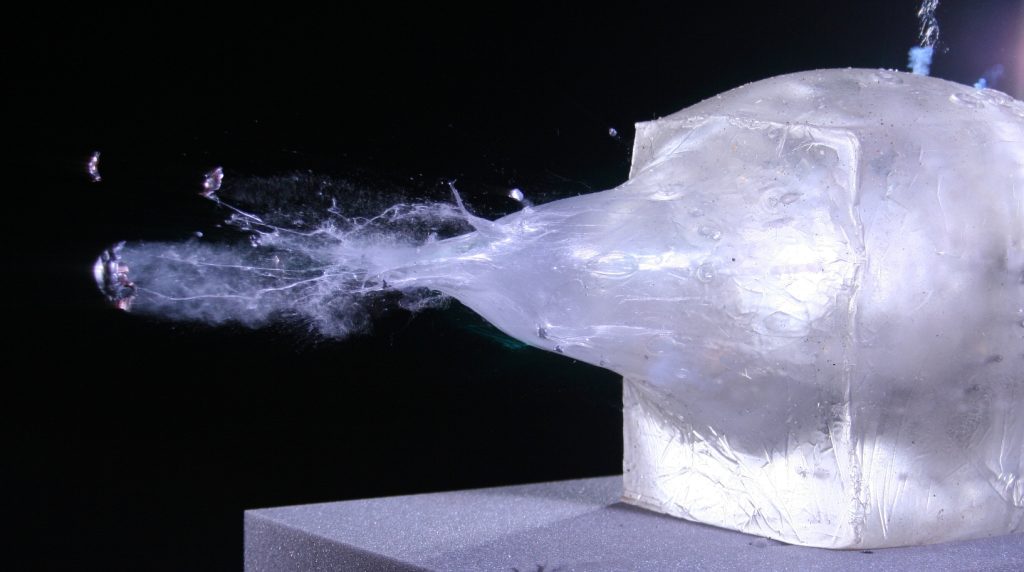
5. “One gel block result proves how a load works in real life”
Gelatin is a tool, not a crystal ball. It offers a consistent medium for comparison, which is why it remains useful, but it does not recreate bones, organs, skin, movement, or all shot angles. Even careful testers note that a bullet can behave differently once real anatomy and intermediate obstacles are involved.
That is also why five-shot strings, averages, and consistency data matter more than a single dramatic photo. A recovered bullet with a perfect mushroom may look convincing, yet a load that varies widely from shot to shot is telling a different story.

6. “Short-barreled carry guns perform just like service pistols”
This is one of the easiest mistakes to make because ammunition boxes often reflect longer test barrels than compact carry guns provide. Some private testing programs deliberately used short-barreled pistols positioned 10 feet from the gel because many armed citizens actually carry those smaller handguns.
Velocity loss from a short barrel can change expansion, penetration, or both. A load that performs well from a duty-size pistol may behave differently when fired from a compact or subcompact handgun. Ballistics data only becomes useful when the firearm context matches the ammunition test.
7. “Premium ammo stays trustworthy no matter how much it is chambered”
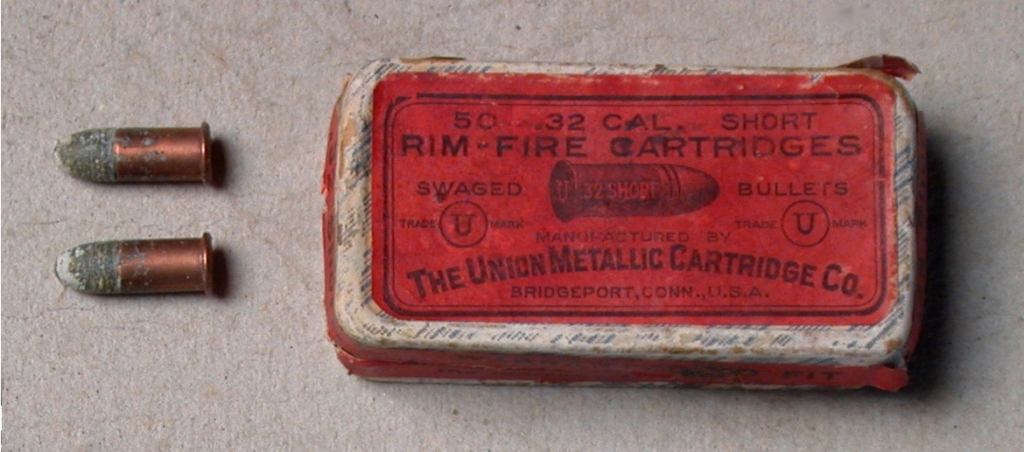
Reliability is not just a design feature; it is also a maintenance issue. Repeated chambering can damage the cartridge rim, dent the case, deform the bullet, or push the projectile deeper into the case. That last problem can alter overall length and create pressure irregularities.
Guidance from instructors who deal with carry guns regularly is blunt: visibly damaged rounds should not remain in defensive rotation. Repeated chambering can damage the cartridge rim and shorten cartridge length, which makes condition part of performance. A pristine budget ball round may be more dependable than a battered hollow point.
8. “Ammo choice matters more than shooting skill”
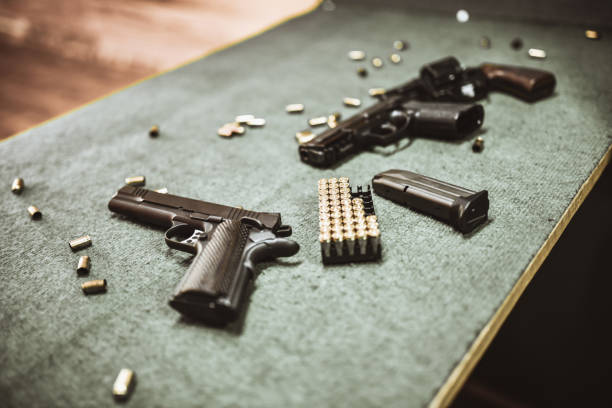
Ballistics experts do not dismiss ammunition, but they consistently place it behind marksmanship and reliability. A handgun bullet only does useful work if it lands where it needs to and penetrates far enough afterward. No premium load can compensate for a miss. That point gets lost when discussions become caliber wars or catalog debates. The practical standard remains simple: a dependable handgun, controllable recoil, repeatable hits, and ammunition that behaves consistently in testing. Everything else is detail.

The most persistent ammunition myths usually come from reducing a complex subject to one variable. Energy alone is not enough. Expansion alone is not enough. Even the FBI standard, useful as it is, is not a shortcut around context. Ballistics testing remains valuable because it strips some of the folklore away. It does not promise certainty, but it does show which loads penetrate adequately, expand consistently, and keep working when conditions are less than ideal.


