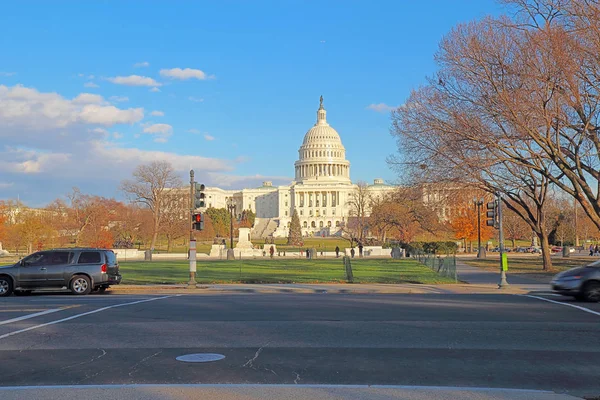
No map can turn a nuclear exchange into a manageable scenario. Still, geography, target density, wind patterns, and access to shelter all shape how severely different parts of the United States would be affected by radioactive fallout.
That is why some states appear again and again in modeling discussions: they sit farther from missile fields, major command hubs, and dense urban targets. Even then, the boundary between “less exposed” and safe remains narrow. As John Erath of the Center for Arms Control and Non-Proliferation put it, “Nowhere is truly ‘safe’ from fallout and other consequences like contamination of food and water supplies and prolonged radiation exposure.”
1. Maine
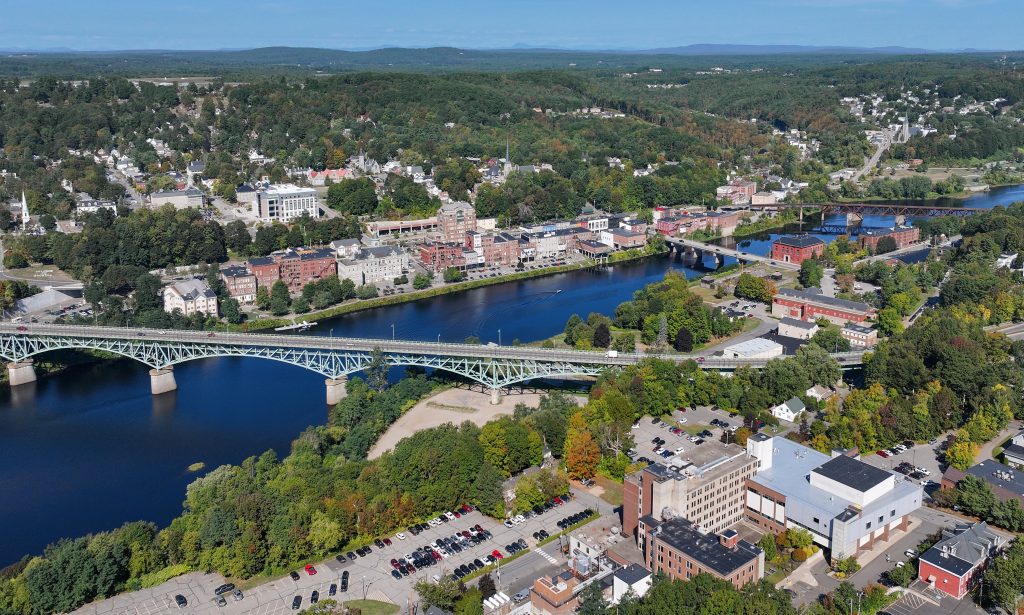
Maine keeps showing up in lower-risk discussions for simple reasons: distance, low density, and limited strategic value. It sits far from the northern Great Plains missile belt, and it lacks the concentration of military infrastructure that would make it an obvious primary target.
Its landscape matters too. Large forested areas, a dispersed population, and a colder, less congested built environment improve the odds of finding shelter quickly and avoiding chaotic evacuation bottlenecks. In broad fallout simulations, New England often lands outside the heaviest plumes because major cities and missile silos are expected to draw first strikes, leaving far northeastern states with comparatively lighter immediate exposure.
2. Rhode Island
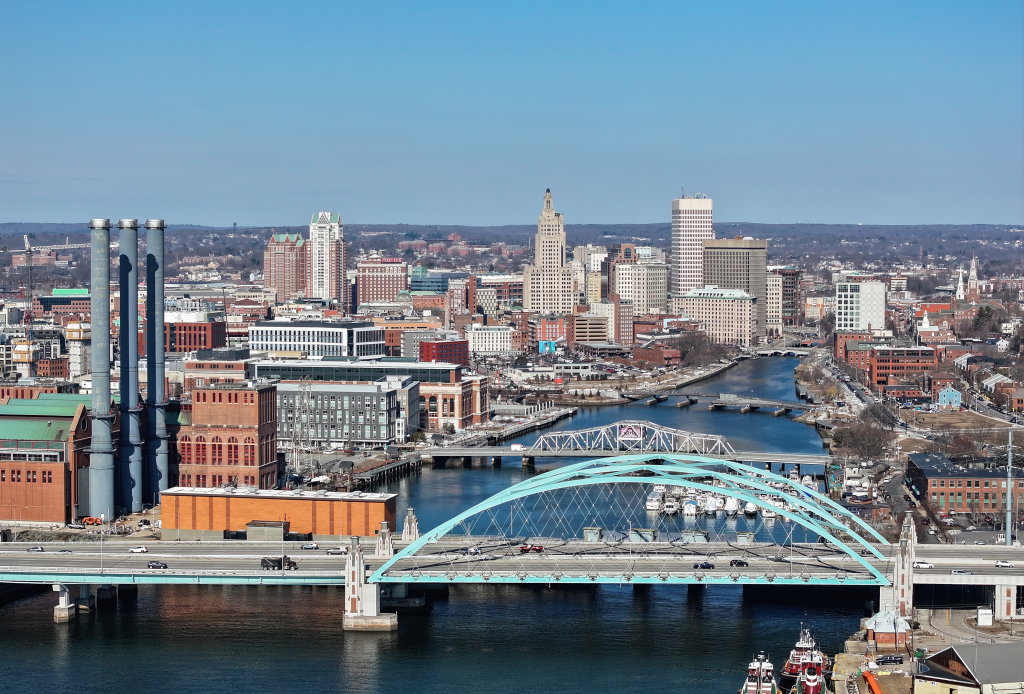
Rhode Island’s advantage comes less from wilderness than from the lack of obvious strategic targets. It is compact, heavily coastal, and does not host the kind of missile infrastructure that dominates higher-risk states in the Midwest.
That does not eliminate danger from drifting particles, contaminated supplies, or regional disruption. It does mean the state is often modeled as receiving lower direct fallout doses than areas downwind of silo clusters. In practical terms, a small state with short travel distances and concentrated shelter options could be easier to manage during a stay-indoors phase that may last as long as one month.
3. Michigan
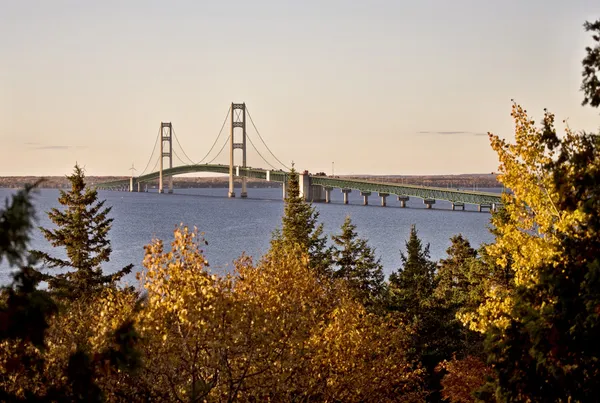
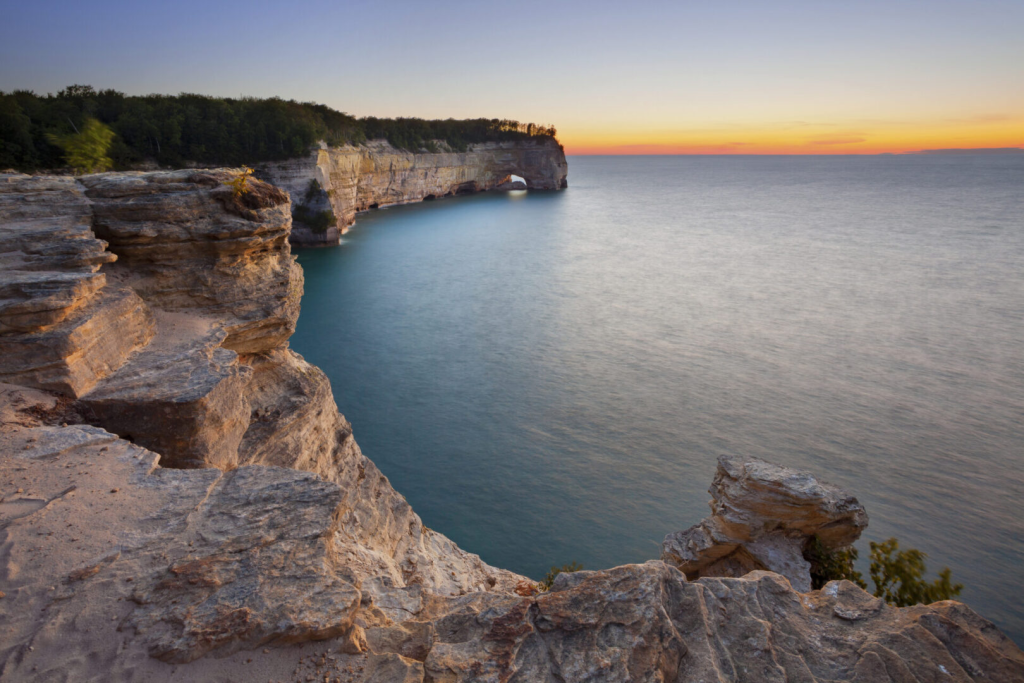
Michigan is one of the few states mentioned in both broad fallout discussions and newer simulation-driven maps. Recent analyses built around NUKEMAP have repeatedly pointed to Michigan as a place that may avoid the worst immediate blast and fallout zones in some scenarios.
The state’s shape helps. Large water boundaries, northern retreat areas, and long distances from missile fields reduce the chance of taking the brunt of an inland strike pattern. Northern Michigan and the Upper Peninsula also offer lower population density and more separation from major target clusters. The catch is climate: some analysts note that even a state spared the first wave could struggle under reduced sunlight, crop stress, and cold-weather pressures tied to long-term atmospheric effects.
4. Wisconsin
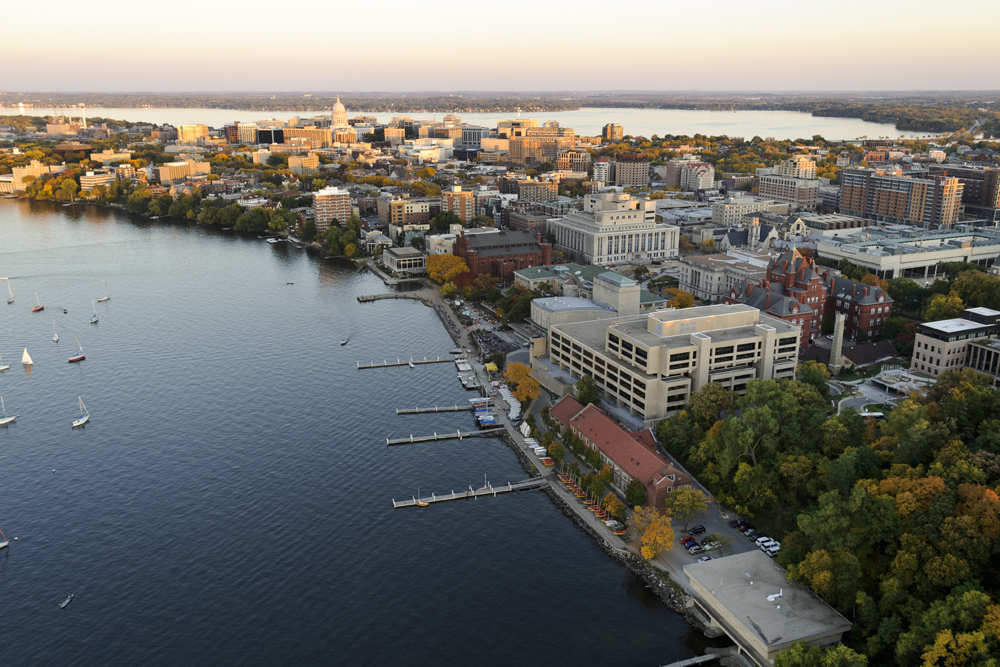
Wisconsin appears in newer simulation-based safe-zone conversations for reasons similar to Michigan’s. It is not usually described as immune, but it can fall outside the most intense immediate damage rings in modeled strike patterns centered on denser or more strategic regions.
Its value lies in relative distance from the highest-priority target sets, especially when compared with states that contain missile silos or exceptionally large military hubs. At the same time, Wisconsin shows why immediate fallout maps can mislead if they are read too literally. A place that avoids the first plume can still face food, fuel, medical, and agricultural breakdown later.
5. Kentucky
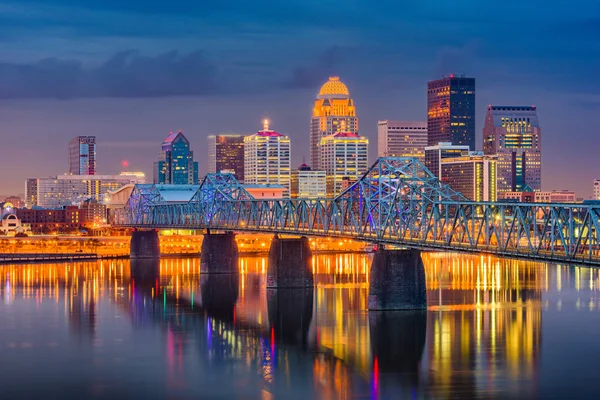
Kentucky combines rural depth with access to water, farmland, and smaller population centers outside a few metro areas. That mix gives it a different kind of resilience than a remote northern state. It is not isolated, but much of it sits away from the missile fields most likely to attract direct counterforce attacks.
Its agricultural base matters in any discussion of long-duration survival. Fallout is not only a radiation problem; it becomes a logistics problem very quickly. States with a broader spread of habitable land, freshwater access, and less crowding have more room to absorb disruption, at least in the early phases.
6. Tennessee
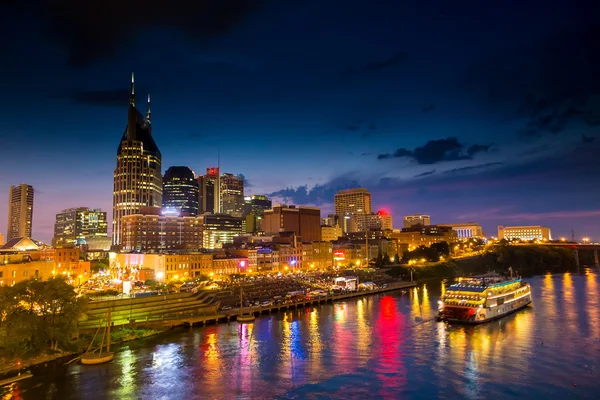
Tennessee benefits from terrain as much as location. The Appalachian region provides natural barriers, smaller communities, and more options for sheltering away from dense target zones. In many broad scenarios, it falls outside the most intense fallout corridors associated with strikes on the central missile belt.
The state also illustrates how “safer” can be highly local. A mountainous county and a major infrastructure corridor do not carry the same risk profile. That unevenness is common in fallout science, where wind, rainfall, and topography can create sharp changes in exposure over relatively short distances.
7. Nevada
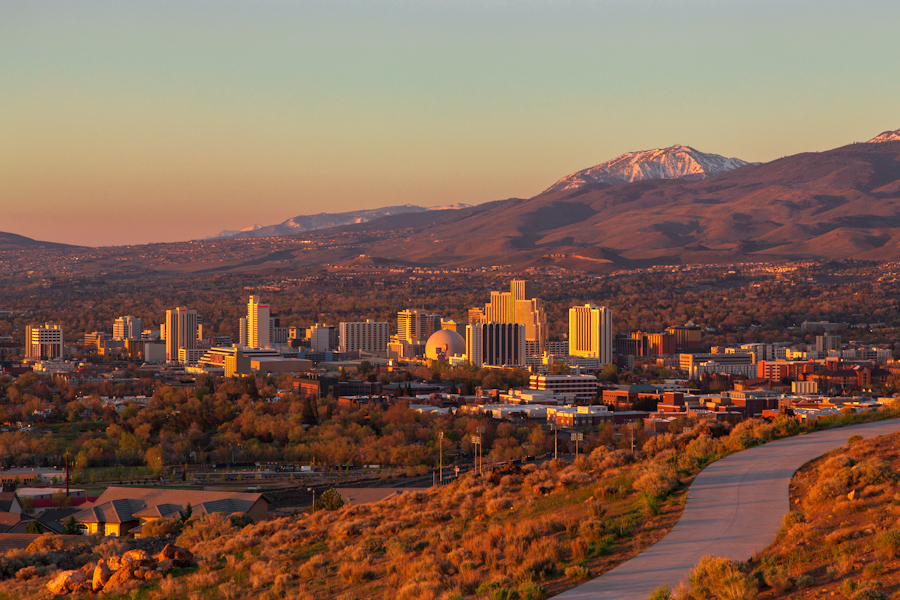
Nevada enters newer maps from a different direction than the New England states. Rather than benefiting from distance from everything, it benefits in some models from having large expanses with very low population density. In one recent roundup, much of Nevada was identified as avoiding the heaviest immediate danger zones in specific strike scenarios.
But Nevada also carries a warning about overconfidence. Fallout does not always behave neatly, and Western states have a long record of contamination pathways shaped by wind and dust. Colorado offers a sobering nearby example: the former Rocky Flats weapons plant left contamination that spread beyond its boundaries, with prevailing winds carrying airborne material south and east. That history reinforces a basic point: open space lowers some risks, but airborne contaminants do not respect state lines.
The strongest pattern across all seven states is not absolute safety but relative separation from likely primary targets. Low population density, fewer strategic installations, and manageable shelter conditions do more to improve survival odds than any single natural feature.
The science points in the same direction every time. Immediate fallout can sometimes be modeled; long-range contamination, infrastructure collapse, and food-system disruption are much harder to contain. The result is a narrow category of places that may be less exposed at first, but never untouched.


