A defensive handgun round can look convincing on a chart and still create problems when clothing, short barrels, recoil, or household walls enter the equation. That gap between lab confidence and real-world behavior is where many bad ammo decisions start.
Modern testing has made the conversation better, but not simpler. The FBI’s familiar 12–18 inch guideline remains a reference for penetration consistency, and handgun bullets are still judged largely by whether they can reach vital organs through clothing and tissue. For armed citizens, that means reliability, controllability, and predictable bullet behavior matter at least as much as caliber reputation.
1. .22 Long Rifle
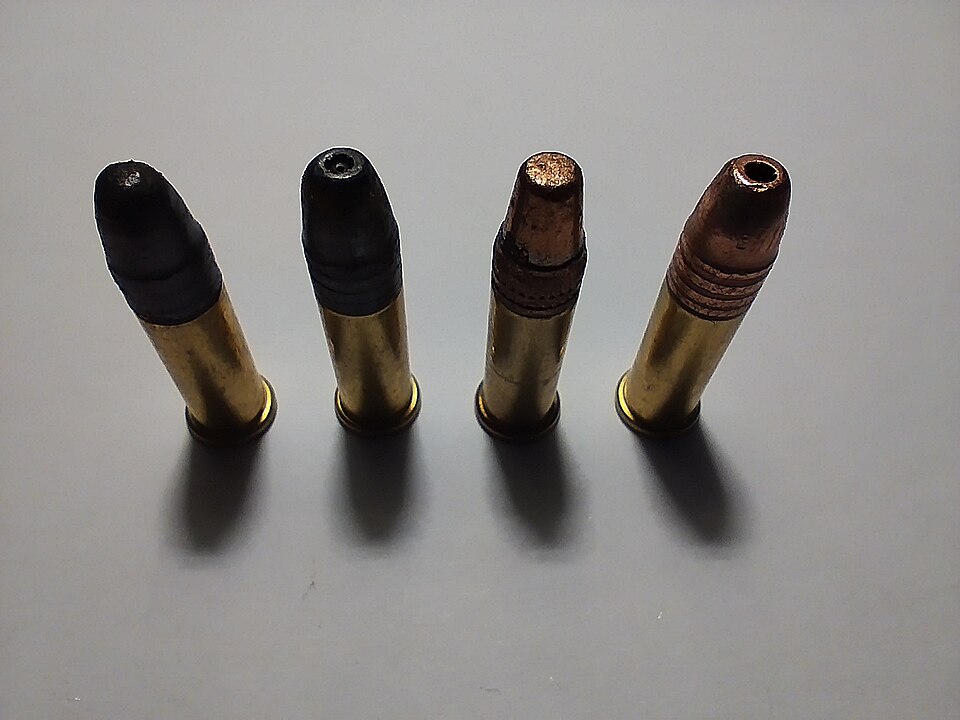
.22 LR keeps showing up in defensive conversations because it is easy to shoot, easy to carry, and widely available in compact pistols. The hidden problem is mechanical before it is ballistic. Rimfire priming is inherently less dependable than centerfire ignition, and that is a poor place to accept compromise in a handgun meant for emergency use.
Performance can also run short when angles, limbs, or heavy clothing add resistance before the bullet reaches vital anatomy. Small holes can still matter, but handgun bullets do not create reliable “knockdown” effects, and shot placement plus adequate penetration remains the real standard.
2. .25 ACP
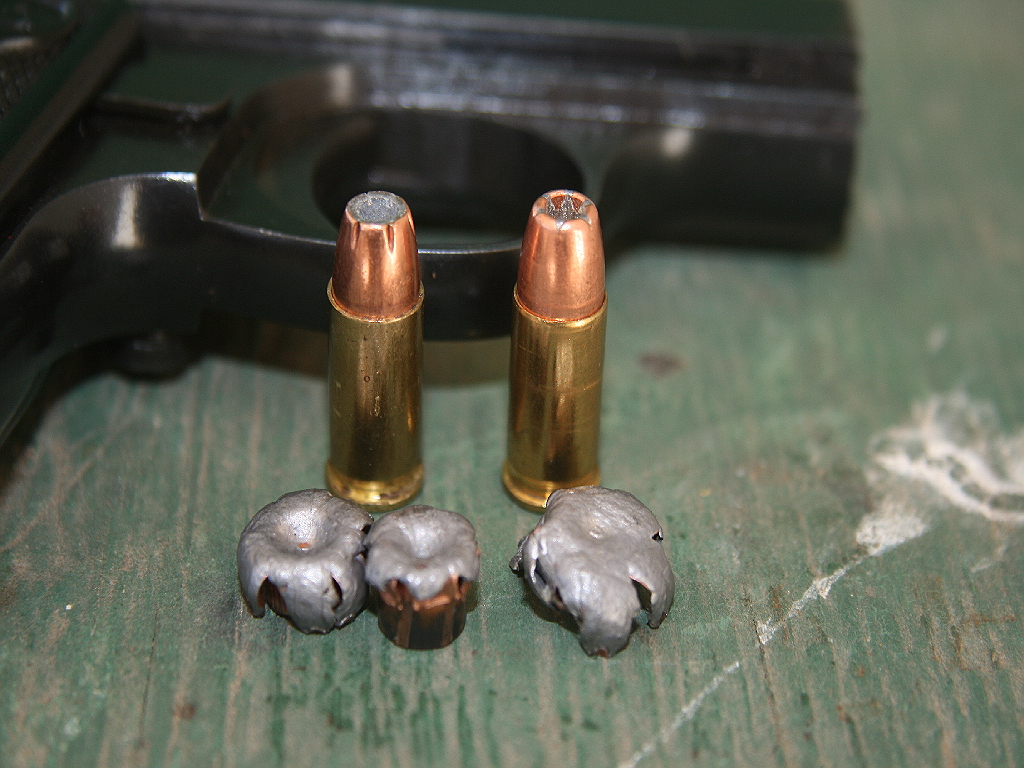
.25 ACP was once the answer for ultra-small pocket pistols that needed centerfire reliability. That centerfire advantage is real. The trouble is that the cartridge usually brings very limited energy, and it is commonly paired with tiny handguns that are hard to grip, hard to aim quickly, and unforgiving under stress.
Its weakness is not just power. It is the full system: minimal sights, abbreviated controls, and shallow wound potential compared with modern service-caliber loads. A cartridge that solves one reliability issue often introduces several handling problems at the same time.
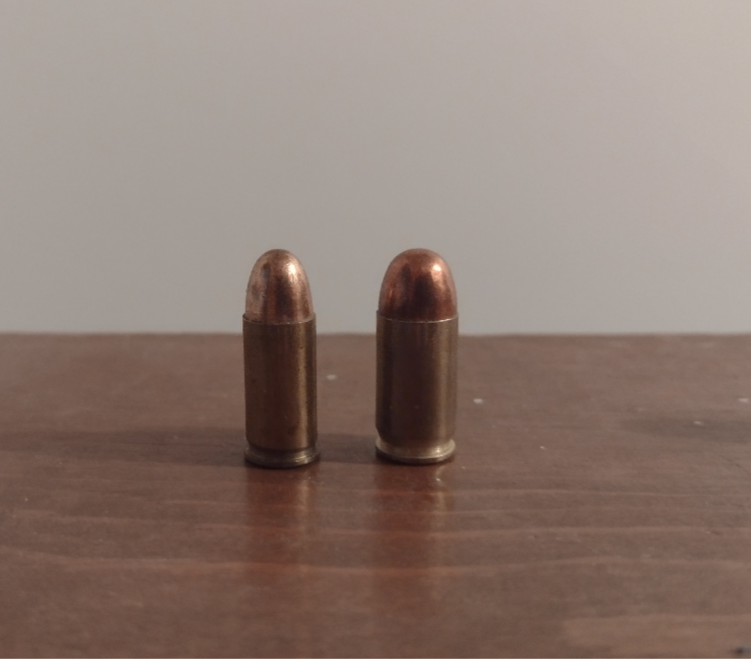
3. .32 ACP
.32 ACP earns respect for soft recoil, especially from small pistols that would be unpleasant in larger calibers. That mild shooting character makes it attractive to recoil-sensitive users, but it operates close to the edge of acceptable terminal performance. When expansion works, penetration can become marginal. When expansion fails, results become inconsistent in a different way.

Heavy-clothing testing matters here because hollow points in smaller calibers can clog and behave more like non-expanding bullets. The FBI barrier concept exists for exactly that reason, including heavy clothing, wallboard, sheet metal, and auto glass. Even for civilians who are less concerned with vehicle barriers, clothing interference is a practical issue.
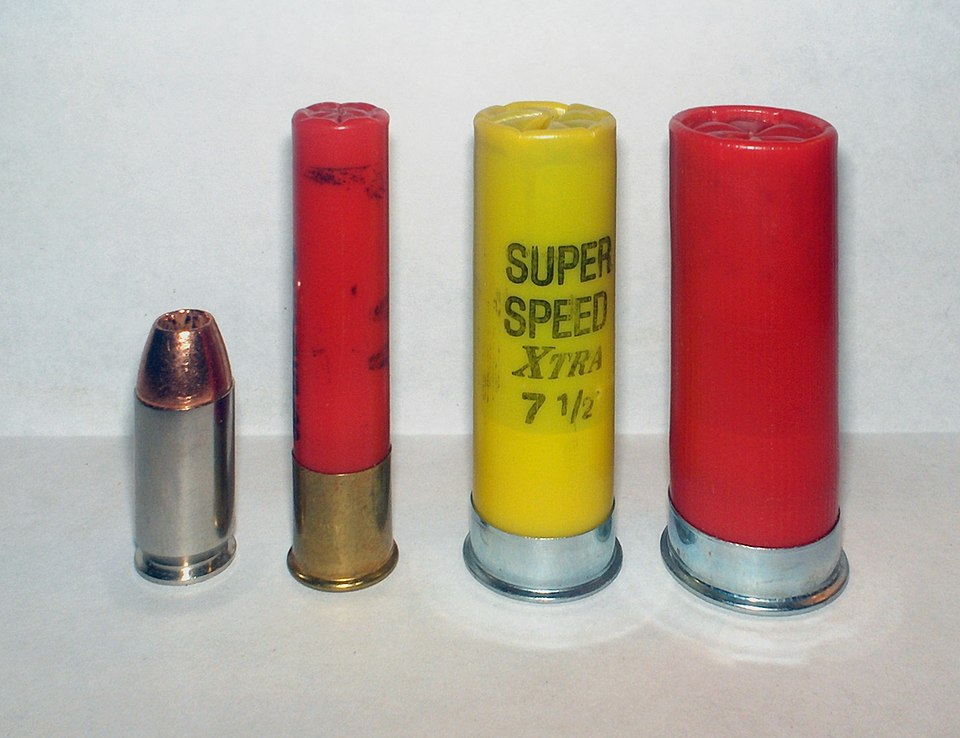
4. .410 Shotshell in Handguns
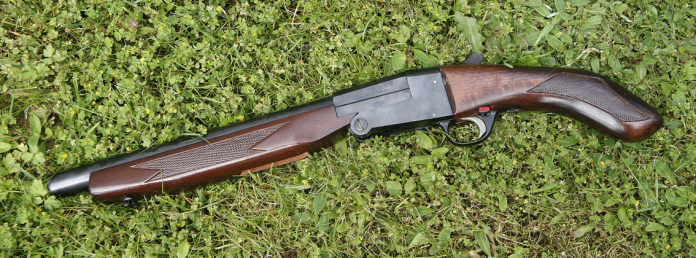
.410 revolvers are often marketed around versatility, but that flexibility comes with unstable tradeoffs. Birdshot loads may spread quickly from short barrels and often lack the penetration needed for dependable defensive performance. Buckshot loads can penetrate better, yet a widening pattern turns every extra pellet into an accountability concern.
That is the hidden problem: multiple projectiles do not guarantee multiple useful wound tracks. They can also mean less predictability, especially when fired from short handgun barrels with a cylinder gap stealing velocity.

5. Weak or Mismatched .380 ACP Loads
.380 ACP is not automatically a poor choice, but it is less forgiving than its popularity suggests. Short barrels and modest velocity leave little room for bullet-design mistakes. In testing, this caliber often splits into two bad categories: rounds that expand nicely and stop too soon, and rounds that penetrate adequately only because they barely expand at all.
That sensitivity is why load choice matters so much. Data from compact-gun gel tests has repeatedly shown many .380 ACP loads showing either good penetration or decent expansion, but not both. The caliber can work, but only with realistic expectations and careful ammunition selection.
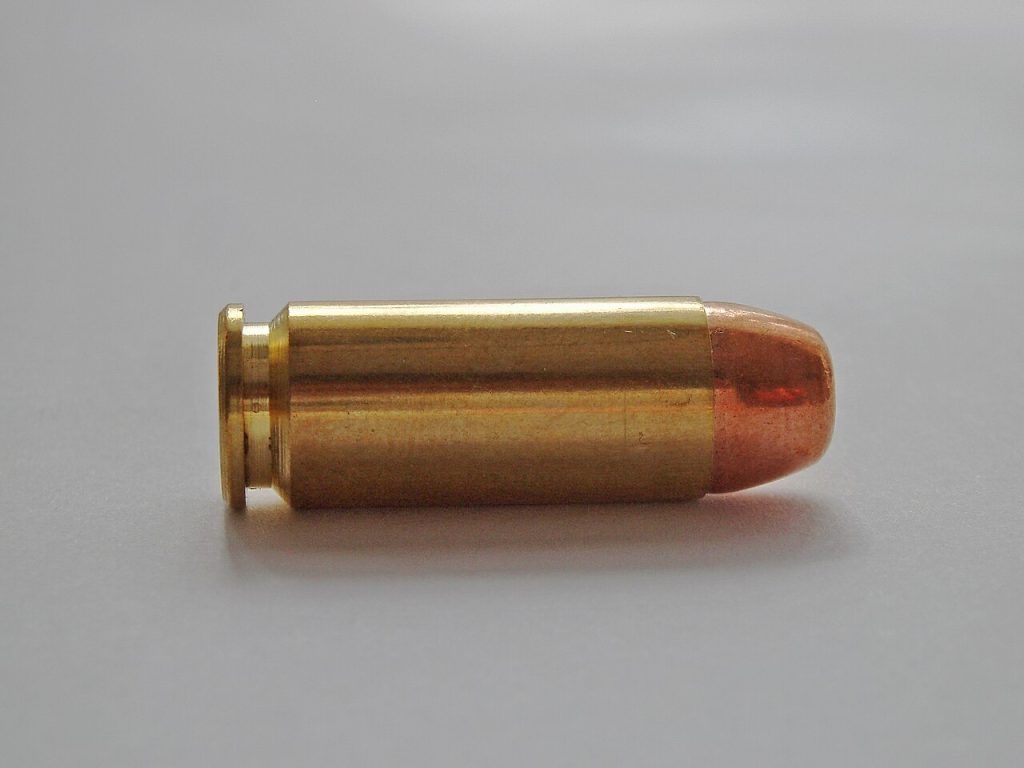
6. 10mm Auto
10mm Auto creates the opposite problem. It usually has enough penetration and energy, sometimes more than the average concealed-carry shooter can efficiently manage. The issue is not that the cartridge is ineffective. The issue is that its recoil, muzzle blast, and recovery time can reduce hit quality and slow follow-up shots.
That matters because handguns stop threats by damaging vital structures, not by dramatic force transfer. The strongest ballistic profile on paper loses practical value when the shooter cannot place rapid, accurate hits. In confined spaces, deeper penetration can also raise concerns about rounds continuing past the intended target line.
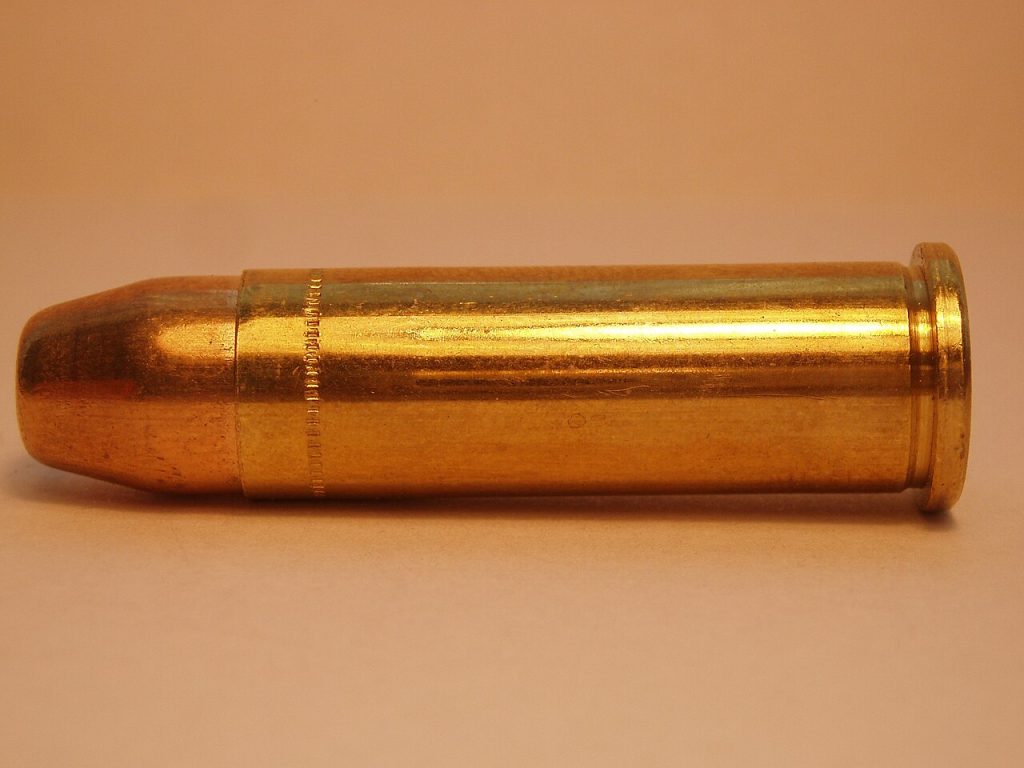
7. .38 Special From Snub-Nose Revolvers
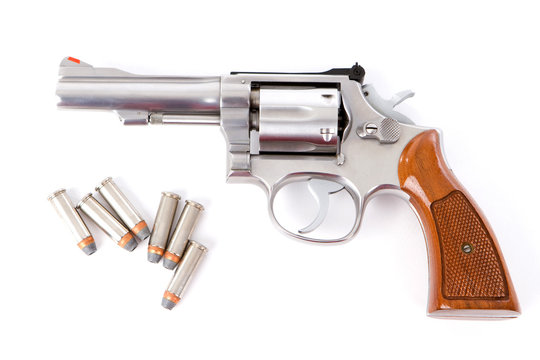
.38 Special built its reputation in longer revolvers than the modern snub nose. Cut the barrel down far enough and the cartridge changes character. Velocity drops, hollow points may fail to open, and standard-pressure loads can become underwhelming just when a compact revolver needs every available advantage. Short barrels change bullet behavior. Some loads built specifically for snubs improve matters, but the old assumption that any .38 Special load will perform like service-revolver ammunition does not hold up well in compact carry guns.
The common thread across these cartridges is not caliber snobbery. It is tolerance stacking: a little less reliability here, a little less penetration there, a little more recoil, a little more wall risk, and suddenly the load is no longer working in the shooter’s favor. For defensive handguns, the better question is not which round sounds strongest in conversation. It is whether a given load cycles reliably, stays controllable, and behaves consistently when fired through the kinds of clothing and angles real people actually present. That is where useful ammunition separates itself from attractive theory.


