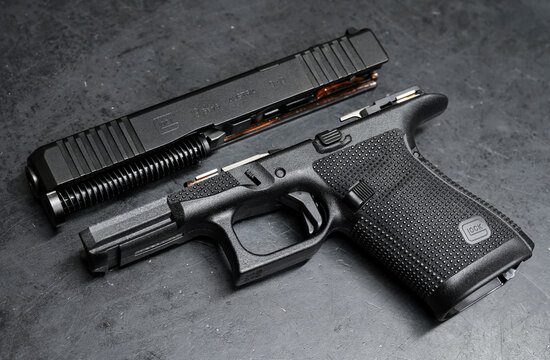
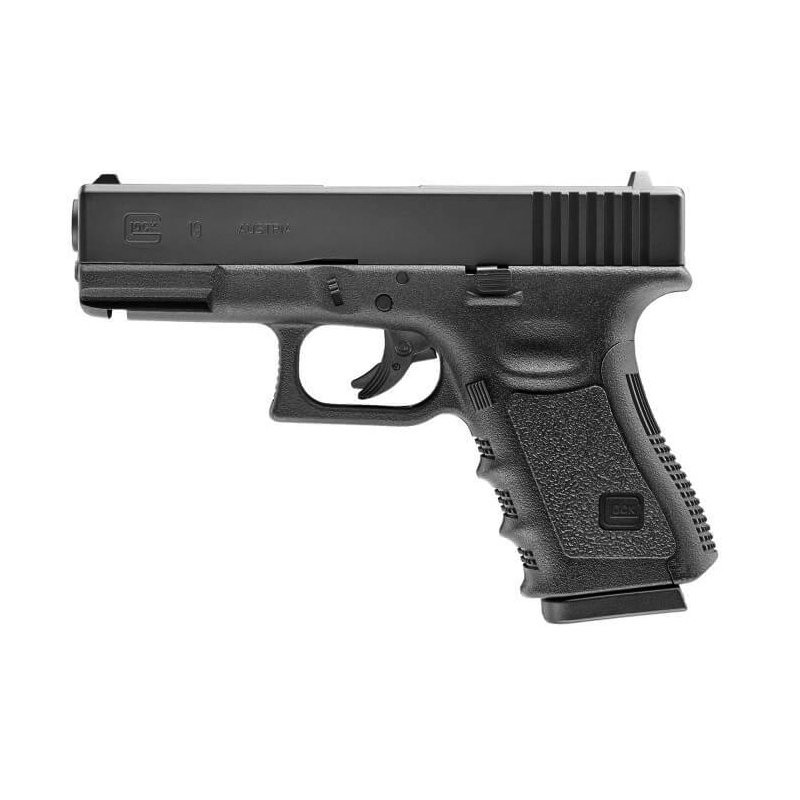
Glock rarely makes dramatic public moves with its commercial lineup, which is why this round of discontinuations drew so much attention across the firearms industry. The company built its reputation on long-running designs, incremental generation updates, and broad model continuity.
That is exactly what makes the current reset notable. The changes are not limited to one aging pistol or one slow-selling chambering. They point to a wider effort to simplify the catalog, center newer configurations, and prepare for a market where engineering decisions are increasingly shaped by optics use, compliance demands, and platform standardization.
1. The commercial catalog had grown too broad
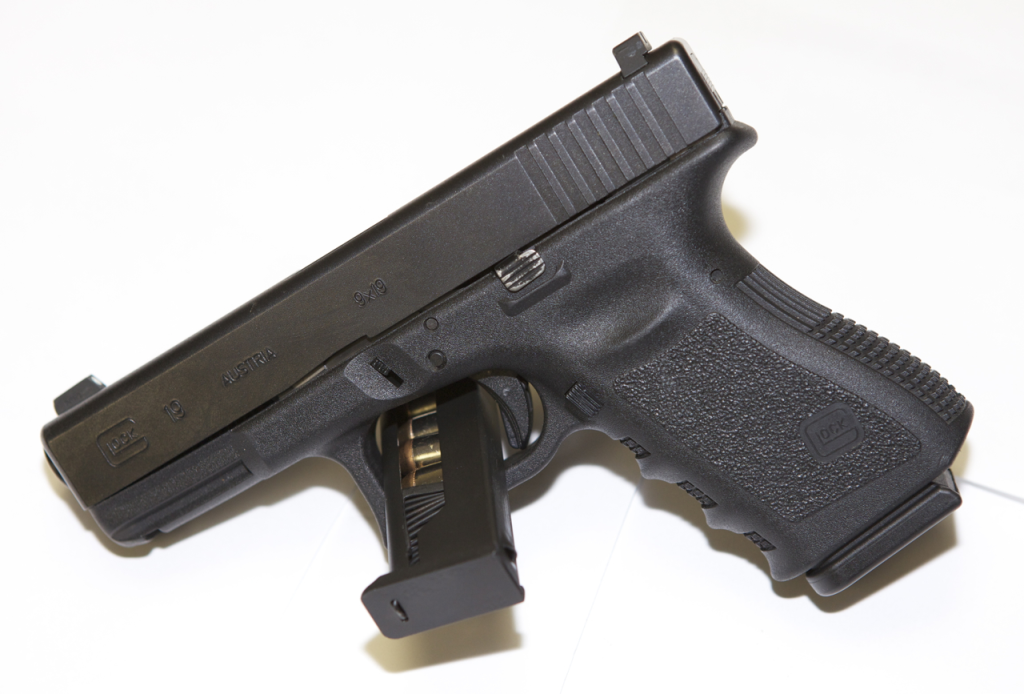
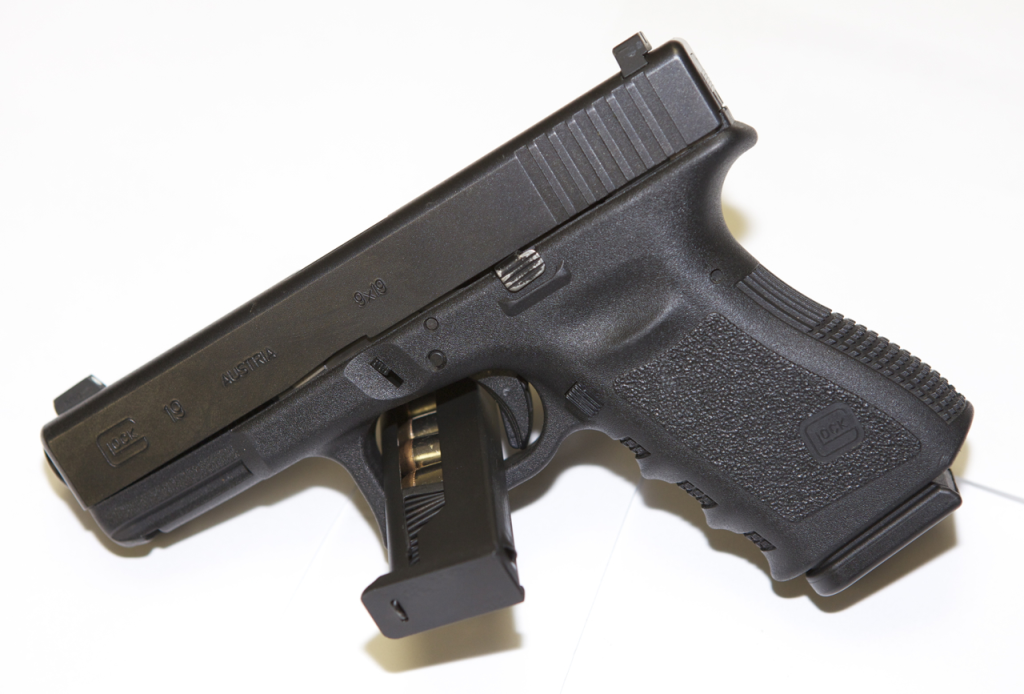
Glock’s lineup had expanded over decades into a dense mix of generations, frame sizes, MOS variants, and niche chamberings. That breadth helped the brand serve many corners of the handgun market, but it also created overlap and slower-moving stock. The list of discontinued models was substantial, including long-running entries such as the G20, G21, G22, G34, and G35 across multiple generations, according to multiple discontinued Gen3, Gen4, and Gen5 models.
For a manufacturer built around commonality and efficiency, trimming lower-demand variants reduces production complexity. It also frees attention for the models that move fastest through dealers and agency channels.
2. Glock is putting newer-ready configurations at the center
Modern handgun buyers increasingly expect compatibility with red-dot sights and current accessory standards. That shift matters because Glock’s older catalog included models and generation mixes that no longer reflected where the market has been moving.
Generational history helps explain the transition. Gen 3 introduced the accessory rail era, while Gen 5 brought features such as ambidextrous slide stop levers and Glock Marksman Barrels. A streamlined lineup lets Glock emphasize present-day features rather than continue supporting every legacy combination that accumulated over time.
3. The company openly framed the move around future growth
Glock did not describe the overhaul as a temporary adjustment. Its public language presented the decision as a strategic reset. The company stated, “In order to focus on the products that will drive future innovation and growth, we are making a strategic decision to reduce our current commercial portfolio.”
That wording matters because it signals intent beyond ordinary catalog cleanup. The goal is not only to remove older stock-keeping units, but to concentrate engineering, manufacturing, and distribution around what Glock sees as its next core commercial platform.

4. Pressure over illegal conversion devices has changed the design conversation
A major reason this story has stayed in focus is the ongoing scrutiny tied to illegal conversion devices commonly called “switches.” Those devices have pushed handgun design into a new legal and engineering environment. Data cited in public reporting showed 11,088 machine gun conversion devices recovered between 2019 and 2023, with a sharp rise over that period.
That pressure now reaches beyond criminal misuse and into product planning. Lawsuits, state-level legislation, and discovery demands have turned internal design details into a serious business issue. In that climate, a major platform revision is no longer just a product-development choice. It becomes part of risk management, regulatory positioning, and brand protection all at once.

5. The rumored V Series suggests internal changes, not a visual reinvention
Industry discussion around a “V Series” became one of the most closely watched parts of the shake-up. Distributor chatter and retailer claims pointed to replacement pistols that would look familiar from the outside but carry revised internals.

Reports have described internal slide and trigger improvements, and some have said existing Glock Performance triggers would not work in the new pistols. Just as important, the message surrounding the alleged V models has focused on compatibility changes rather than cosmetic redesign. That would fit a practical engineering goal: keep handling and brand identity familiar while changing the parts most relevant to durability, function, or conversion resistance.

6. Service support softens the impact for current owners
Discontinuation does not mean instant orphan status. Glock indicated it would continue servicing retired models, which is a critical point for owners, armorers, and agencies already invested in existing pistols. Support for discontinued models continues. That keeps the transition from turning into a hard break and helps preserve confidence in the installed base, especially where maintenance schedules and qualification programs depend on long-term parts availability.
7. The move reflects a broader industry shift toward standardization and liability control
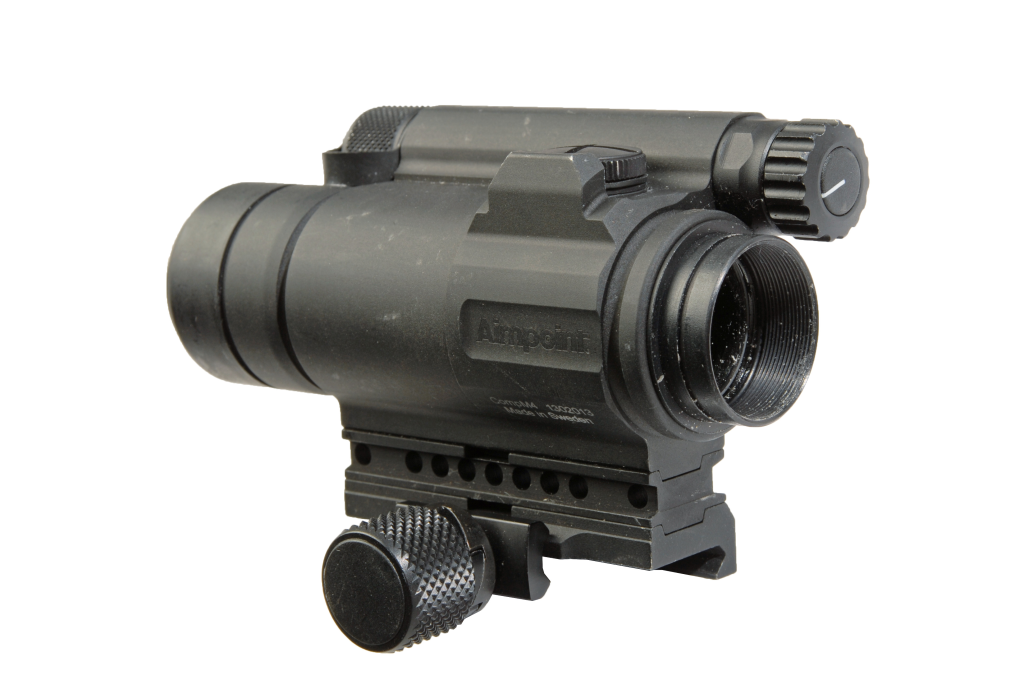
Glock’s reset fits a larger pattern inside the handgun market. Product lines are being shaped not only by user preference, but by legal exposure, training demands, and the need to simplify support across large fleets. Even agency procurement signals where the market is leaning, including recent reporting on a department transition to Glock Gen 6 9mm handguns with Aimpoint sights.
That does not make every discontinued model obsolete. It does show that standard optics-ready setups, fewer overlapping variants, and tighter internal revisions are becoming central to how major pistol makers manage the future. Glock’s lineup reduction is larger than a routine product refresh. It reveals how a mature pistol platform adapts when customer expectations, manufacturing efficiency, and legal pressure all start pushing in the same direction. For longtime observers of the brand, the message is clear: fewer legacy branches, more focus on the next baseline.


