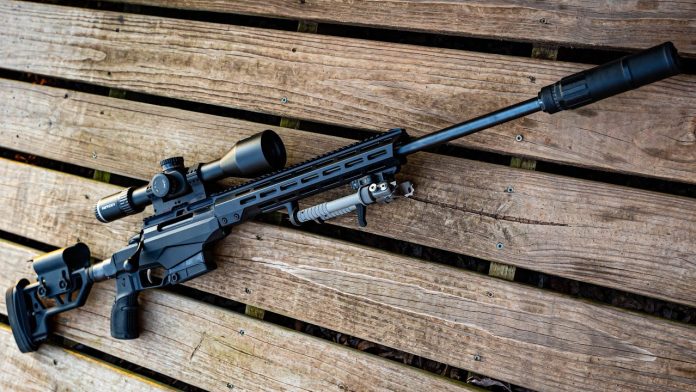
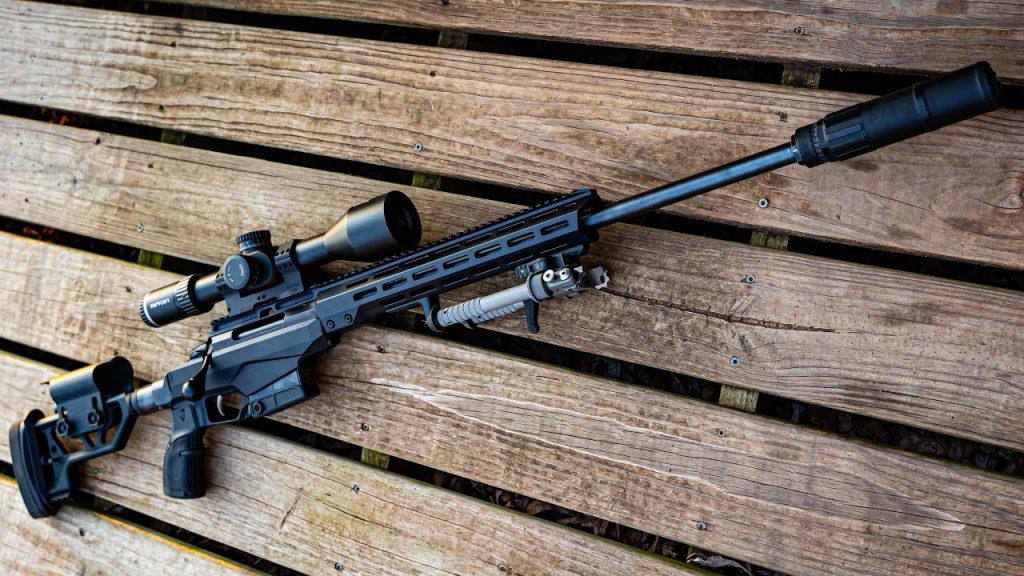
Bench accuracy and field accuracy are not the same thing. A rifle can print a clean group from a steady bench and still miss when the shot comes cold, fast, and from an awkward position.
That gap is where practical accuracy lives. In the field, results are shaped by a mix of rifle setup, ammunition compatibility, environmental judgment, and the shooter’s ability to build stability under pressure.

1. Cold-bore consistency matters more than pretty groups
Most real shots are decided by the first round from a cold rifle, not by the third group after a long bench session. That is why cold-bore impact across multiple days tells more about field reliability than a single tiny cluster on paper. A rifle can tighten up after it settles into a range routine, but field use does not offer that luxury. Bedding stress, barrel contact, and inconsistent action screw torque can all show up on that first shot. The first-round point of impact is the standard that matters when a rifle has been carried, bumped, and then fired once.
2. Twist rate has to match the bullet, not just the cartridge
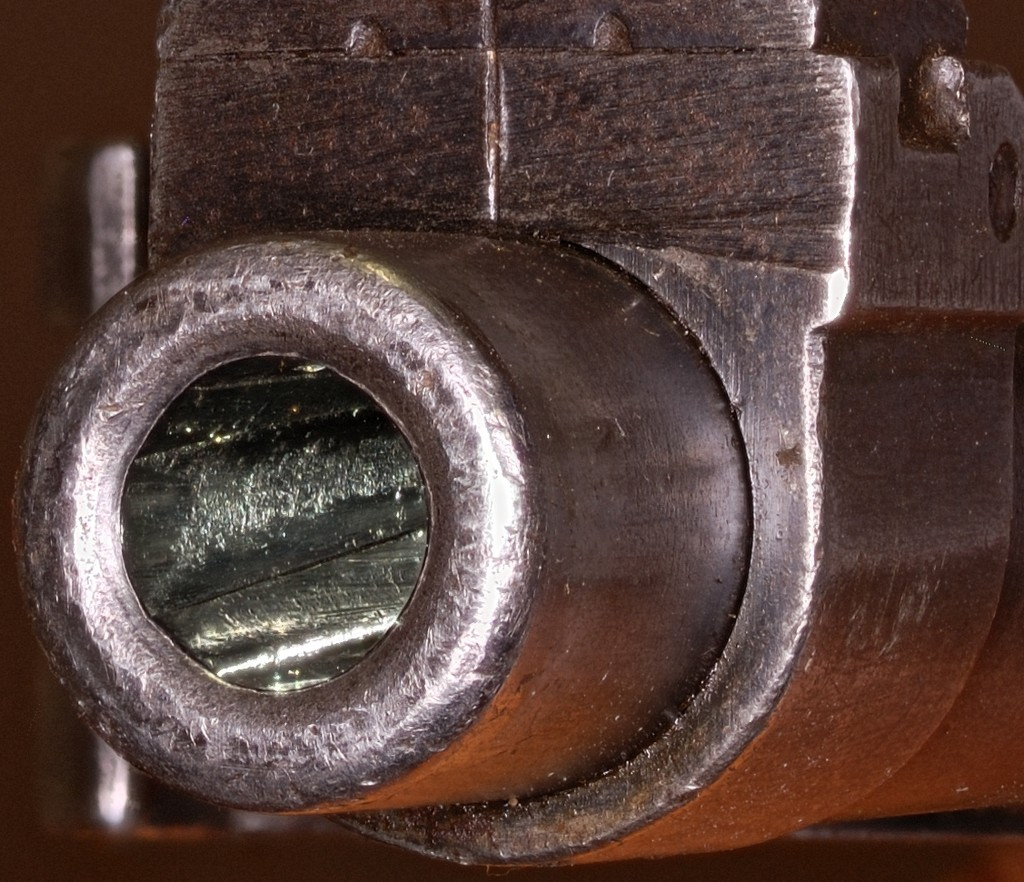
Twist rate is the speed at which rifling spins the projectile, and it directly affects stability in flight. In plain terms, a 1:8 twist rate means the bullet completes one full rotation in eight inches of barrel travel. Longer and heavier bullets generally need faster spin to stay stable, while shorter and lighter bullets often perform better with slower rates. Reference guidance for common platforms shows how much this can vary: .223 rifles are often paired roughly as 1:7 for 55-85 grain, 1:8 for 50-80 grain, and 1:9 for 45-70 grain. When bullet length and twist are mismatched, the result is not theoretical; it shows up as wobble, poor stability, and wider groups downrange.
3. Position and support change how the rifle recoils
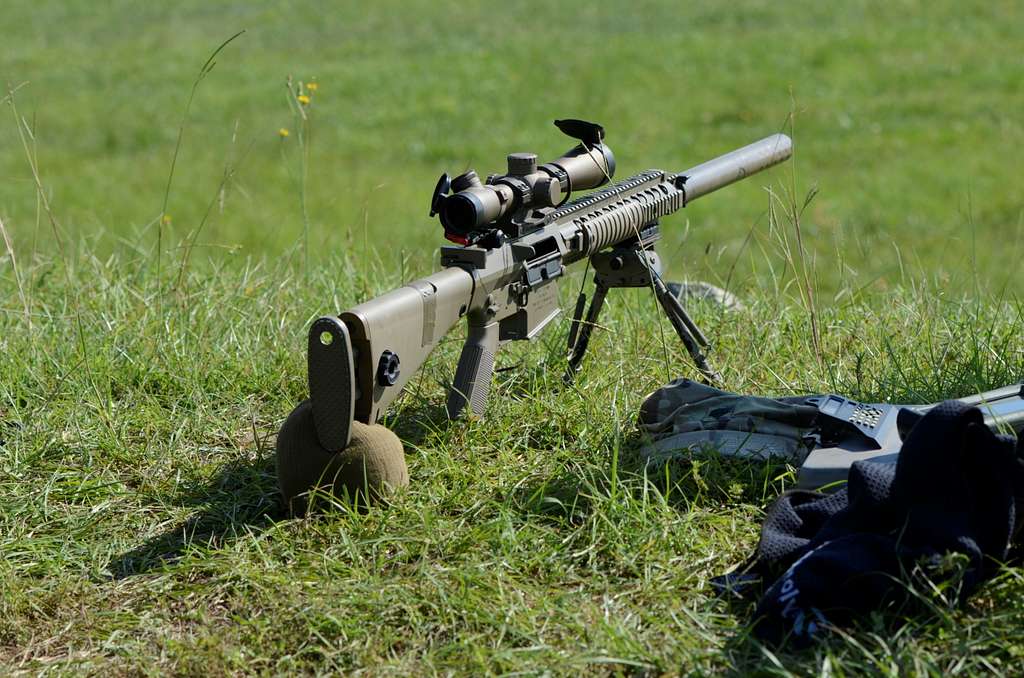
A zero confirmed from a bench does not guarantee the same point of impact from kneeling, sitting, or prone behind a pack. Support method changes recoil behavior, stock loading, and sometimes barrel harmonics. Resting the rifle on a bipod, a bag, a barricade, or a hard surface can all produce different results. A light fore-end may flex under pressure. Sling tension can alter alignment on some setups. That is why field positions are not just comfort choices; they are accuracy variables. Prone is usually the most stable, sitting often provides a strong intermediate option, and standing is the least stable but the fastest to use.
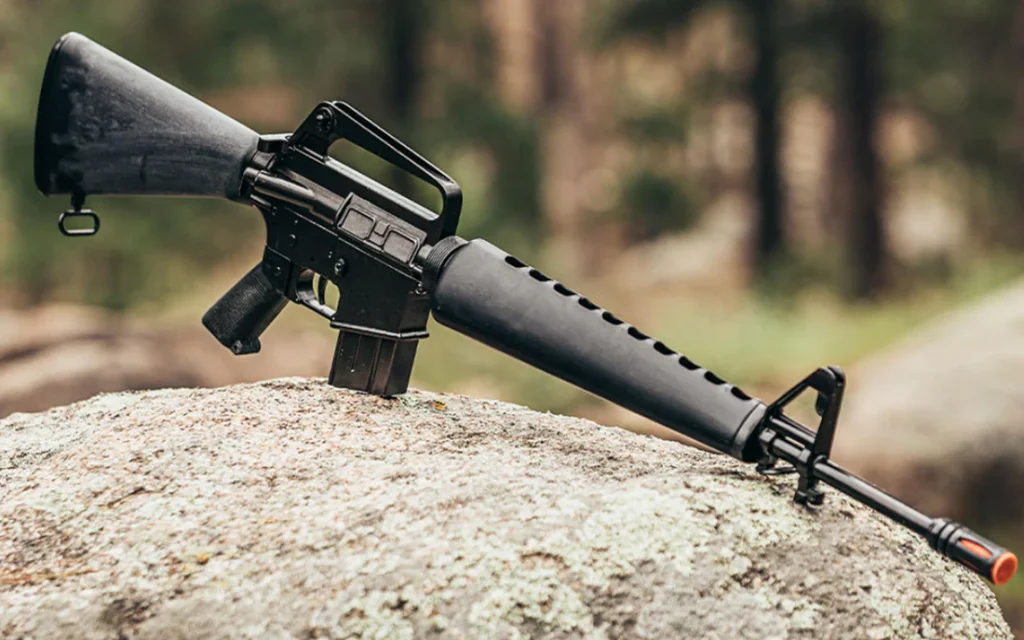
4. Trigger control, breathing, and body stability decide the shot break
Mechanical precision means little if the rifle moves at the instant the shot breaks. Small human inputs create large misses as distance grows. Breathing, pulse, grip pressure, and shoulder pressure all affect sight movement. So does stance. A balanced standing position with feet about shoulder width apart creates a stronger base than a hurried, upright posture. In supported positions, the goal is the same: reduce wobble, keep the rifle pulled consistently into the shoulder, and break the shot without disturbing the sight picture. Accuracy often falls apart before the bullet leaves the barrel.
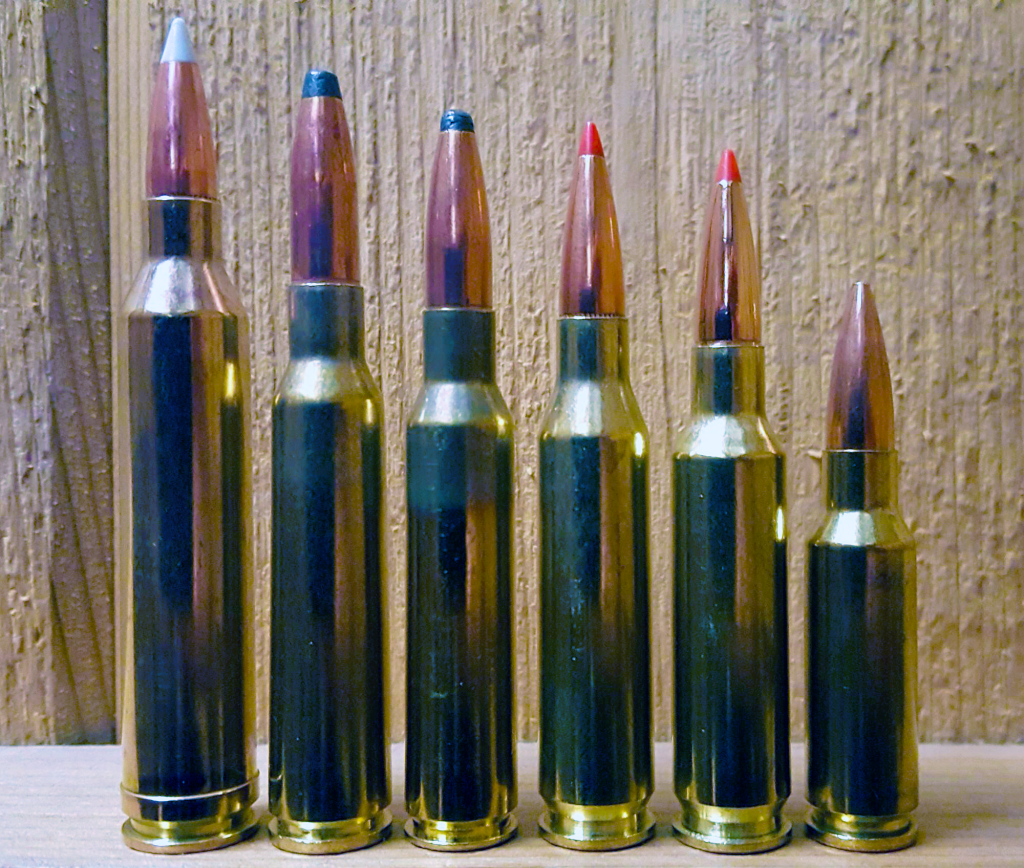
5. Velocity consistency and ammunition uniformity keep groups from opening up
Field accuracy depends on repeatability, and ammunition is a major part of that equation. Variations in muzzle velocity, seating depth, neck tension, case capacity, primer output, and powder behavior can all change where a bullet lands. The long technical lists discussed by experienced precision shooters often point back to the same principle: uniform inputs create uniform results. When muzzle velocity spreads widen, vertical dispersion usually follows, especially at distance. Powder temperature stability also matters once conditions change. Even a rifle with an excellent barrel and optic can lose practical precision if the ammunition feeding it is inconsistent.

6. Wind and ranging errors usually beat mechanical error
At longer distances, misses are often caused less by the rifle than by judgment. A small wind mistake can move impact several inches, and poor range estimation multiplies the problem.
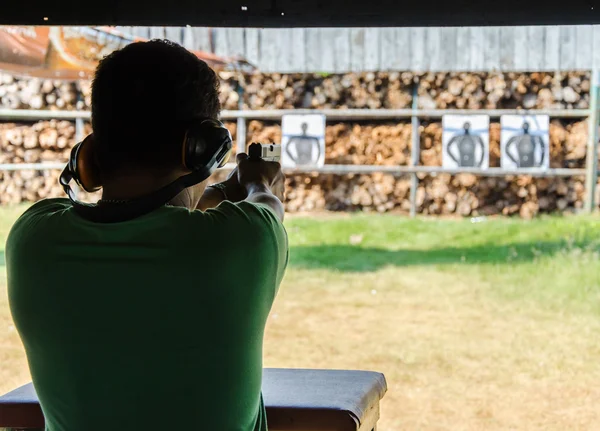
The field rarely offers calm air, known yardage, and unlimited time. It adds gusts, angle, mirage, and rushed decisions. According to two- or three-mph wind misreads, bullets can drift enough at 300 yards to turn a centered hold into a miss or a badly placed hit. Wind call proficiency is one of the least glamorous but most decisive parts of practical rifle accuracy.
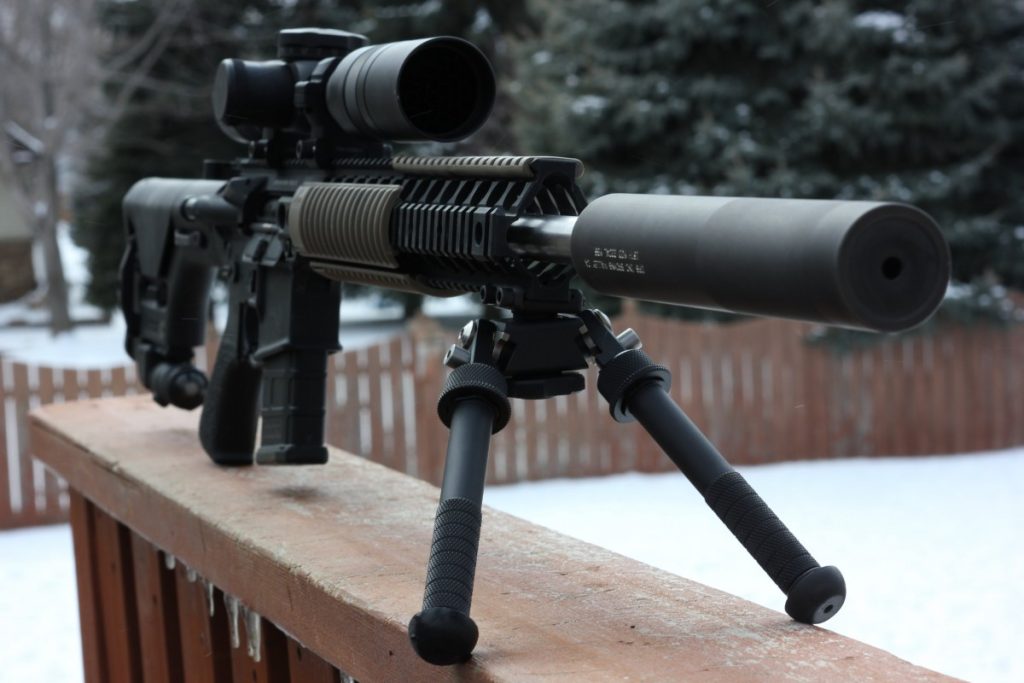
7. The rifle system has to stay mechanically repeatable
Field use exposes weaknesses that the bench can hide. Bedding quality, barrel-to-stock clearance, muzzle crown condition, optic mounting, and the rifle’s interface with rests all affect repeatability. A rifle that shifts zero after travel or after normal bumps is not field-accurate, no matter how small one target group looked at the range. The same applies to optics that do not track consistently or mounts that loosen under recoil. Barrel quality and rifling quality matter, but so do the less glamorous parts of the system.
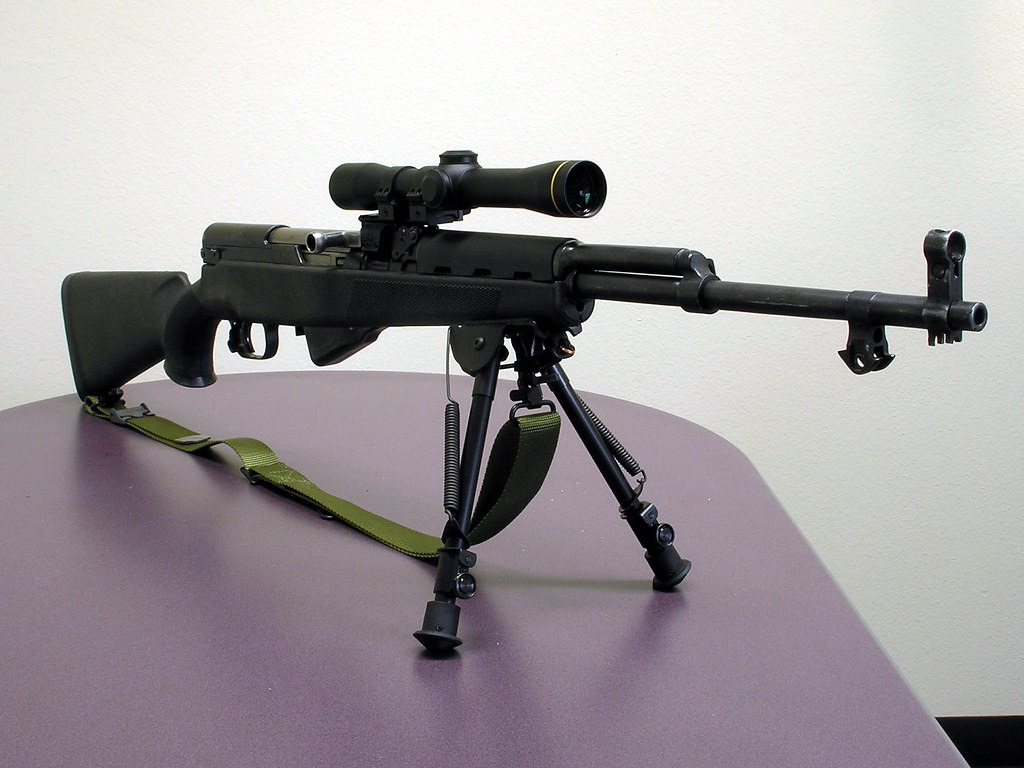
receiver/stock interface, support method, and optic mounting all influence whether the rifle returns to the same point of impact. Field accuracy is a full-system outcome. It combines a stable first shot, a bullet that matches the barrel, realistic support, disciplined trigger work, consistent ammunition, correct wind judgment, and a rifle that holds zero. That is why the most useful accuracy test is rarely the smallest bench group. It is the repeatable hit from a cold rifle, in an imperfect position, under ordinary field conditions.


