A service rifle does more than launch a cartridge. In American military history, each major rifle shift also changed how squads moved, how much ammunition a soldier could carry, and how much firepower could be generated before heavier support weapons entered the fight.
Some designs mattered because they solved a battlefield problem. Others mattered because they exposed one. Together, these six rifles trace a clear engineering story: from deliberate bolt-action marksmanship to portable, high-volume fire built for mobility, tighter terrain, and faster decision cycles.
1. Springfield M1903
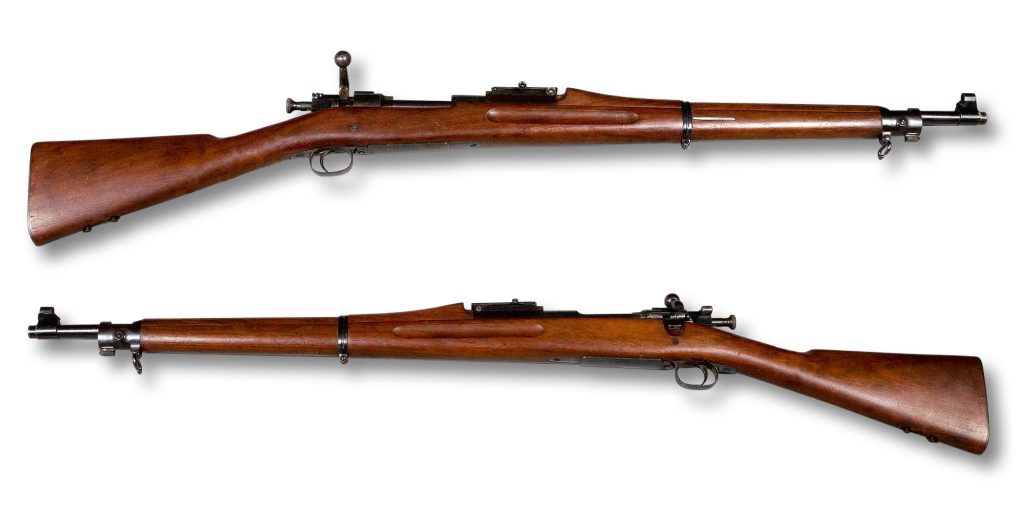
The M1903 emerged from a blunt lesson. After U.S. forces faced Spanish Mauser rifles in 1898, the Army moved away from the slower-loading Krag and adopted a stronger, clip-fed bolt action. The result was a rifle officially adopted in 1903 as the standard infantry rifle, built around a five-round internal magazine and eventually the .30-06 cartridge. Tactically, the M1903 reflected an era that still prized individual precision at distance. Its action was robust, its sights sophisticated for the time, and its accuracy excellent, but its manual cycling imposed a hard ceiling on practical rate of fire. That mattered. A soldier running the bolt had to break position, reacquire the target, and manage ammunition in five-round increments. The rifle was effective in skilled hands, yet it belonged to a doctrine shaped around deliberate shots rather than continuous suppressive fire. Even so, its strong receiver, reliable feeding, and long service life made it adaptable enough to remain useful later as a sniper and grenade-launching platform.
2. M1 Garand
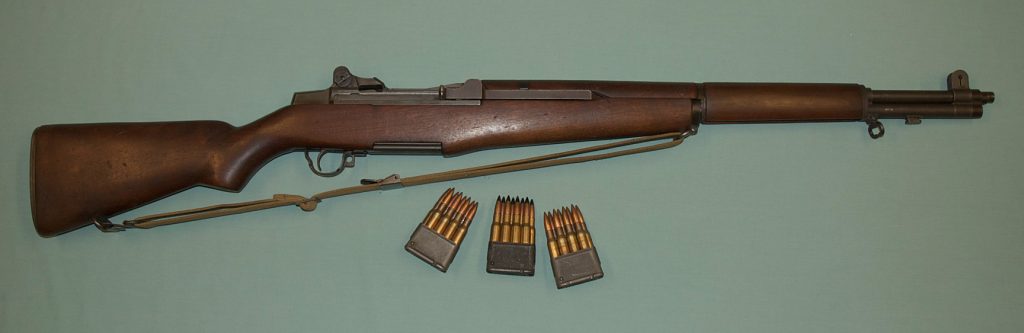
When the M1 Garand replaced the Springfield, the change was not cosmetic. It was a tactical reset. The rifle was officially adopted in 1936 and became the first semi-automatic rifle issued as standard equipment by a major military power. That single engineering leap transformed the infantryman’s tempo. An eight-round en-bloc clip and gas-operated action meant soldiers could fire repeatedly without working a bolt, stay on target longer, and deliver far more immediate fire than troops armed with contemporary bolt actions. General George S. Patton’s famous line called it “the greatest battle implement ever devised”. The larger implication was tactical rather than ceremonial: American riflemen could generate enough rapid fire to support movement more effectively, especially inside fire-and-maneuver doctrine. The Garand did not turn each soldier into a machine gunner, but it reduced the delay between shots enough to change what a squad could do in contact. It also set a powerful precedent. Once infantry had standard semi-automatic fire, returning to a slower rifle was no longer a serious option.
3. M1 Carbine
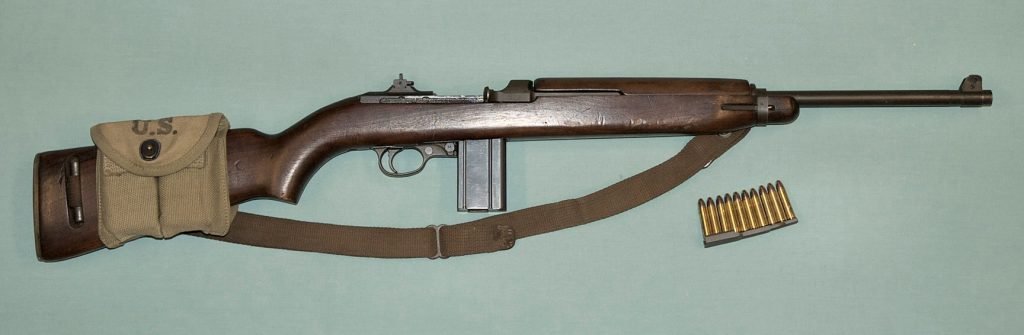
The M1 Carbine was not the main battle rifle of its era, yet it altered thinking about who needed a compact shoulder weapon and what mobility was worth. Designed for officers, support troops, and others who needed more reach than a pistol without the bulk of a full rifle, it paired light weight with a detachable 15-round magazine. Its tactical significance came from portability. At roughly five pounds in many configurations, it showed that a lighter, handier firearm could expand the number of troops carrying useful shoulder-fired arms. That mattered in vehicles, rear areas, and fast-moving operations where a full-length rifle was cumbersome. It also hinted at a future concept: not every battlefield problem needed a full-power cartridge and a long stock. The M1 Carbine did not become the universal infantry answer, but it helped normalize the idea that size, weight, and ammunition capacity could be as important as raw range. In that sense, it previewed the later move toward shorter rifles built for maneuver.
4. M14
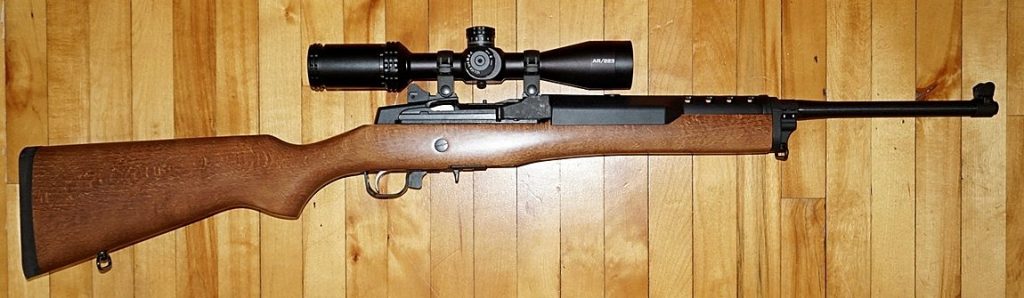
The M14 entered service as a descendant of the Garand rather than a clean break from it. It kept the power of a full-size rifle cartridge while adding a detachable 20-round magazine and selective-fire capability. On paper, it looked like a bridge between old and new. In practice, it revealed the limits of that bridge. The rifle still fired a powerful 7.62 NATO round, which preserved long-range performance but made automatic fire difficult to control.
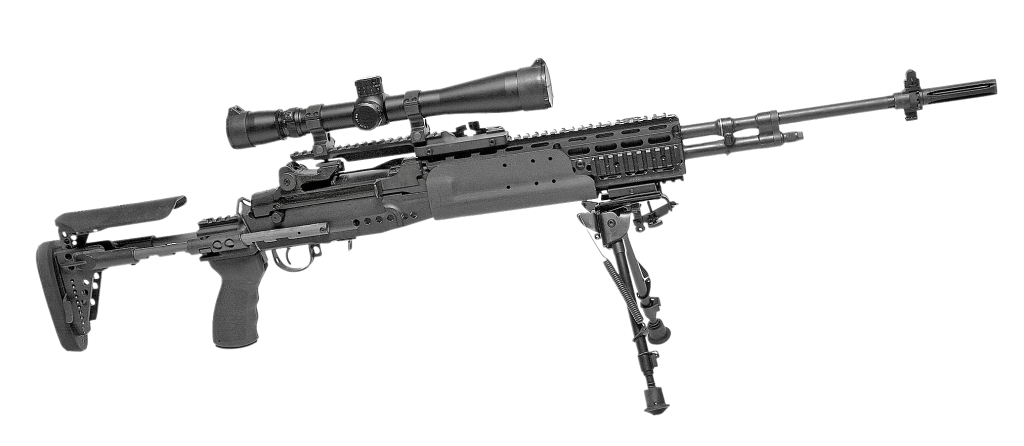
In dense terrain and short-range engagements, that power came with penalties in weight, recoil, and handling. The M14 therefore reshaped infantry tactics in a different way: it demonstrated that a traditional battle rifle, even a modernized one, was no longer the ideal answer for every environment. That lesson was especially important because it accelerated the American shift toward lighter ammunition and more compact rifles better suited to close, fast combat.
5. M16
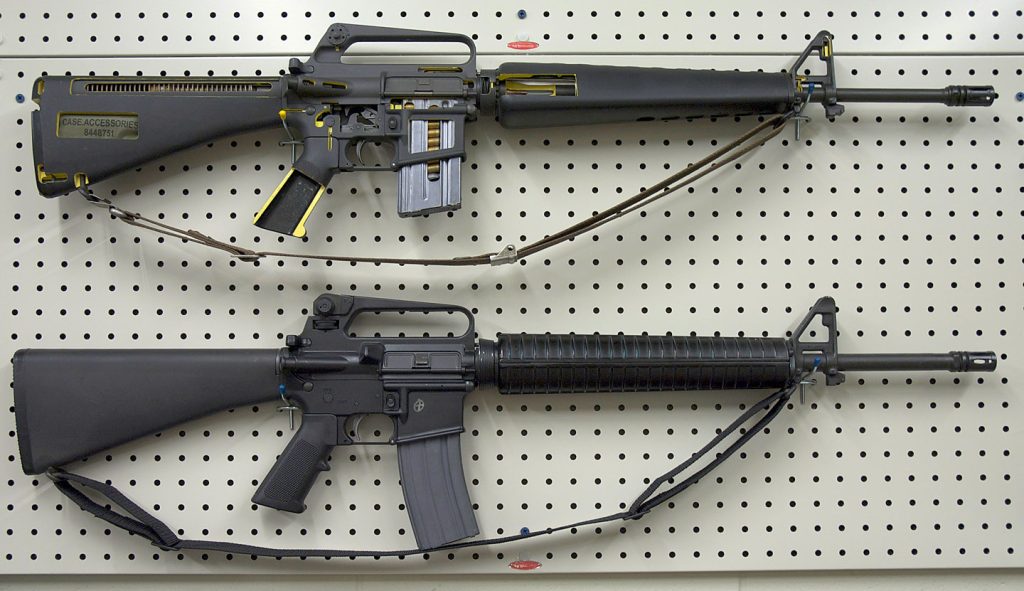
No U.S. service rifle changed the direction of infantry doctrine more dramatically than the M16. Derived from Eugene Stoner’s AR-15 design and adopted by the U.S. military in the 1960s, it traded wood and steel mass for aluminum, composites, and a small, high-velocity 5.56mm cartridge. The tactical effects were immediate and lasting. Soldiers could carry more ammunition for the same load, control the rifle more easily in rapid fire, and move faster with less weight.
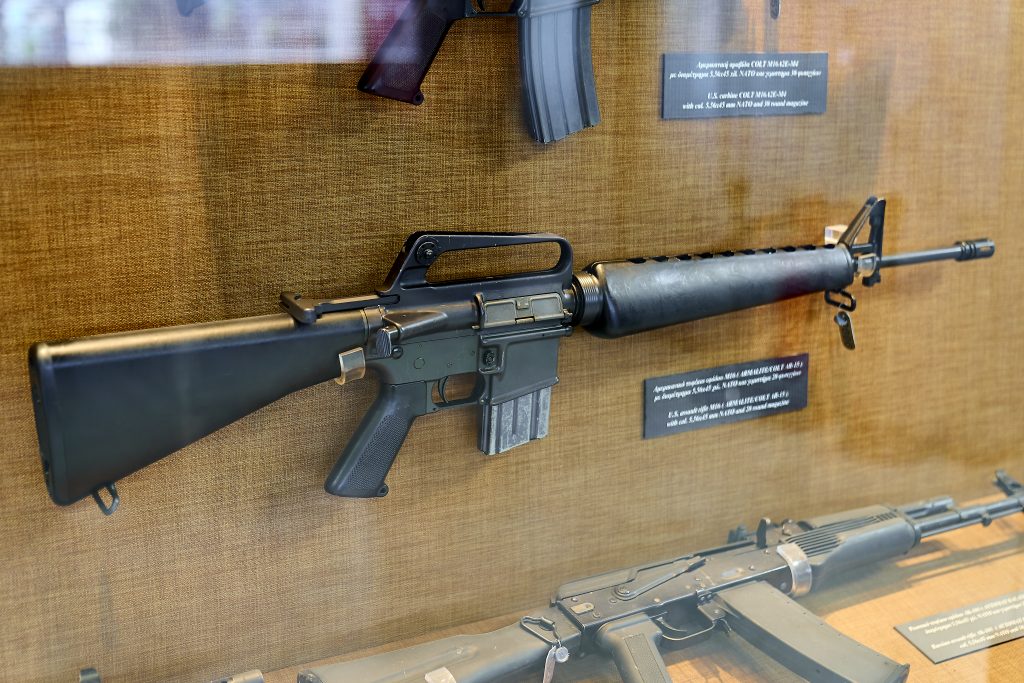
In close terrain, those gains mattered more than the long-range power preserved by the M14. Early fielding problems were severe, driven in part by ammunition and maintenance changes, but by 1969 the function of the M-16 was acceptable. Once matured, the platform supported a very different infantry rhythm: quicker engagements, faster target transitions, and more sustained individual fire without the burden of a full-power battle rifle. The M16 did not just replace the M14. It marked the United States’ full commitment to the assault-rifle concept.
6. M4 Carbine
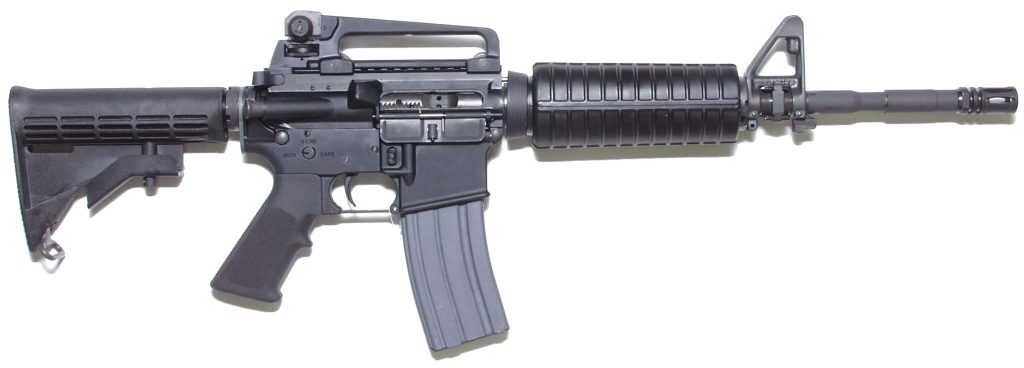
The M4 compressed the M16 family into a more maneuverable package. With a 14.5-inch barrel, collapsible stock, and broad parts commonality with the M16, it was engineered for troops operating in vehicles, urban spaces, and tighter engagement zones. It later became the primary service rifle for the United States Army. Its tactical impact was tied to environment. Modern infantry increasingly fought in streets, compounds, interiors, and around vehicles, where a full-length rifle could become awkward. The M4 gave up some barrel length to gain speed in confined spaces, and that trade aligned with how U.S. forces were actually operating. Optics, lights, lasers, and modular rails expanded its role further, turning the rifle into a flexible fighting system rather than a fixed-format weapon.

The M4 did not invent modularity, but it normalized it at scale. That changed infantry tactics by making the standard rifle adaptable to mission, terrain, and sighting technology in a way earlier generations could not match. Across these six rifles, the pattern is clear. U.S. infantry tactics moved from precision-focused bolt-action doctrine to semi-automatic volume, then toward lighter ammunition, shorter weapons, and modular carbines tailored to fast, close, and complex engagements. The rifles changed because warfare changed. Just as often, warfare changed because the rifle did.


