
Handgun “stopping power” survives because it sounds simple. A bigger bullet, a harder hit, a dramatic collapse. Real shootings and modern terminal-ballistics work do not support that tidy formula.
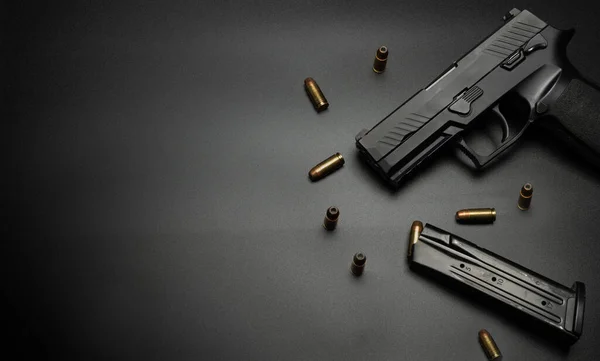
Across common defensive calibers, handguns remain limited tools. They work by putting a bullet deep enough into something vital, and that makes myths about caliber, energy, and instant effect fall apart fast.
1. Bigger caliber guarantees a faster stop
This is the oldest argument in handgun culture, and it keeps resurfacing because caliber is easy to see and easy to market. What it does not do is guarantee immediate incapacitation. Medical personnel cited in FBI ballistic research have reported that wound tracks from common service calibers can be difficult to distinguish, which undercuts the idea that one mainstream handgun round creates a decisively different result every time.
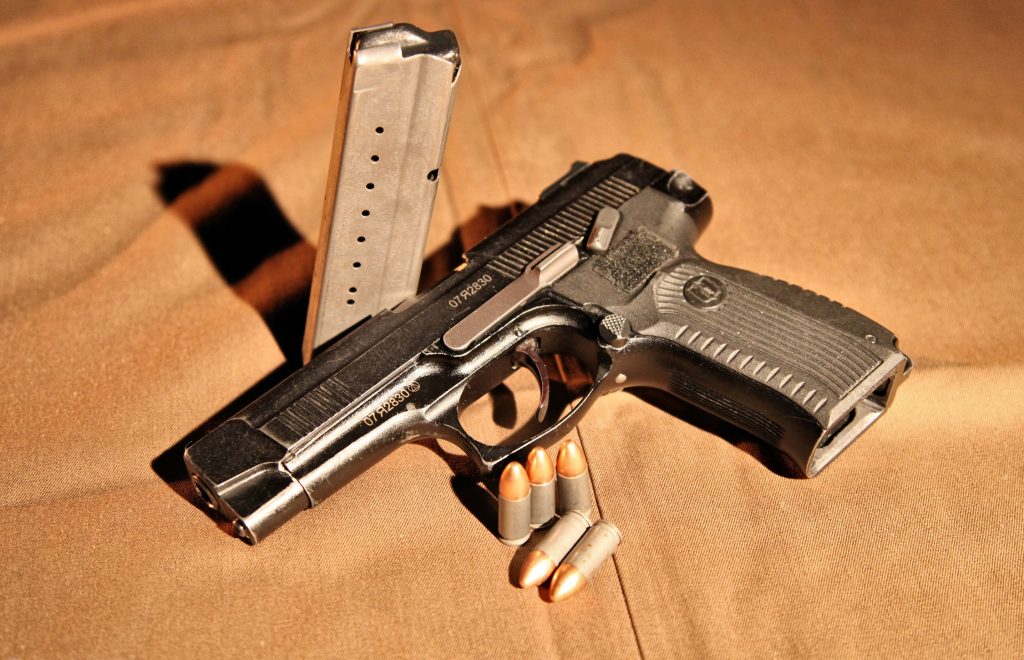
Gelatin data points the same way. Modern 9mm, .40 S&W, and .45 ACP loads can all produce useful penetration and expansion when bullet design is sound, but none of them becomes a physical “off switch.” The practical divider is whether the bullet reaches the heart, central nervous system, or major vessels. Shot placement and penetration remain more predictive than caliber alone.
2. Handguns have true knockdown power
Hollywood made this myth hard to kill. Physics does the opposite. A pistol bullet does not carry enough momentum to throw an adult backward. If it did, the same conservation-of-momentum problem would punish the shooter with comparable force. When a person drops immediately after being hit, that result is usually tied to central nervous system disruption or a psychological decision to stop, not to a mystical shove from the bullet itself.
This matters because it changes how handgun performance is understood. A bullet that misses vital structures can leave someone physically capable of continued action, even after a severe wound. Residual oxygen, stress hormones, and determination all extend that window. That is why defensive doctrine keeps circling back to accurate follow-up shots instead of faith in one dramatic hit.
3. Hollow points guarantee instant incapacitation
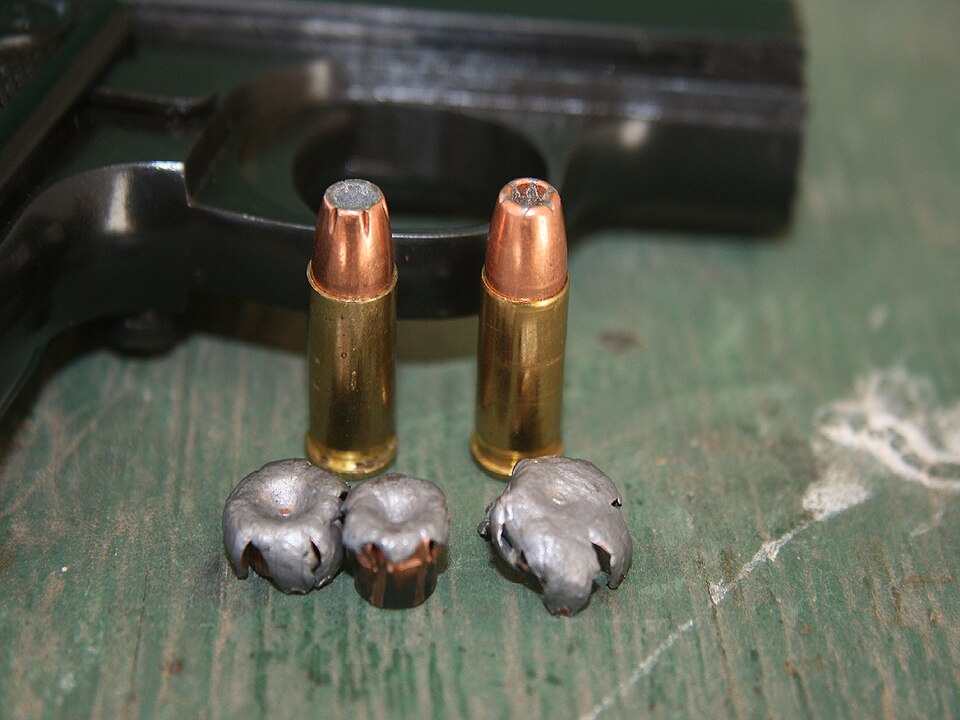
Modern hollow points are better than their older counterparts, but “better” is not the same as certain. Their job is to expand reliably while still penetrating deeply enough to damage essential structures. That benchmark is commonly tied to the 12-18 inch penetration range used as a reference in defensive-ammunition evaluation.
Even good hollow points can fail to expand if the cavity clogs with fabric. In heavy-clothing testing, some otherwise strong loads have shown partial or complete expansion failure, which can increase penetration well past the intended window. The bullet still makes a hole, but not always the hole the label promises. That is why calibrated gel and repeated shots matter more than advertising language.
4. Energy figures tell the real story
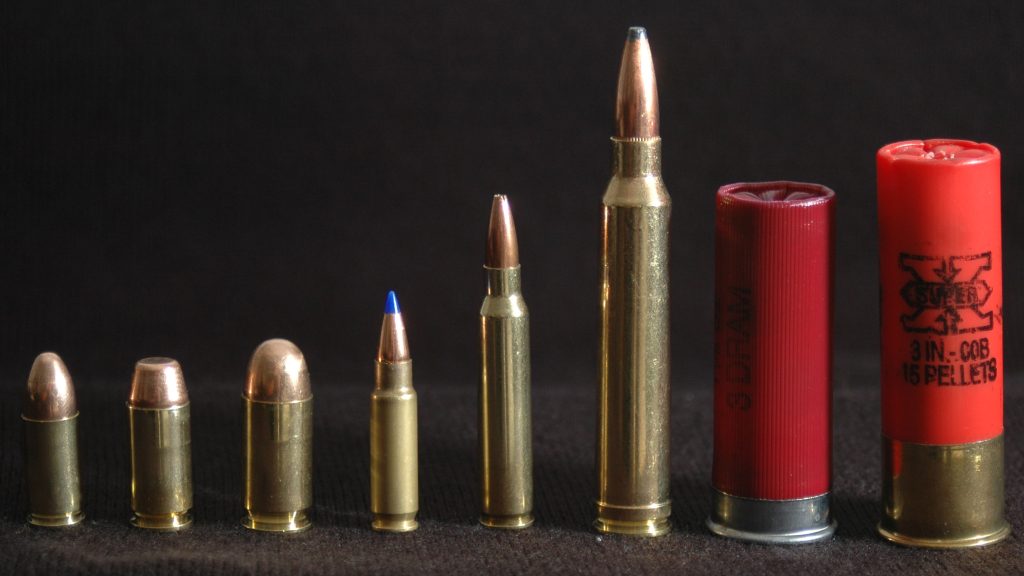
Muzzle energy gets attention because it is a clean number, but it is not how the FBI scores handgun ammunition. In fact, muzzle velocity, muzzle energy and momentum are ignored in the final protocol score. The emphasis falls instead on penetration consistency, expansion, and retained weight.
That scoring system reflects a blunt reality: handgun bullets do not create rifle-like trauma effects. They are evaluated on whether they can pass through realistic barriers and still penetrate enough to matter. Energy that does not translate into adequate depth or dependable bullet upset is not especially useful. A load with flashy numbers but shallow penetration can be less effective than a calmer load that reaches critical anatomy every time.

5. Ballistic gel is fake, so it says nothing useful
Ballistic gel is not a human body, and serious testers say that plainly. It does not reproduce bone, tendons, organs, or all the odd deflections found in living tissue. What it does offer is a repeatable medium for comparing ammunition under controlled conditions. That repeatability is why properly prepared 10% ordnance gelatin remains central to duty-ammo testing.
Calibration standards, temperature control, fixed distances, and defined barriers make results comparable from one load to the next. As one 2026 industry overview notes, ballistic gel remains the gold standard because it balances realism, repeatability, and objectivity better than water jugs, steel plates, or novelty targets. It cannot predict every real-world outcome, but it can expose weak penetration, inconsistent expansion, and unreliable bullet construction.

6. One perfect shot matters more than controllable shooting
The romance of stopping power often turns caliber choice into a search for the single hardest hit. Real defensive shooting pushes in a different direction. Stress erodes precision, angles distort anatomy, and attackers do not stand square like paper targets. A bullet may need to pass through an arm, heavy clothing, or oblique tissue before reaching anything vital.
That is why manageable recoil and repeatable hits matter so much. A more powerful handgun that slows follow-up shots or disrupts accuracy can erase the theoretical advantage of a larger cartridge. The practical standard is not the most powerful handgun on paper, but the most powerful one the shooter can run well enough to place multiple rounds where they count.
Real shootings reduce the stopping-power debate to a smaller set of truths. There is no magic caliber, no knockdown effect, and no bullet that compensates for poor hits. What holds up under testing is less glamorous: adequate penetration, reliable expansion, and the ability to deliver accurate shots under pressure. Those are not myths, and they do not collapse when reality starts moving.


