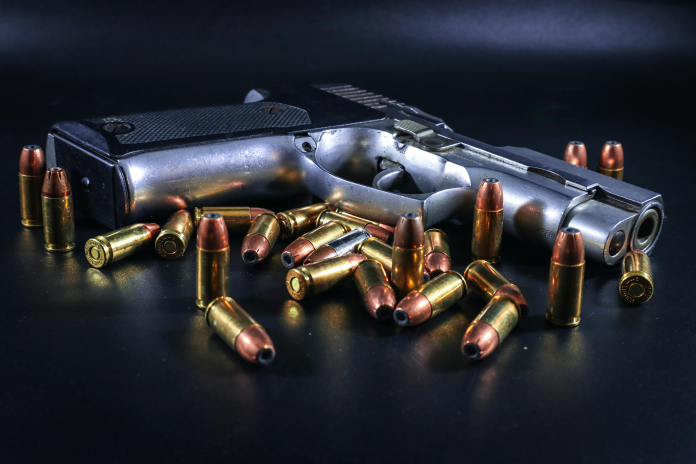
Polymer sidearms dominate modern service inventories, but metal-framed pistols never disappeared from serious use. In specialized roles, older steel-and-alloy handguns still offer traits that matter: recoil control, predictable handling, mature support gear, and decades of armorer knowledge.
That staying power is less about nostalgia than repeatable performance. These five handguns remain relevant because their engineering solved problems that have not gone away, especially when reliability, controllability, and institutional familiarity still shape sidearm choices.
1. SIG Sauer P226
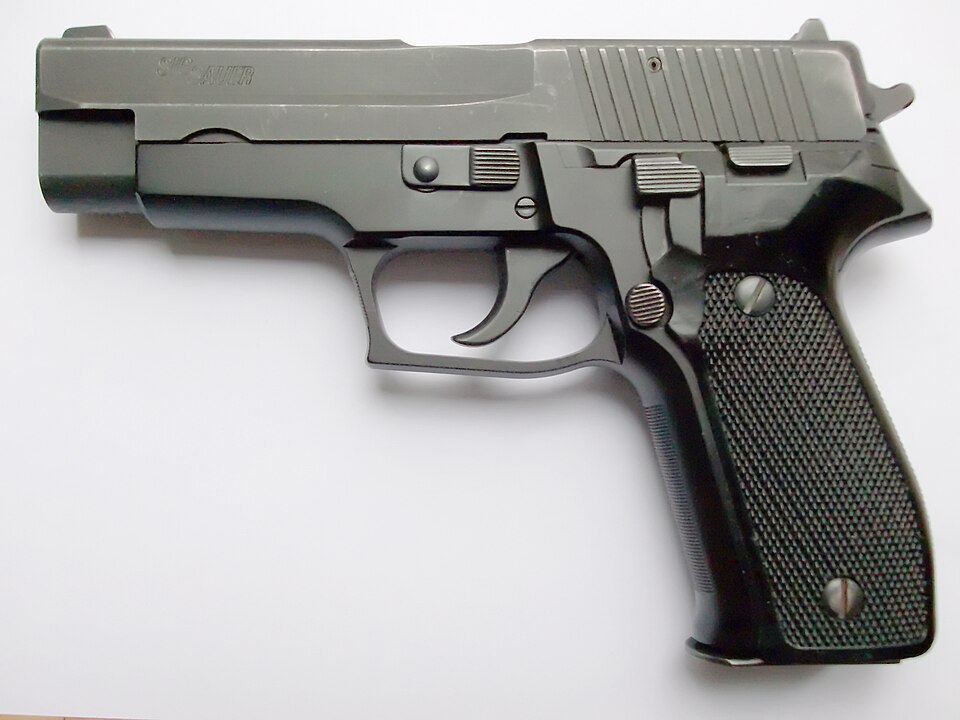
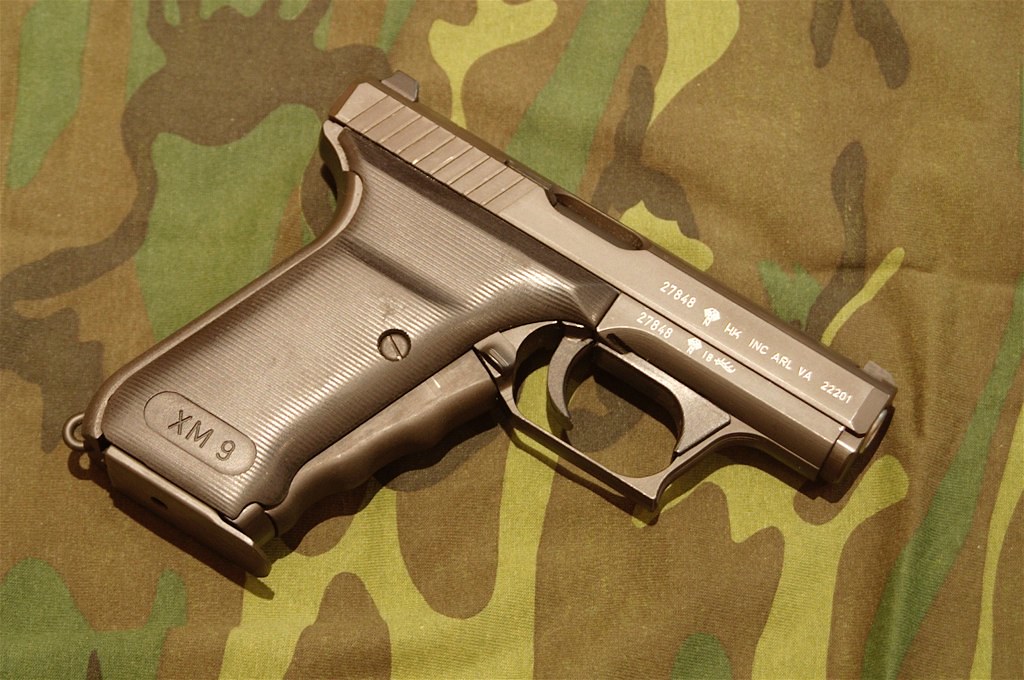
The P226 remains one of the clearest examples of an alloy-framed pistol that earned long-term confidence through hard service. Developed for the XM9 trials, it built its reputation on a DA/SA operating system, a robust locking design, and handling that stays calm during rapid fire. Its mass and full-size layout help keep the gun settled, which is a major reason many shooters still describe it as unusually easy to run well under pressure.
Its continued relevance also comes from environment tolerance and ecosystem depth. The platform has a long record of use in maritime and wet conditions, and later variants added rails and night sights to keep pace with contemporary requirements. In the special-operations world, a pistol rarely stands alone; holsters, lights, spare parts, and training habits matter just as much. The P226 benefits from all of that accumulated support, along with use by Israeli special forces units that reinforces its broader service footprint. Its controllability remains the core attraction.
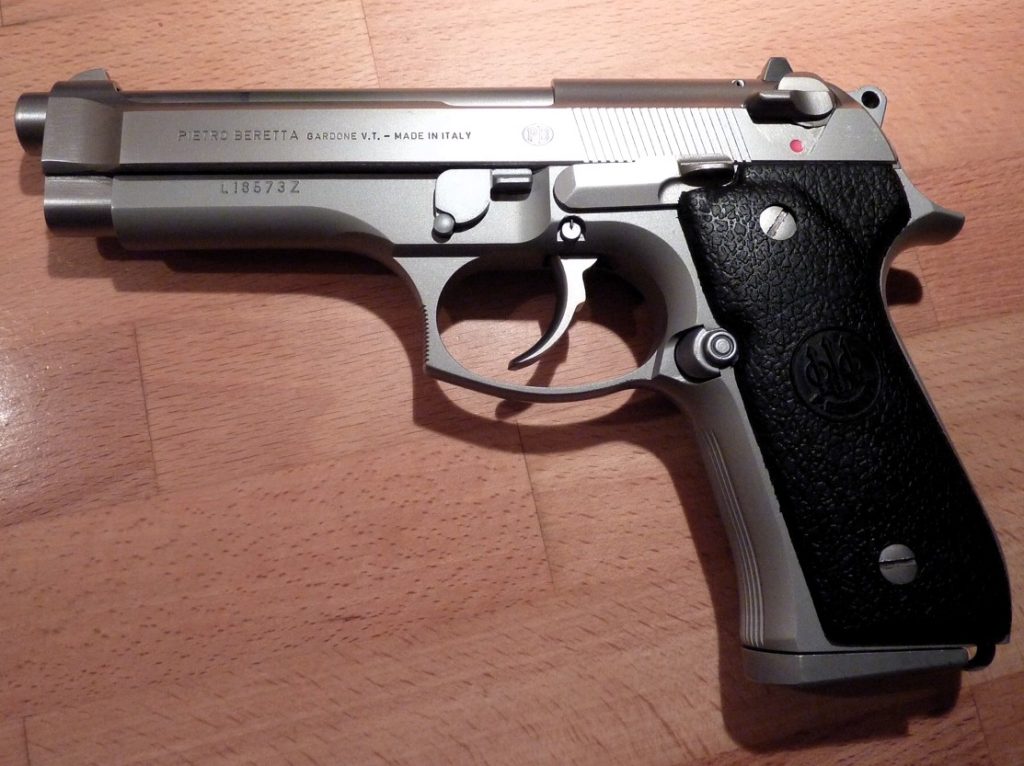
2. Beretta 92/M9
The Beretta 92 family stayed in the spotlight longer than many service pistols ever do. Adopted by the U.S. military in 1985, the M9 paired an aluminum frame with a high-capacity 9mm magazine, an open-slide design, and a slide-mounted safety/decocker. That formula gave users a sidearm that was easy to shoot, mechanically distinctive, and widely recognizable across decades of service.
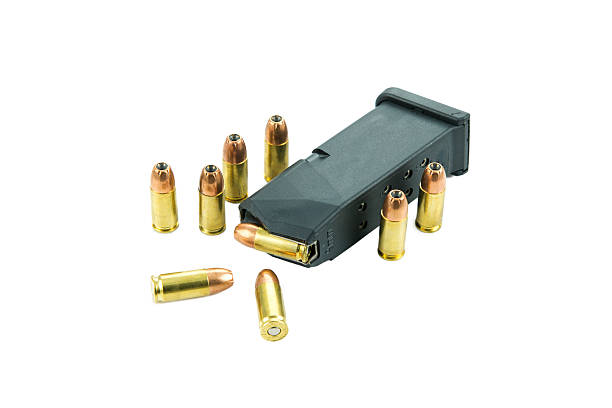
Its path was not perfectly smooth, but its engineering story is one reason it still matters. Early slide failures led to a redesign that used an enlarged hammer pin to prevent the slide from traveling rearward if a break occurred, a detail that turned a controversy into a case study in practical improvement. The pistol also gained a reputation for soft recoil and dependable function once magazine issues and ammunition variables were sorted out. Beretta’s own lineage matters here too: the 92 series began in 1975, and the M9 evolved from that family before the last M9 rolled off the assembly line in 2021. More than three decades of U.S. service gave the platform unusually deep institutional knowledge, which is one reason it remains respected even after replacement by newer pistols.
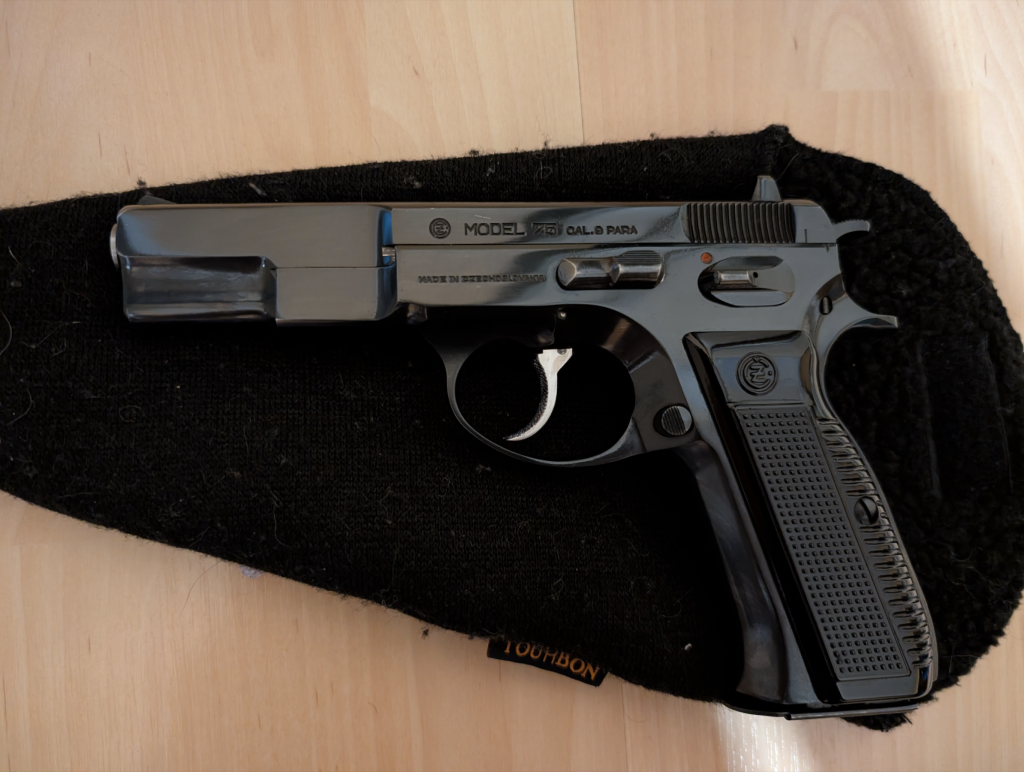
3. CZ 75
The CZ 75 became influential because it solved shootability in a very direct way. Its all-steel construction, internal slide rails, and low-sitting slide produce a planted feel that many shooters still find exceptional. The gun tracks smoothly, and its grip shape helped establish the pistol as one of the most naturally pointable service handguns of its era.
Its impact spread far beyond its country of origin. Because Cold War politics limited patent protection, the CZ 75 pattern was widely copied, adapted, and studied. That broad imitation is one of the strongest indicators of how right the original design was. The pistol’s DA/SA setup also remains relevant in organizations that still value a heavier first trigger press followed by lighter subsequent shots as a deliberate handling choice. Nearly 50 years after its debut, the CZ 75 still represents the steel-frame balance of accuracy, durability, and recoil control that many newer designs continue to chase.
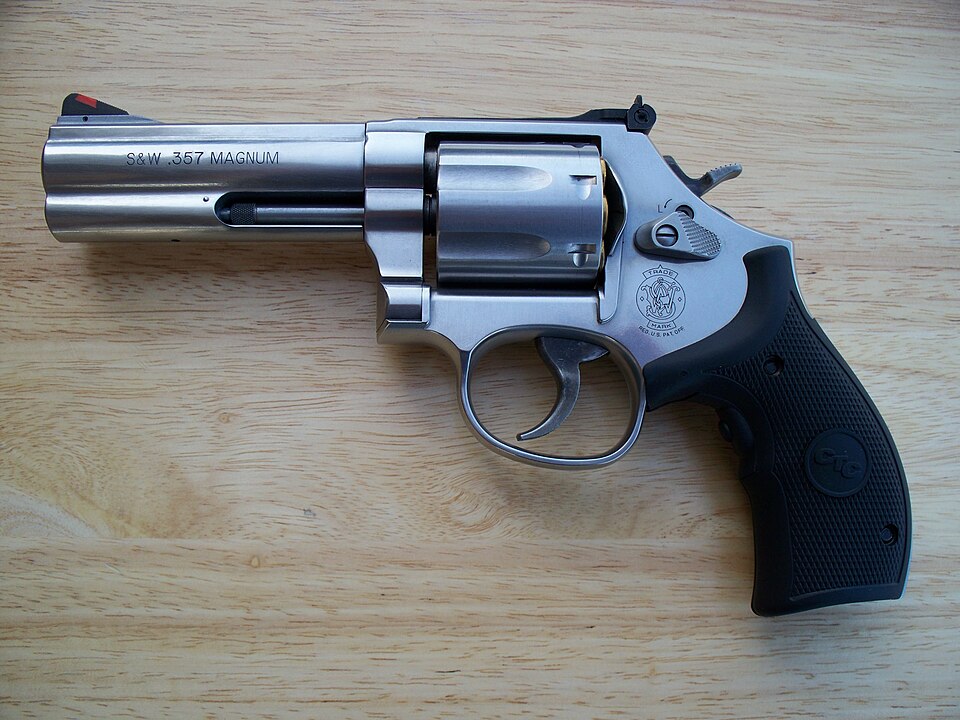
4. Smith & Wesson Model 686
The Model 686 stands apart because it proves that elite trust is not limited to semi-automatics. Built on Smith & Wesson’s L-Frame and chambered for .357 Magnum, the stainless revolver was designed to handle heavy use while maintaining the smooth action and accuracy that made double-action revolvers formidable fighting tools for decades.
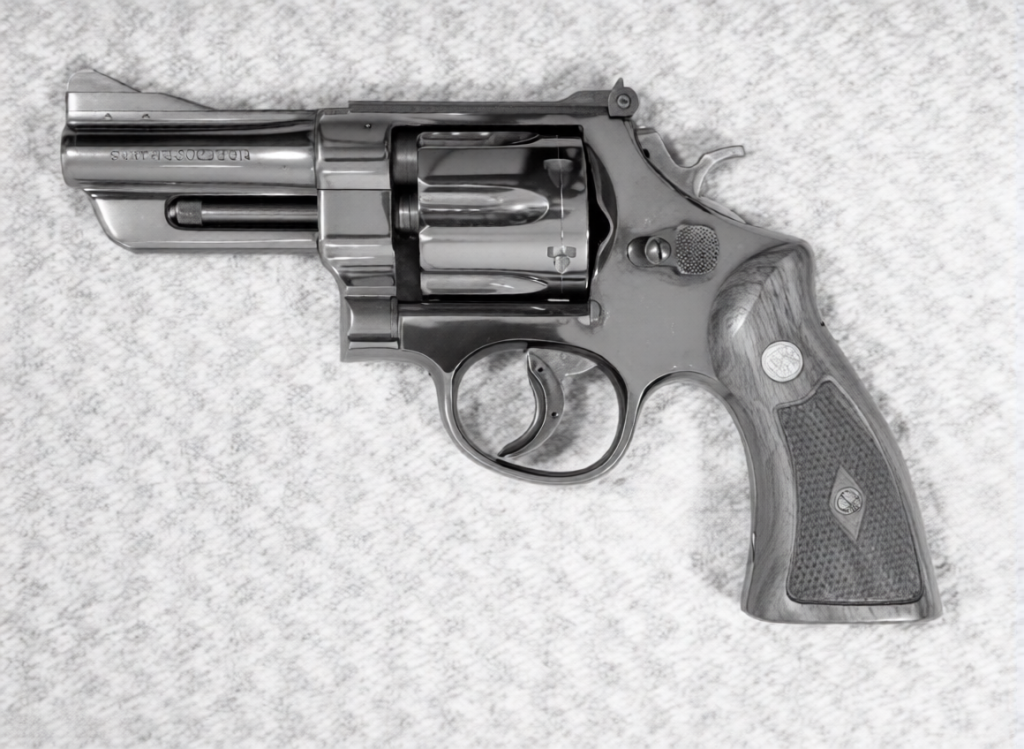
It remains relevant for one simple reason: mechanical honesty. A well-maintained 686 offers a strong trigger, straightforward manual of arms, and durability that has kept older examples running for decades. Its weight helps absorb recoil, and its stainless-steel construction supports long service in harsh conditions. Capacity is limited by modern standards, but that was never the point of the design. The 686 survives in serious conversations because it delivers predictable double-action performance and a reputation for longevity that many newer handguns have not had enough time to match.
5. Browning Hi-Power
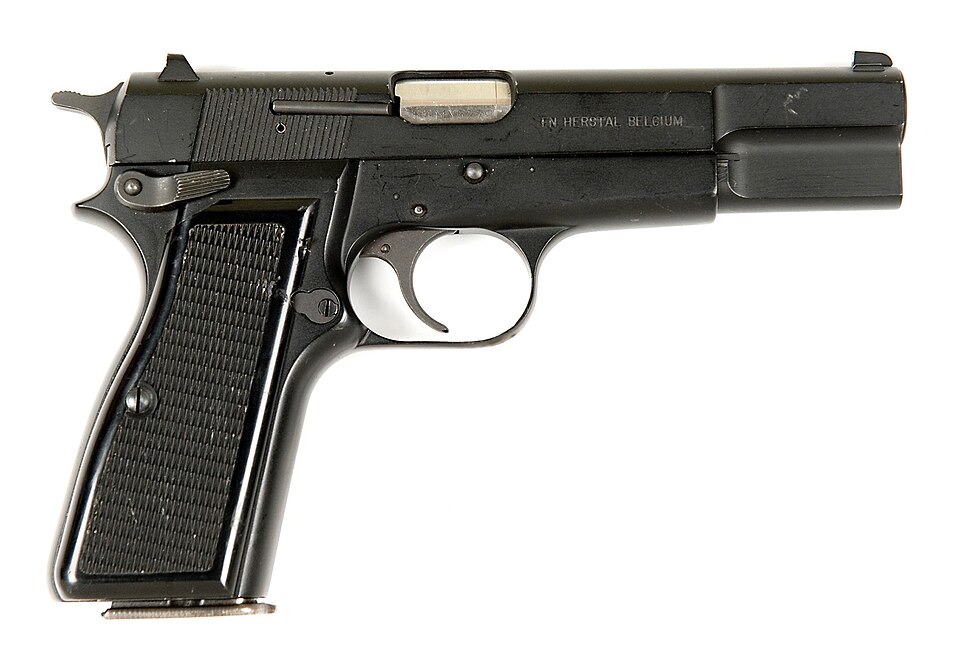
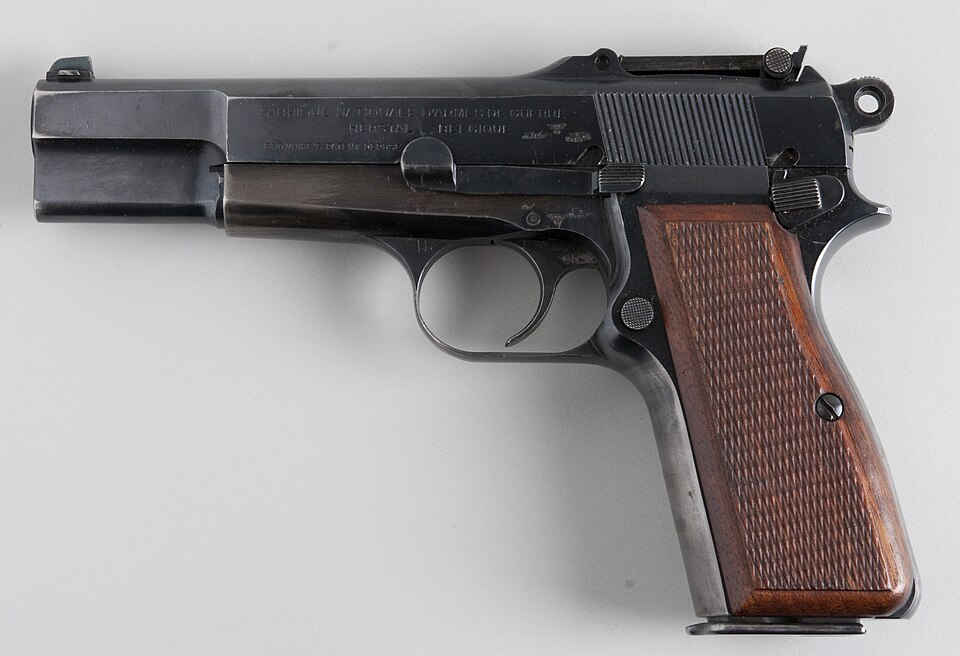
The Hi-Power does not always appear in current service discussions, but its long connection to military and special-unit use makes it impossible to ignore in any conversation about classic metal sidearms. It combined a slim steel frame, excellent pointing characteristics, and double-stack capacity at a time when that combination was still a major advance.
Its biggest strength was always how naturally it fit the hand. That quality gave the pistol a fast, intuitive feel that serious users valued for first-shot placement and controlled follow-up shots. It also carried flatter than many full-size steel pistols, which helped it remain practical long after newer designs arrived. The platform has limits by modern standards, especially in trigger consistency across variants and the need for disciplined upkeep, but its historical endurance speaks clearly. The Hi-Power remains a benchmark for how much ergonomics and shootability can matter when a sidearm is judged by trained hands rather than trend cycles.
What links these pistols is not age alone. Each combines durable materials with handling traits that remain useful when fast, accountable hits matter more than fashion. That is why metal handguns still occupy armories, training inventories, and specialist roles in 2026. Predictable recoil behavior, established maintenance routines, and trusted accessory ecosystems continue to give certain legacy designs a place in a world that otherwise moved to lighter frames.


