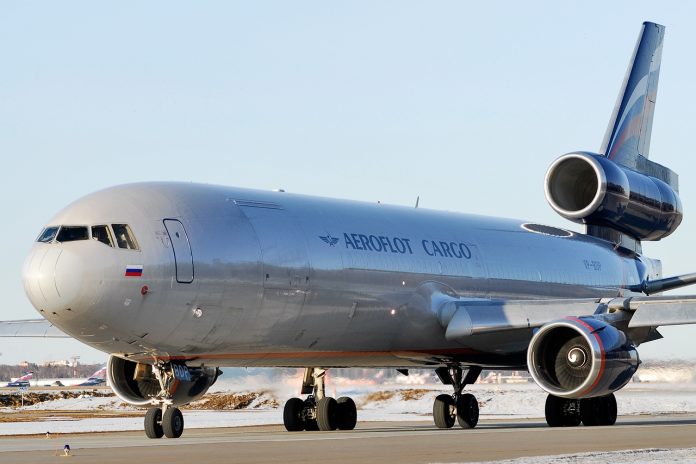
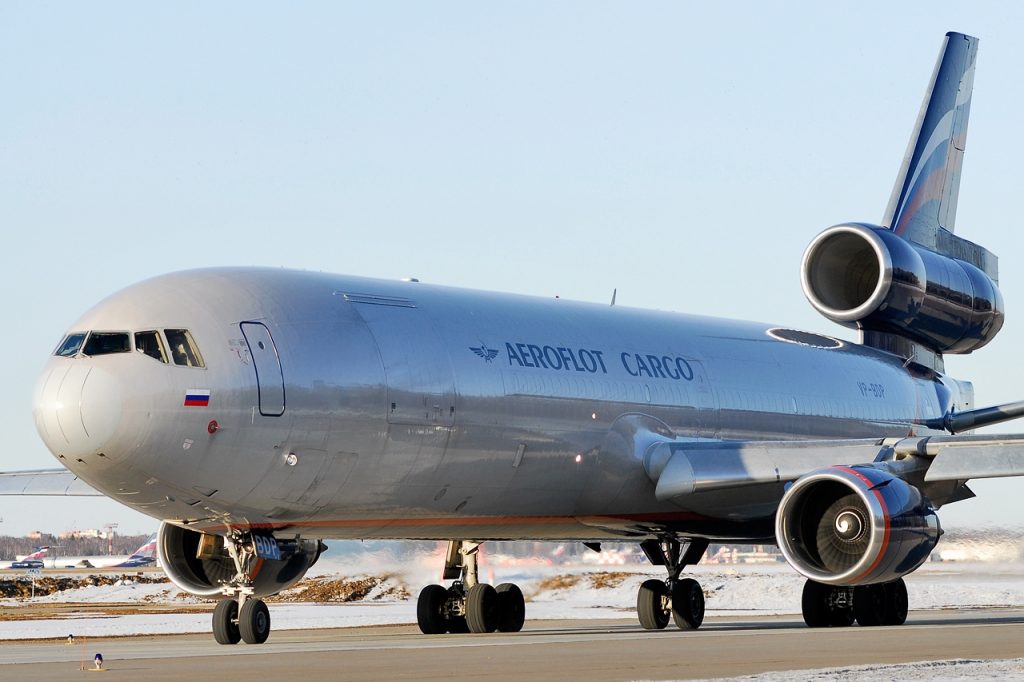
A cargo jet accident can expose far more than a single point of failure. In the Louisville MD-11 disaster, investigators have been tracing a chain that runs through engine attachment hardware, aging freighter structures, inspection practice, and the long operational life of a type that has nearly vanished from frontline service.
The result is not just an accident file. It is a concentrated look at how legacy airframes, mature engines, and maintenance decision-making intersect when margins narrow at the worst possible moment.
1. The engine mount, not just the engine, became a central focus
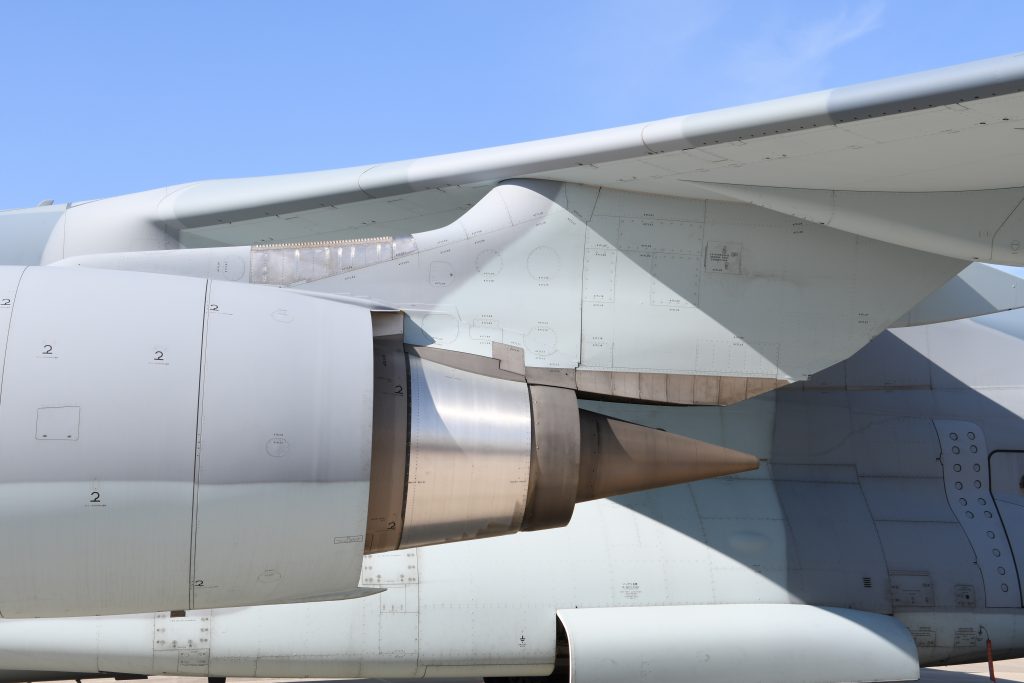
Early attention centered on the separated left engine, but the deeper engineering issue moved quickly to the structure that held it to the wing. Investigators later identified a 3-inch-wide metal housing around a bearing in the engine mount assembly that showed fatigue and cracking. That detail matters because an engine separation event is not always rooted inside the turbine itself; the failure path can begin in the attachment system that transfers thrust, drag, and vibratory loads into the wing. Fatigue cracking in a load-bearing mount component shifts the discussion from a single dramatic breakup to a slower structural progression. It also explains why metallurgical analysis and fracture mapping are so important in this case.
2. A known flaw had already appeared on other MD-11s
The Louisville investigation took on broader significance when it emerged that similar failures had been seen before. According to investigators cited in a 2011 Boeing service letter, the same part had failed on four occasions across three MD-11 aircraft. Boeing reportedly recommended visual inspection at five-year intervals and identified a revised bearing assembly, but the change was not mandatory. That history turns the crash into a case study in how service information, operator compliance, and risk classification interact. When a manufacturer determines that a recurring structural issue does not create an immediate “safety of flight condition,” the practical result can be a lower sense of urgency around hardware that still carries essential loads.
3. Heavy maintenance before the flight became impossible to ignore
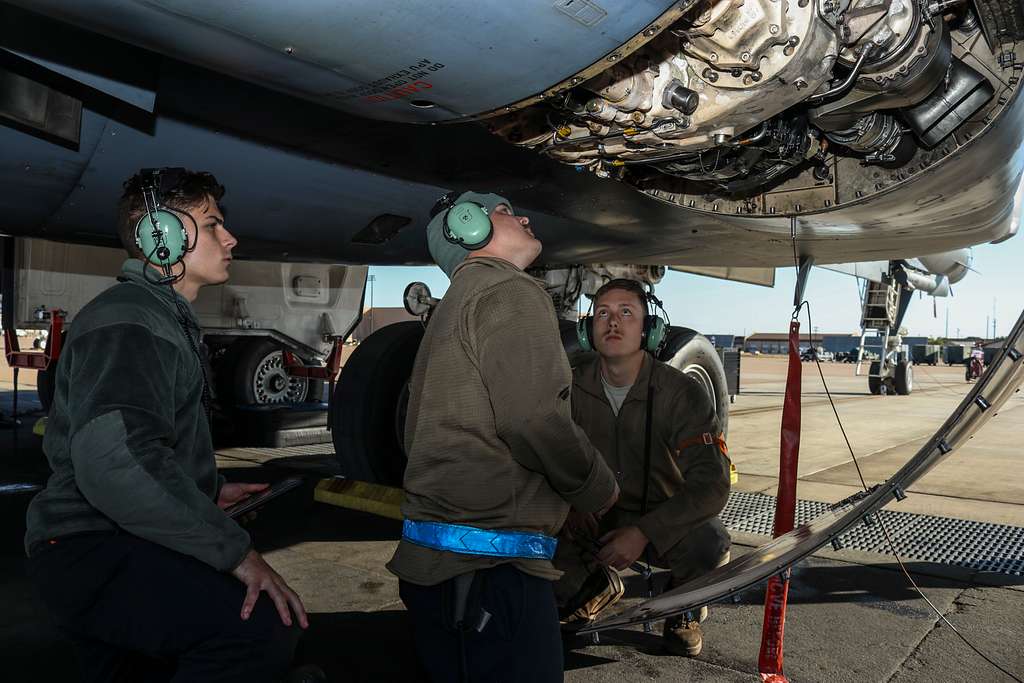
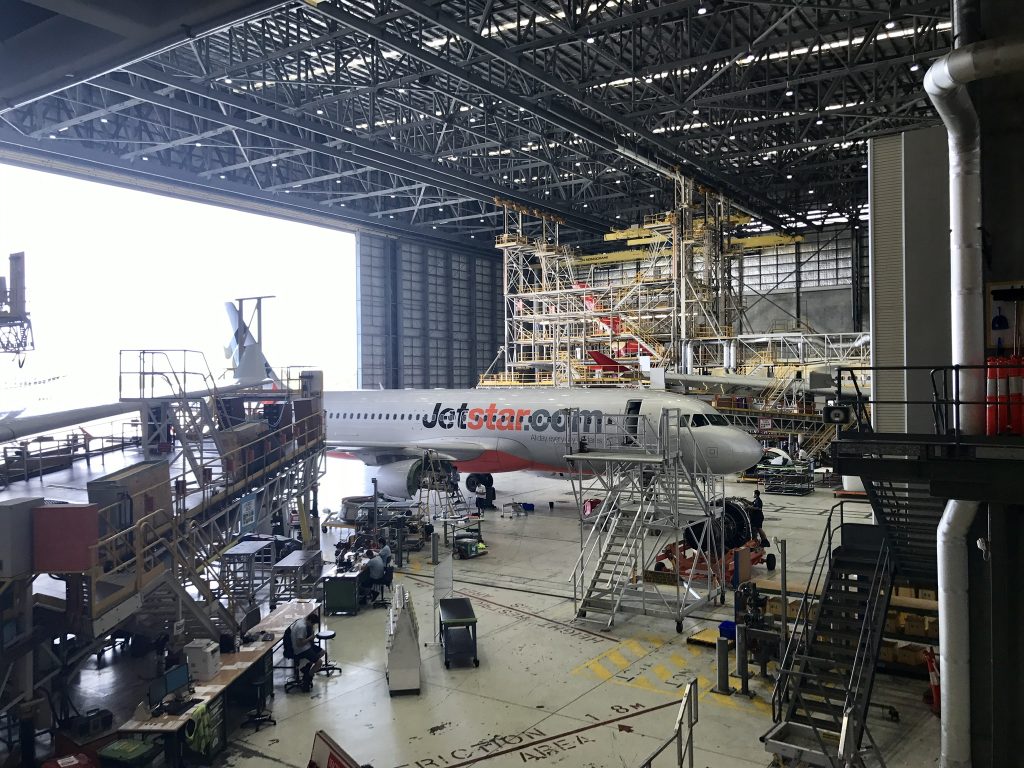
The aircraft had spent weeks in San Antonio for heavy maintenance before returning to service. That alone does not imply causation, but it gives investigators a defined window for examining inspection signoffs, removed parts, reinstallation work, torque records, and pylon-area procedures. In a failure involving engine separation, that paper trail is as important as the debris field. Mary Schiavo summarized the maintenance question clearly: “What exactly was done to the aircraft, who did it, what parts were replaced, what procedures were followed, and who inspected the work.”
4. The CF6 engine family adds another layer of scrutiny
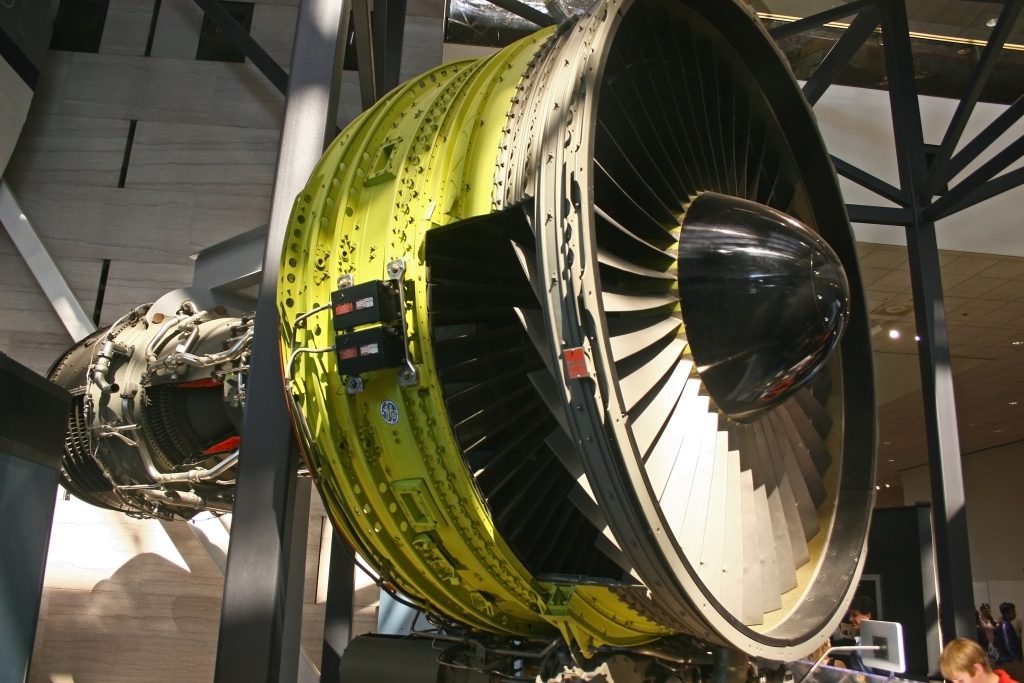
The MD-11F uses General Electric CF6 engines, one of the most established large turbofan families in service. The engine line also carries a long operational history, which means investigators can compare the Louisville evidence against prior uncontained failures, fire events, and manufacturing or maintenance findings across multiple aircraft types. One reference point is that more than 8,500 engines have been delivered across the CF6 family. Scale cuts both ways. A mature engine with a broad service record provides investigators with a large comparison set, but it also means recurring failure modes can hide inside an otherwise strong reliability reputation if they appear only under specific maintenance, age, or stress conditions.
5. The MD-11’s age and cargo role changed the risk picture
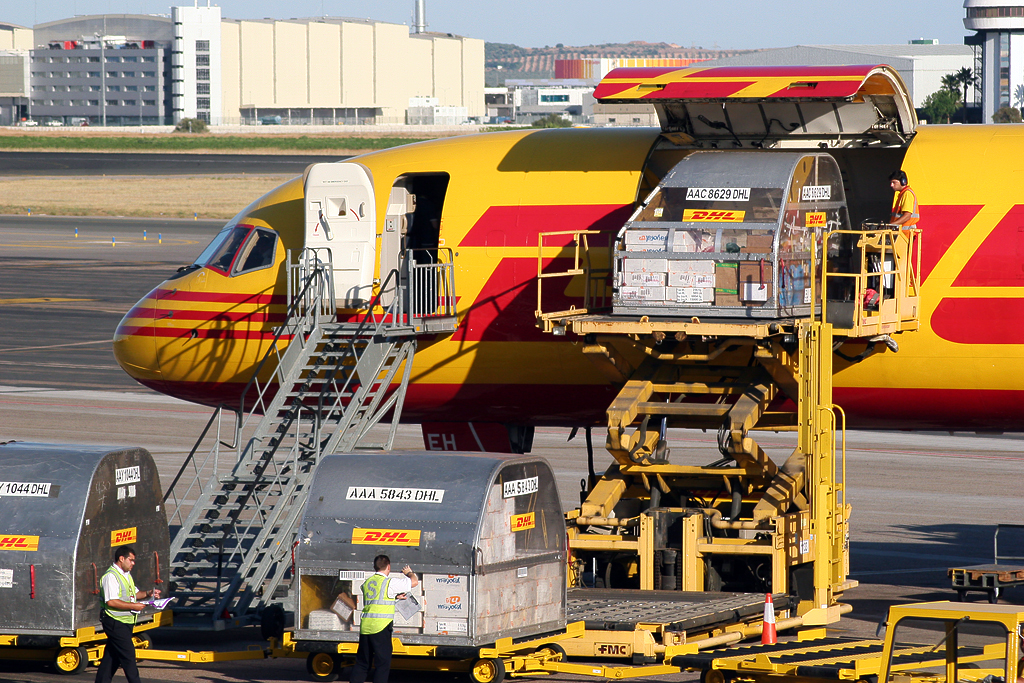
The MD-11 entered service in 1990 and ended production in 2001. What remains today is overwhelmingly a freighter story: aircraft built for cargo or converted after passenger careers ended. That matters because freighters often stay in service longer, accumulate repeated structural cycles, and work dense night schedules built around hub operations. Fleet attrition has been sharp. One recent industry snapshot placed roughly 86 MD-11 aircraft with operators in some form, while noting that most are stored rather than active. The active population is small, aging, and increasingly exceptional, which makes every serious structural event more consequential for the remaining fleet.

6. The type already carried a complicated safety legacy
The Louisville accident did not occur in a vacuum. The MD-11 has long been associated with a narrower handling envelope in some phases of flight, especially landing, and the type’s accident history has kept it under closer scrutiny than many other widebodies of its era. The Aviation Safety Network database shows a long record of MD-11 incidents and major losses across passenger and cargo operations.
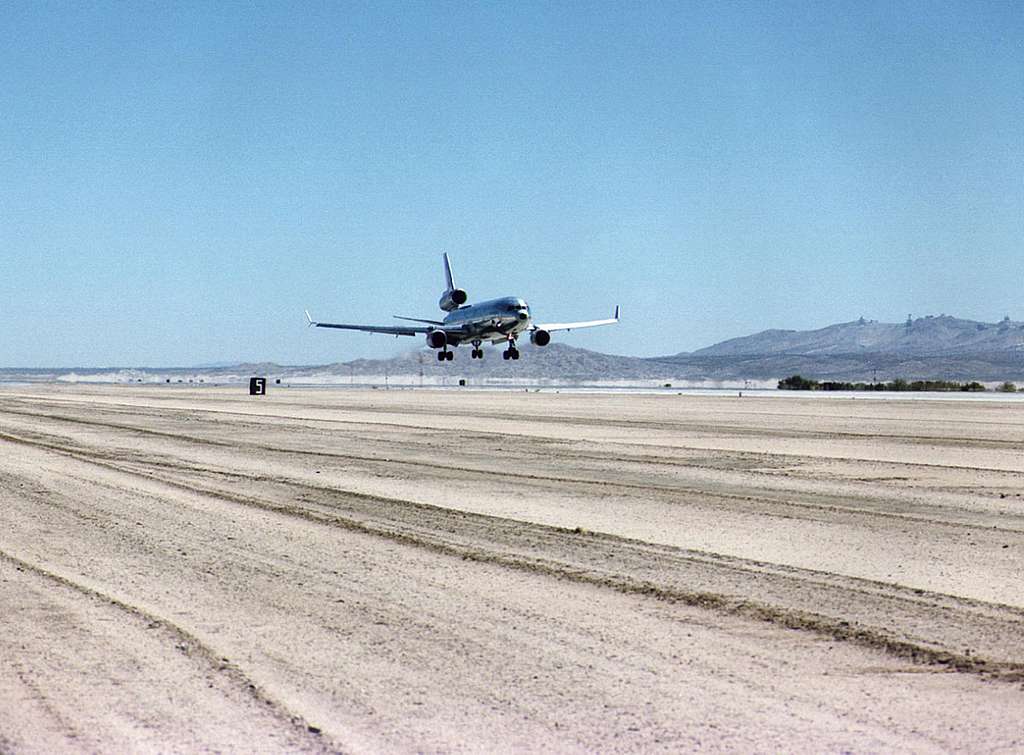
That background does not make this crash a handling case. It does, however, explain why the aircraft type draws immediate attention whenever a structural or control-related failure appears. A model with a complex safety legacy does not get the benefit of abstraction; every new event is examined in the context of accumulated lessons.
7. The investigation could reshape inspection philosophy for aging freighters
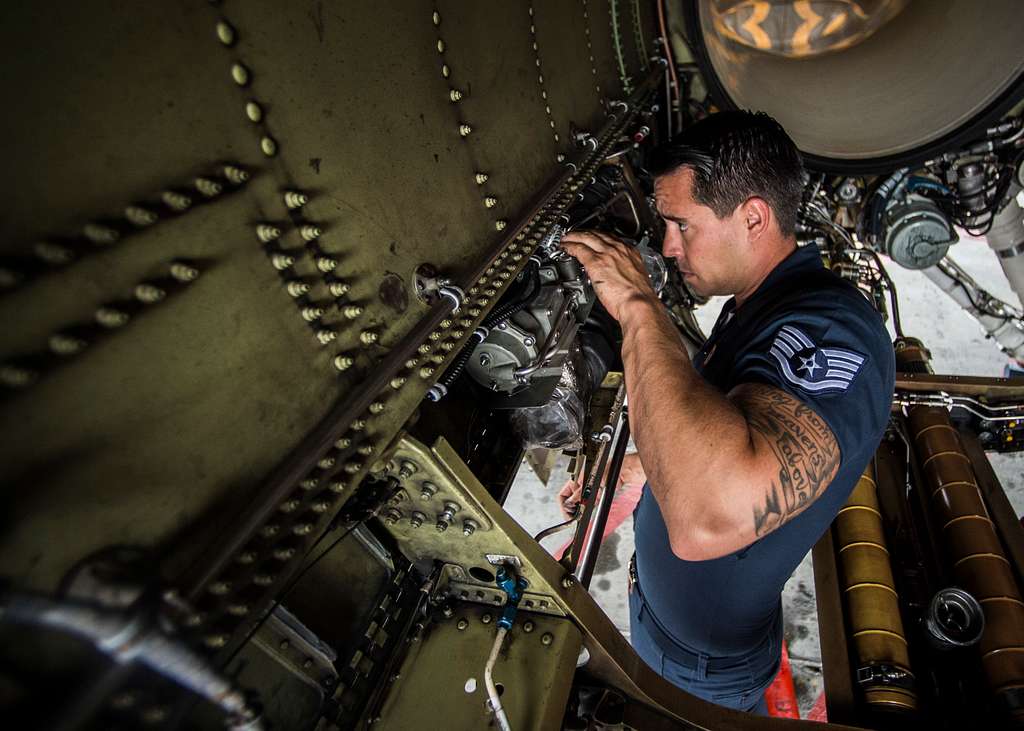
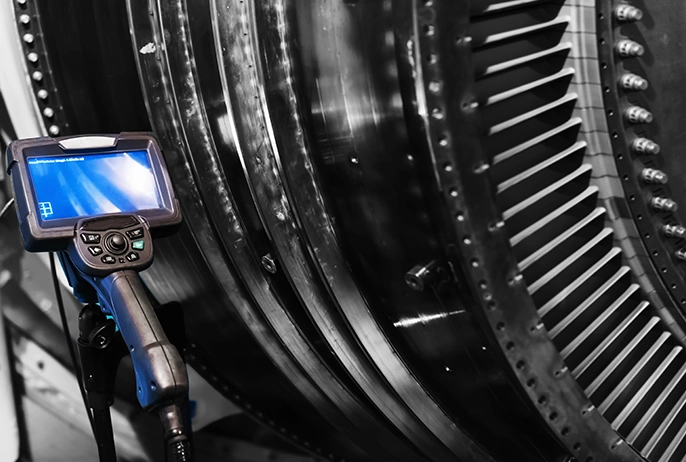
Louisville is emerging as more than an inquiry into one broken assembly. It is becoming a test of whether visual inspections, standard intervals, and existing service guidance were adequate for an older freighter fleet operating under sustained commercial pressure. If fatigue in a critical mount component advanced far enough to allow engine separation, then the issue is not only the failed part but the surveillance method that was expected to catch it. That is the larger engineering tension. Legacy cargo aircraft can remain highly useful, but only if inspection regimes evolve with age, usage, and known weak points rather than simply following inherited schedules.
The MD-11’s long cargo afterlife gave operators a capable high-payload platform. The Louisville crash shows the other side of that equation: once fleets shrink and airframes age, structural details that once seemed manageable can become the decisive factor.For aviation engineers, the central lesson is already visible. In older freighters, the most critical component may be the one that rarely gets public attention until it fails.


