A carrier strike group is built to look untouchable. It travels with escorts, aircraft, layered sensors, and enough firepower to dominate huge stretches of ocean.
Yet exercise after exercise has shown the same uncomfortable truth: a quiet submarine does not need to sink a carrier to change the fight. It only needs to get close enough, stay hidden long enough, and force a simulated shot.
1. The French drill that exposed the problem clearly
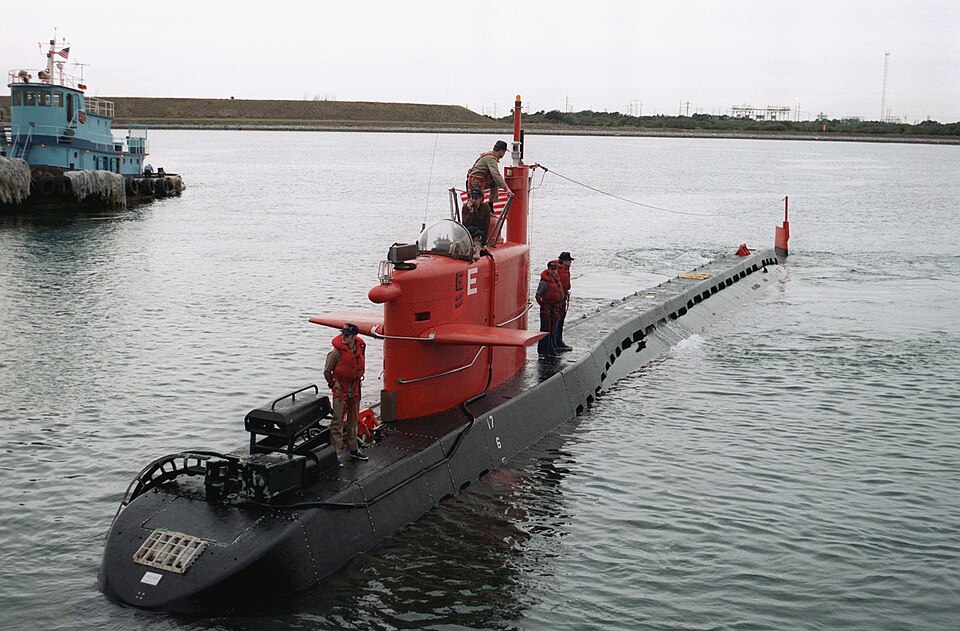
In 2015, the French nuclear attack submarine Saphir took part in an exercise with USS Theodore Roosevelt and, under the rules of the drill, achieved a simulated kill after slipping through the carrier group’s defenses undetected. That result mattered because the Rubis-class boat was not a futuristic design. It came from an older generation of submarines, which made the lesson harder to dismiss. A smaller allied boat had shown that even a protected supercarrier could still be tracked and targeted when undersea detection failed at the wrong moment.
2. Sweden’s Gotland made quiet propulsion impossible to ignore
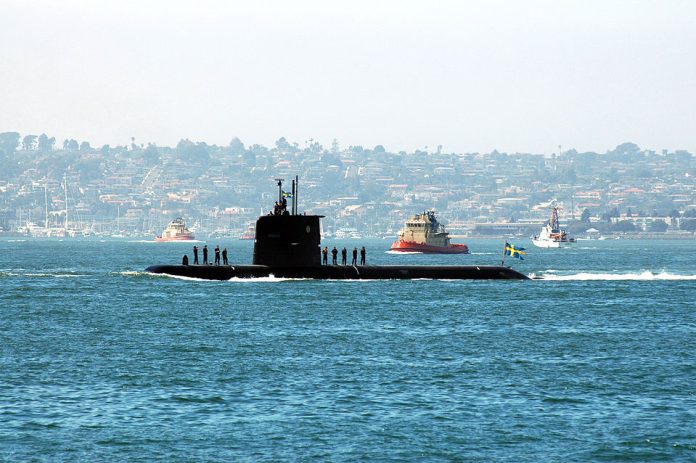
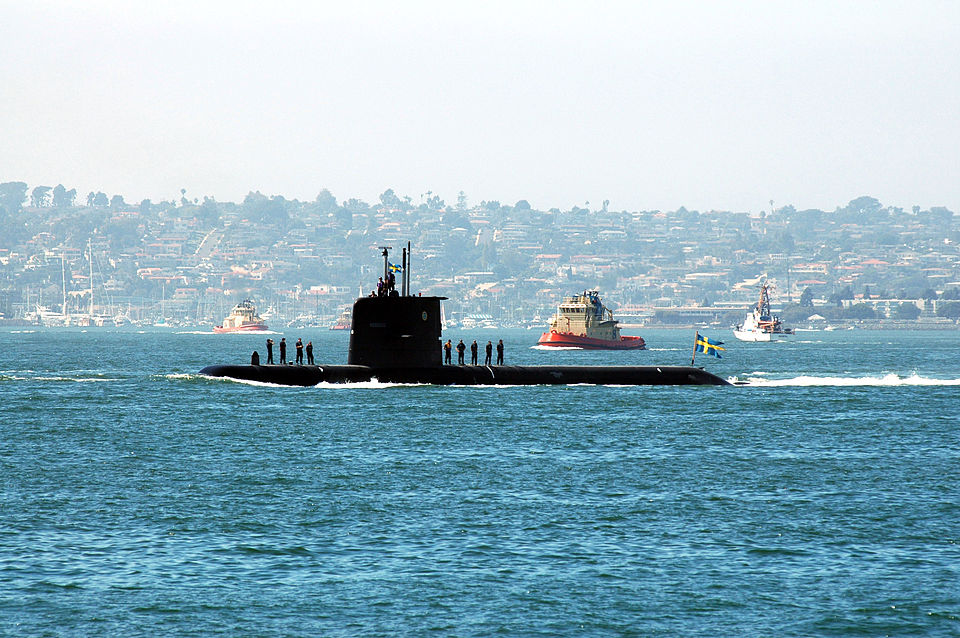
The 2005 exercises involving Sweden’s Gotland-class submarine became one of the most cited case studies in modern anti-submarine warfare. The boat used air-independent propulsion and battery-silent operation to become exceptionally hard to find in the noisy, cluttered environment where sonar performance is never perfect. During one widely discussed drill, the Gotland simulated a strike on USS Ronald Reagan. That did not prove carriers were obsolete. It proved the old Cold War habit of optimizing for loud, fast submarines left gaps against quieter conventional boats.
3. Germany and Australia showed this was never a one-off
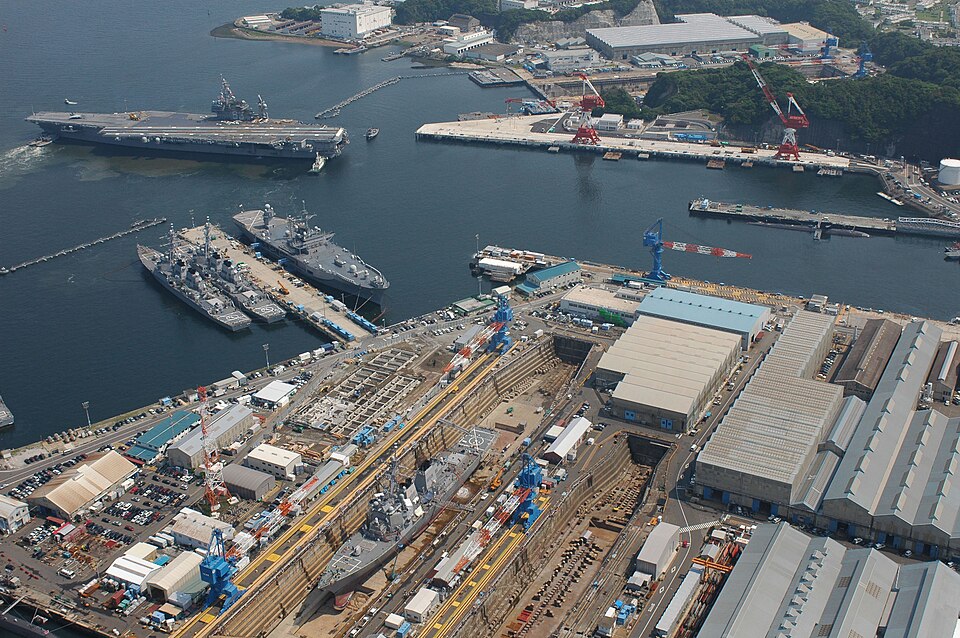
The pattern stretches well beyond a single navy or a single decade. A German Type 206 submarine got close enough to the USS Enterprise during an exercise to signal its presence after penetrating the screen. Australian Collins-class submarines also produced similar results against U.S. naval forces during major drills in the Pacific.
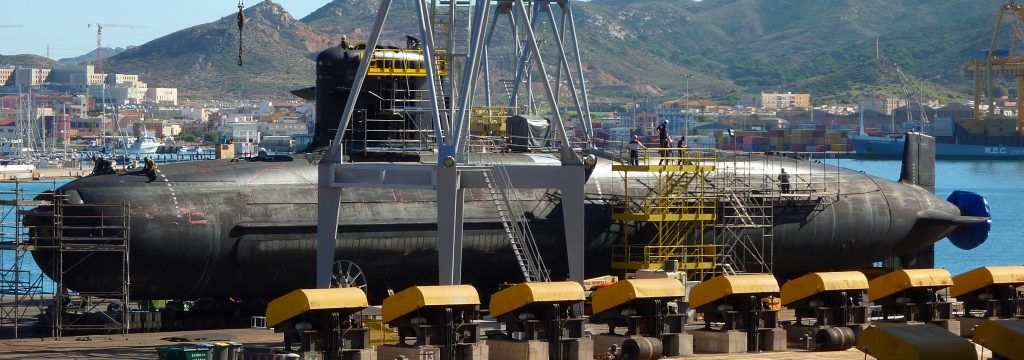
These episodes gave the same warning in different waters: a well-handled diesel-electric submarine can exploit blind spots in escort formations, aircraft coverage, and sonar geometry. That consistency is the real headline.
4. Carriers are most vulnerable where they matter most
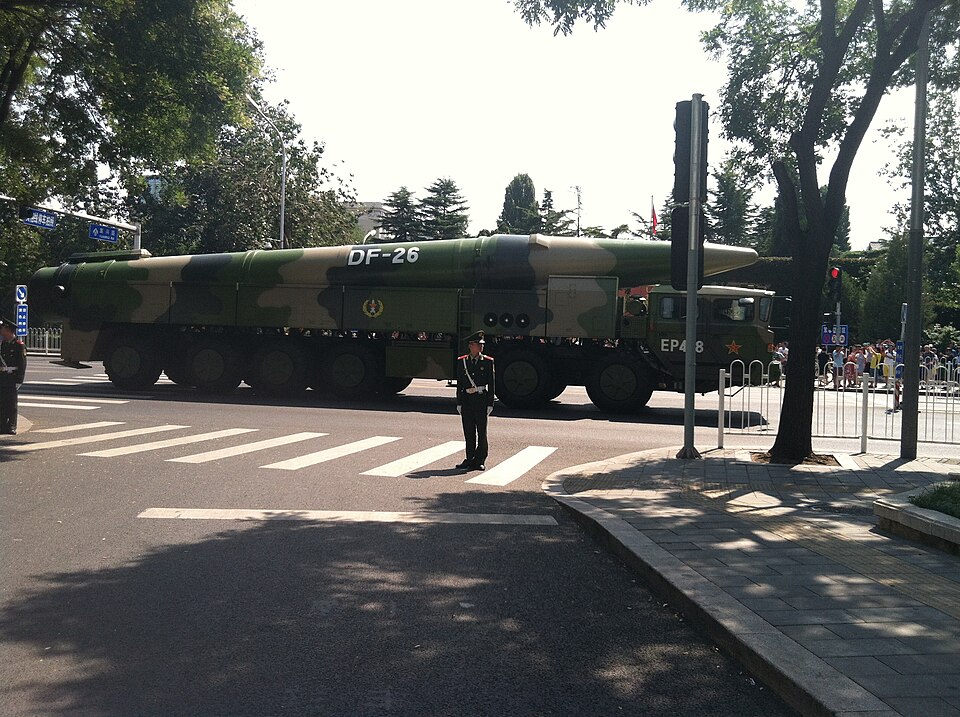
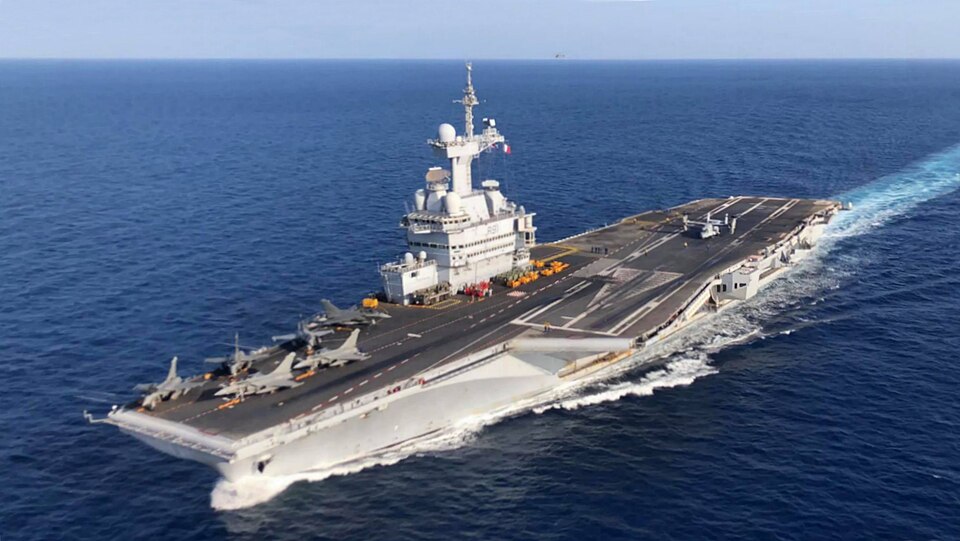
The central issue is not always whether a carrier can be sunk outright. Its real combat value sits on the flight deck, in the ability to launch, recover, refuel, rearm, and cycle aircraft. If a torpedo, cruise missile, or ballistic missile disables flight operations, the ship’s strategic role is sharply reduced even if the hull survives. That logic also explains why so much attention has shifted toward long-range anti-ship systems such as the DF-21D and DF-26B missile families, which are designed to hold carriers at risk far from shore.
5. New threats are stacking on top of the submarine problem
Submarines are no longer the only complication in the carrier equation. Unmanned underwater vehicles, long-range surveillance networks, swarming drones, and hypersonic weapons all add pressure to defenses that were already demanding to operate. Reference analyses have noted that unmanned underwater vehicles are harder to detect and counter for surface ships, especially in tighter waters.
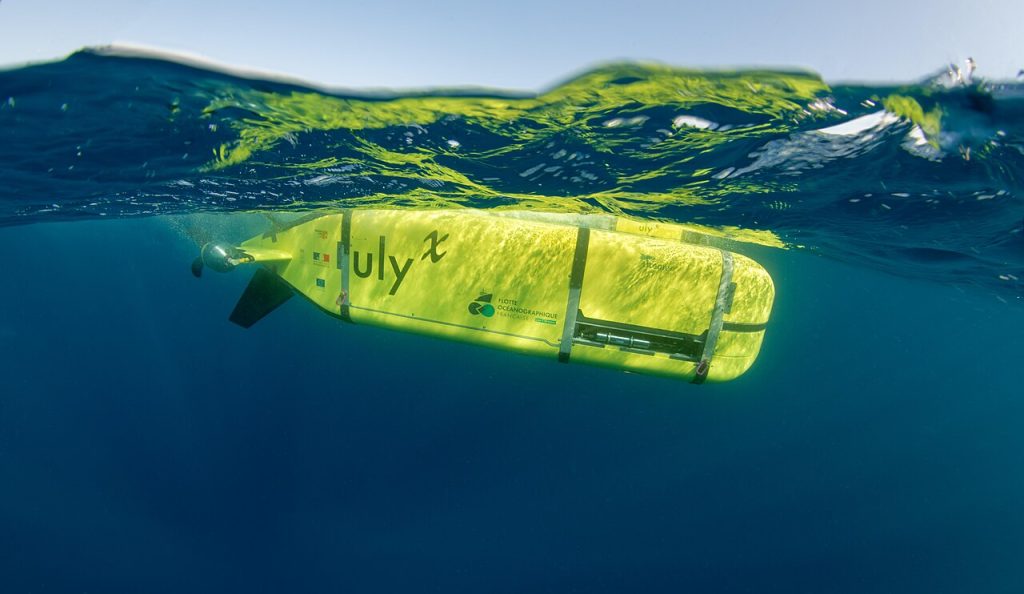
That matters because carrier groups do not fight one threat at a time anymore. A submarine slipping into position while missiles and drones complicate the defensive picture is a far more serious challenge than the classic one-on-one duel.
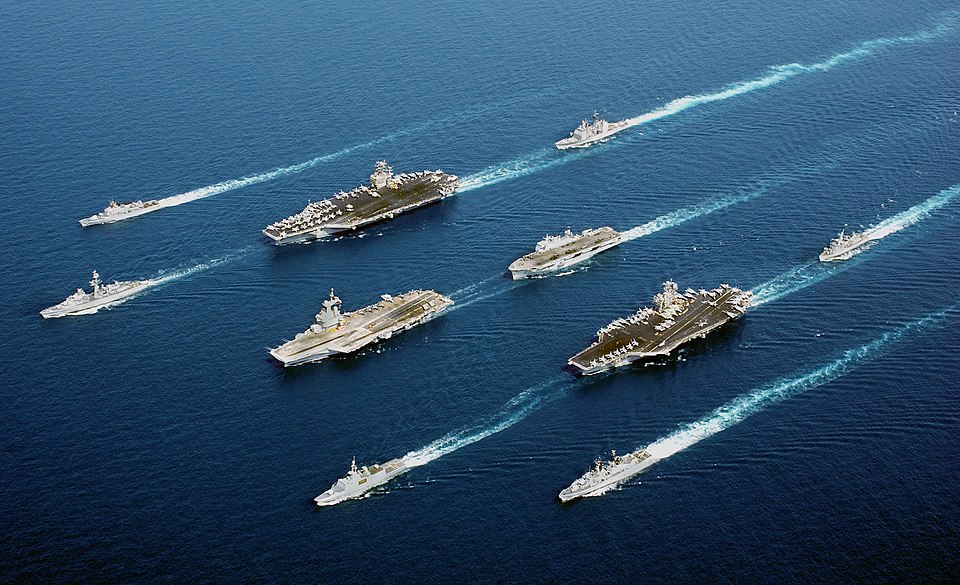
6. The debate is no longer carrier or submarine
Naval history has moved in cycles between the dominance of carriers and the menace of submarines. The current lesson is less dramatic and more useful: both remain decisive, and each reshapes how the other has to operate. Carriers still provide mobile airpower, but they now depend more heavily on distributed operations, better anti-submarine warfare, offboard sensing, deception, and longer aircraft range. Even critics of carrier vulnerability acknowledge that striking a moving carrier is still difficult because detection, targeting updates, and defense penetration all have to work in sequence.
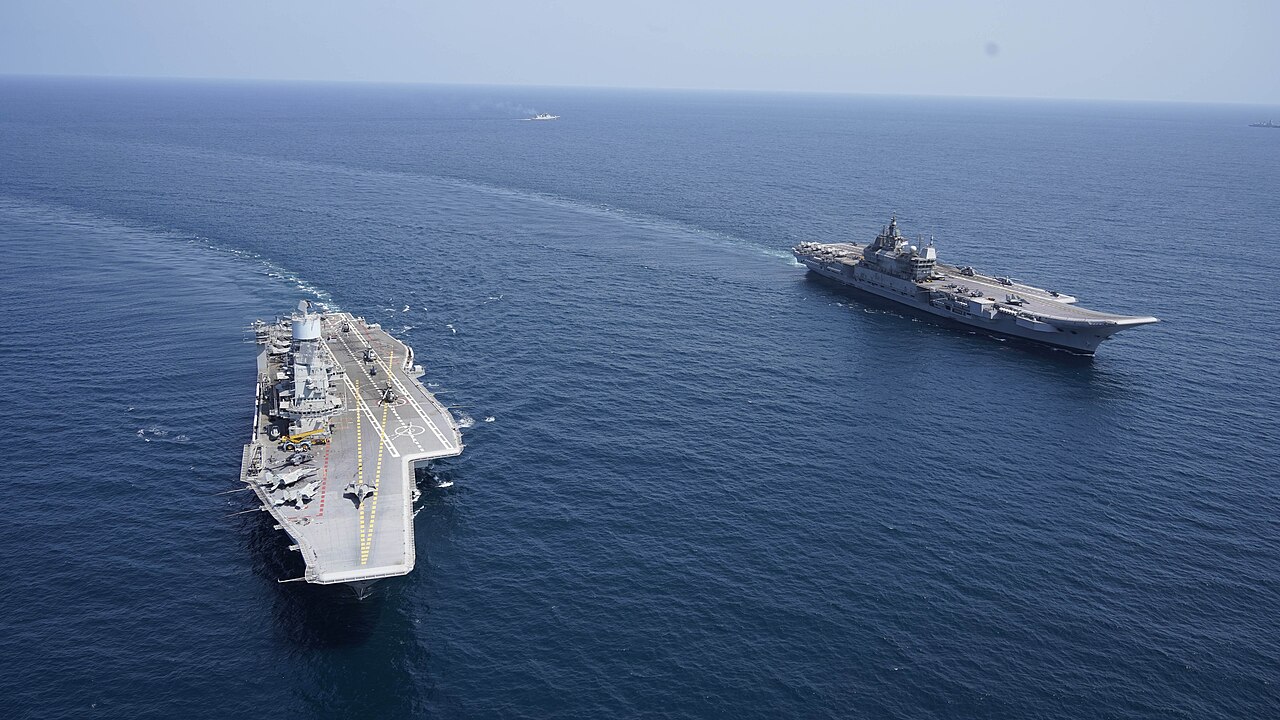
What the exercises actually showed is narrower and more important. Large carriers remain central to naval power, but the myth of easy invulnerability has been gone for decades. From Canadian and Dutch diesel boats to Swedish, Australian, French, and Chinese submarine encounters, the repeated warning has stayed the same: the side that wins undersea concealment can put even the biggest warship on the defensive.


