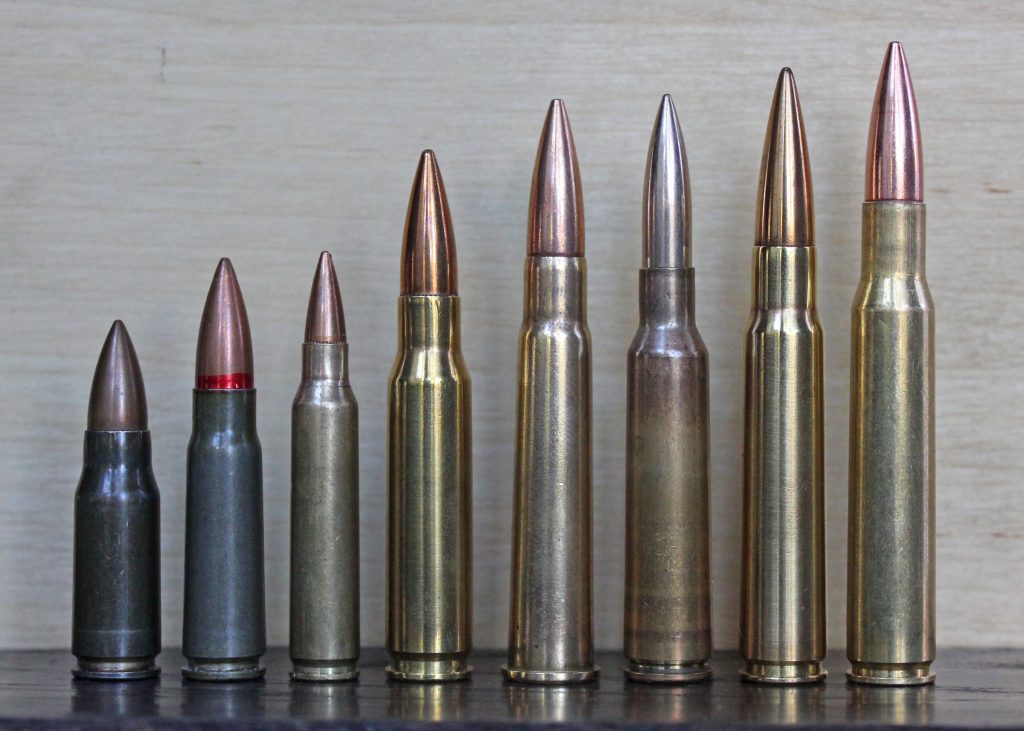
Ballistics charts can make almost any cartridge look heroic. The harder test is what keeps printing predictable hits when rifles, wind calls, and real shooting positions start exposing mistakes.
That is why a handful of cartridges keep showing up year after year. Some are old standards with broad rifle compatibility and forgiving manners. Others are newer designs built around sleek bullets, fast twists, and efficient cases. Together, they form a practical list of rounds that have earned reputations for accuracy, repeatability, and useful reach.
1. .308 Winchester
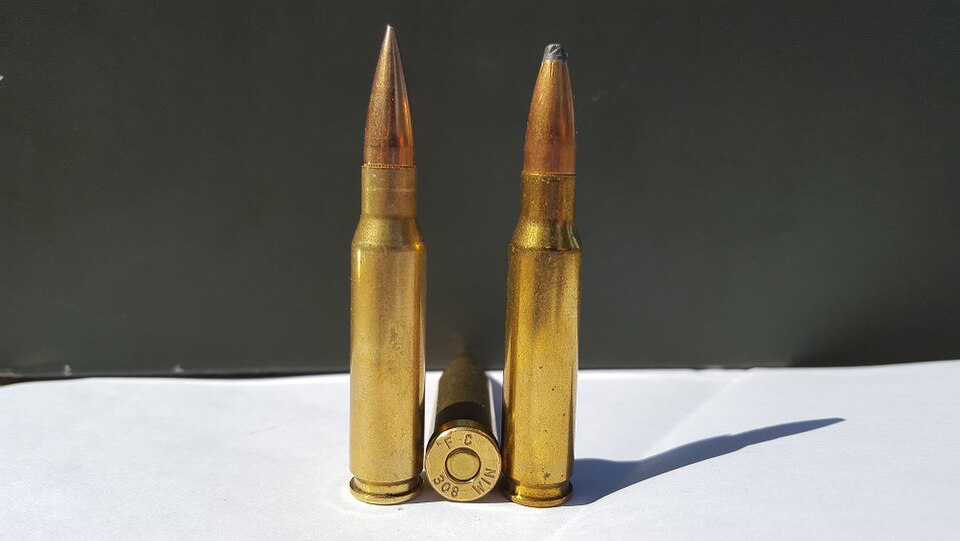
The .308 Winchester remains the benchmark because it balances recoil, barrel life, rifle availability, and practical precision better than almost anything else. Shooters still lean on 168- and 175-grain match loads for dependable long-range performance, and the cartridge works across bolt guns and semiautos without asking much from the rifle.
Its appeal is not mystery or nostalgia. It is consistency. Even as newer cartridges beat it in wind drift and drop, the .308 keeps a strong place because it rewards good fundamentals and tends to stay accurate for a long service life. One experienced long-range training view summed it up well: the .308 “won’t let you lie.”
2. 6.5 Creedmoor
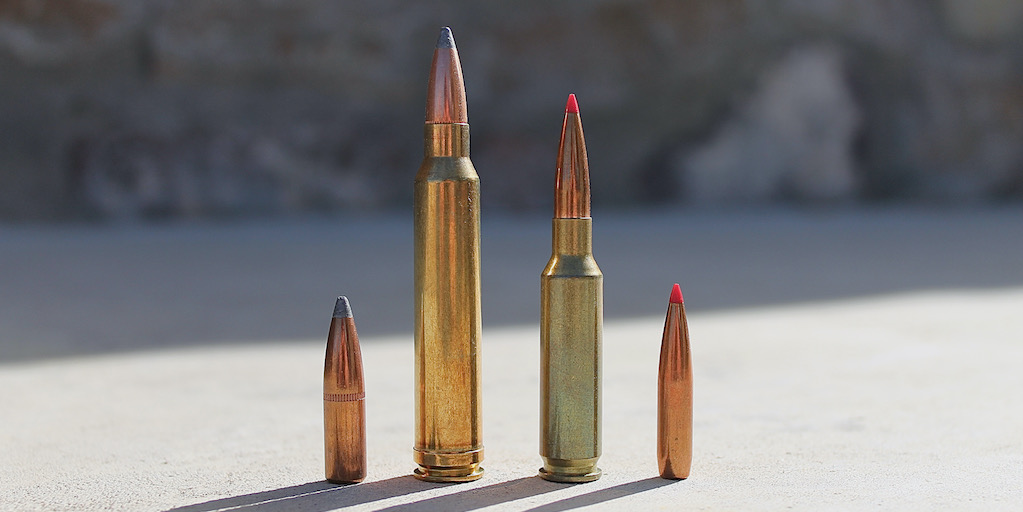
The 6.5 Creedmoor was built for distance, and its design shows. High-BC bullets, short-action fit, moderate recoil, and stable flight have made it one of the easiest factory cartridges to shoot well past ordinary hunting ranges. Typical factory ammunition runs 2,600 to 2,900 fps, and a common 140-grain load can stay supersonic beyond 1,200 yards.
Its strongest advantage is efficiency. Compared with .308-class performance, it generally carries less drop and less wind deflection at longer distances, while asking less of the shooter on the trigger. That combination explains why it became a standard crossover choice for target work, practice, and deer-sized game.
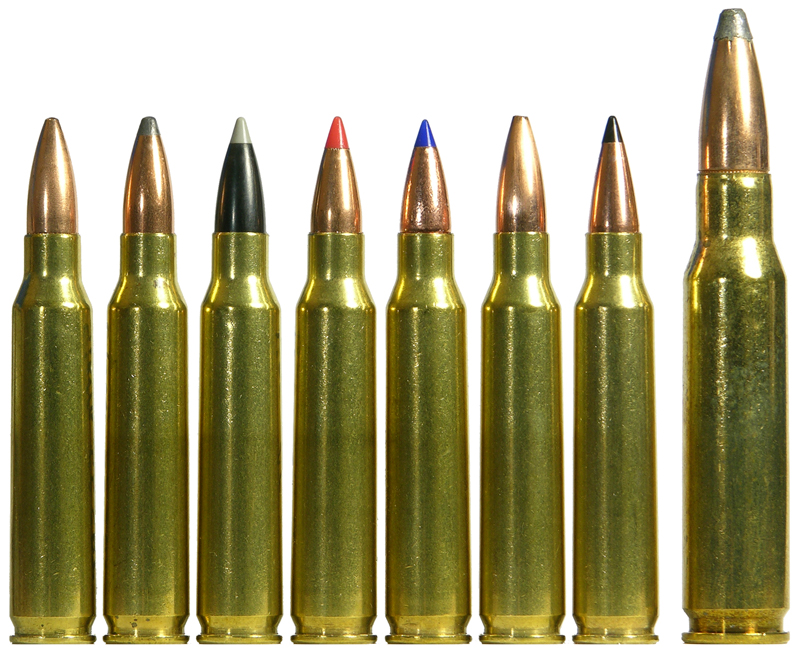
3. .223 Remington / 5.56 NATO
The .223 is often dismissed as a short-range training round, but that misses what a good barrel and the right bullet can do. With proper twist rates and heavier match bullets, it becomes a low-recoil cartridge that lets shooters watch impacts, correct quickly, and build real wind-reading skill.
Its long-range usefulness depends heavily on setup, yet capable rifles have pushed the cartridge far beyond its reputation. Among experienced shooters, good .223 bolt guns with heavy-for-caliber bullets have proven surprisingly effective to 600, 800, and even 1,000 yards. That makes it one of the most educational cartridges on the list.
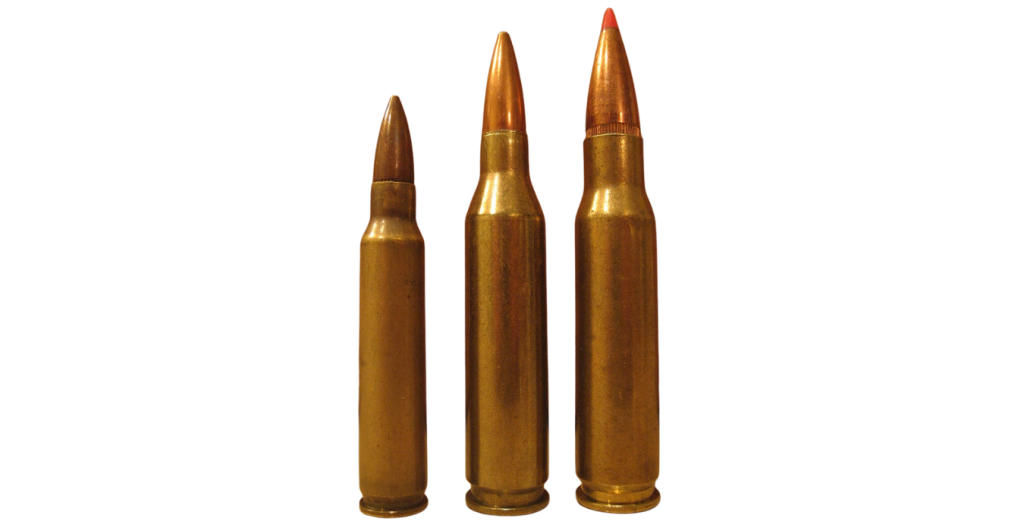
4. .243 Winchester
The .243 Winchester has always occupied a useful middle ground: light recoil, flat trajectory, and enough accuracy potential to flatter both new and seasoned shooters. In accurate bolt actions, it has a long history of printing tight groups without the shooter fighting recoil pulse or heavy rifle weight.
It also carries better downrange manners than many assume from its size. That makes it valuable for shooters who want a cartridge that is easy to manage but still reaches well into practical long-range territory on varmints and deer-sized game.
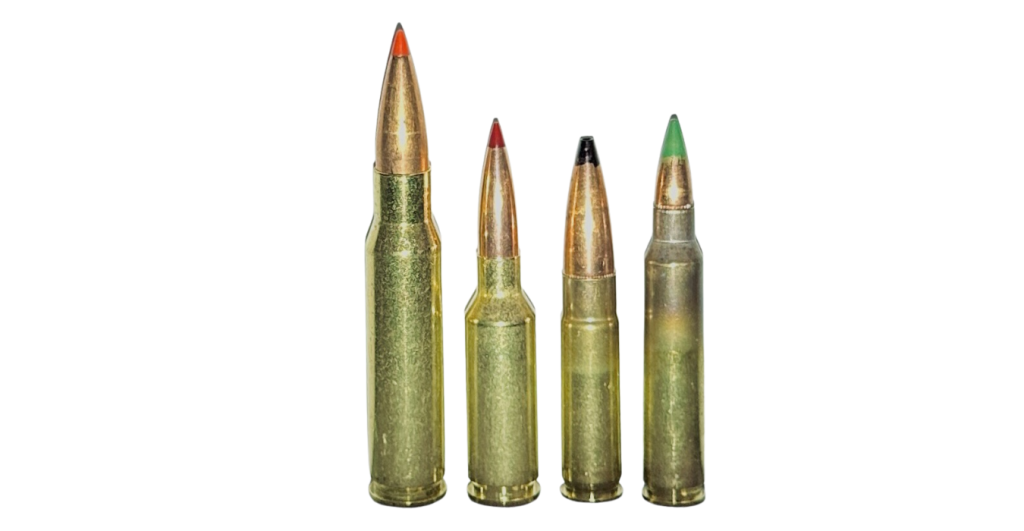
5. 6mm ARC
The 6mm ARC was designed to stretch the AR-15 platform without forcing a jump to larger rifles. That alone made it interesting. What gave it staying power was how well it carries high-BC bullets from a compact gas-gun format.
With the 108-grain ELD Match, published figures show about 342 inches of drop at 1,000 yards, along with enough retained velocity to keep the round useful far beyond ordinary carbine distances. It gives AR shooters a cartridge that hits less like a compromise and more like a purpose-built long-range tool.
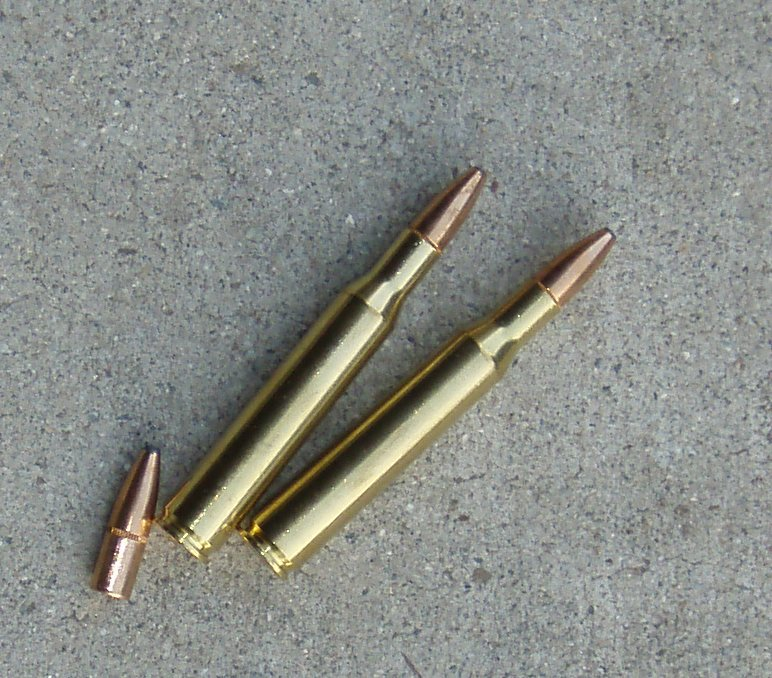
6. .270 Winchester
The .270 Winchester has been delivering flat trajectories since 1925, and that long service life matters. It earned its place the old-fashioned way: by shooting well in ordinary hunting rifles without demanding specialized components or careful tuning.
Modern shooters still appreciate how naturally it covers ground out past 300 yards. While newer cartridges may draw more attention, the .270 remains one of the easiest traditional hunting rounds to shoot accurately at practical field distances.
7. 6.5 PRC
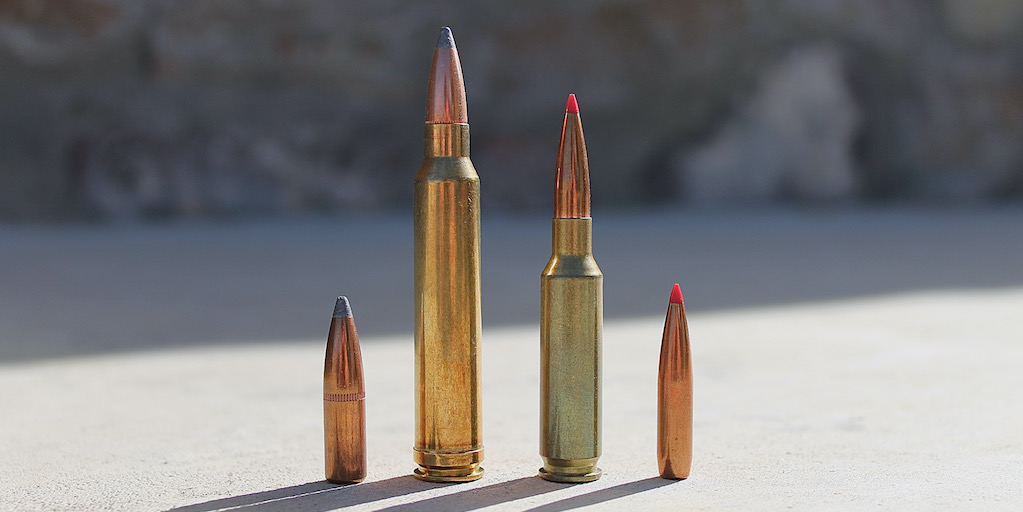
The 6.5 PRC takes the Creedmoor formula and adds speed. It commonly launches 140- to 147-grain bullets at around 2,920 fps, giving shooters more reach, more energy, and less need for elevation correction at extended distance.
That extra margin matters in the wind. It also matters when ranges stretch and a hunter or target shooter wants a cartridge that keeps the handling characteristics of a 6.5 while pushing performance closer to magnum territory, but without the full recoil penalty of larger .30-caliber options.
8. .22 LR Match Loads
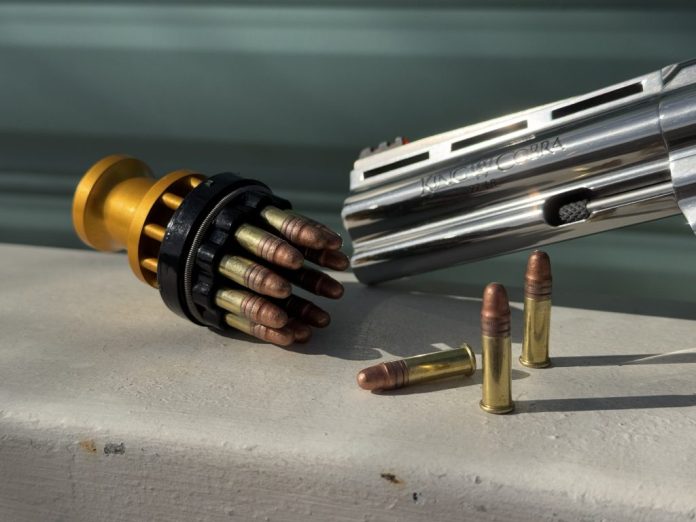
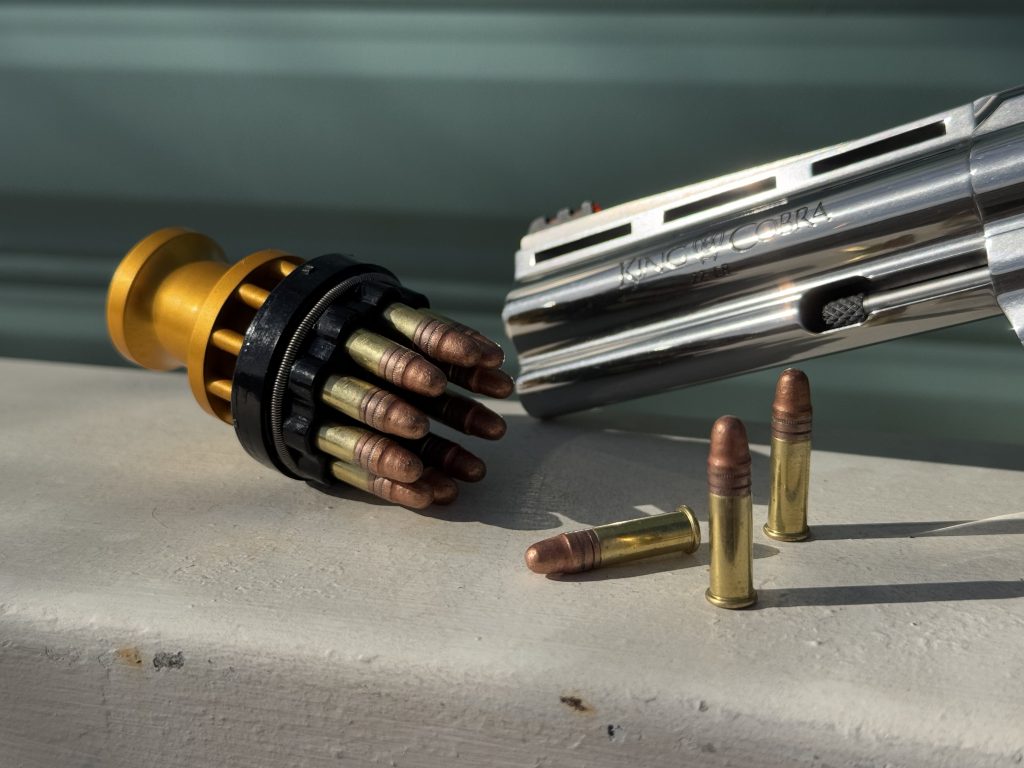
This is the oddball entry, and it belongs here. Match-grade .22 LR is not a centerfire long-range round, but it is one of the best tools for learning the same skills. Good subsonic loads in the 1,066 to 1,100 fps range avoid the transonic disruption that can wreck consistency.
In a quality rimfire, quarter-sized groups at 50 yards and useful accuracy at 100 are normal. Push it farther and the little rimfire starts teaching wind calls, elevation management, and trigger control in a very honest way. For training fundamentals, few cartridges provide as much useful repetition as a good .22 LR.
9. 7mm Remington Magnum
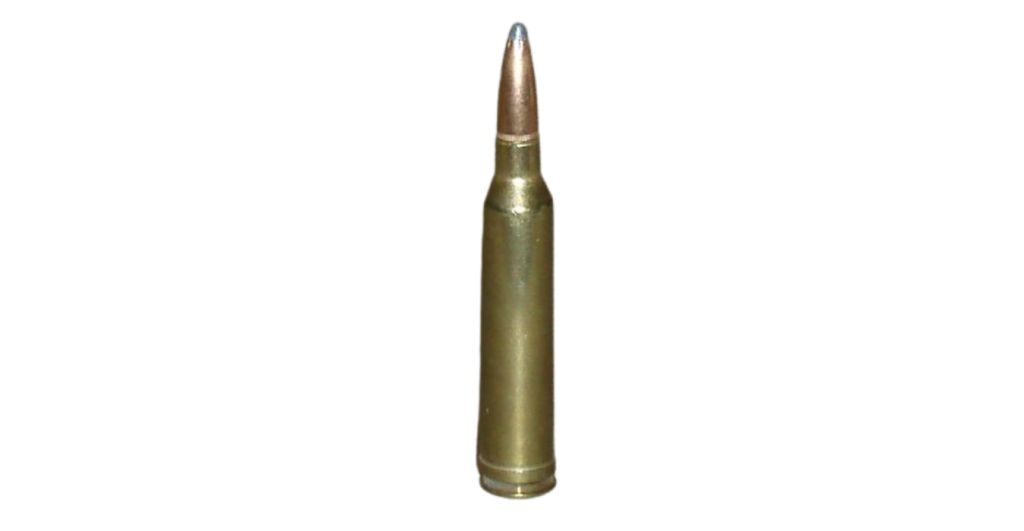
The 7mm Remington Magnum remains one of the strongest long-range hunting choices because it drives long, aerodynamic bullets fast without giving up practical field utility. Modern loads using 168- to 180-grain bullets have done a lot to sharpen the cartridge’s reputation for precision.
Its strength is familiar to anyone who spends time in open country: flat flight, strong retained energy, and enough bullet design support to make real use of its case capacity. It is one of those cartridges that never really left; it just kept waiting for bullet technology to catch up.
These cartridges do not all solve the same problem. Some are better for fundamentals, some fit compact rifles, and some stretch hunting capability farther into open terrain.
What ties them together is simpler than the marketing language around long-range shooting. Each one has shown a repeatable ability to stay predictable when distance grows, wind matters, and the shooter needs a cartridge that behaves the same way every time.


