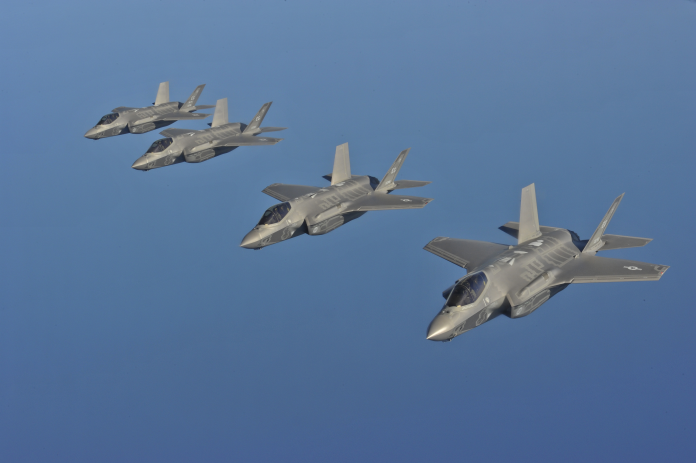
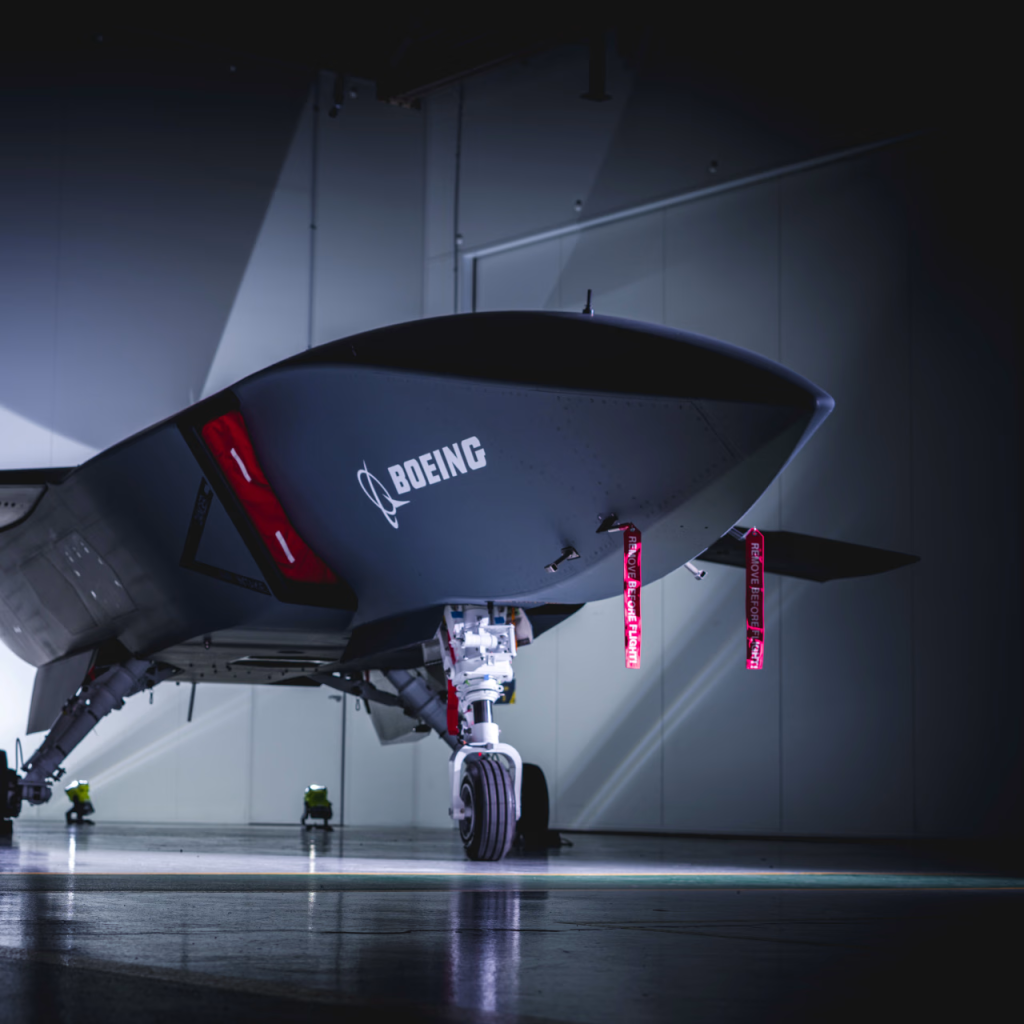
Modern fighter design is shifting away from the old idea of a jet as a single aircraft carrying a single pilot into a fight. The more consequential change is architectural: advanced fighters are becoming airborne managers of sensors, software, and uncrewed teammates.
That transition depends on a stack of technologies working together. Some reduce pilot workload, some keep drones connected, and some let the crewed aircraft function as a decision node inside a much larger combat network.
1. AI mission software inside the cockpit
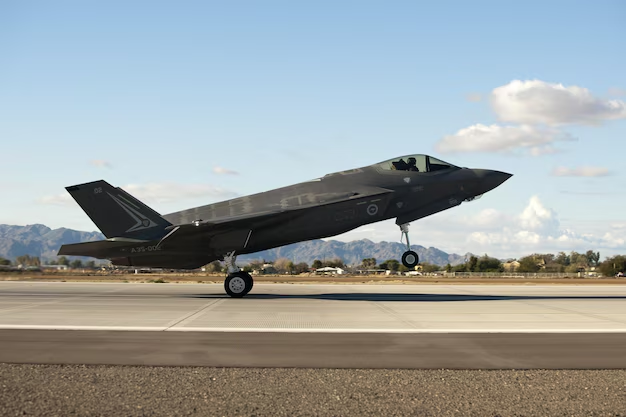
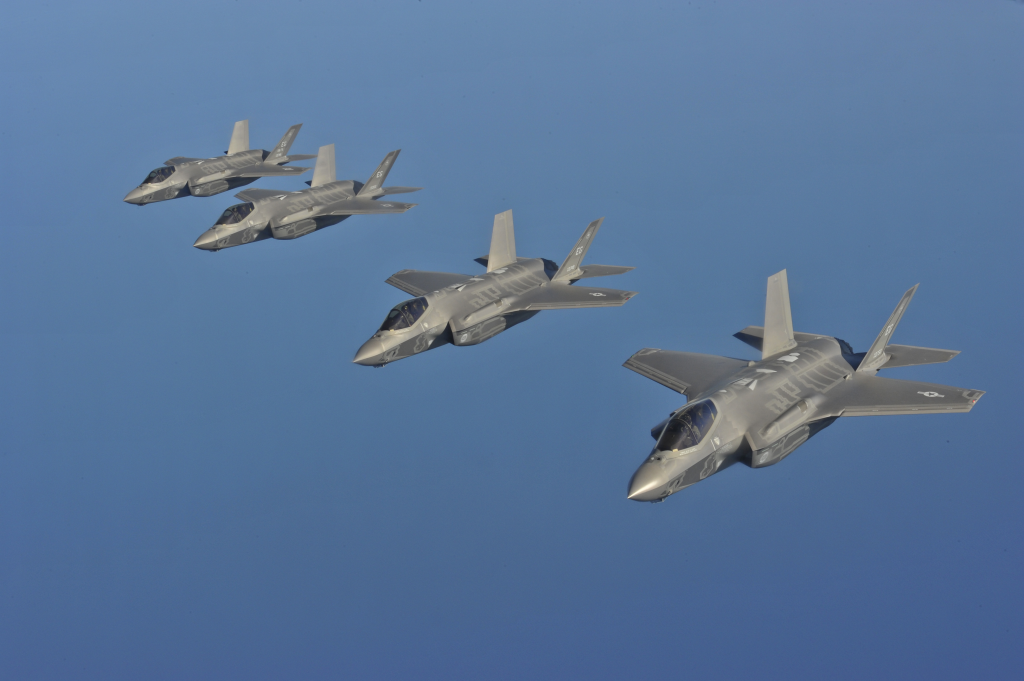
The clearest step toward a command-hub fighter is onboard AI that filters incoming data before a pilot ever acts on it. Lockheed Martin’s Project Overwatch integrated an AI model into the F-35 mission system, where it could generate target and identification suggestions while the pilot retained final authority. In practice, that turns the aircraft into more than a sensor collector; it becomes a machine that helps organize and direct action.
The most important effect is cognitive relief. The F-35 already combines radar, electro-optical, and electronic-warfare inputs, but the volume of information can overload a single operator. AI is being used to resolve ambiguous emitter tracks and shorten reaction time, including labeling new emitters and retraining within minutes for the next sortie. That kind of software loop matters when a fighter is expected to supervise nearby drones as well as interpret its own battlespace.
2. Sensor fusion engines that build one tactical picture
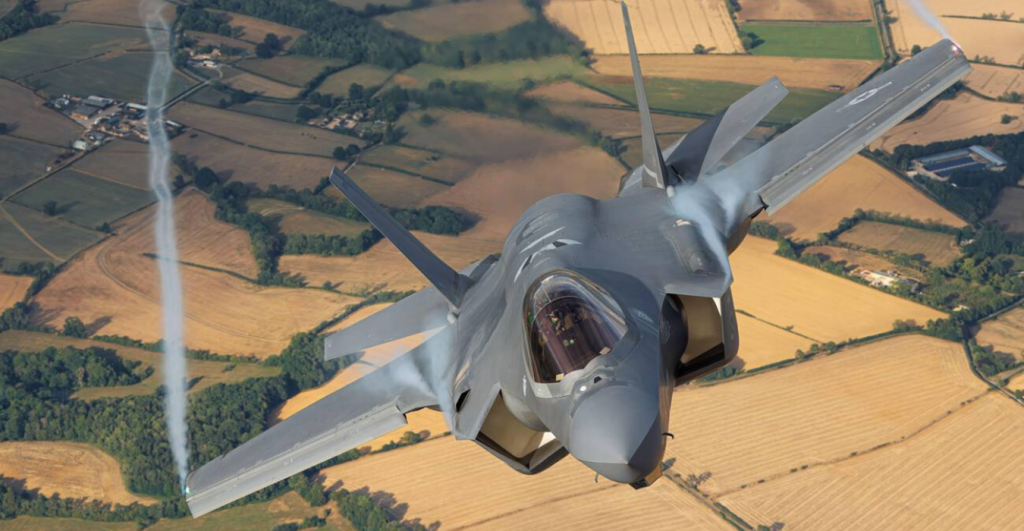
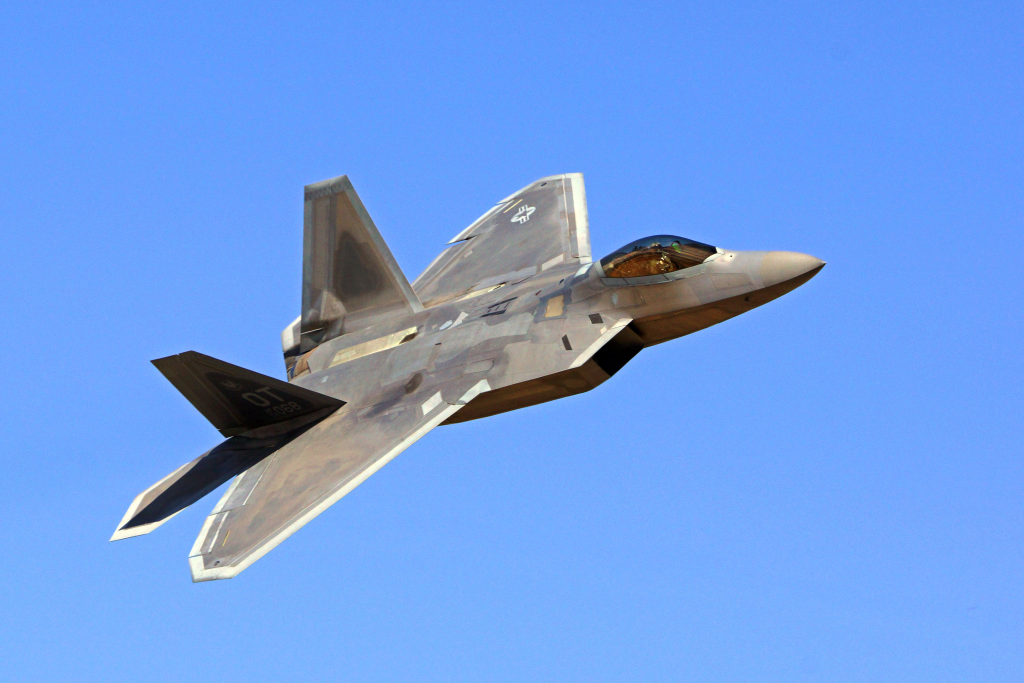
A fighter cannot command drones effectively if its pilot is still manually stitching together radar hits, threat warnings, and infrared tracks. Sensor fusion solves that by combining many inputs into one tactical display. The F-35 was built around this logic, and that design philosophy makes it a natural control node for collaborative aircraft.
This is the foundation layer. When the aircraft can cross-correlate contacts automatically, it can assign a drone to investigate, screen ahead, relay data, or carry additional weapons without forcing the pilot to micromanage every sensor stream. In that sense, fusion software is what turns a stealth fighter from a shooter into a coordinator.
3. Tactical data links for real-time drone control
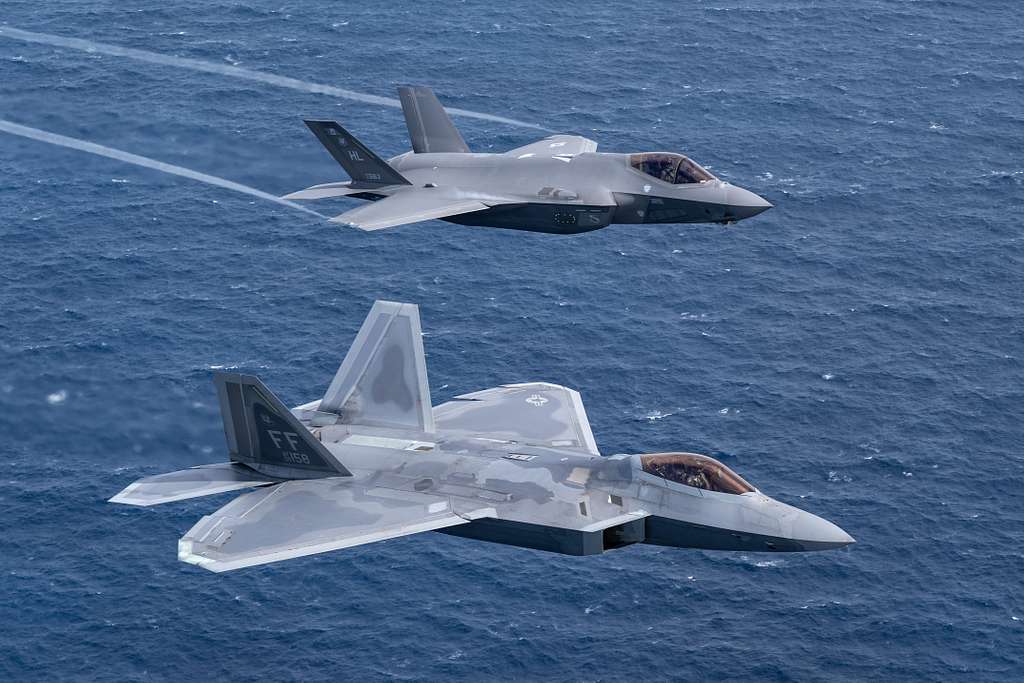
Command-hub aircraft need a dependable way to pass tasks outward. That is where tactical data links come in. In a recent demonstration, an F-22 used a tactical data link to pass commands in real time to a General Atomics MQ-20 acting as a collaborative aircraft surrogate.
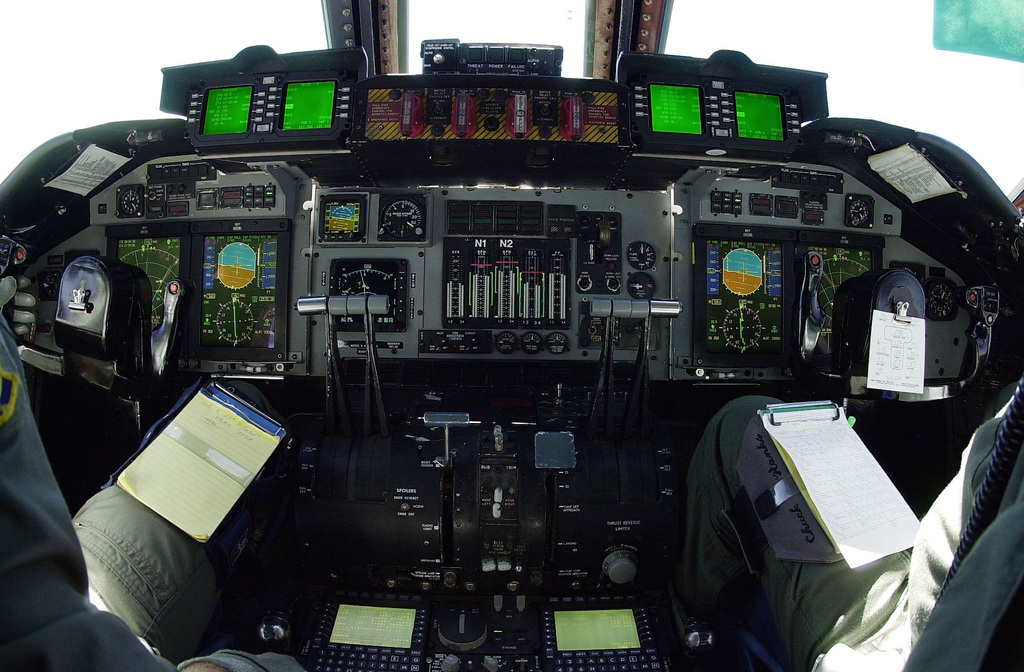
The test showed a practical model for future teaming: the pilot directed tactical maneuvers, combat air patrol behavior, and threat engagement tasks from the cockpit. An earlier test even used a tablet interface in flight. The interface itself is not the breakthrough; the real advance is that the fighter can issue mission-level commands while the drone executes them through onboard autonomy. That reduces communication burden and makes one crewed jet capable of orchestrating multiple uncrewed assets.
4. Autonomy cores that let drones follow intent, not joystick inputs
A fighter only becomes a true drone command hub when its uncrewed partners can do more than obey direct steering commands. Collaborative Combat Aircraft are being built around that idea. The Air Force’s CCA effort aims to pair large numbers of autonomous aircraft with crewed fighters, using software derived from the Skyborg autonomy core system.
That autonomy package is what allows a pilot to command by objective. Instead of flying each drone moment by moment, the human operator can assign a role such as scouting ahead, carrying weapons, conducting electronic warfare, or extending the formation’s sensor reach. The drone handles flight and local reactions on its own. This is the difference between remote control and manned-uncrewed teaming, and it is central to the Air Force vision of fielding at least 1,000 collaborative aircraft over time.
5. Open-systems architectures that speed upgrades
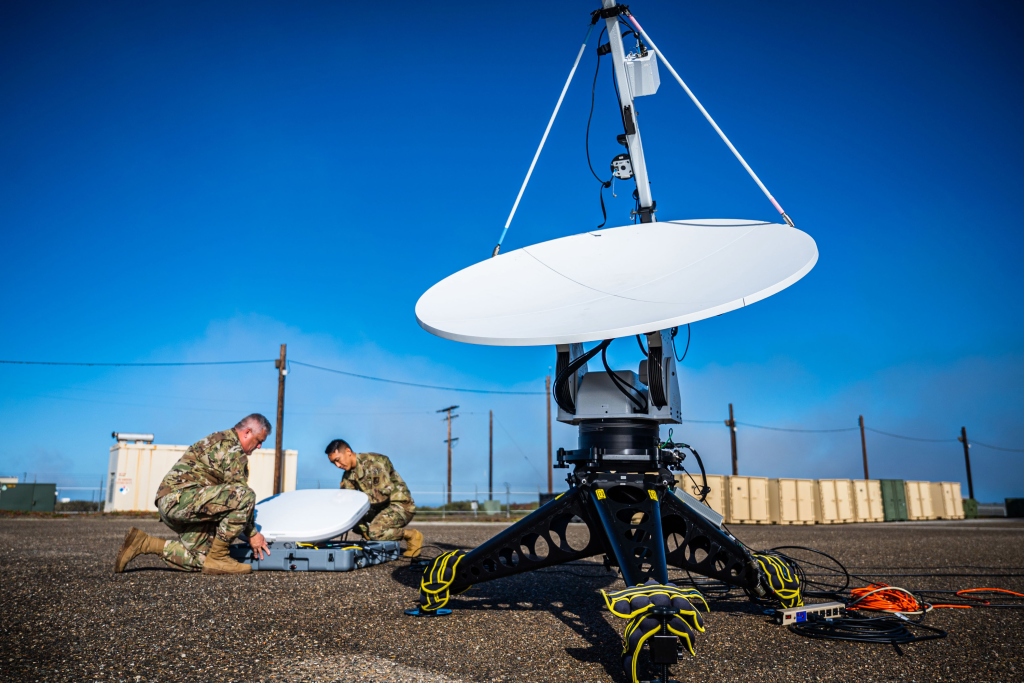
A fighter acting as a command hub cannot rely on frozen software. It has to absorb new interfaces, autonomy packages, threat libraries, and communication tools without a full redesign. Open architecture is what makes that possible.
That matters because collaborative aircraft are still evolving by increment, and the controlling fighters will have to adapt alongside them. Modular software also shortens the path for integrating mission apps, new data-sharing tools, and revised electronic-warfare functions. The result is a jet that improves like a networked system rather than aging like a fixed mechanical product.
6. Cross-domain battle networks such as CJADC2
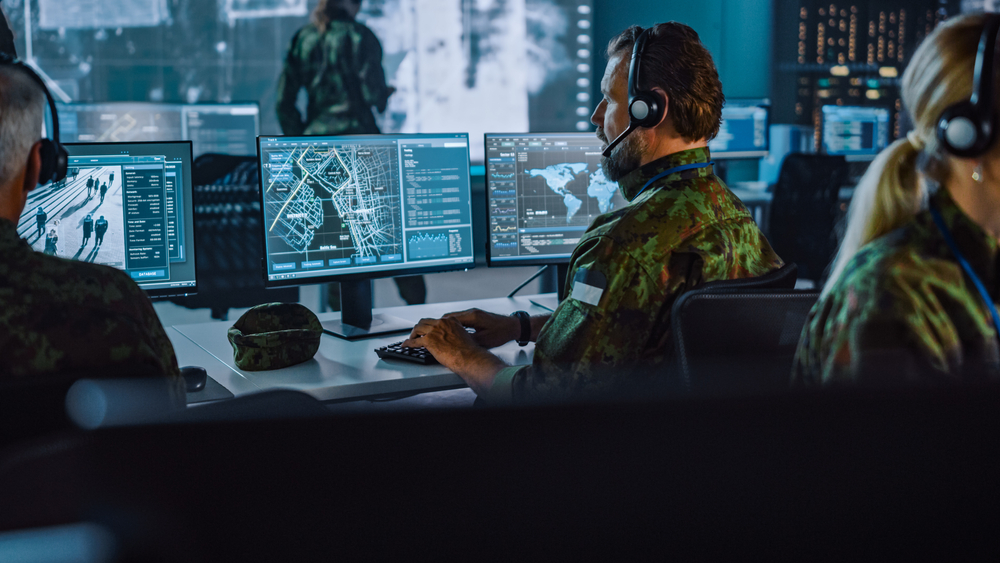
Drone command hubs do not operate in isolation. They sit inside a larger web intended to link sensors, decision-makers, and weapons across air, sea, land, space, and cyber domains. The Department of Defense’s CJADC2 framework is built around exactly that principle.
In this model, a fighter does not need to find every target itself. It can receive data from outside sources, fuse that information onboard, and direct its drones toward the most useful task. A collaborative aircraft might become an extra sensor, an electronic decoy, or a remote missile carrier based on cues that originated far away from the formation. This is where the command-hub concept expands beyond one jet and its wingmen into a distributed operational system. The fighter becomes a forward edge processor inside a much larger network, helping decouple sensors from shooters and making the formation more resilient when individual nodes are degraded.
7. Human-machine interfaces built for supervisory control
Even the best autonomy and networking stack will fail if the pilot cannot use it quickly. Future command-hub fighters depend on interfaces that support supervisory control rather than traditional hands-on aircraft management.
The trend is already visible. F-35 AI outputs are being presented within the jet’s existing display ecosystem, and F-22 tests have explored simple cockpit tools for sending commands to drones. The design goal is not to bury the pilot in menus. It is to let one operator approve, redirect, and monitor multiple uncrewed aircraft while still flying a high-performance jet. That interface layer may be less visible than stealth shaping or engines, but it is what makes the whole concept usable.
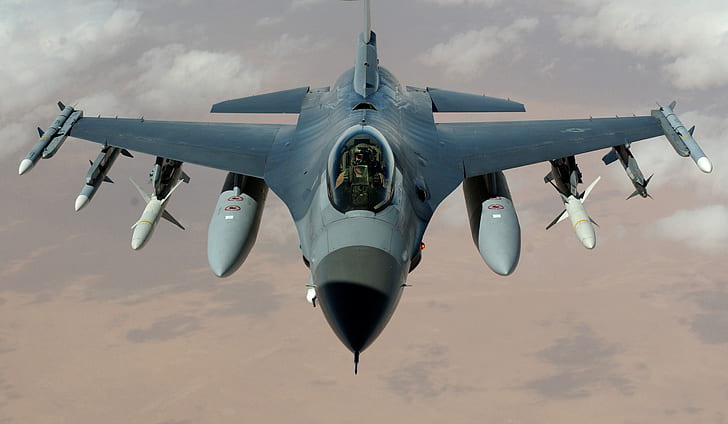
The fighter jet is no longer defined only by speed, stealth, or missile load. Its value increasingly comes from how well it can sense, sort, connect, and delegate.
When AI assistants, fused sensors, autonomy cores, real-time links, modular software, cross-domain networks, and pilot-friendly control interfaces are combined, the result is a different kind of combat aircraft: a crewed platform that can direct a small ecosystem of drones instead of fighting alone.


