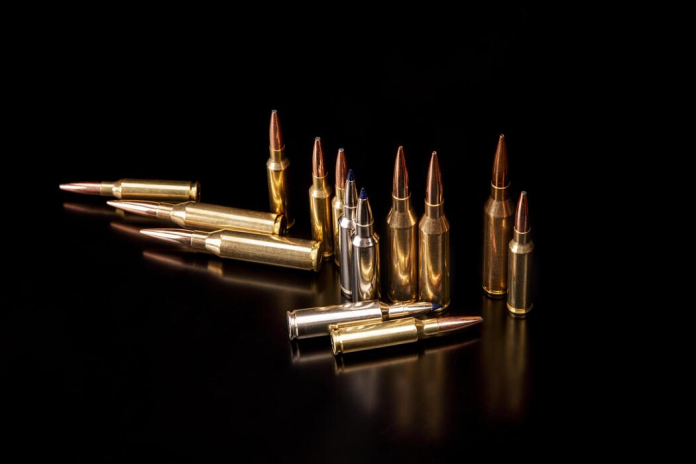
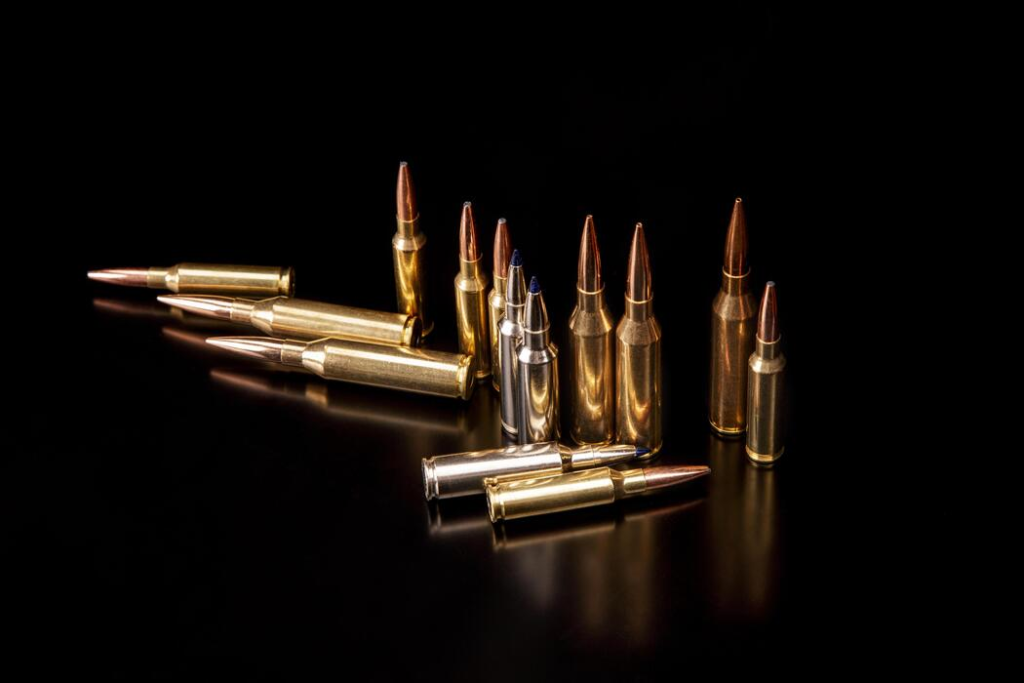
Some rifle cartridges build a reputation that runs well ahead of what they consistently deliver in the field. The problem is rarely that a cartridge is useless. The problem starts when a specialized round gets treated like a do-everything answer.
That gap between reputation and reality usually comes down to the same variables: impact velocity, bullet construction, shot angle, and the actual distance at which the bullet arrives. Published charts can help, but even standard factory numbers are only approximate, because different rifles seldom produce identical performance. These seven cartridges all have legitimate roles. They simply get stretched beyond them more often than their supporters admit.
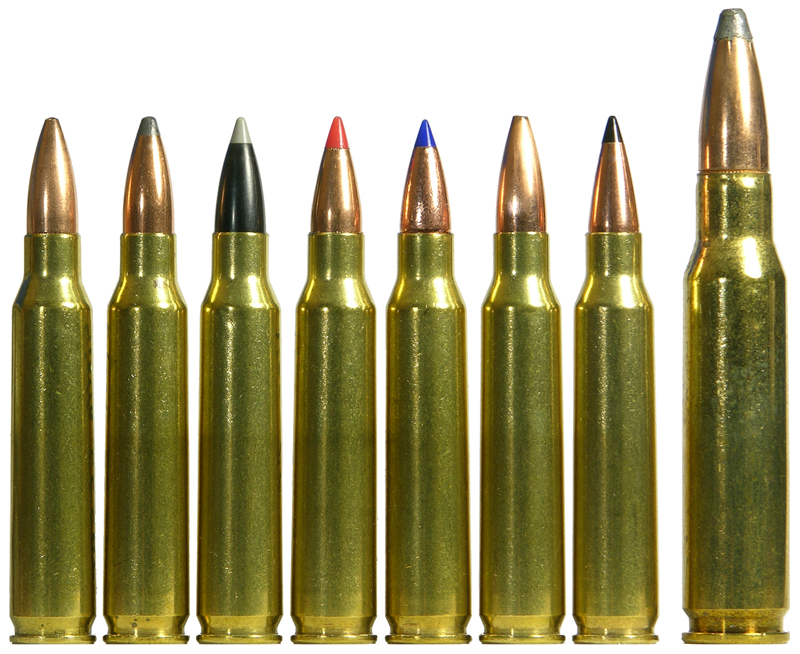
1. .223 Remington
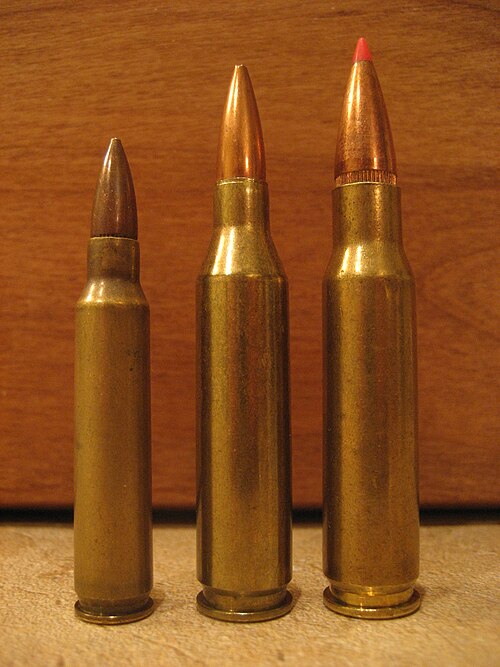
The .223 Remington remains popular for good reasons. It is light on recoil, easy to shoot accurately, and widely used in rifles that hunters already know well. On varmints and predators, it fits cleanly into its intended lane.
The trouble begins when it is described as a universal deer-and-up cartridge. Even where it is legal for big game, the margin for error is narrow. Small frontal diameter and lighter bullet weights limit penetration when shots hit heavy muscle or bone, and that matters far more than bench accuracy. A cartridge can print tight groups and still ask too much of the bullet after impact.
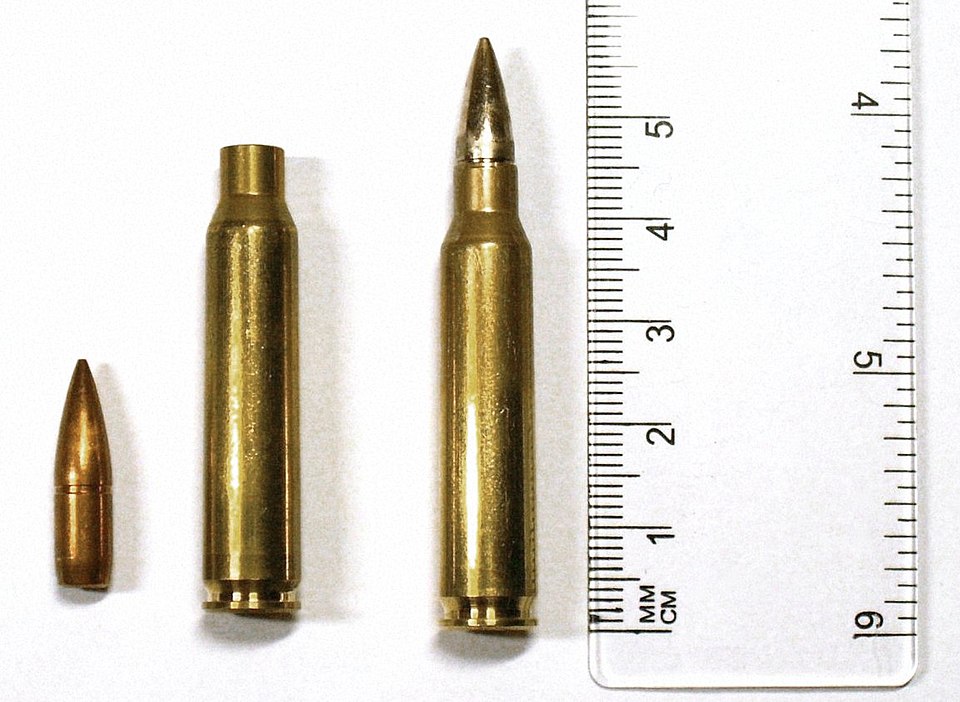
2. 5.56×45mm NATO
5.56 NATO gets a lot of borrowed credibility from its broad service history, but field performance on game is not judged by the same standard as general military issue. Hunters need repeatable expansion and enough penetration to reach vitals from realistic angles.
That puts pressure on bullet design. As one technical breakdown put it, “Poor terminal performance from any cartridge is really poor bullet performance,” and that comes down to bullet construction to velocity. With 5.56, the useful envelope tightens quickly on heavier animals, especially as distance increases or barrel length drops.

3. .22-250 Remington
The .22-250 has long attracted shooters who like speed and flat trajectory. It makes hits look easy, especially in open country, and that visual confidence is part of why people overestimate it.
Velocity is not the same thing as deep terminal performance. Fast, light bullets can produce dramatic surface damage if the projectile is built to come apart quickly, which is excellent for small targets and much less reliable on larger-bodied game. In this cartridge, bullet choice matters so much that general claims about “what the caliber does” often miss the point entirely.
4. .243 Winchester
The .243 Winchester has probably launched more new hunters into centerfire rifles than almost any cartridge in its class. Low recoil and practical accuracy make it approachable, and with the right 90- to 100-grain loads it has a solid history on deer-sized game.
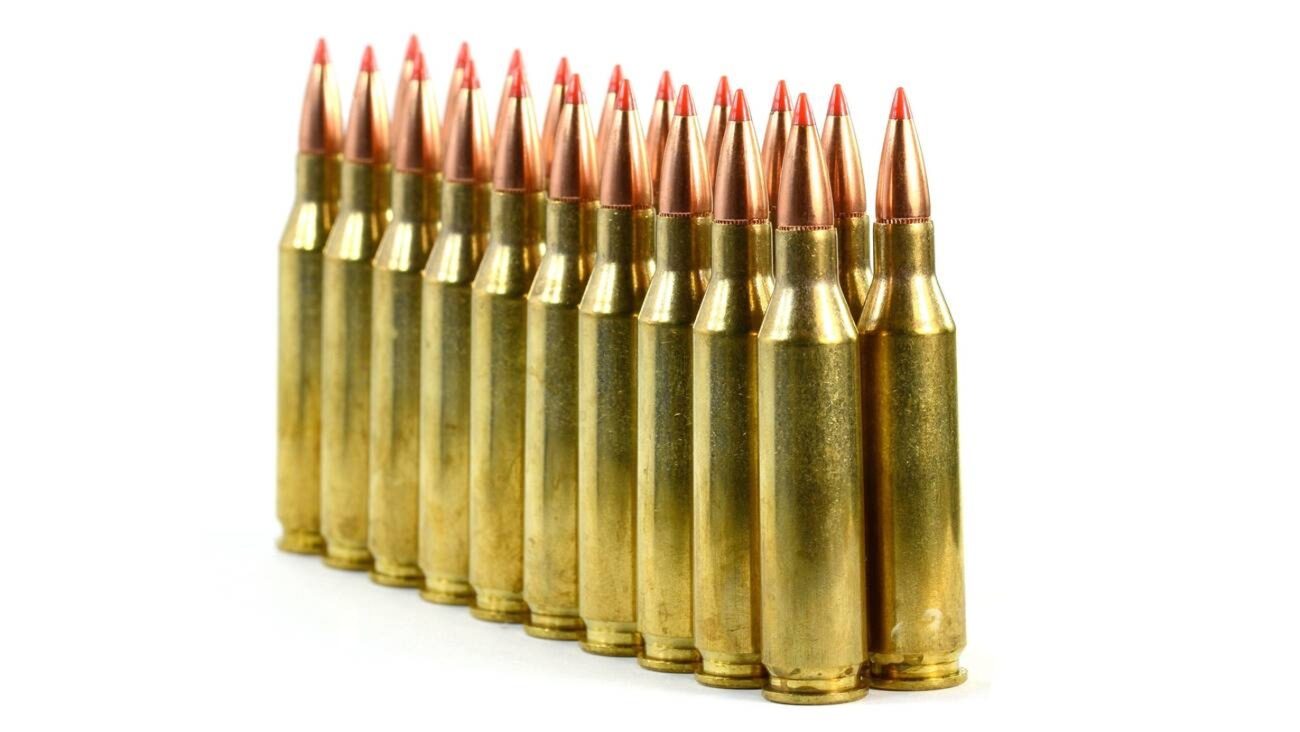
Its reputation gets inflated when mild recoil is mistaken for broad forgiveness. The cartridge works best when shot placement is disciplined and bullet selection is deliberate. As ranges stretch or body size increases, the .243 gives up some margin in penetration and retained impact authority. That does not make it ineffective. It makes it less flexible than the campfire version of the story.
5. .30 Carbine
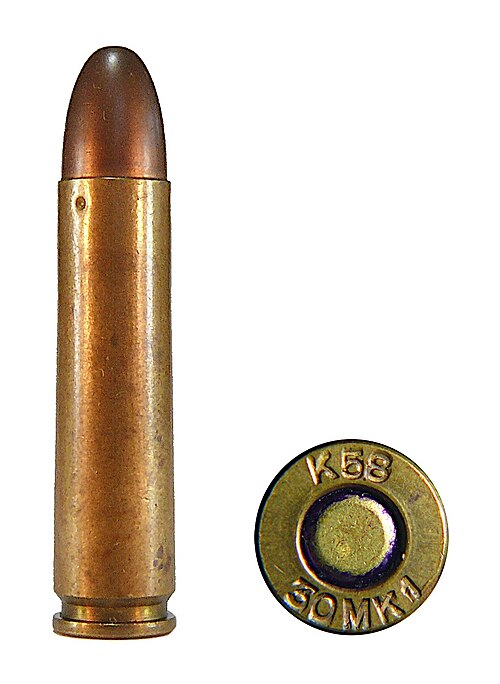
.30 Carbine carries enormous historical appeal, and the M1 Carbine remains one of the most recognizable rifles ever issued. That history has helped preserve an image of the cartridge as more rifle-like than its performance really is.
In practical terms, it sits closer to powerful handgun territory than modern medium-game rifle rounds. Typical loads with a 110-grain bullet around 1,990 fps can be useful at close range, but the cartridge runs short on penetration and downrange authority fast. It can be lethal, but that is not the same as being broadly appropriate for larger game.
6. 7.62×39mm
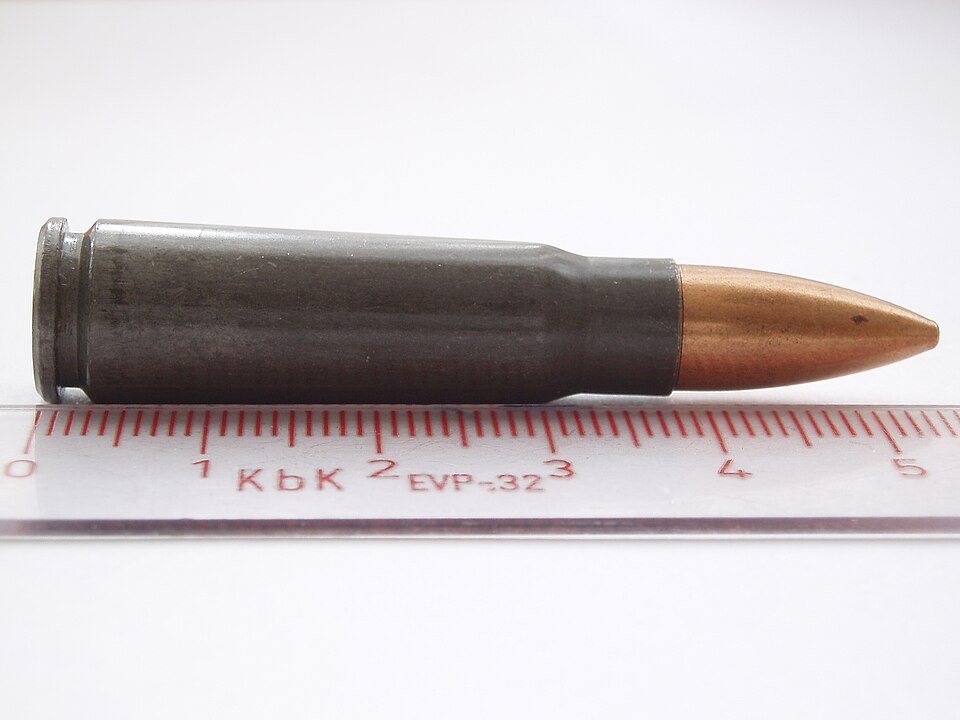
The 7.62×39mm is easy to handle, moderate in recoil, and useful inside sensible distances. In the deer woods or thick cover, those traits have real value. It also benefits from simple, durable rifles that made it common across the market. Its limitations show up once hunters start projecting short-range results too far downrange.
A standard load pushing a 123-grain bullet at roughly 2,350 fps starts with usable energy, but it sheds velocity quickly. The old shorthand that energy alone tells the whole story falls apart here; energy is a math product, not a guarantee of tissue disruption. Past moderate distances, reliable expansion becomes less certain, and the cartridge’s practical ceiling arrives sooner than many assume.
7. .17 HMR
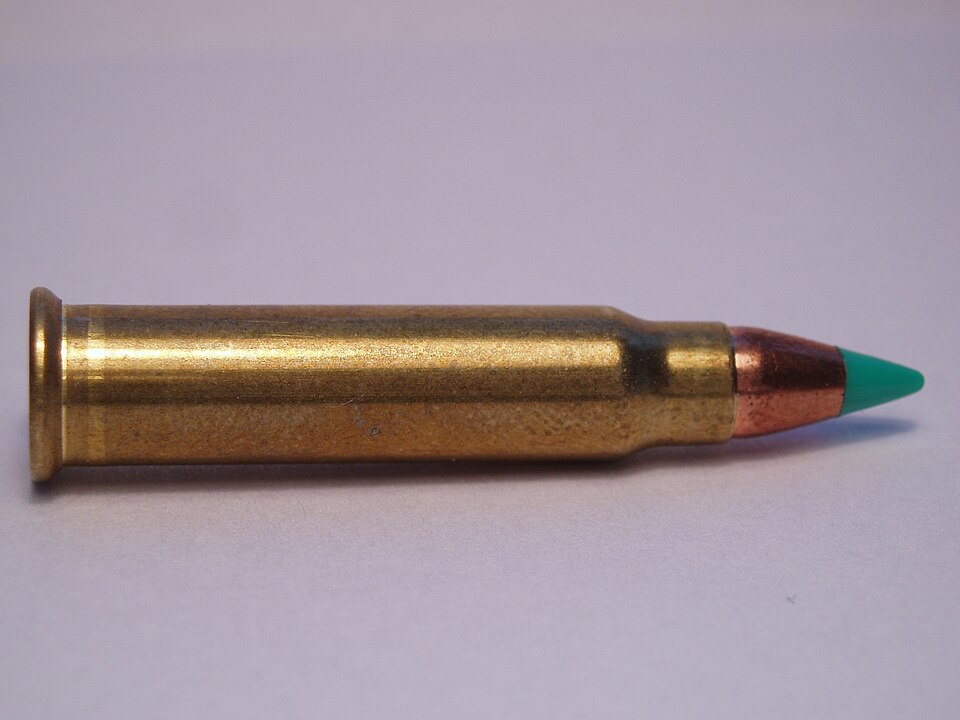
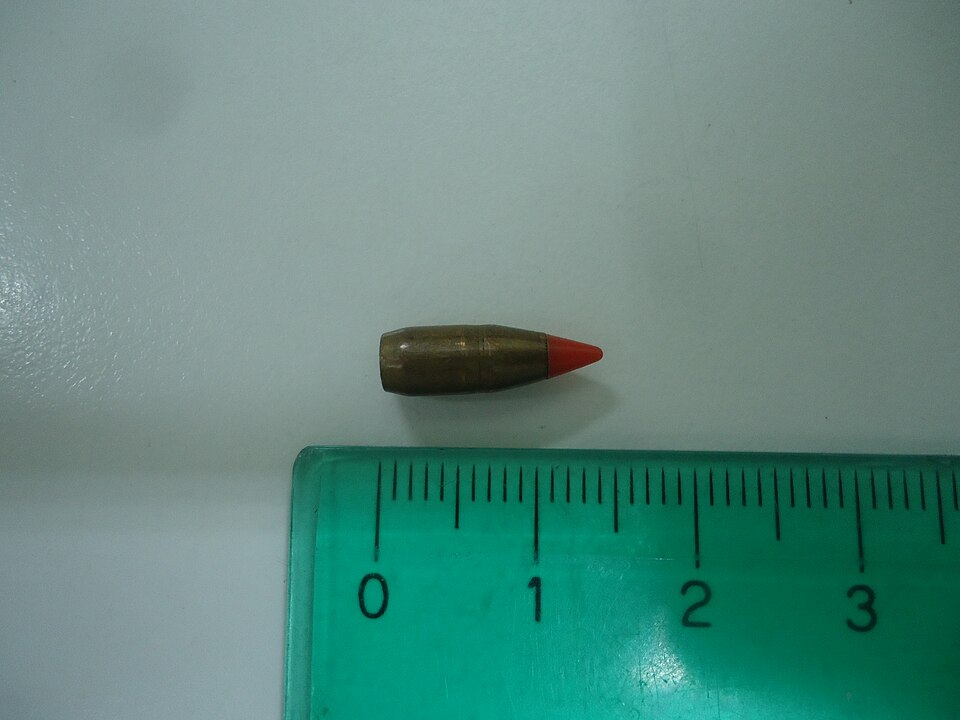
.17 HMR is one of the clearest examples of a cartridge being excellent in its own category and badly overstated outside it. It is flat-shooting for a rimfire, easy to place precisely, and genuinely effective on small varmints. That is where the praise should stay. With a typical 17-grain bullet at about 2,550 fps, muzzle energy sits only a little above 250 ft-lb. Tiny bullets can also be pushed around noticeably by wind, which has long been one of the recurring complaints about .17-caliber performance in the field. Precision is not the issue. Penetration and target suitability are.
The pattern across all seven cartridges is simple: a round does not become more capable because it is popular, easy to shoot, or attached to a strong backstory. Field results depend on how the bullet arrives, not on how the cartridge is discussed. Hunters who stay grounded in real impact velocity, verified range performance, and bullet behavior tend to avoid these overstatements. That usually leads to more predictable outcomes, which is still the most useful measure of any hunting cartridge.


