Defensive caliber debates rarely end, but the useful part of the conversation is narrower than the noise around it. The key question is not which handgun round sounds impressive on a box. It is which one still gives consistent penetration, reliable ignition, and manageable follow-up shots when conditions are messy.
That is also why gel data needs context. The FBI’s 12 to 18 inch penetration standard became important because bullet performance had to be measured in a repeatable way, but calibrated gel is still only a control medium, not a human body. That makes weak cartridges easier to spot, even if no test can predict every outcome.
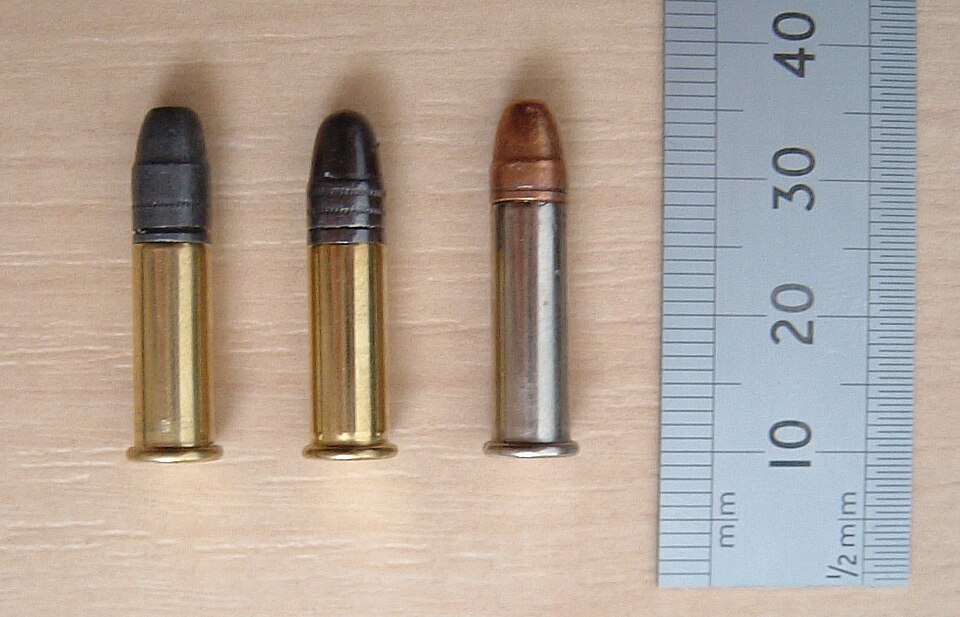
1. .22 Long Rifle
The .22 LR remains easy to shoot, widely available, and useful for training, but its rimfire design still carries a reliability handicap that centerfire rounds do not. Even good loads can produce occasional failures, and bulk ammunition has a much worse reputation. In a defensive pistol, that matters more than low recoil.
Performance is the other limitation. Many loads produce under 200 foot-pounds of muzzle energy, and small bullets often struggle to deliver the kind of straight, repeatable penetration that defensive standards favor. Real-world caliber data compiled from roughly 1,800 shootings showed a 31% failure-to-stop rate for .22 LR, a reminder that lethality and rapid incapacitation are not the same thing.
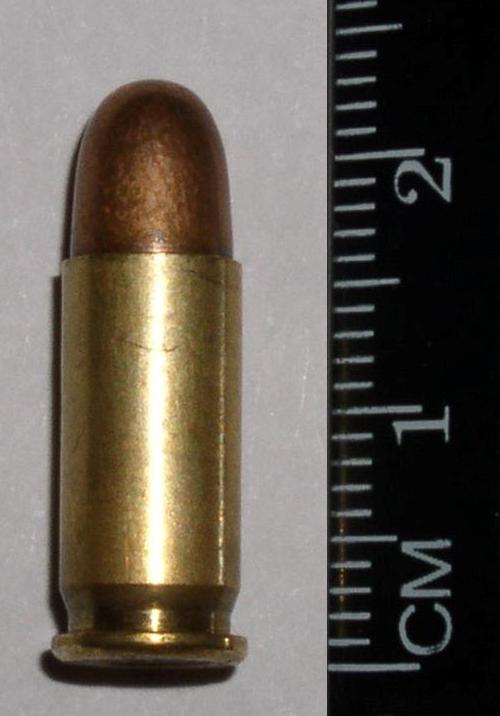
2. .25 ACP
The .25 ACP was created to give tiny pocket pistols centerfire ignition, and that remains its main technical argument. The problem is that nearly everything else about it now looks dated. Typical energy is often below 70 foot-pounds, and expansion from defensive hollow points is usually limited or inconsistent.
That leaves little margin. In the same real-world shooting data, .25 ACP posted a 35% failure-to-stop rate, one of the weakest results in the group. Modern micro-pistols have largely erased the old argument that only .25-sized guns can be carried discreetly.
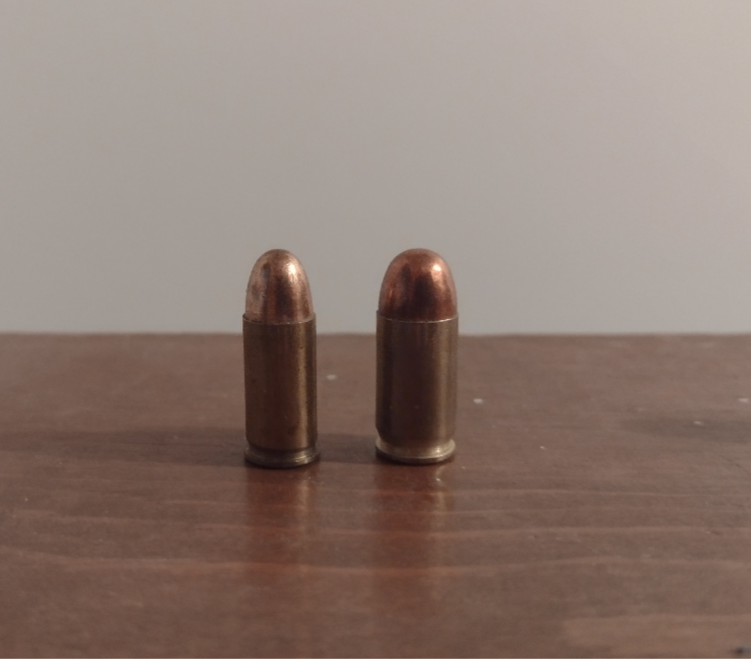
3. .32 ACP
The .32 ACP has a long service history and a reputation for soft recoil, but its ballistic ceiling is still low. Typical loads sit around 125 to 170 foot-pounds, and many do not combine expansion and penetration well enough to meet modern defensive expectations.
Its practical drawbacks are easy to miss. Ammunition selection is thinner than with mainstream carry rounds, and many pistols chambered for it are older blowback designs that are compact but not especially forgiving to shoot. In the same incident data, .32 posted a 40% failure-to-stop rate, which places it firmly in the marginal category.
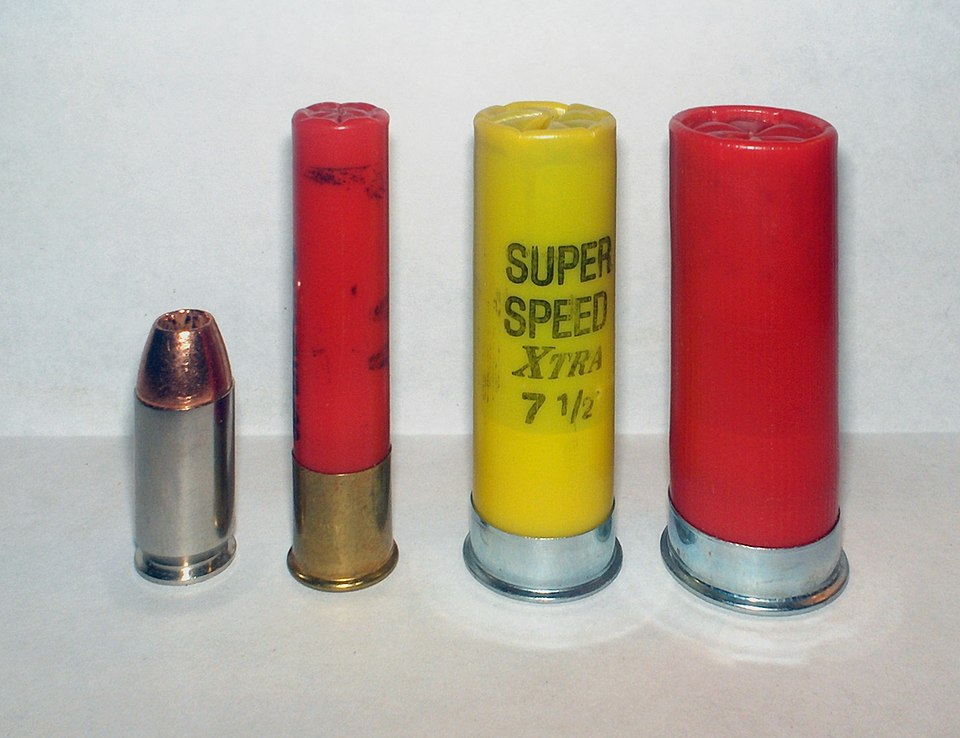
4. .410 Shotshell From Handguns
.410 revolvers gained attention by promising shotgun-like spread from a handgun platform. In practice, the short barrel works against the cartridge. Birdshot lacks the penetration needed for serious defensive use, and patterns can open quickly enough to waste payload rather than concentrate it.
Even buckshot loads come with tradeoffs. The forum discussion in ballistic gel versus real-world testing repeatedly returned to the same point: .410 is widely viewed as inadequate outside very narrow roles. It may throw multiple projectiles, but that does not automatically create reliable stopping effect.
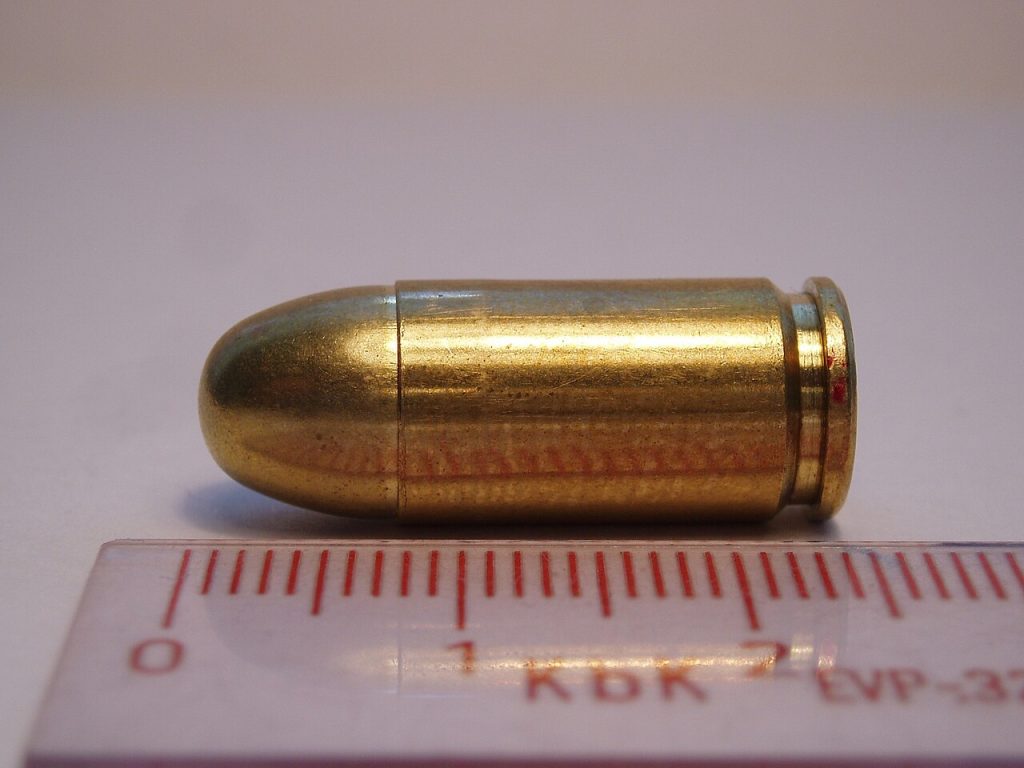
5. Weak .380 ACP Loads
.380 ACP does not belong on this list as a whole. Bad .380 ammunition does. That distinction matters because modern bullet design has improved many once-marginal cartridges, and the .380 is one of them.
Still, the cartridge operates close to the edge, especially from short barrels. Loads that expand too fast often fail to reach useful depth, while loads that penetrate better may show little expansion. The gains in bullet engineering after FBI protocol testing changed ammunition have helped, but .380 still demands careful load selection more than 9mm does. The cartridge can work, yet weak ammunition leaves too little reserve.
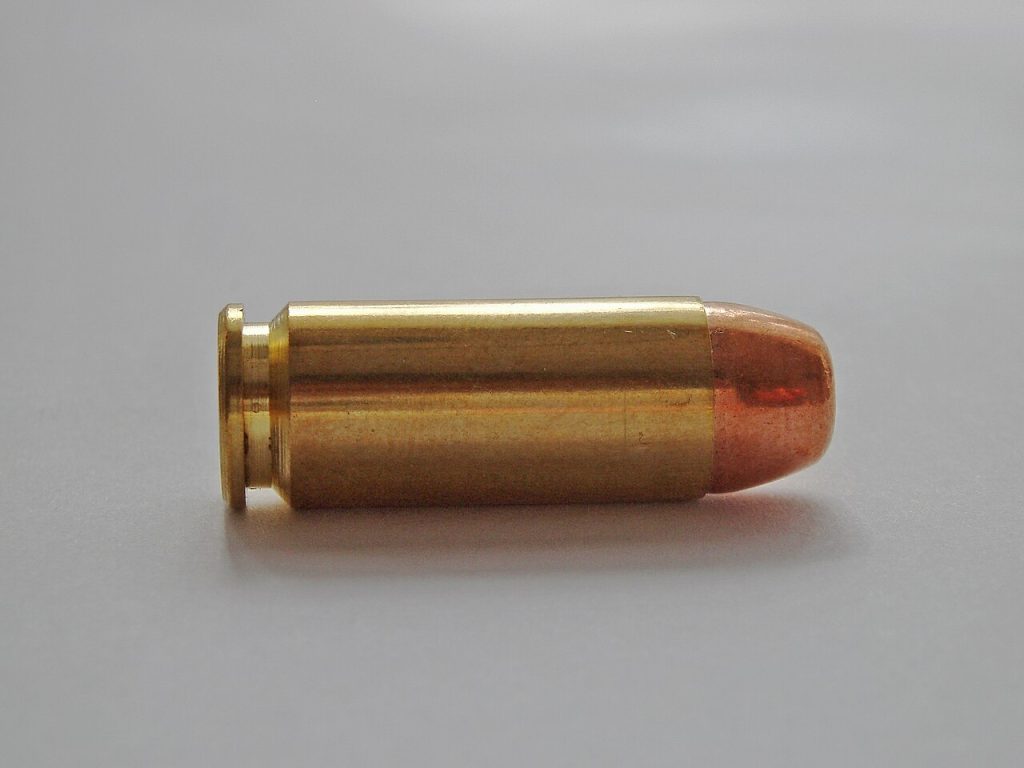
6. 10mm Auto
10mm is not underpowered. Its problem is the opposite. Full-power loads routinely push past 600 foot-pounds, and that extra recoil, blast, and slide velocity can cost shooters time and accuracy.
That does not make it ineffective. It makes it harder to use well for many people in compact carry pistols. Real-world handgun data consistently shows that major service calibers cluster more closely than caliber arguments suggest, while harder recoil tends to punish split times and hit quality. For protection from large animals, the 10mm has a clear niche. For ordinary defensive carry, that power often arrives with too much baggage.
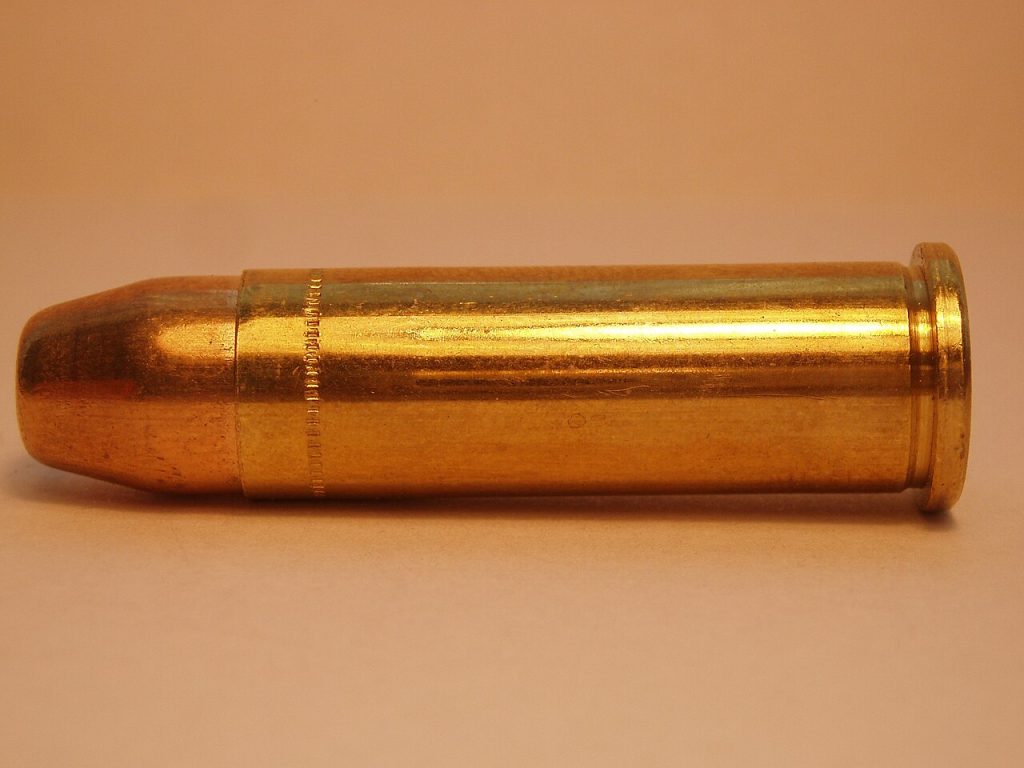
7. .38 Special From Ultra-Short Barrels
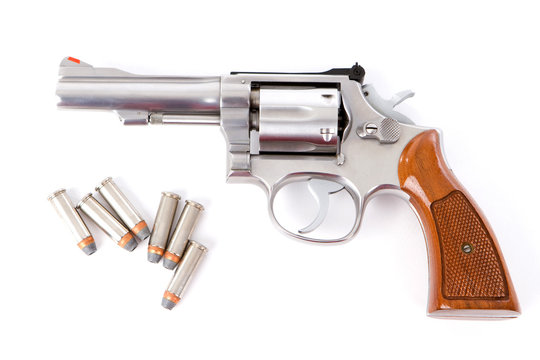
The .38 Special earned its reputation in service revolvers with more barrel than today’s ultra-light snubs provide. Cut barrel length below two inches and the cartridge gives up velocity fast. Hollow points may clog, fail to expand, or expand so little that the shooter is left with all the recoil and not much ballistic reward.
This is where test method matters. As Remington notes in its discussion of calibrated ballistic gel, repeatable controls are essential for comparing ammunition honestly. Across those controlled tests, short-barrel .38 loads often show just how much performance the snub revolver gives away. Some purpose-built loads help, but the platform remains unforgiving.
The pattern across these seven is simple. The weakest rounds suffer from low penetration or inconsistent ignition, while the hottest options can be difficult to control well enough to matter. Between those extremes, performance tends to depend less on mythology and more on a plain combination of reliability, penetration, and shootability.
That is why modern service cartridges still dominate serious defensive use. The goal is not theatrical power. It is repeatable performance from a handgun that can be fired accurately under pressure.


