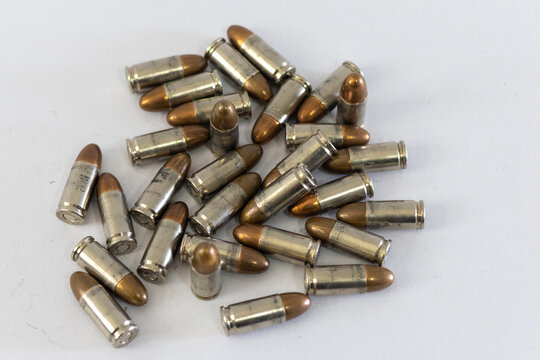
The FBI penetration benchmark remains one of the clearest ways to discuss defensive handgun performance without drifting into marketing claims or mythology. In calibrated gelatin, the target window is 12 to 18 inches of penetration, a standard built to ensure a bullet can still reach vital structures after passing through clothing, bone, or an arm angled across the torso.
That does not make every load in a caliber equal, and it does not mean gelatin predicts every real-world outcome. It does, however, provide a consistent yardstick. Across modern defensive ammunition, a handful of handgun calibers repeatedly show the ability to land inside the FBI’s 12- to 18-inch penetration window when paired with well-designed loads.
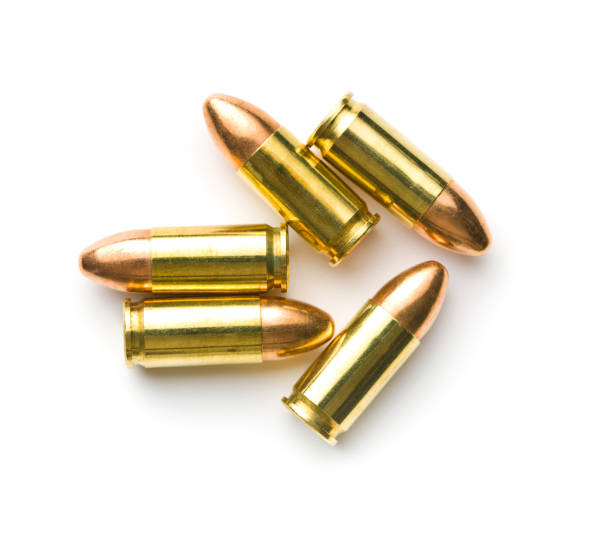
1. 9mm Luger
9mm has become the modern baseline for service-pistol performance because it combines manageable recoil with a broad selection of well-developed defensive bullets. In heavy-clothing gelatin testing, this caliber regularly produces loads that penetrate deeply enough while still expanding with consistency.
Independent test data shows there were several 9mm loads showing adequate penetration along with meaningful expansion. The main challenge for 9mm is not a lack of capable loads, but variation between bullet designs. Some hollow points can partially clog and drift into slight over-penetration, while weaker designs may underperform. Even so, the caliber’s strongest loads have helped make 9mm the dominant law-enforcement and civilian defensive choice because they meet the standard without demanding punishing recoil.
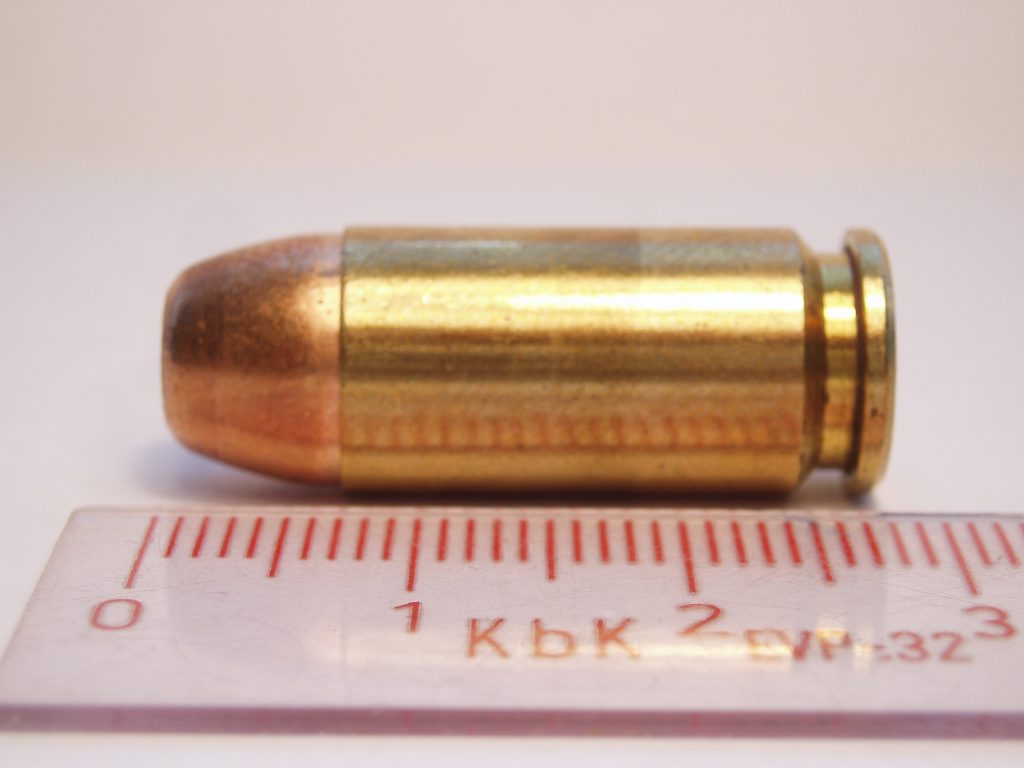
2. .40 S&W
.40 S&W was built around the search for more bullet weight and diameter than 9mm while keeping duty-pistol dimensions practical. That design goal still shows up in ballistic testing, where .40 commonly has no trouble reaching the lower end of the FBI minimum.
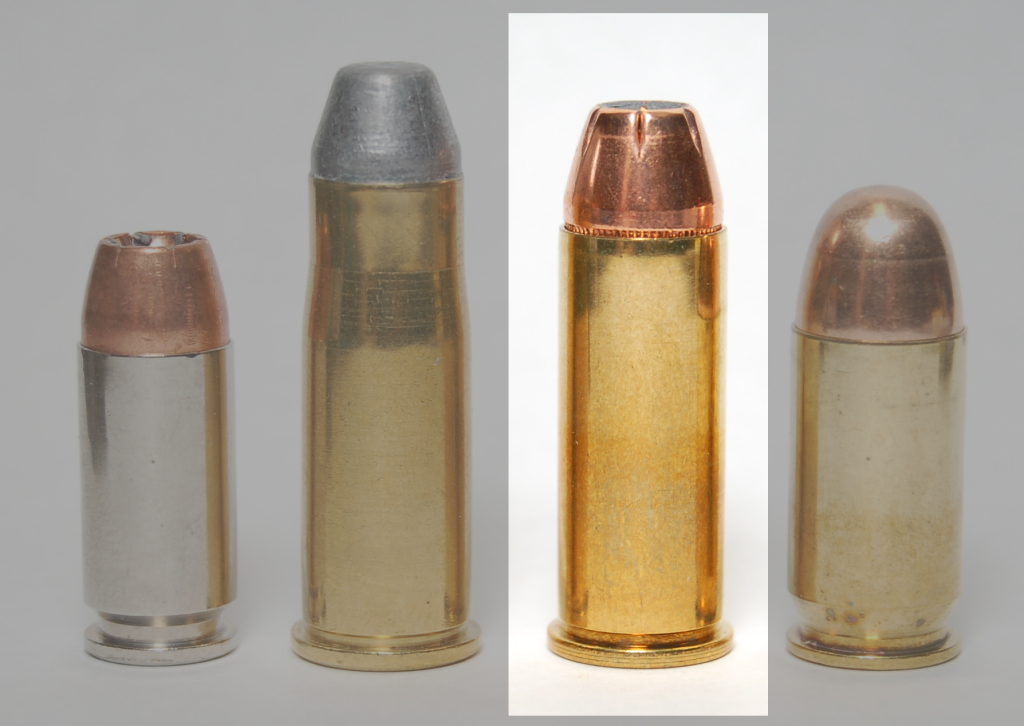
Its pattern is straightforward: under-penetration is uncommon, and the better loads expand dramatically. The tradeoff is that some bullets can plug with heavy clothing and continue too far. In other words, .40 S&W consistently has enough penetration potential; the difference between average and excellent performance comes down to bullet construction. When the hollow point works as intended, the caliber sits comfortably inside the FBI window.
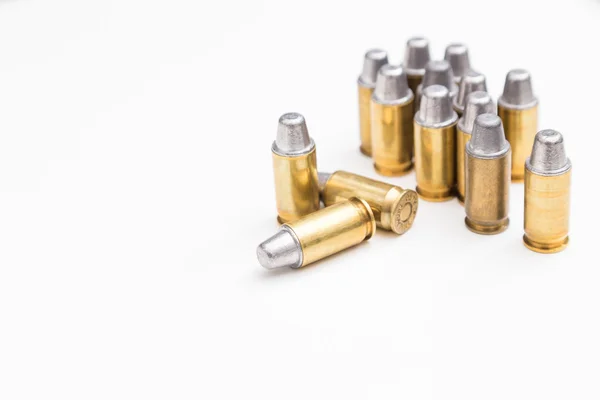
3. .45 ACP
.45 ACP has always leaned on frontal diameter, but modern testing shows that bullet size alone is not the story. To satisfy the FBI standard, .45 still depends on a load that balances expansion with retained depth.
When that balance is right, .45 ACP remains one of the more reliable performers in service-size pistols. Heavy-clothing tests have shown that successful expanding loads can stay in the desired range and produce wide permanent wound channels. The familiar limitation is also clear: if expansion fails, the caliber can penetrate much farther than intended. Its best loads are not carried by tradition alone; they work because modern bullet engineering keeps a large projectile from acting like a non-expanding slug.
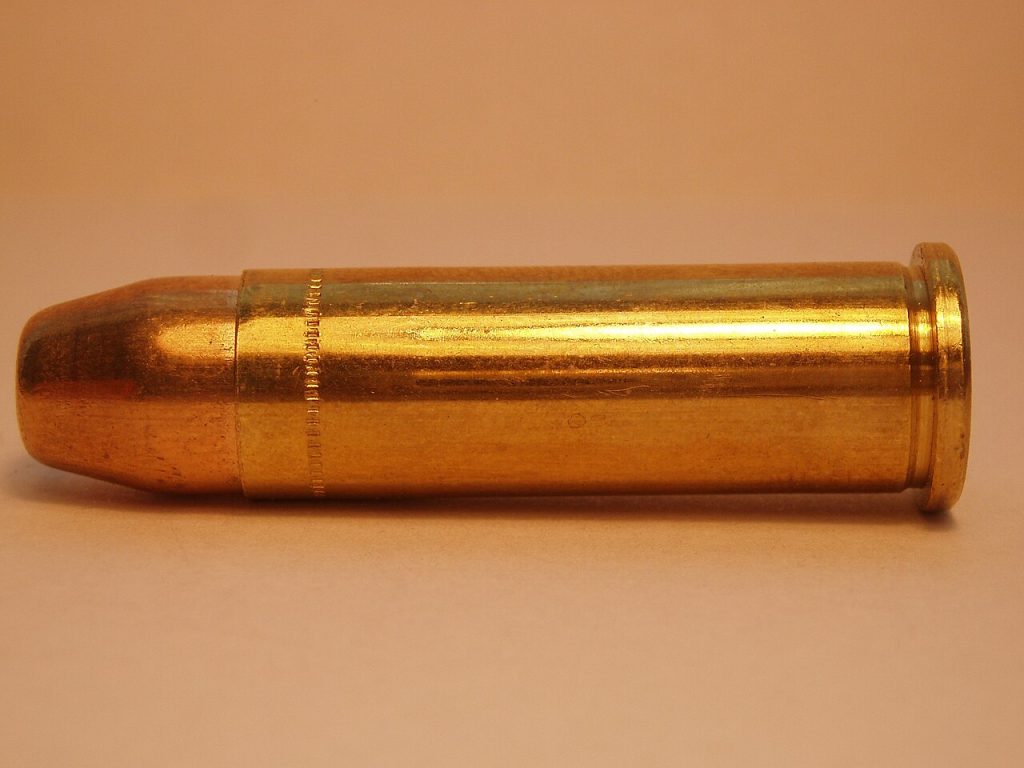
4. .38 Special
.38 Special remains relevant because snub-nose revolvers are still common carry guns, and the caliber has benefited from ammunition specifically tuned for short barrels. Older .38 loads often struggled to expand from compact revolvers, but current defensive offerings have narrowed that gap.
That matters because the FBI window can be difficult to hit from a two-inch barrel. Velocity is limited, and expansion has to be controlled carefully so the bullet does not open too quickly and stop short. The better modern +P loads, especially those designed for short barrels, repeatedly reach acceptable penetration while maintaining at least moderate expansion. In practical terms, .38 Special now meets the standard more often because bullet design finally caught up with the revolvers most people actually carry.
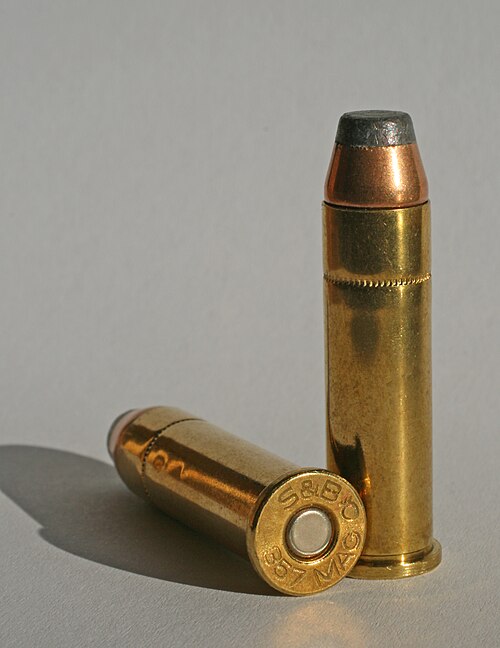
5. .357 Magnum
.357 Magnum has long had enough energy to satisfy penetration requirements, but the real question has never been whether it can reach vital depth. The question is whether a given load stays inside the upper boundary while delivering controlled expansion.
That is why modern defensive .357 loads matter so much more than raw velocity figures. With suitable jacketed hollow points, the caliber routinely penetrates to service-grade depths and still expands dependably through clothing. It remains one of the more capable revolver chamberings for meeting FBI-style criteria, though it often brings more recoil, blast, and muzzle flash than lower-pressure options. The caliber’s consistency comes from surplus penetration capacity paired with bullet designs that tame it.
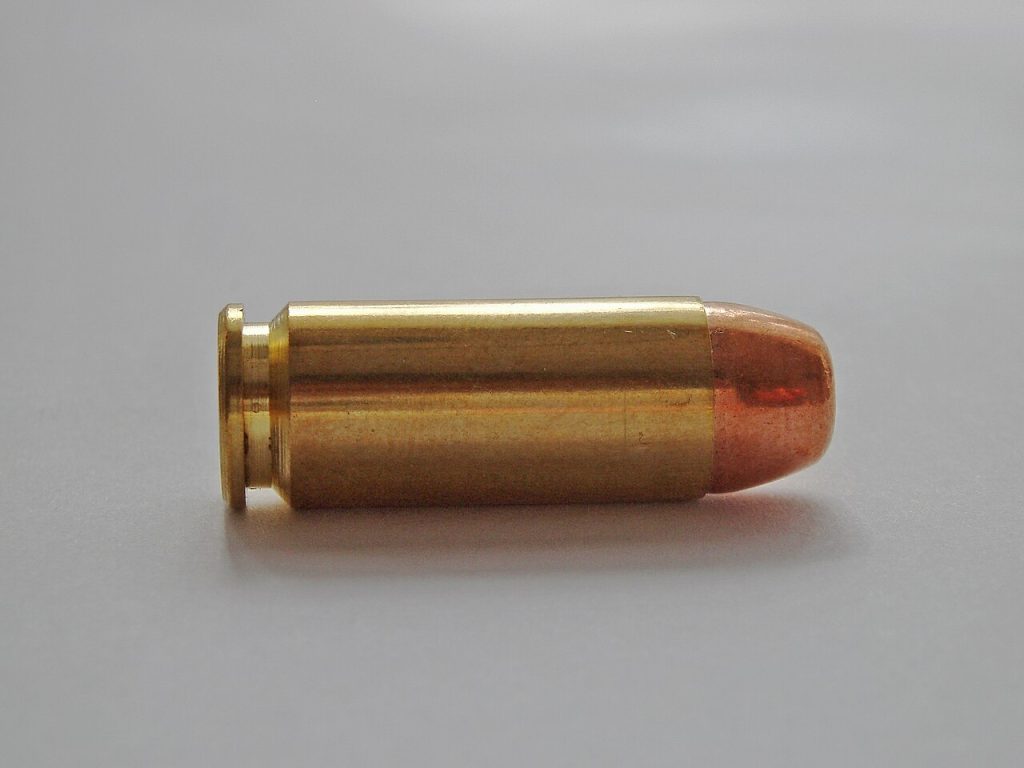
6. 10mm Auto
10mm Auto carries a reputation for excess, but ballistic testing shows it is not simply a deeper-penetrating .40. Its performance is highly sensitive to bullet design and velocity window. In one structured gel series, five of the eleven loads tested met the FBI criteria for penetration while also showing good expansion. That result says a lot about 10mm as a defensive caliber. It has the power to meet the standard easily, but pushing bullets too fast can work against expansion or drive penetration past the preferred ceiling. The best 10mm loads are the ones engineered specifically for that speed band rather than simply loaded as hot as possible. As the test data put it, faster is not always better.
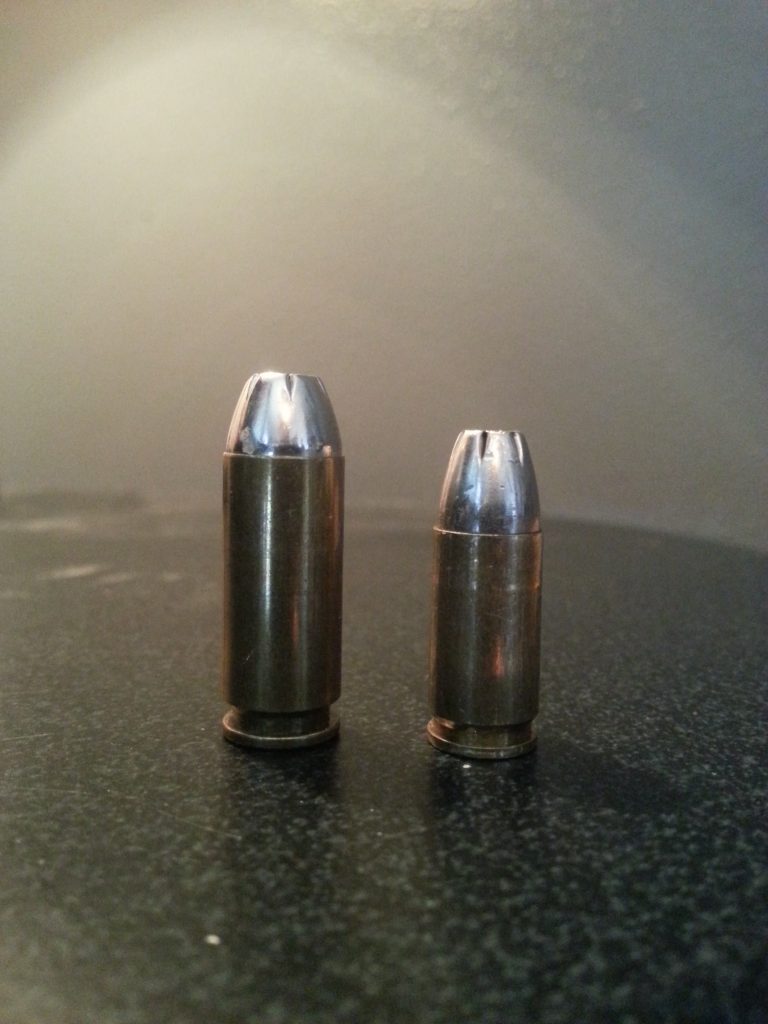
The calibers that most consistently satisfy FBI-style penetration standards are not necessarily the biggest or the fastest. They are the ones supported by bullet designs that stay stable through heavy clothing and still deliver enough depth to matter. That is why 9mm, .40 S&W, .45 ACP, .38 Special, .357 Magnum, and 10mm Auto continue to anchor serious defensive-ammunition conversations. The standard measures penetration, not mythology, and these six calibers keep showing that sound bullet design matters as much as the headstamp.


