Modern sidearm design has spent years trimming ounces, simplifying controls, and making room for lights, optics, and suppressors. That shift pushed polymer frames and striker-fired systems to the front.
Even so, a small class of older or heavier handguns still holds attention because mass, durability, and predictable handling solve problems that newer designs do not erase. Some stayed relevant through long institutional service. Others proved so specialized that they became reference points for what a fighting pistol could be.
1. Smith & Wesson Model 686
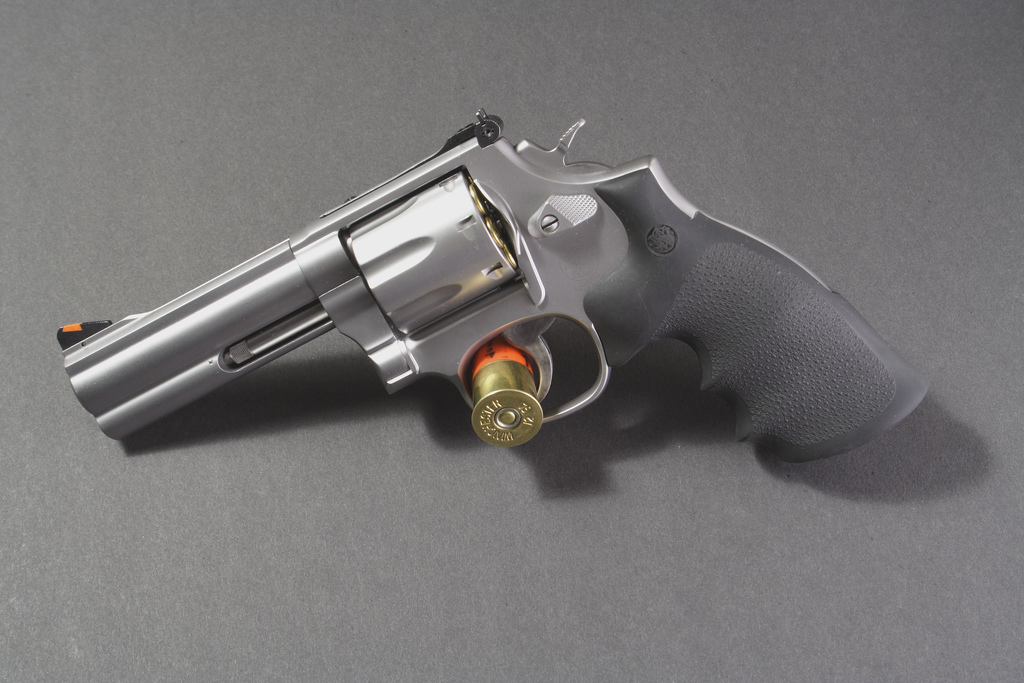
The stainless Model 686 remains one of the clearest examples of weight working as a performance feature instead of a drawback. Built on Smith & Wesson’s L-frame, it was engineered to digest full-power .357 Magnum loads without shaking loose, and that design brief explains nearly everything about its staying power. The revolver’s heft helps flatten recoil, keeps the sights from wandering as much in double-action strings, and makes hot ammunition less punishing over long sessions.
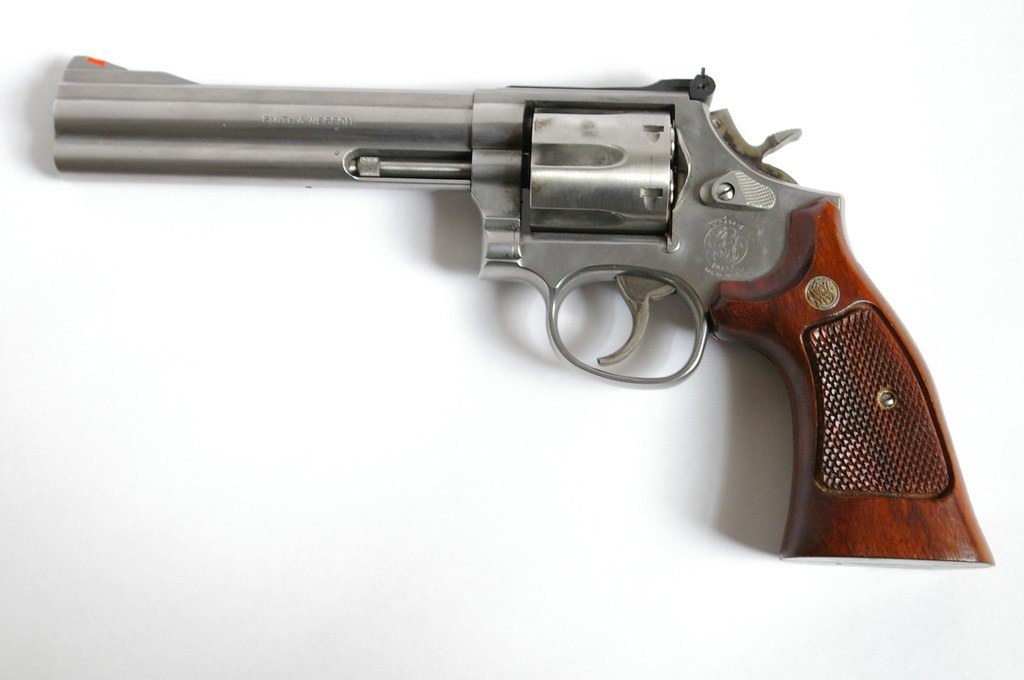
Its appeal also comes from mechanical simplicity. A revolver removes magazine tuning, feed geometry, and slide timing from the equation, which is why durable wheelguns still retain a niche in training, field use, and roles where ammunition variety can complicate self-loading pistols. The 686 did not survive because it was old. It survived because it was overbuilt where stress actually lives.
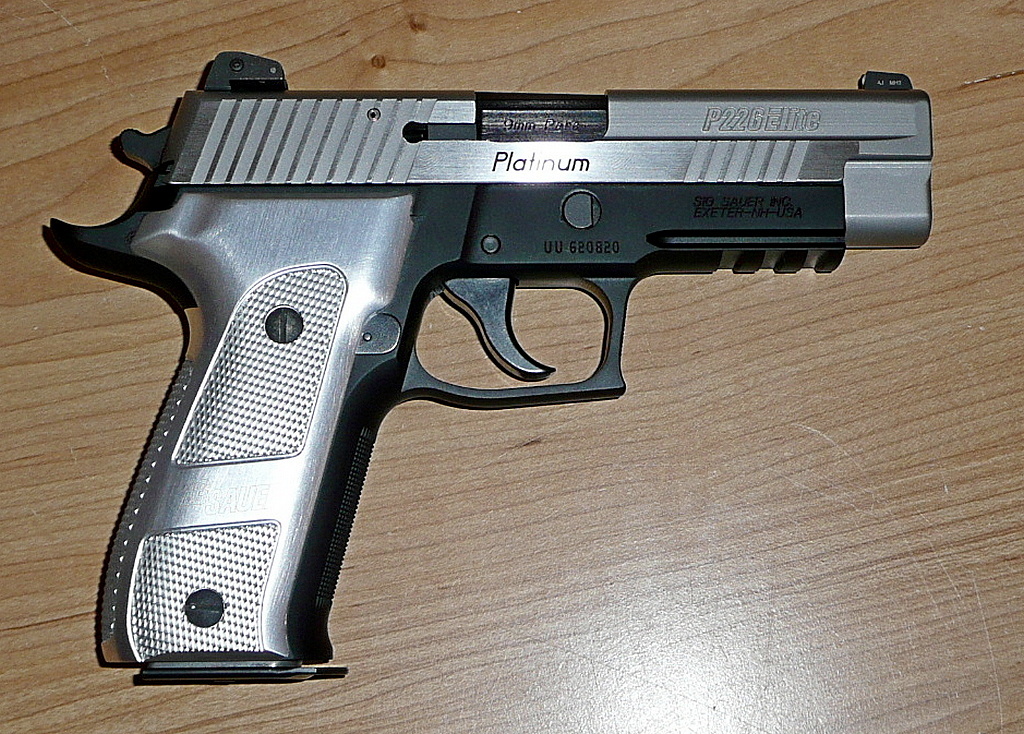
2. SIG Sauer P226
The P226 earned its place through testing, institutional trust, and years of hard use. It became closely tied to naval special operations, then evolved through service variants as mission demands changed. The platform’s alloy frame keeps it lighter than an all-steel pistol, but it still carries enough weight to shoot smoothly, especially in rapid fire.
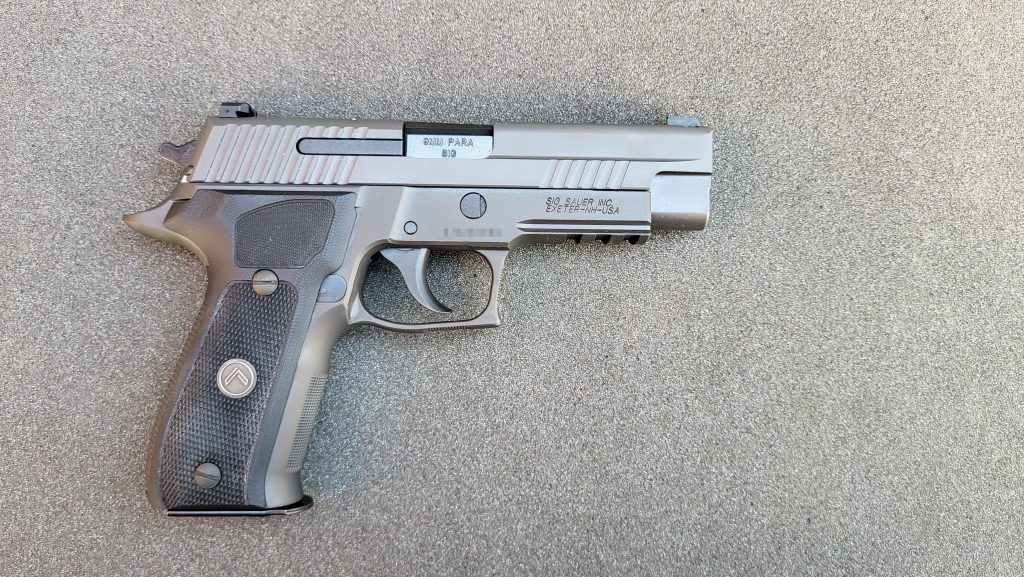
That balance mattered. The double-action/single-action system, decocking lever, and full-size grip gave users a pistol with a deliberate first pull and stable follow-up shots. Later SEAL-focused variants added corrosion-minded and accessory changes, and the Mk 25 update in 2011 brought a standard rail and night sights to keep pace with modern equipment requirements. Even after many units moved to Glock pistols, the P226 remained a benchmark for a reason: it built its reputation on consistency, not novelty.
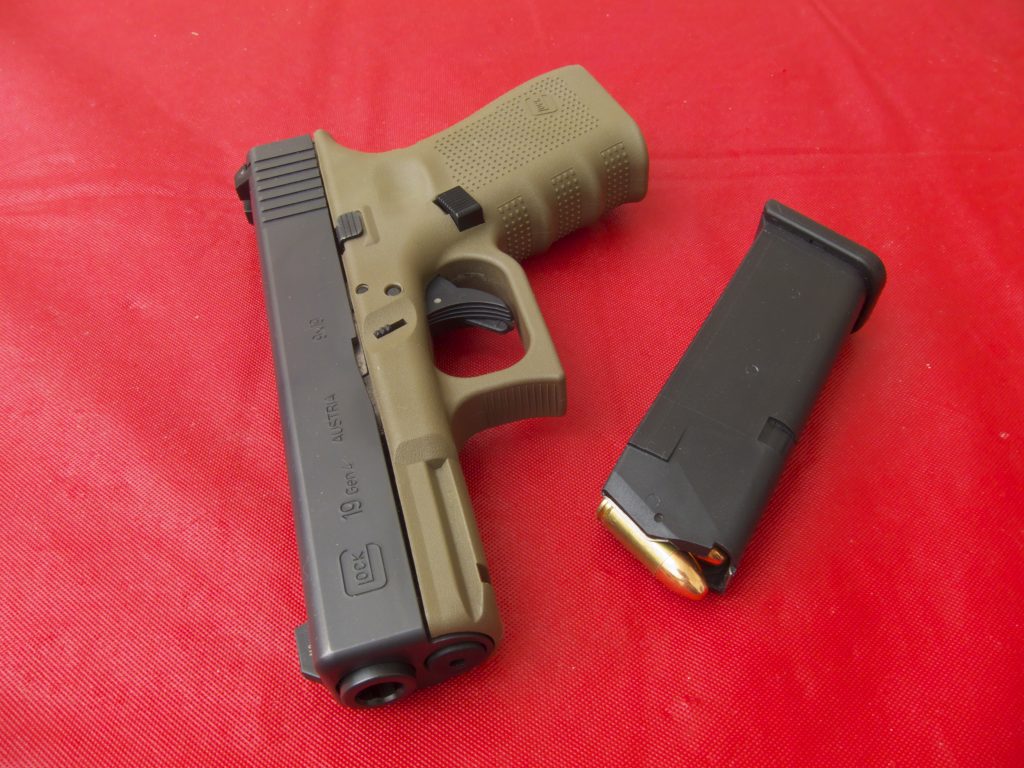
3. Glock 19
The Glock 19 is the outlier here, but leaving it out would distort how elite-handgun preferences actually developed. Compact enough to conceal yet large enough for service use, it became the practical answer for units that wanted lighter carry weight, one consistent trigger press, and broad parts compatibility. In the special-operations world, those traits mattered more than tradition.
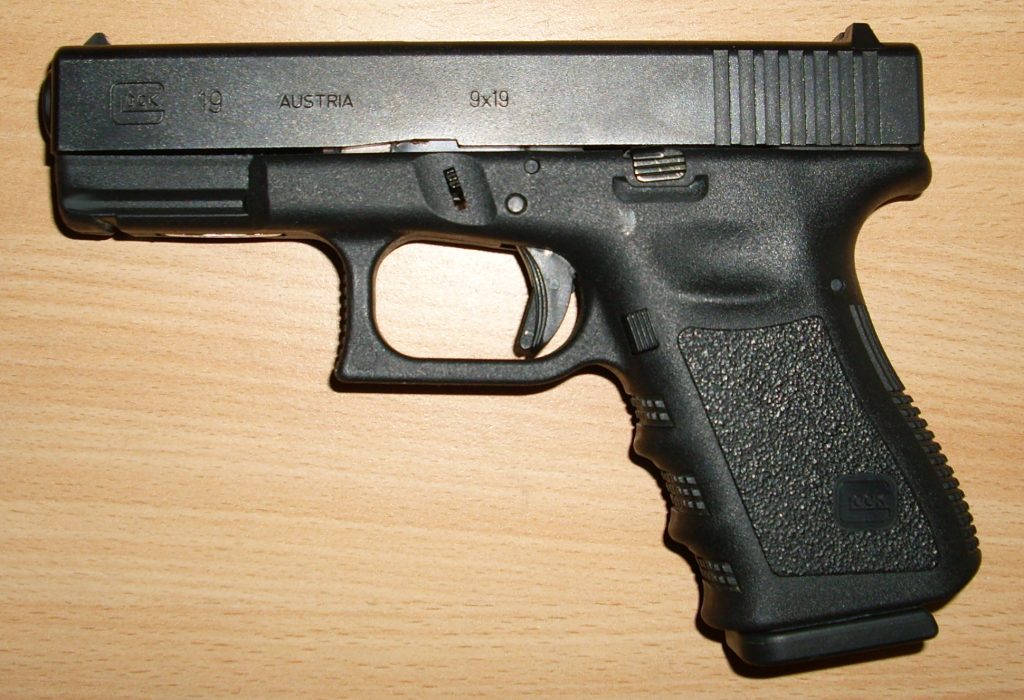
Army Special Forces pushed hard for a concealable pistol requirement that matched the Glock 19’s strengths, and SOCOM later adopted it more broadly. By 2016, SOCOM had standardized the Glock 19, reflecting a long shift toward simpler manual-of-arms and lower carried weight. That same trend also explains why older favorites such as the 1911 and P226 gradually gave up ground. The Glock 19 kept winning because it is easy to live with, easy to maintain, and adaptable without becoming bulky.
4. Beretta 92 / M9
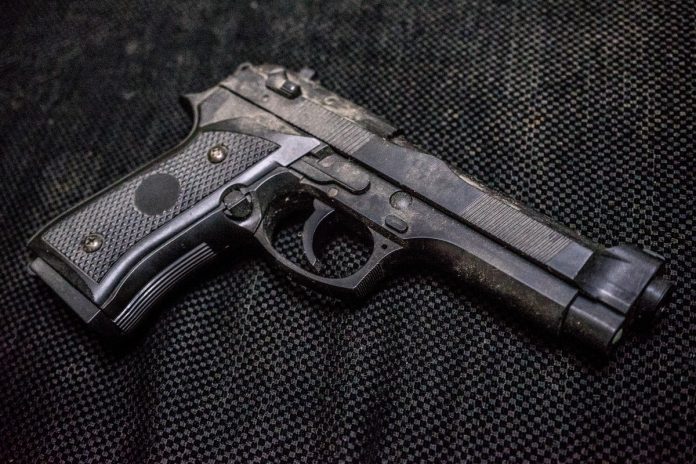
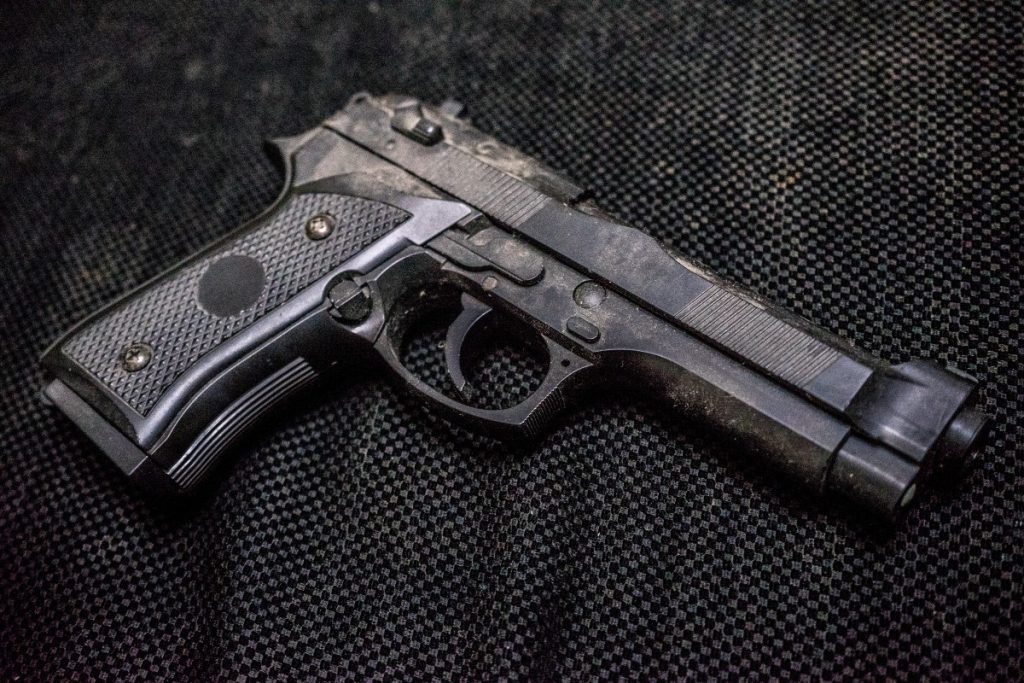
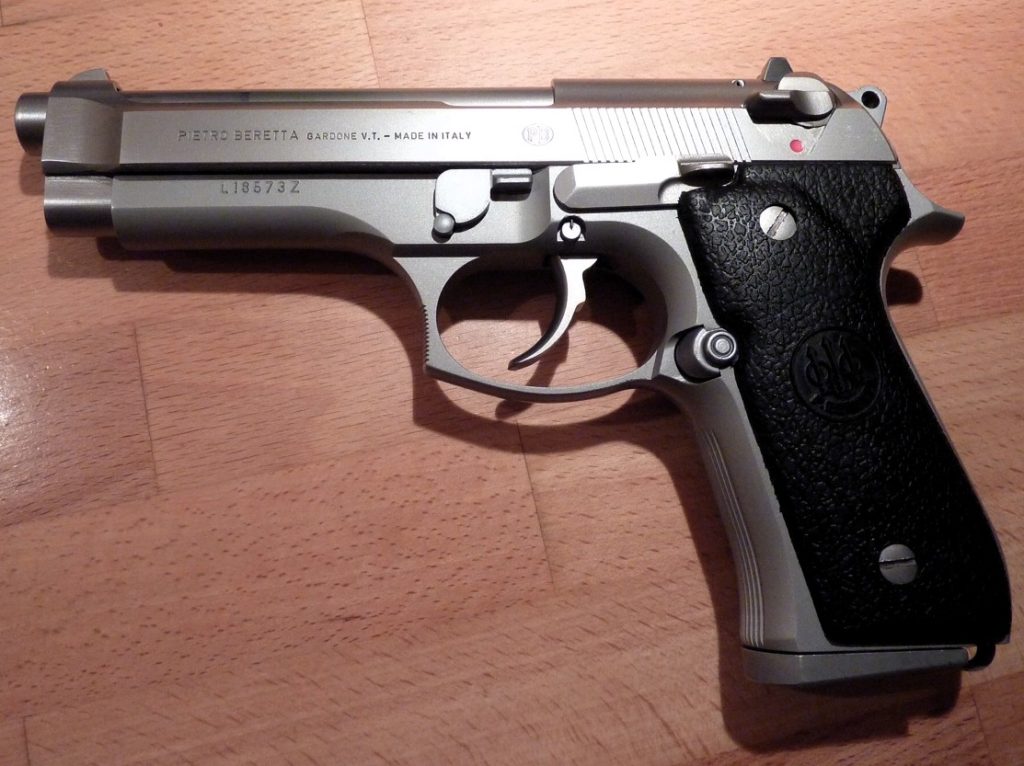
The Beretta 92 and its M9 military form defined an era of American sidearm doctrine. The U.S. military adopted the platform in 1985, and its shape, controls, and recoil character became familiar to generations of service members. The aluminum frame and open-slide layout gave it a softer, easy-tracking feel that helped many shooters run it well.
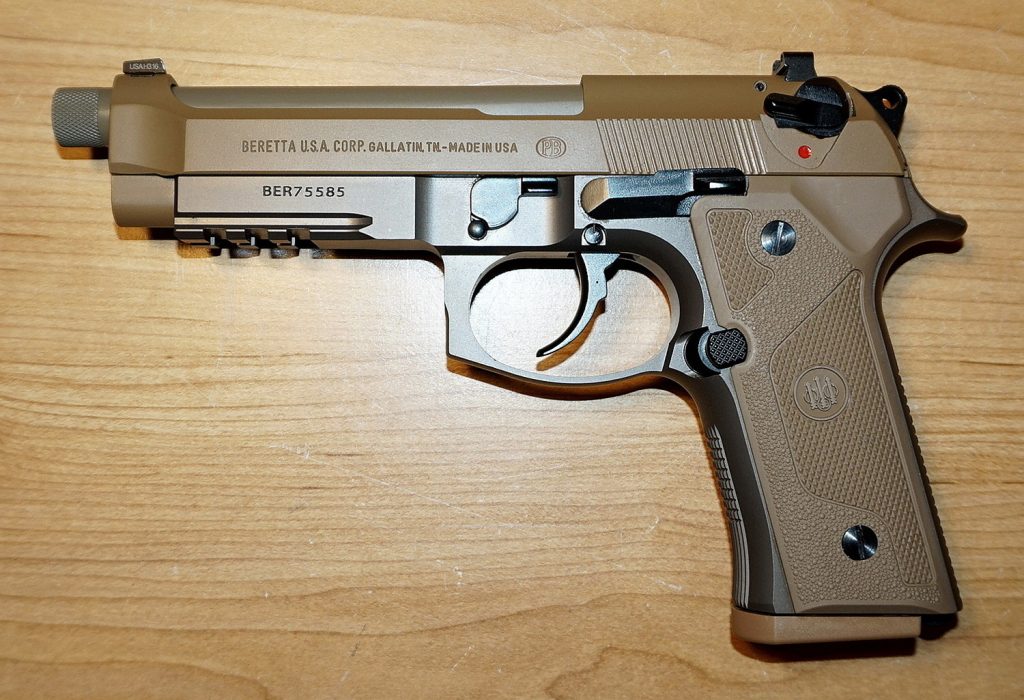
Its long life also shows how established pistols get pulled forward by changing mission needs. Rail-equipped versions such as the M9A1 reflected the growing need for lights and modern accessories, while design revisions addressed early durability concerns. The Beretta stayed important not because it froze time, but because it adapted enough to remain useful. Few handguns have shaped the image of the service 9mm as strongly.
5. HK Mk23
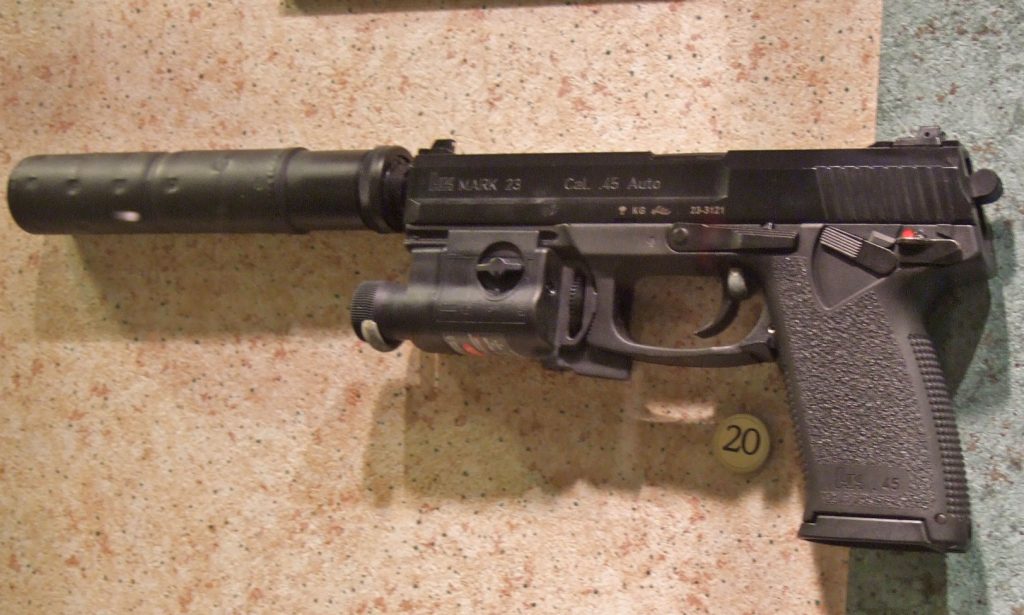
The HK Mk23 was built around an unusually demanding idea: a handgun robust enough to act less like a backup and more like a compact primary weapon in specialized roles. Developed for U.S. Special Operations Command, it was designed as an offensive handgun with suppressor compatibility, aiming-module integration, and extraordinary endurance requirements. Its specification demanded a pistol that could chamber .45 ACP, accept a suppressor and aiming unit, carry at least 10 rounds, and survive a 30,000-round endurance test. H&K’s design won and entered service in 1996. The result was famously large, and that size eventually limited its practical appeal for everyday carry.
But the Mk23 still matters because it captures a period when elite users wanted handgun durability and suppression capability pushed to extremes. It remains one of the clearest examples of mission-specific engineering outweighing convenience. These handguns do not all point in the same direction. Some represent the heavy-metal school of recoil control and service life. Others mark the rise of lighter, simpler systems that won by reducing friction in daily use. Together, they show that elite sidearm choices have never been about fashion alone. The through-line is straightforward: handguns stay relevant when they solve real handling, endurance, or carry problems better than the alternatives available at the time.


