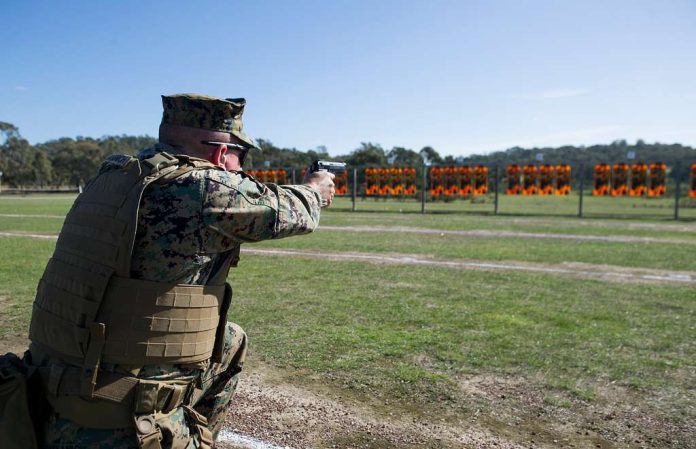
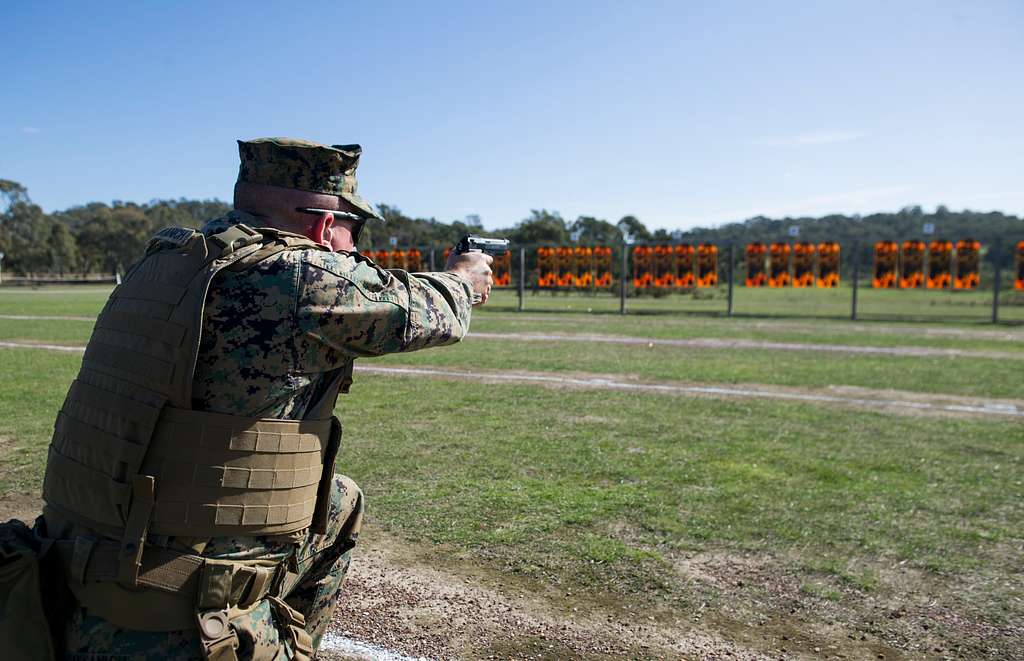
Army pistol competitions have rarely been just about picking a winner. In practice, they have acted like engineering filters, forcing designers to solve problems involving reliability, safety, capacity, maintenance, and long-term durability under controlled abuse. That pattern shows up again and again across more than a century of sidearm development. Some pistols won contracts, some lost them, and some were redesigned because the trials exposed exactly where a promising concept stopped being service-ready.
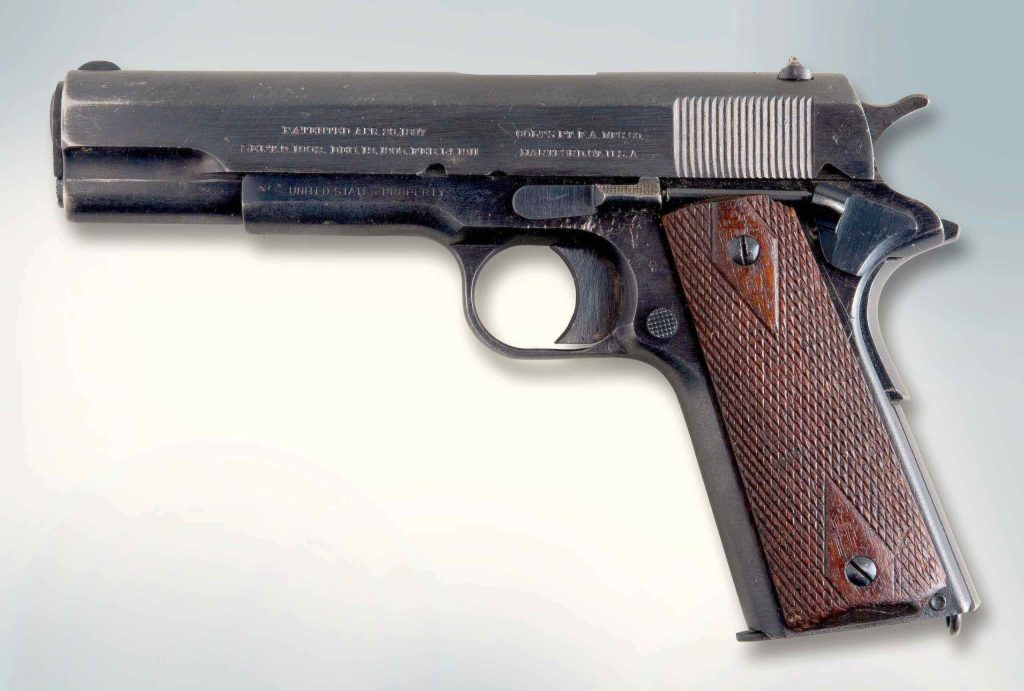
1. The 1907–1911 tests turned endurance into the real deciding factor
The early automatic-pistol era was crowded with ideas, but the Army’s .45-caliber trials pushed the field toward a harsher standard: a service sidearm had to keep running after long firing strings, rough handling, and repeated disassembly. In the 1907 board tests, guns from Colt, Savage, Luger, and others were evaluated for reliability, rust resistance, ease of maintenance, and practical field features. The Army was still comparing automatics against revolvers, which meant the new design had to prove not only that it worked, but that it worked better.
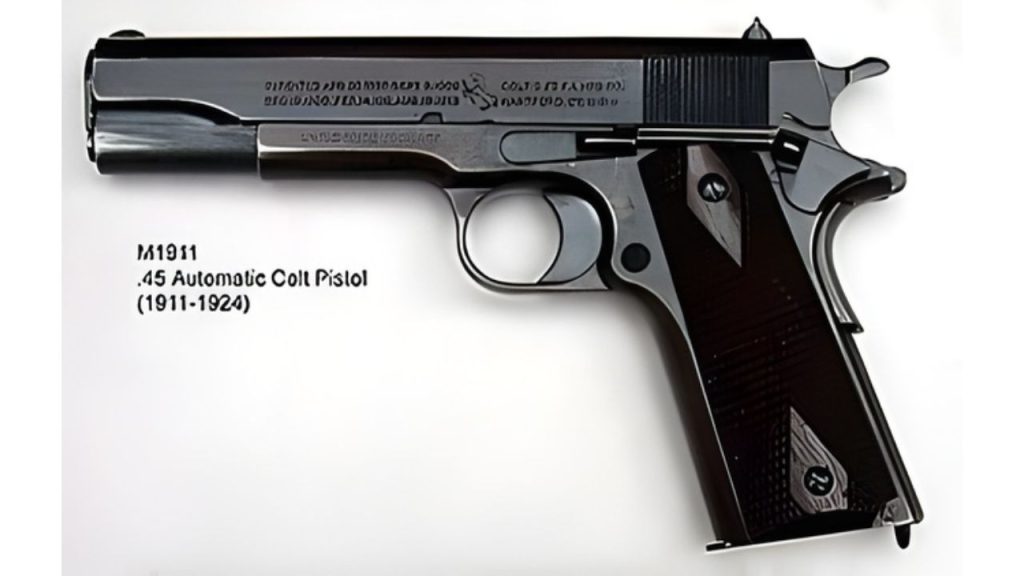
The decisive moment came later, when the Colt and Savage designs were refined and pushed through the famous 6,000-round head-to-head test in 1911. The Colt completed it with no recorded malfunctions, while Savage suffered 37 misfires. That result did more than secure adoption of the M1911. It helped establish a lasting Army expectation that a service pistol had to survive sustained heat, heavy fouling, and prolonged firing without turning fragile or unpredictable.
2. The late-1970s joint trials made reliability a number, not a reputation
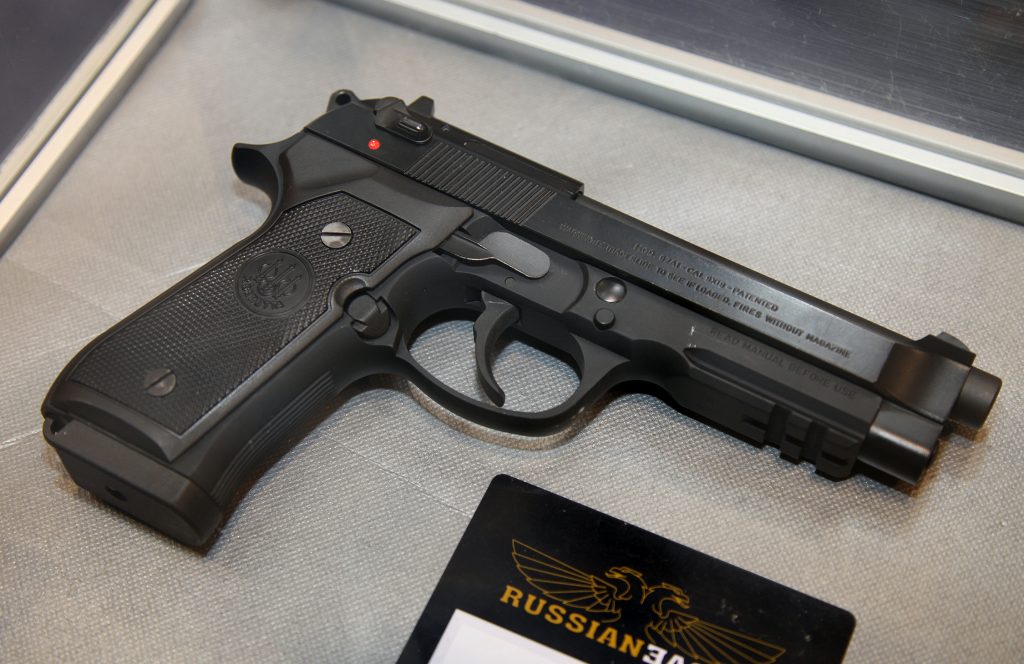
By the end of the 1970s, the armed services were juggling too many handguns and too many ammunition types. The push for standardization led to the Joint Service Small Arms Program, with testing centered on a 9mm sidearm that could work across services and align with NATO practice. The requirement set was modern for its time: double-action first shot, at least 13 rounds in the magazine, and measurable performance in accuracy and reliability.
The major shift was procedural. Instead of relying on institutional comfort with older pistols, evaluators started using metrics such as mean rounds between failure to compare guns under the same conditions. In those trials, Beretta’s 92SB-1 reportedly reached about 2,000 MRBF, far above the original requirement. That mattered because it translated “reliable” from a vague compliment into something testable. High-capacity 9mm pistols with decockers, firing-pin blocks, and safer carry conditions began to look less like optional upgrades and more like the baseline for future service sidearms.
3. The canceled 1981 XM9 effort forced the Army to tighten the rulebook
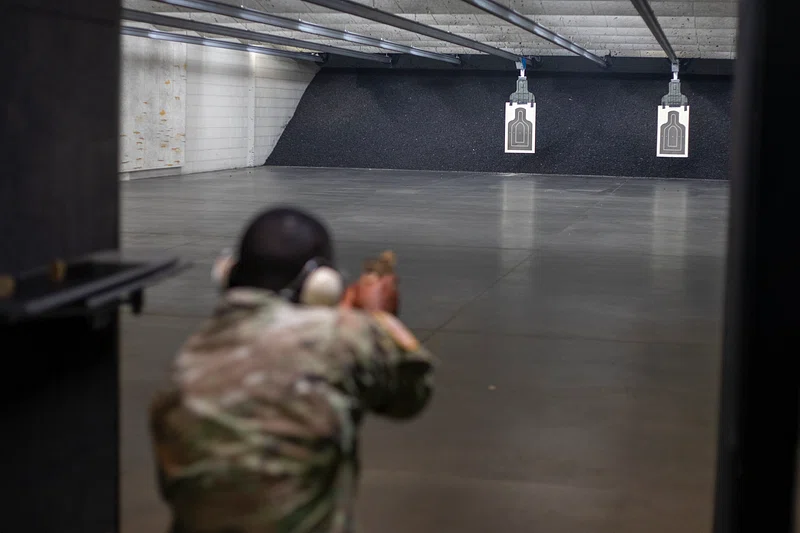
The first Army-run XM9 selection attempt in 1981 is important precisely because it did not produce a clean result. The program was terminated after submitted pistols failed to meet the standard, and the episode drew criticism over test methods, comparability, and transparency. That failure changed procurement culture.
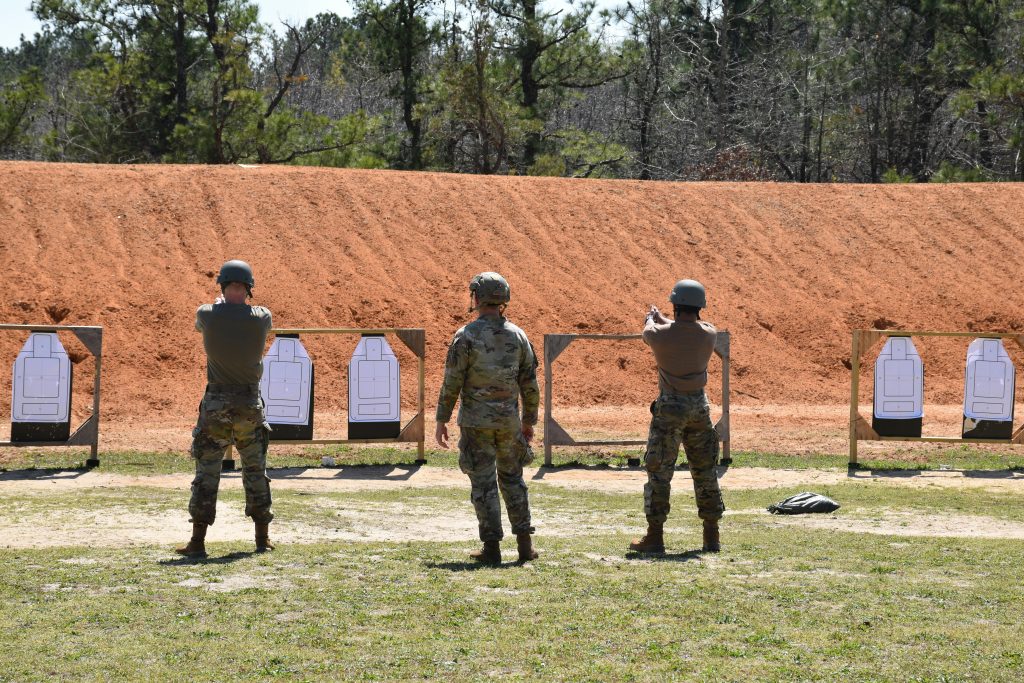
After that point, pistol competitions could not lean on brand prestige or scattered range impressions. They needed clearer scoring, better sample handling, and pass-fail gates that manufacturers could design toward. In other words, the canceled trial taught the Army that a sidearm program had to be defensible as a process, not just persuasive as a conclusion.
4. The 1983–1984 XM9 trials locked in the modern service-pistol checklist
When XM9 restarted, the testing structure became much tougher and more explicit. The Army asked for 30 pistols per entry plus spare parts, then exposed candidates to endurance work, environmental testing, and safety evaluation. Mud resistance, corrosion behavior, and drop performance were no longer side concerns. They were contract-defining requirements.
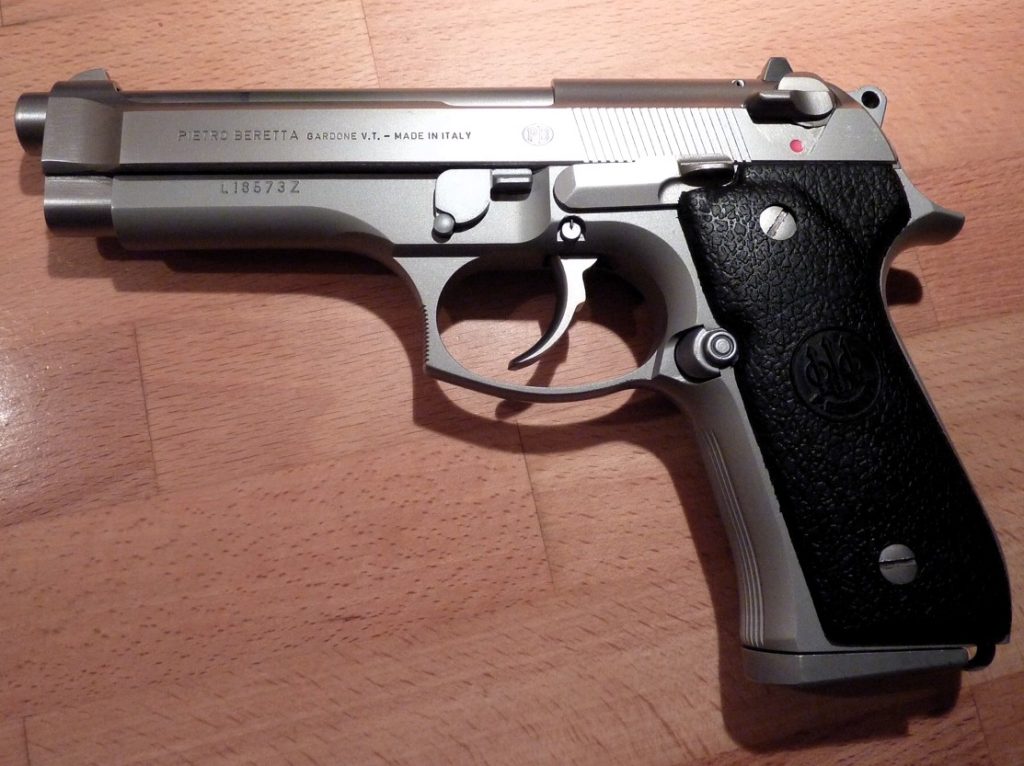
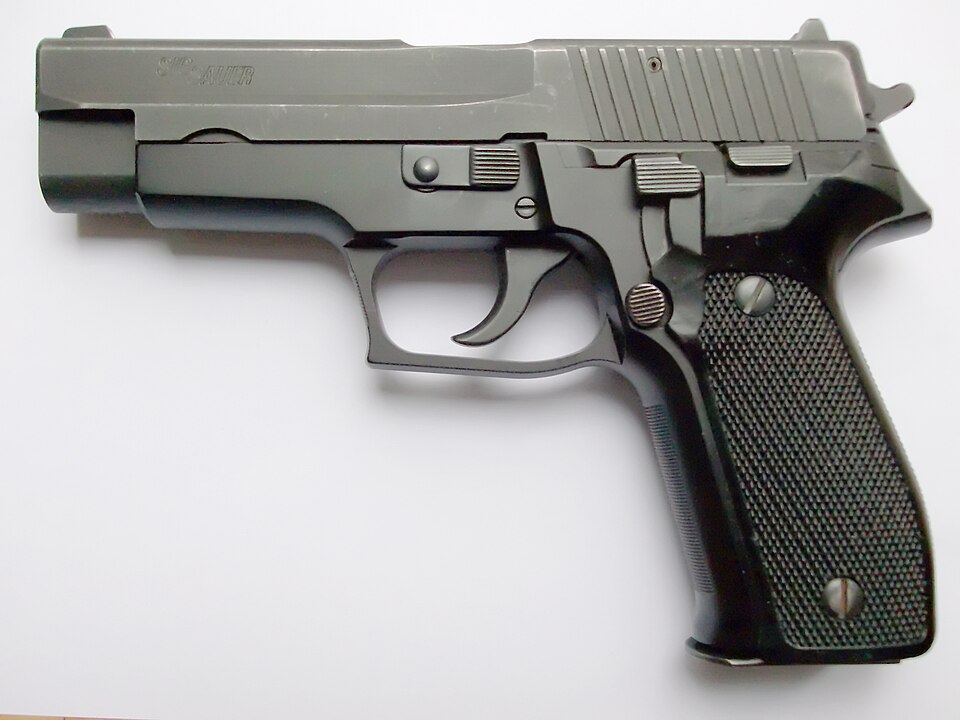
Only two pistols emerged as technically acceptable: the Beretta 92F and the SIG Sauer P226. Other contenders fell away for reasons that included reliability shortfalls, service-life problems, and safety or materials issues. Beretta ultimately won the contract, but the larger legacy was broader than one pistol. The XM9 program normalized the idea that a military sidearm needed robust magazines, secure drop-safe handling, and the ability to keep functioning after dirt, water, and repeated wear cycles. Even later criticism of early M9 slide failures pointed back to the importance of controlled ammunition specs and system-level testing, since later analysis tied those cracks to overpressure M882 ammunition rather than a simple design collapse.
5. The XM17 competition showed how modularity became the new battleground
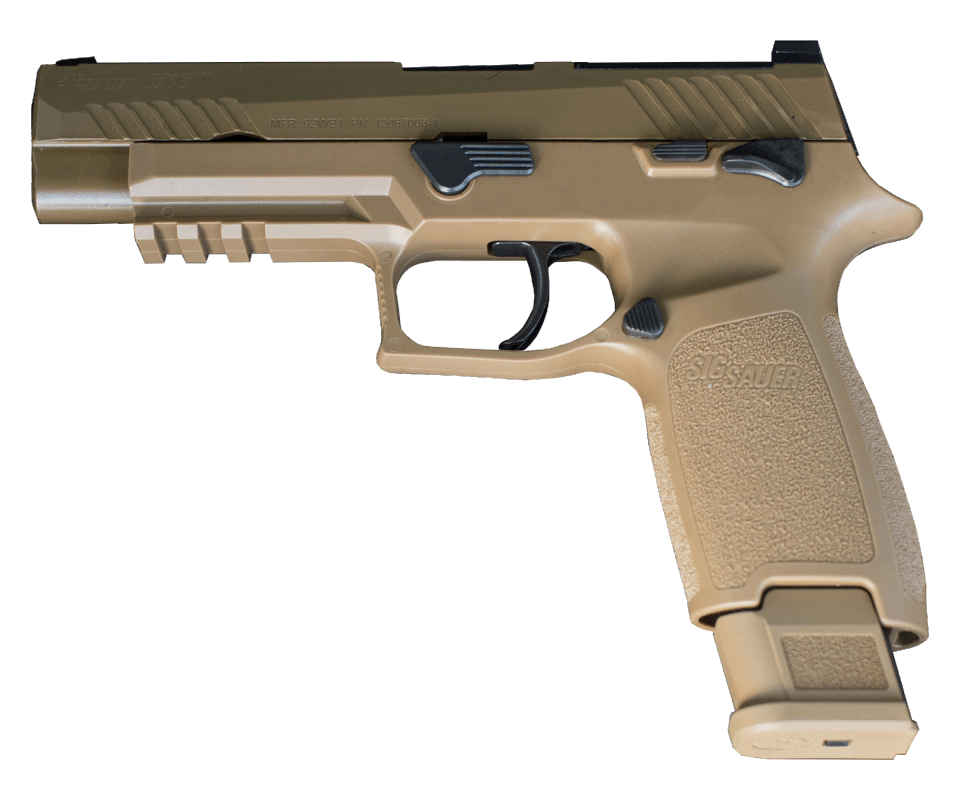
The most recent major shift came with the Modular Handgun System competition. By the 2010s, the question was no longer just whether a pistol could survive abuse. The Army wanted a sidearm that could fit different shooters, accept accessories, support suppressor use, and remain durable across a long service life. The published requirement called for roughly 2,000 mean rounds between stoppages, 10,000 mean rounds between failures, and a 35,000-round service life, according to the XM17 program requirement summary.
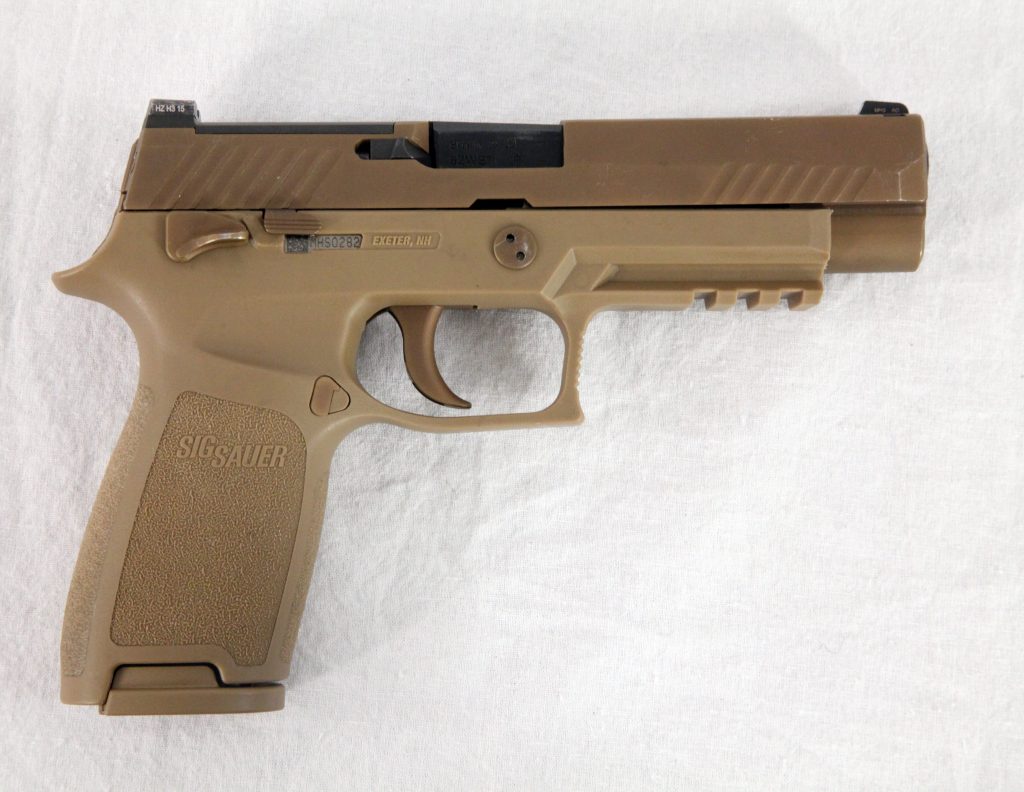
The SIG Sauer P320-based entry won and became the M17 and M18, but the trial’s engineering significance went beyond the contract award. It cemented modular grip systems, accessory compatibility, and mission configurability as central military requirements rather than niche features. It also underscored that selection does not end technical scrutiny. Post-award testing identified drop-fire concerns, and the pistol received a trigger-group update before wider service maturity. That sequence reinforced another long-running lesson from Army pistol trials: adoption and verification are part of the same engineering story.
Across these five competitions, the Army repeatedly forced handgun makers to build around measurable stress instead of sales appeal. Capacity standards, safety systems, environmental resistance, service life, and modular ergonomics all moved from desirable traits to hard requirements because a trial made weakness impossible to ignore. That is why these tests still matter. They did not just choose sidearms for one era. They reshaped what a service pistol is expected to be.


