Hunting cartridges tend to rise and fall with trends, but field performance does not change nearly as fast as shelf talk. The rounds that keep earning respect usually do it the same way: manageable recoil, practical bullet weights, and the kind of accuracy hunters can use from a pack, a kneeling position, or a rushed window in thick cover.
That matters because clean kills still start with shot placement. A cartridge that a hunter can practice with often, carry comfortably, and shoot without flinching has an advantage long before the bullet reaches game.
1. .338 Federal
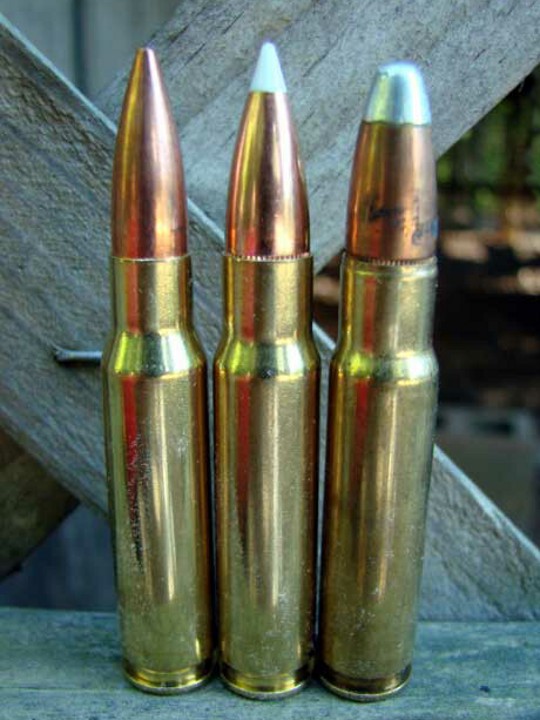
The .338 Federal remains one of the more useful answers to a simple hunting problem: how to get a larger bullet diameter in a short-action rifle without stepping into magnum recoil. Built by necking up the .308 Winchester case, it gives hunters a compact rifle with more frontal area and enough bullet weight to hold together when angles are less than perfect.
Typical hunting loads run from 185 to 225 grains, and that weight class is the point. Rather than depending on extreme speed, the cartridge leans on bullet diameter, momentum, and controlled expansion. In timber, on steep quartering shots, or when a hunter is forced into an awkward field position, that approach still has value.
2. 7mm-08 Remington
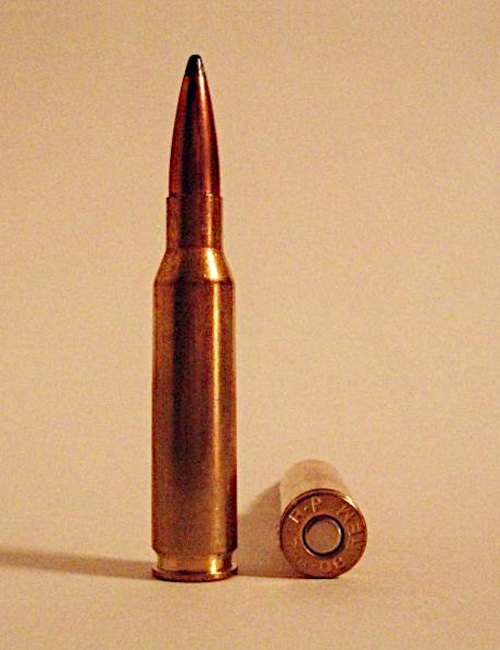
The 7mm-08 has spent years living in the shadow of newer 6.5s, even though its formula still makes enormous sense. It is simply the .308 Winchester necked down to 7mm, and that combination gives it mild recoil, efficient powder use, and access to bullets that balance flat flight with dependable penetration. Factory loads commonly center on 120- to 150-grain bullets, but the cartridge can also use heavier projectiles well.
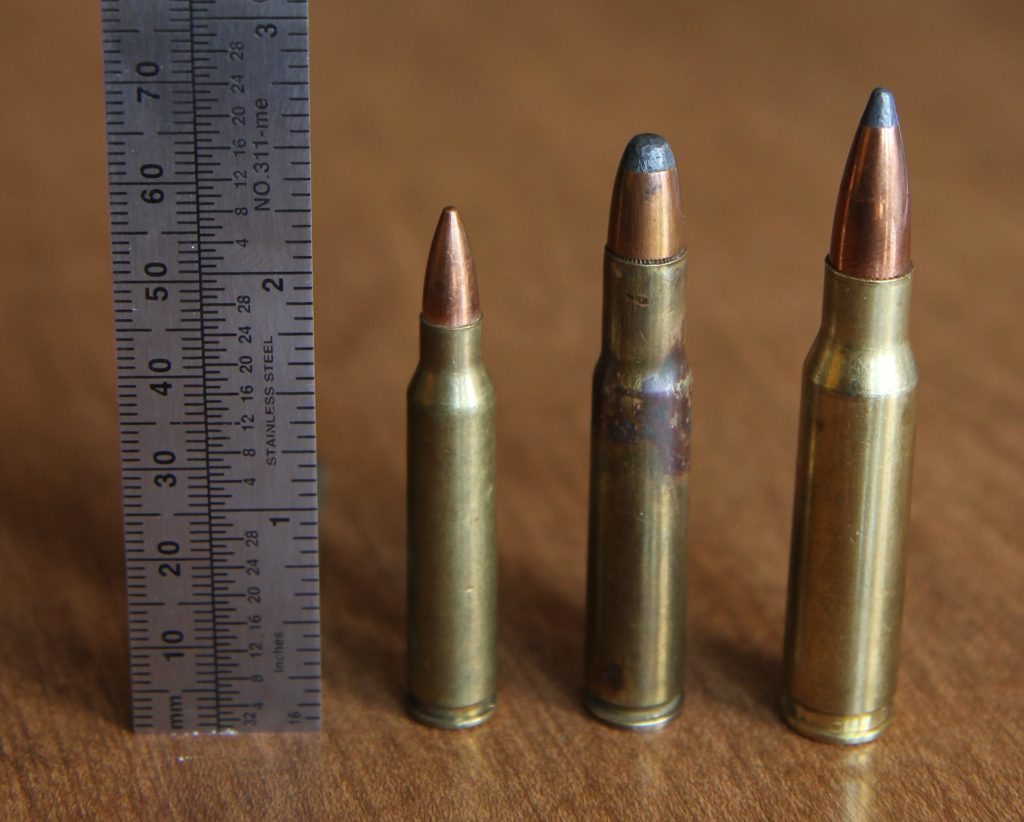
In practical terms, it can push a 150-grain bullet to around 2800 fps while keeping recoil near 12 foot-pounds in a typical hunting rifle. That makes it easier to shoot than many standard big-game rounds, and its short-action fit keeps rifles trim enough for mountain country, hardwood ridges, or all-day carry. The 7mm-08 has also held onto one of the best reputations in hunting: it is forgiving to shoot well, and cartridges that are easy to shoot well tend to work unusually hard in the field.
3. .35 Whelen
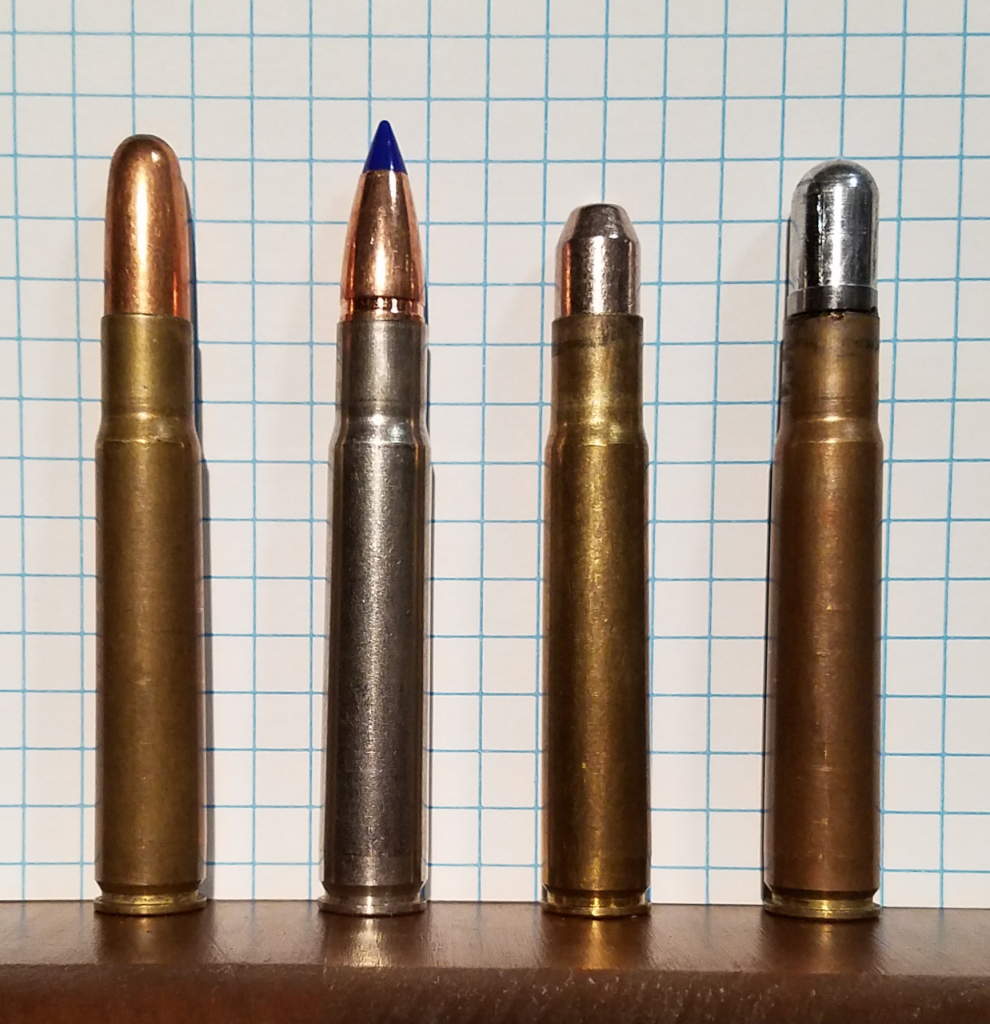
The .35 Whelen has always appealed to hunters who value straight-line penetration over fashion. Based on the .30-06 case opened to .358 caliber, it throws heavy bullets from a standard-length action and does it without the blast and recoil profile of a belted magnum.
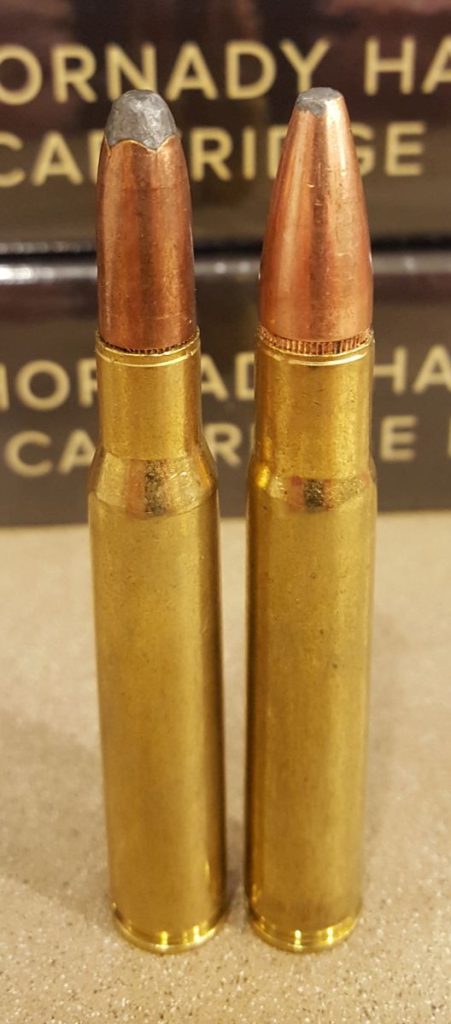
Its appeal is not mystery; it is mechanics. A larger-diameter bullet with solid sectional density can keep driving when impact conditions are not ideal, and that has kept the Whelen relevant for hunters who expect close-to-medium-range shots on bigger-bodied game. It is less about flat trajectory and more about bullet behavior after impact.
4. .280 Remington
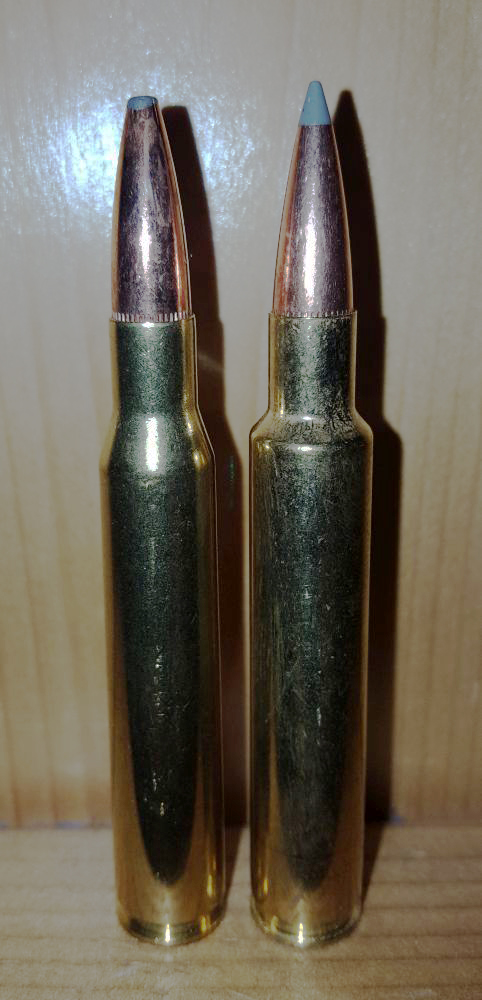
The .280 Remington may be one of the most persistently overlooked all-around cartridges in North America. It sits on the .30-06 case head, uses 7mm bullets, and occupies the useful middle ground between the .270 Winchester and more forceful .30-caliber standards. Its strength is bullet flexibility without punishing recoil.
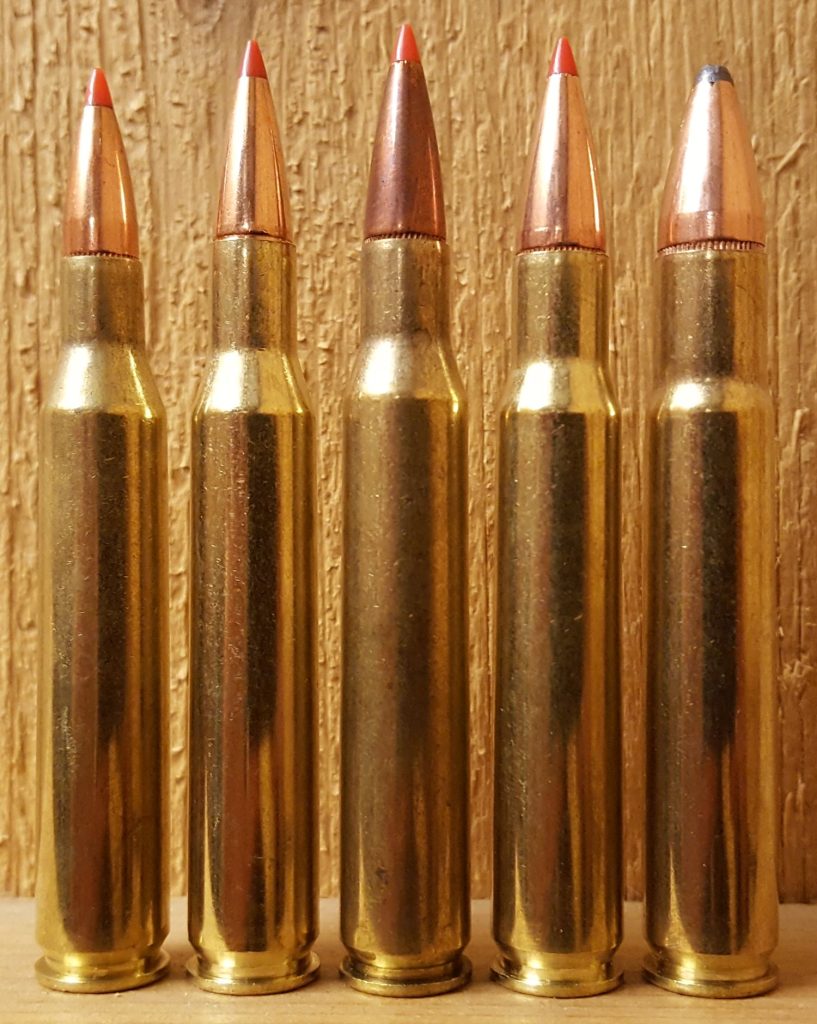
The cartridge can handle up to 175-grain bullets, giving hunters access to high sectional density and dependable penetration, but it does not demand a heavy rifle just to stay comfortable at the bench. That balance helps explain why the .280 has survived for so long without ever becoming a fad. It has enough reach for open country, enough bullet weight for difficult angles, and enough shootability to encourage real practice.
5. .257 Roberts
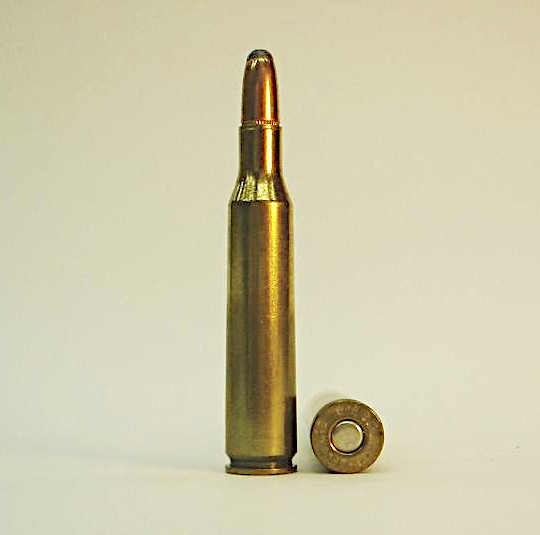
The .257 Roberts still represents one of hunting’s most sensible old ideas: enough speed for deer and pronghorn, light recoil for frequent practice, and enough versatility to cover more than one role. Derived from the 7×57 Mauser, it has long been respected for doing useful work without noise, punishment, or unnecessary excess. Its technical footnote remains unique. The cartridge is really two different cartridges in the marketplace, with modern rifles benefiting most from the +P loadings that raised its pressure ceiling and sharpened its performance. That added speed did not change the Roberts’ character so much as confirm it.
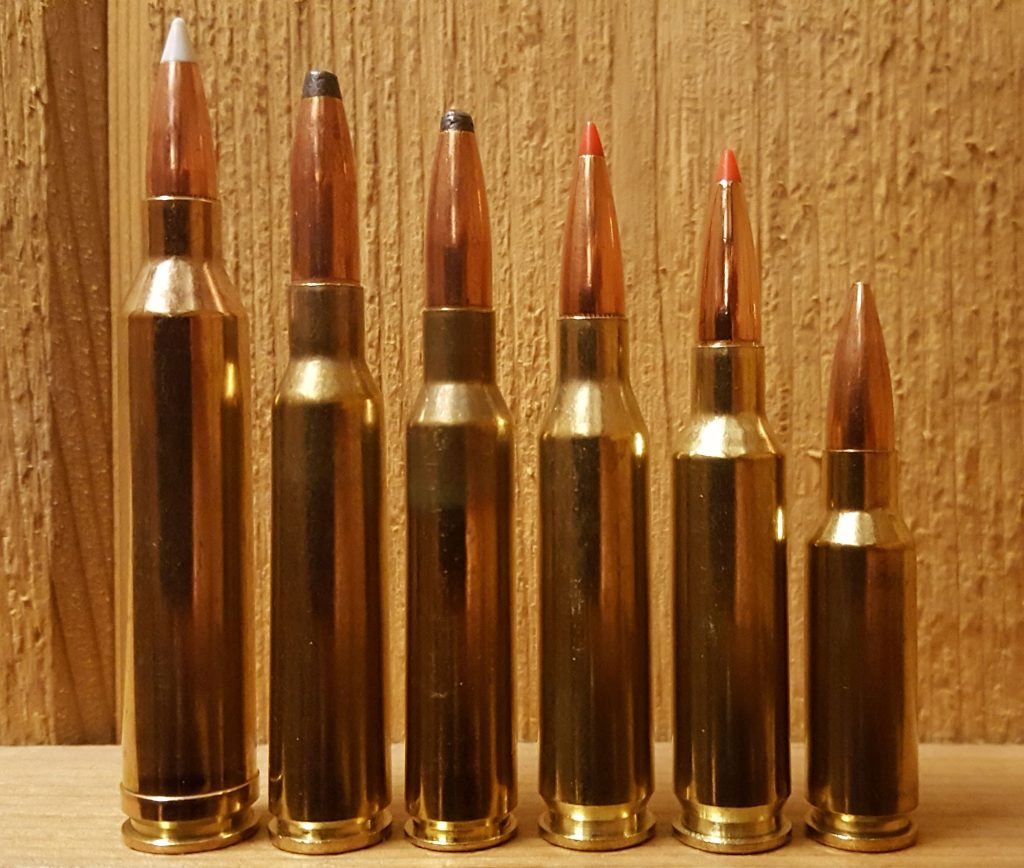
Even today, it sits in a practical middle space between the .243 Winchester and the 6.5 Creedmoor, offering enough bullet weight for medium game and recoil light enough to make accurate field shooting easier. Modern bullet construction has only strengthened that case. These cartridges share a trait that matters more than trendiness: they help hunters shoot better under ordinary conditions. None relies on hype, and none needs magnum velocity to make sense. That is why they remain relevant. When the barrel is cold, the rest is short, and the position is imperfect, a cartridge that stays controllable often does more for a clean kill than one that only looks impressive on paper.


