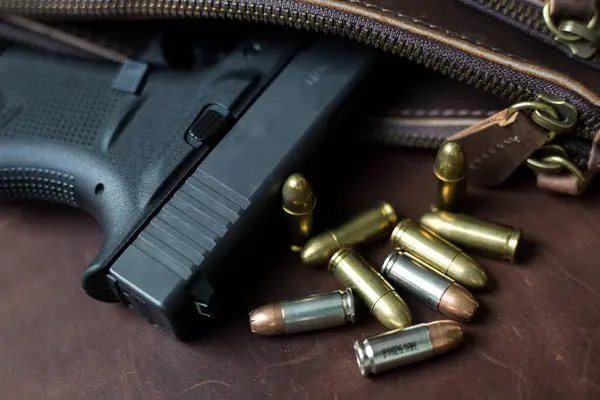
Home defense ammunition is often discussed as if raw power settles the question. It does not. What matters more is a practical balance of reliability, controllability, and enough penetration to reach vital structures without creating unnecessary risk inside a house.
That balance is why some cartridges and loads remain bad fits for defensive use indoors. The 12-to-18-inch penetration standard still shapes the conversation, but home defense also adds concerns about recoil, follow-up shots, and rounds that keep traveling after the target or after a miss.
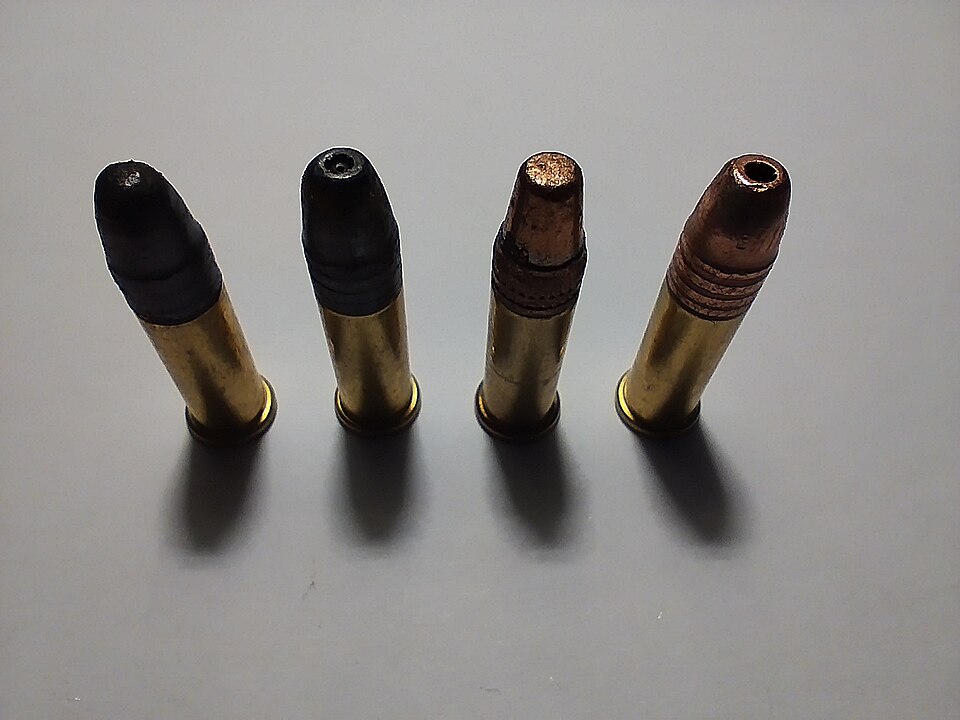
1. .22 Long Rifle
The .22 LR stays popular because it is easy to shoot, inexpensive to practice with, and chambered in compact pistols almost everyone can handle. Those strengths are real. They just do not erase the cartridge’s biggest weakness for serious defensive use: it is a rimfire round, and rimfire ignition is less dependable than centerfire design.
Terminal performance is the other problem. Many .22 LR loads produce less than 200 foot pounds of energy, and the cartridge often struggles to deliver the kind of penetration defensive hand gunners look for when clothing, bone, and imperfect angles enter the picture. A .22 can certainly injure or kill, but modern defensive thinking does not revolve around what a round can do under ideal circumstances. It revolves around what it does consistently when stress and poor conditions show up.
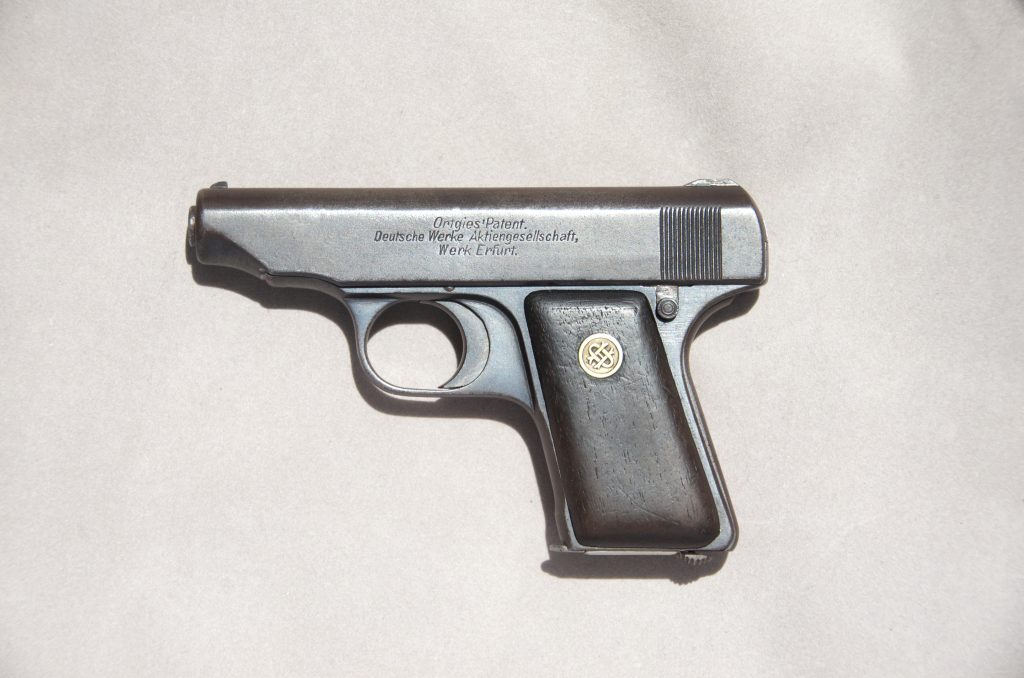
2. .25 ACP
The .25 ACP was designed for tiny pocket pistols from another era, and it still feels tied to that era. It offers centerfire ignition, which gives it one advantage over .22 LR, but the gain in reliability is offset by very limited power.
With muzzle energy often below 70 foot pounds, the cartridge sits well behind mainstream defensive calibers. Many pistols chambered for it are also extremely small, with minimal sights and short grips that make accurate shooting harder than the cartridge’s mild recoil suggests. That combination leaves little margin for error.
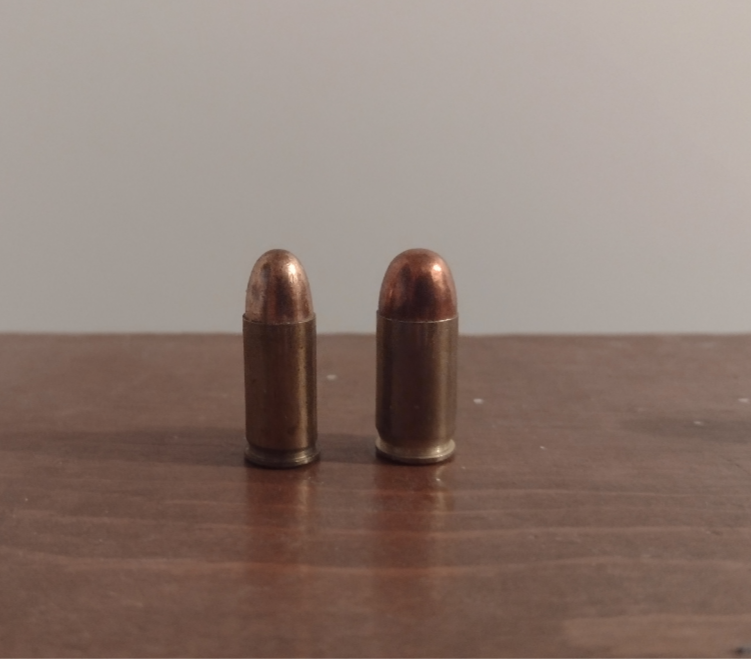
3. .32 ACP
The .32 ACP occupies an awkward middle ground. It is softer-shooting than larger defensive rounds, but that comfort comes with reduced ballistic authority. In many tests and field discussions, it has shown inconsistent expansion and only modest penetration, especially once heavy clothing is added.
That matters because defensive handguns depend on reaching critical anatomy, not on dramatic claims about stopping power. As long-running FBI research and later industry commentary have emphasized, the real issue is adequate penetration and accurate hits, not caliber mythology. In that light, .32 ACP tends to look dated rather than efficient.
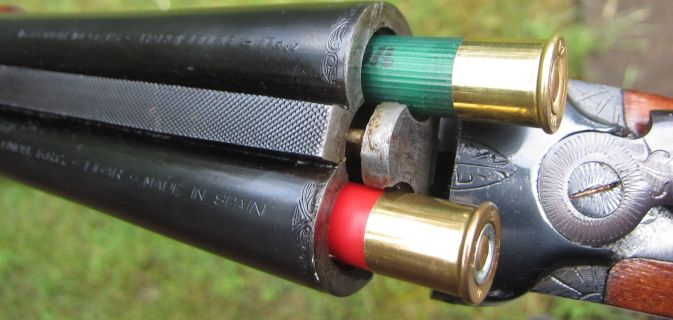
4. Birdshot and .410 Shotshell Loads From Handguns
This category draws interest because it appears to solve two problems at once: easy aiming and reduced wall penetration. In practice, it often solves neither well enough. Short-barreled .410 revolvers lose velocity fast, and light birdshot loads disperse energy quickly instead of driving deeply.
The broader birdshot debate shows why this remains controversial. Some shooters favor it for limited penetration inside shared-wall homes, while others reject it because it lacks the depth needed for dependable incapacitation. Testing and expert analysis repeatedly point in the same direction: birdshot can wound badly at very close range, but that does not make it a dependable defensive answer once distance opens even slightly. The sharper criticism is that if pellets do not penetrate enough to pass through ordinary building materials, they may also fail to reach vital organs reliably. That is why this category remains one of the weakest choices for a defensive firearm, especially in handgun-length platforms.
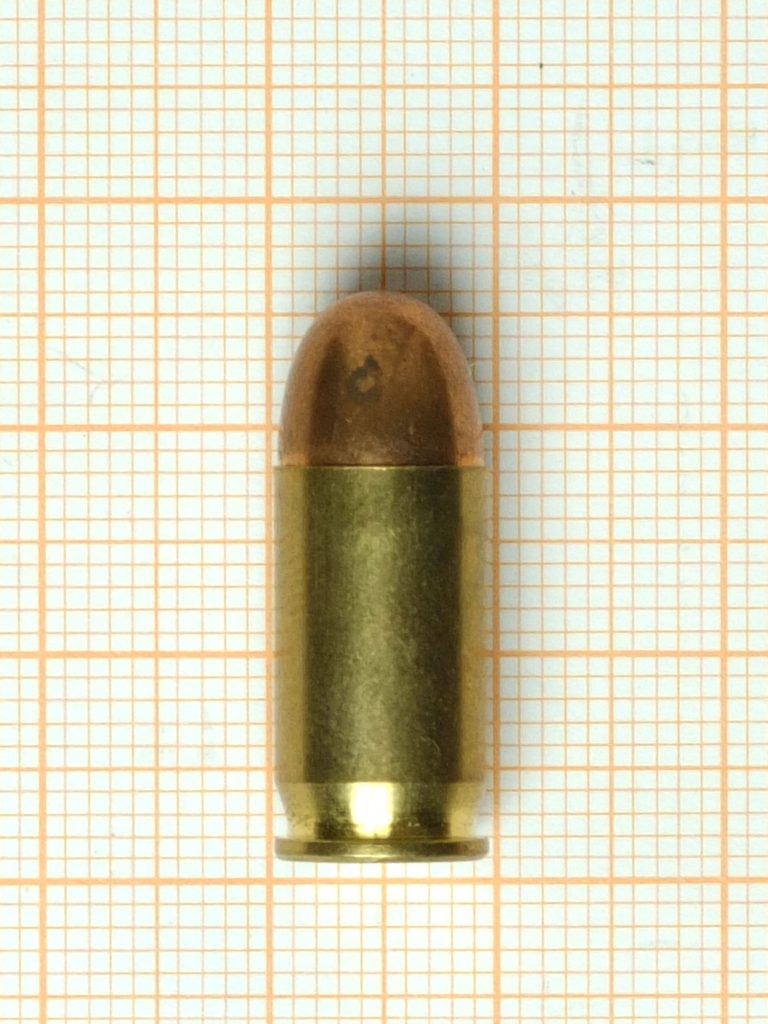
5. Weak .380 ACP Loads
.380 ACP itself is not automatically a bad home-defense round. The warning applies to the many loads that underperform from the short barrels common in pocket pistols. Some fail to reach meaningful depth after passing through clothing, while others expand too early and give up penetration.
This is one area where ammunition design matters as much as caliber. Home-defense testing with modern handgun loads has shown that some purpose built rounds perform far better than generic full metal jacket or older hollow-point designs, while a clean miss can still travel through multiple walls. A marginal .380 load leaves even less room for error.
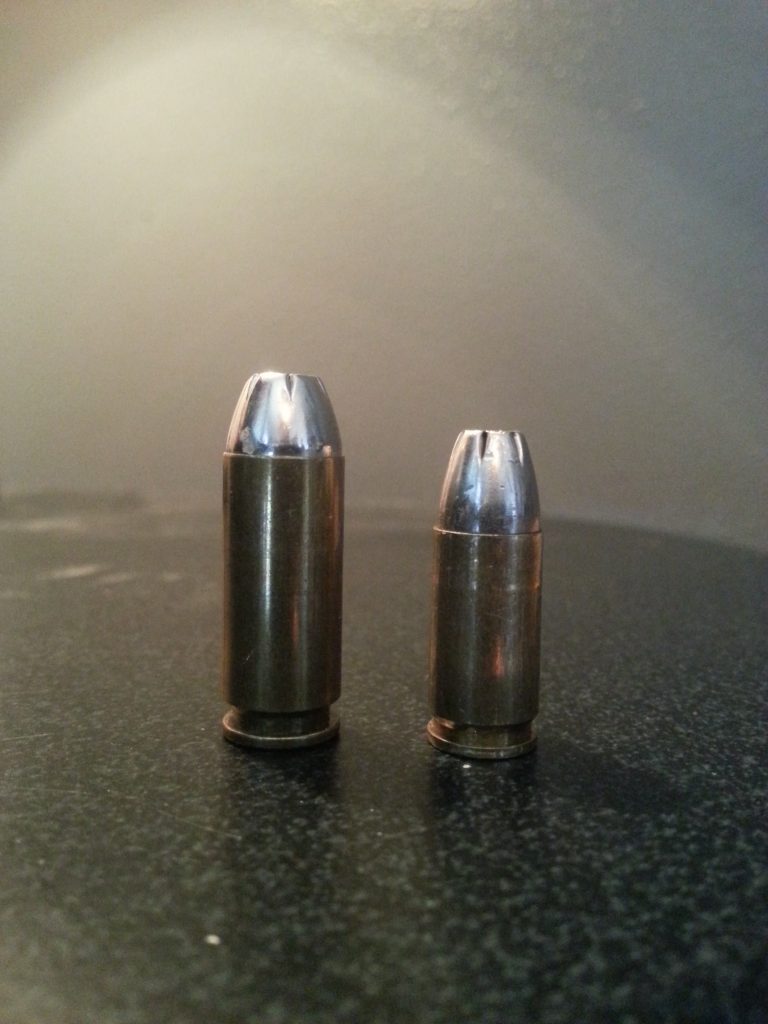
6. 10mm Auto
The 10mm Auto has the opposite problem of the small rounds on this list. It is not too weak. For many shooters in a home-defense setting, it is simply too much.
Full-power 10mm loads commonly exceed 600 foot pounds of energy, bringing stout recoil, sharp muzzle blast, and slower follow-up shots in compact defensive pistols. That might be acceptable in woods carry against large animals, where deep penetration is the point. Inside hallways and bedrooms, the tradeoff often works against the shooter. The modern view of handgun effectiveness puts a premium on multiple accurate hits delivered quickly, and 10mm can make that harder for ordinary users.
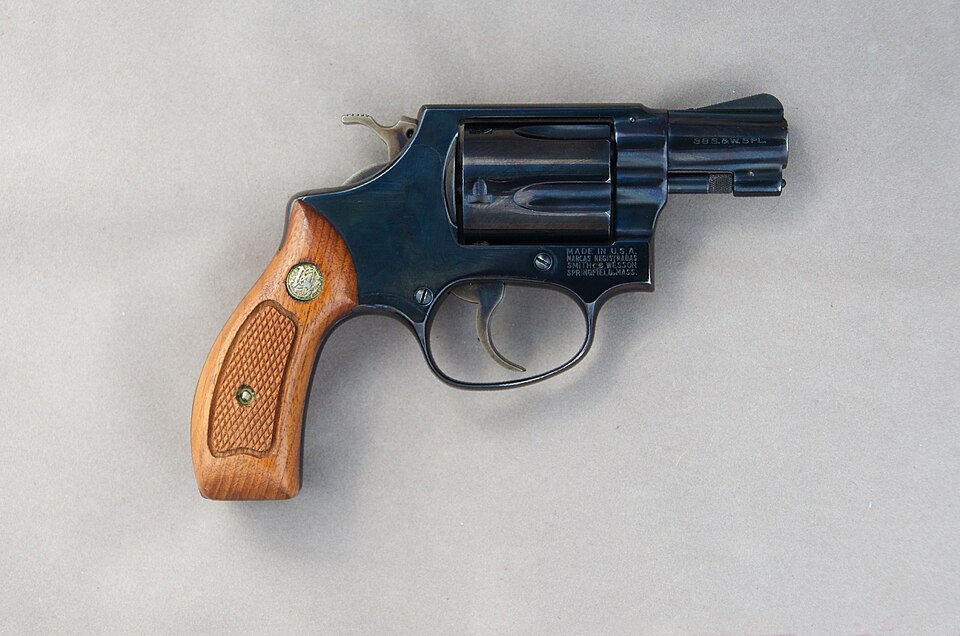
7. .38 Special in Ultra-Short Revolvers
.38 Special has a long service record, but barrel length changes the equation. In revolvers with barrels under two inches, velocity loss can be severe enough to reduce hollow-point expansion and turn good paper ballistics into borderline real-world performance.
Snub-nose revolvers also magnify recoil and slow reloads. Some loads still perform adequately, especially carefully chosen +P rounds, but the platform demands more ammunition matching and more shooter skill than its simple appearance suggests. In tiny revolvers, .38 Special becomes less forgiving than its reputation implies.
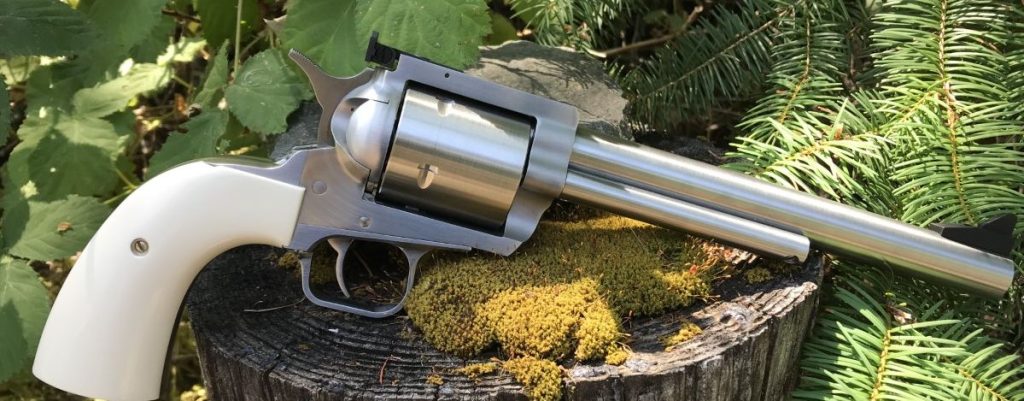
8. .44 Magnum
The .44 Magnum remains one of the most famous revolver cartridges ever made, but fame is not the same as suitability. Its strengths are massive energy, deep penetration, and authority on large targets. Those same traits turn into liabilities in a house.
Heavy recoil slows recovery, muzzle blast is punishing indoors, and the risk of excessive penetration is difficult to ignore. In home defense terms, it asks the shooter to manage a hunting level cartridge in a confined space where control matters more than spectacle. The result is a round that can do far more than needed while demanding far more from the person behind the trigger.
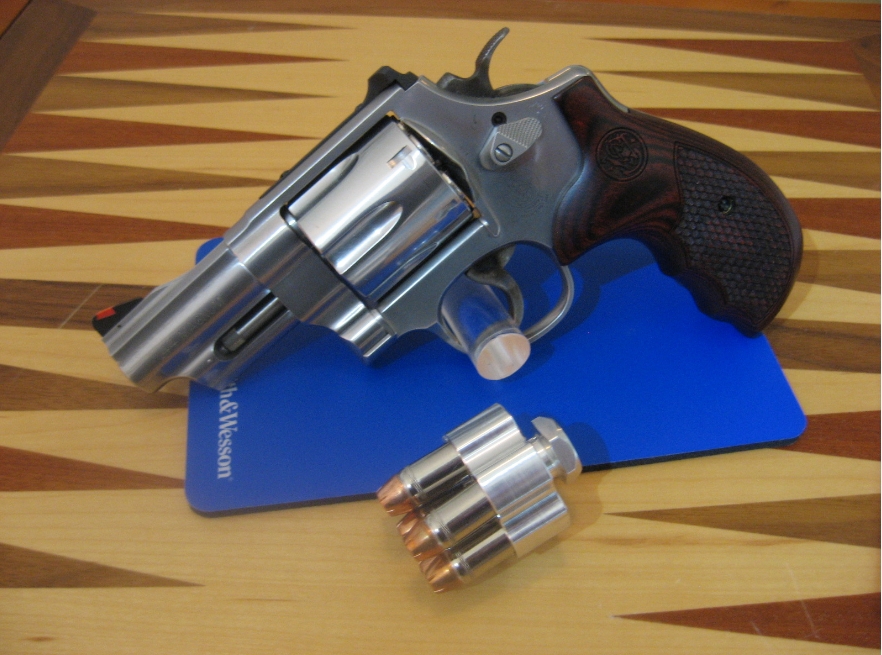
The pattern across these eight choices is straightforward. Some rounds are too weak, some are too specialized, and some create more recoil or penetration than a typical indoor defensive problem calls for.
The useful standard remains simple: enough penetration, dependable ignition, and controllable shooting under stress. Cartridges that miss that balance tend to look impressive in conversation and much less convincing when the setting shifts to real rooms, real walls, and real pressure.


