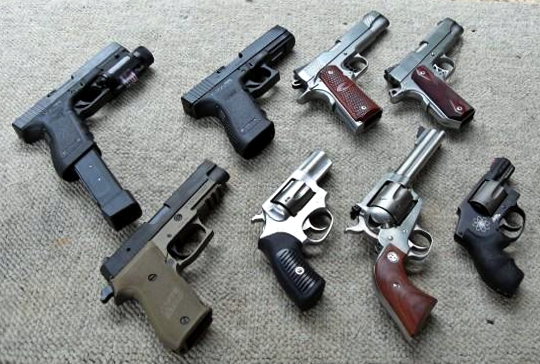
Modern pistols are often described by brand, caliber, or era, but their real story is mechanical. The shape of the trigger pull, the way a barrel unlocks, and the method used to contain recoil have all determined how handguns feel in the hand and how they evolved on the factory floor. Some systems endured because they were simple to build. Others disappeared because they demanded tight tolerances, careful fitting, or unusual handling. Together, these eight mechanisms explain much of why modern pistols look and operate the way they do.
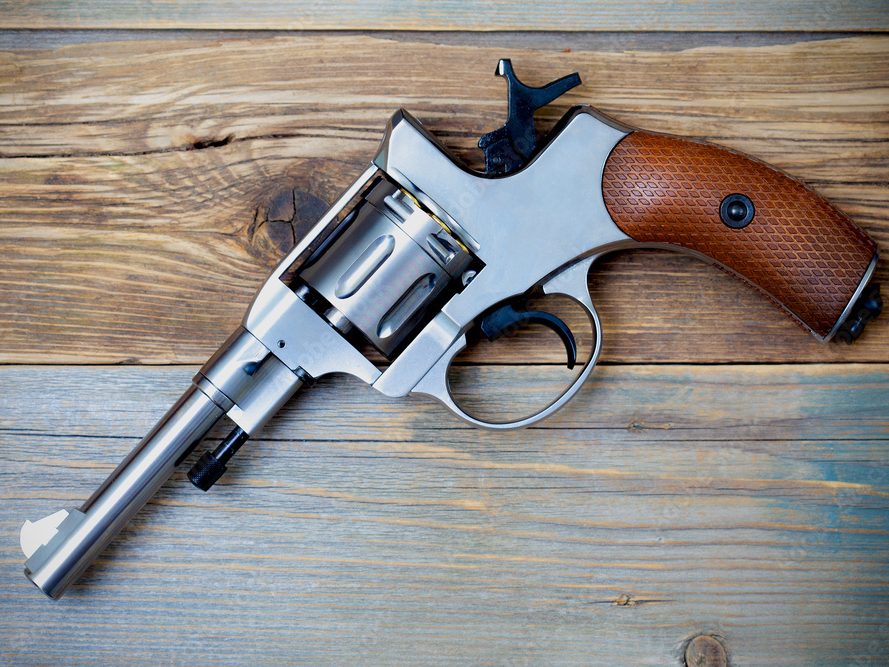
1. Single-Action Hammer Ignition
The single-action hammer system established the basic manual of arms for early self-loading pistols and many revolvers before them. In this setup, the hammer must already be cocked before the shot breaks, either manually or by the cycling slide after the first shot. That gave designers a short, crisp trigger pull and a clear mechanical separation between cocking and firing.
Its influence remains visible in classic service pistols and competition-oriented designs because the system rewards precise trigger control. The tradeoff was always procedural complexity: the first shot required deliberate preparation, and in many formats it encouraged additional safeties and stricter handling routines. Even so, the single-action pattern proved that a repeating handgun could offer rifle-like trigger refinement in a compact form.
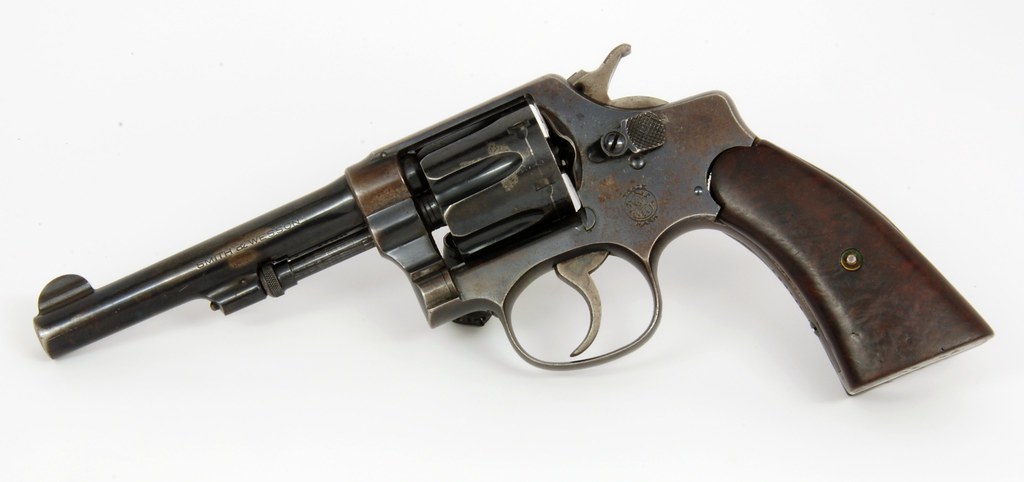
2. Double-Action/Single-Action Operation
Double-action/single-action, often shortened to DA/SA, changed pistol design by making the first shot do more work. A long trigger press could cock and release the hammer, while later shots became lighter single-action pulls after the slide cycled. That combination gave service handguns a different balance of readiness and control than pure single-action designs.
It also drove the spread of decockers and hammer-control systems. According to double-action semi-automatic pistol operation, the first trigger pull cocks the hammer and fires, with subsequent shots returning as single-action because the recoiling slide resets the hammer. Modern duty pistols that use DA/SA still reflect that logic: a deliberate first pull, followed by faster and lighter repeat shots.
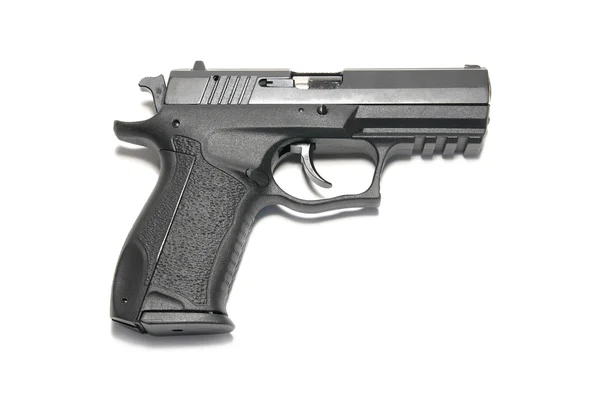
3. Striker-Fired Ignition
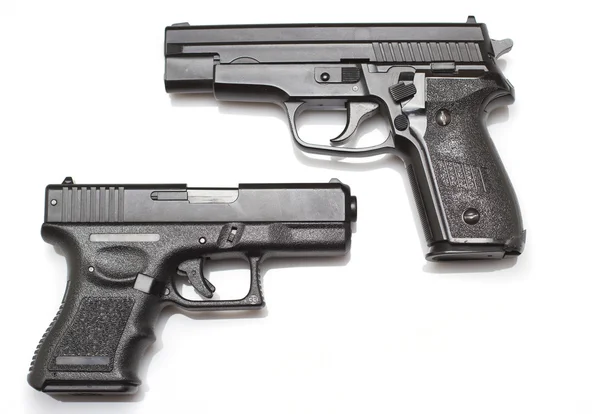
Striker-fired systems removed the external hammer from the equation and compressed the firing cycle into a simpler package. Instead of a hammer swinging into a firing pin, the trigger releases a spring-loaded striker. That reduced external parts, streamlined the slide profile, and helped establish the uniform trigger press now associated with many contemporary pistols.
The appeal was not only mechanical simplicity but consistency. Once the slide is cycled, the pistol is set to repeat the same firing process shot after shot. The broad commercial rise of striker-fired handguns in recent decades pushed manufacturers toward lighter frames, simpler controls, and more standardized training habits. In engineering terms, striker systems helped make the modern service pistol more modular and easier to scale across product lines.
4. Straight Blowback
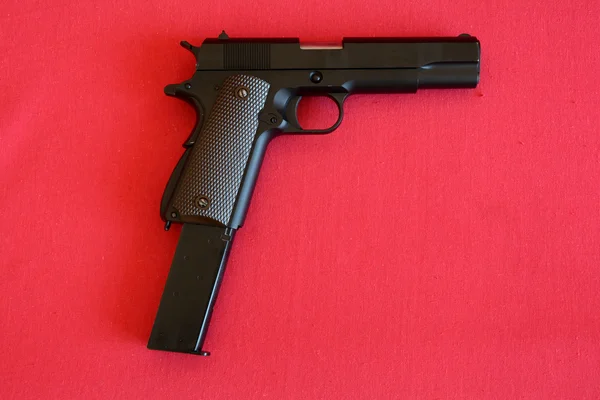
Straight blowback is one of the simplest semi-automatic pistol mechanisms ever used. The barrel remains fixed, and the slide is held closed primarily by its own mass and spring pressure until recoil forces drive it rearward. That simplicity made blowback pistols economical and mechanically straightforward, especially in lower-pressure chamberings.
Its limitations also taught later designers what had to change. For a given cartridge, blowback often requires a heavier slide, and that moving mass affects how the pistol feels when cycling. The mechanism survived in small-caliber and compact handguns, but its compromises in recoil behavior and slide weight created the opening for locked-breech systems to dominate more powerful pistols.
5. Browning Short-Recoil Tilting Barrel
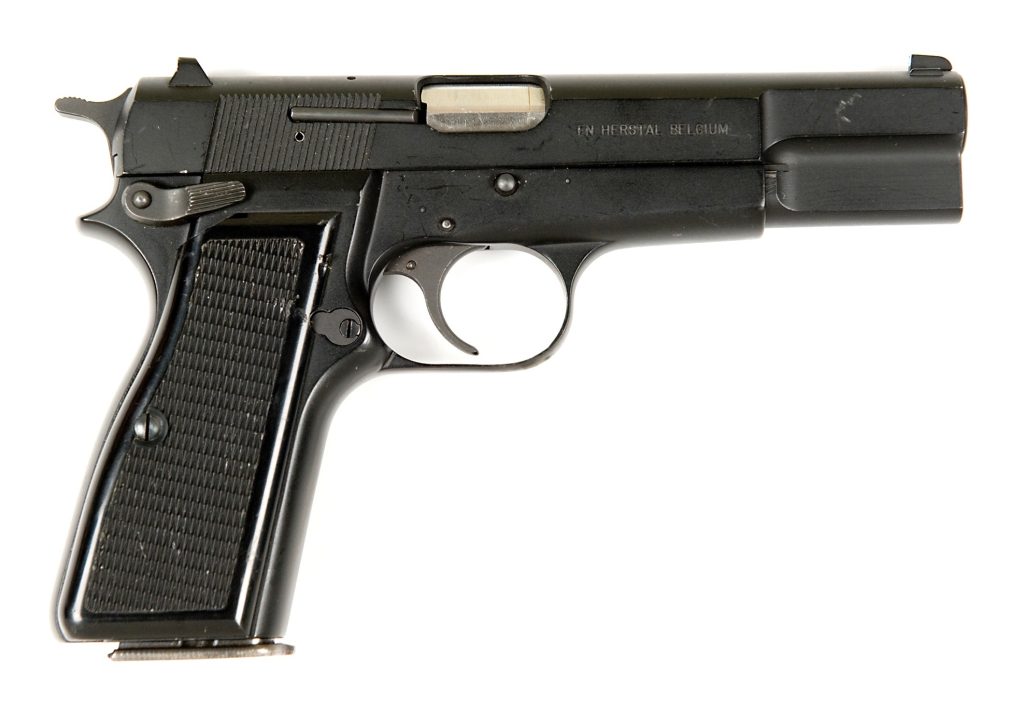
No mechanism has left a larger mark on modern semi-automatic pistols than the Browning short-recoil, tilting-barrel system. In this design, barrel and slide begin moving rearward together for a brief distance before the barrel tilts or cams downward to unlock, allowing the slide to continue its cycle. It became the default architecture for service pistols because it offered strong locking, manageable slide mass, and practical manufacturing.
The system also changed recoil characteristics. As discussed in the Browning dropping barrel design, the barrel and slide initially move together, then stop independently, spreading the energy over a longer interval. That helped locked-breech pistols feel less abrupt than comparable blowback guns while supporting more powerful cartridges. The basic idea survives in countless derivatives, from steel-framed classics to polymer duty pistols.
6. Toggle-Lock Recoil Action
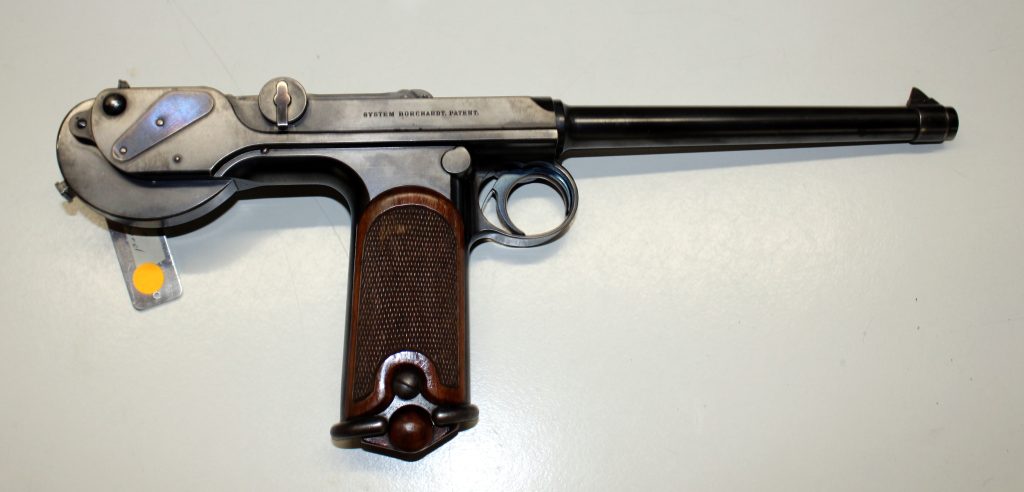
The toggle-lock system occupies a crucial place in handgun history because it showed how a semi-automatic pistol could be both advanced and commercially successful before simpler mechanisms took over. Used in the Borchardt C93 and later refined in the Luger, it relied on a jointed linkage that resisted opening while straight, then bent to unlock during recoil.
The mechanism worked much like a knee joint under load, a comparison often used to explain the design. In the Luger family, that distinctive action delivered accuracy and engineering elegance, but it came at a cost. The design depended on tight tolerances and hand-fitted parts, which limited durability in harsh conditions and made production expensive. Its long-term influence was less about survival and more about proving what early self-loaders could achieve.
7. Grip-Angle and Ergonomic Lockwork Integration
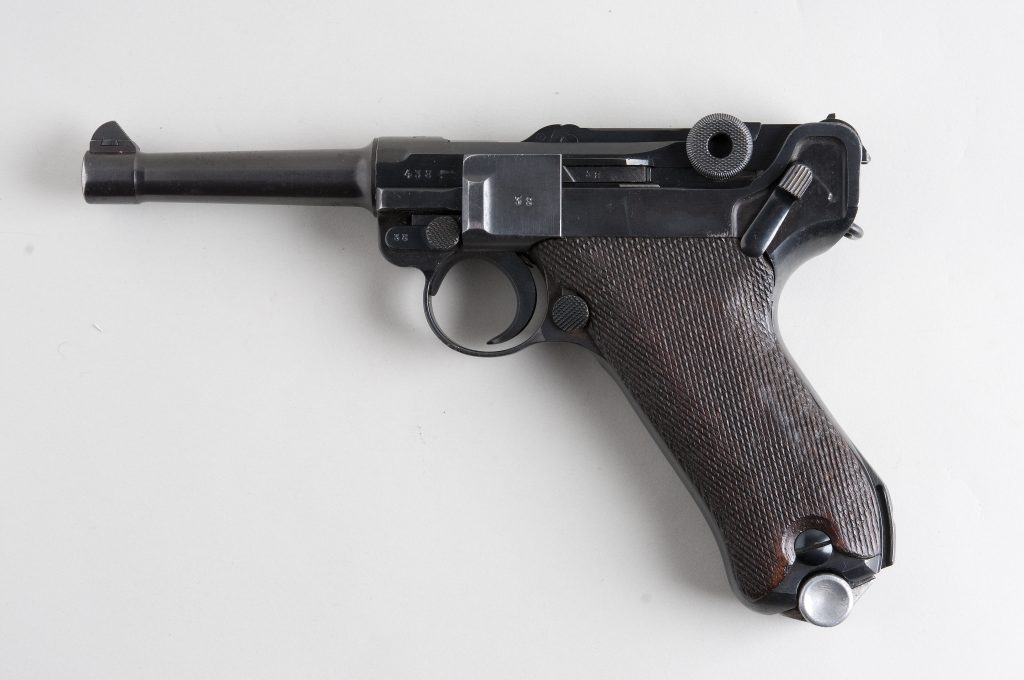
Not every shaping mechanism in pistol history lives entirely inside the frame. One of the biggest design leaps came when engineers began integrating the firing system with human factors rather than treating the grip as an afterthought. The transition from the Borchardt to the Luger is one of the clearest examples: the revised pistol kept the broad operating concept but dramatically improved handling through grip angle, balance, and spring arrangement.
That shift mattered because modern pistol design is never just about lockup strength or ignition. It is also about how quickly the gun points and how naturally its controls align with the shooter’s hand. The Luger’s redesigned angle, adopted after Georg Luger reworked Borchardt’s original concept, showed that mechanical success and ergonomic success had to develop together.
8. Decocker-Based Safety Systems
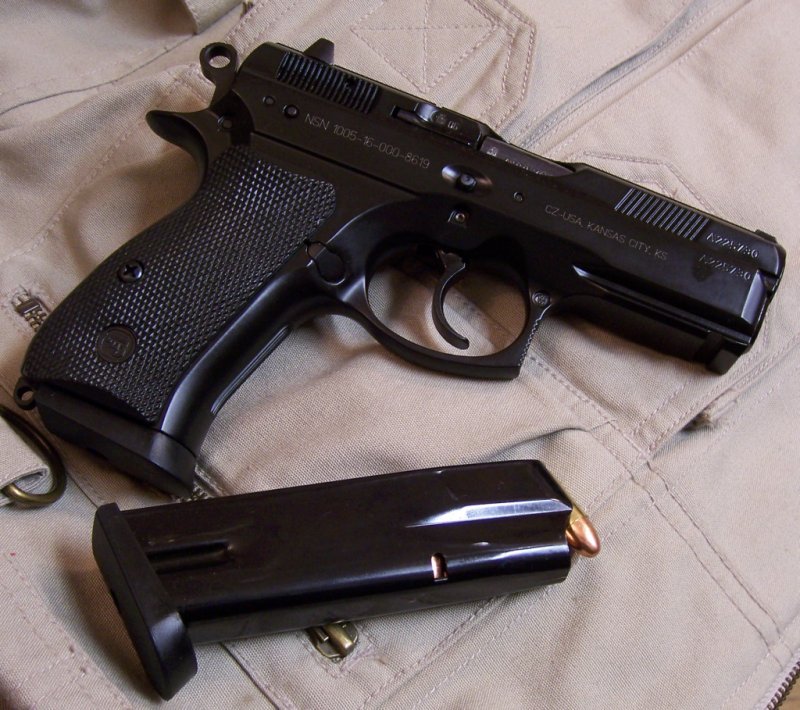
The decocker deserves a place among major mechanisms because it altered how hammer-fired pistols could be carried and returned to a safer state without manually lowering the hammer. Rather than relying on thumb control alone, the decocker added a controlled mechanical step between readiness and storage or holstering.
That feature became especially important in DA/SA pistols, where a heavy first pull and lowered hammer were part of the intended operating logic. It helped define the modern service-pistol formula: chamber loaded, hammer down, first shot deliberate. More broadly, decocker systems reflect a central truth of handgun development successful mechanisms are judged not only by how they fire, but by how they manage the moments before and after firing as well.
Modern pistol design did not emerge from a single breakthrough. It came from repeated attempts to solve the same problems: safe readiness, reliable ignition, controllable recoil, fast cycling, and practical manufacture. Some of these mechanisms became universal, while others remain important mainly as turning points. Together, they form the mechanical vocabulary from which nearly every modern handgun still speaks.


